
Tragedy at Sea: 69 Migrants Die as Boat Capsizes Off Mauritania
In This Article
HIGHLIGHTS
- At least 69 migrants died when a boat capsized off Mauritania's coast; 17 survivors were rescued.
- The vessel, carrying around 160 people, mainly from The Gambia and Senegal, was en route to Spain's Canary Islands.
- The accident occurred after passengers moved to one side upon seeing coastal lights, causing the boat to overturn.
- Human Rights Watch reported abuses by Mauritanian security forces, linked to an EU-funded crackdown on migration.
- The perilous Atlantic route has seen thousands of migrant deaths, with over 9,000 fatalities estimated by NGOs last year.
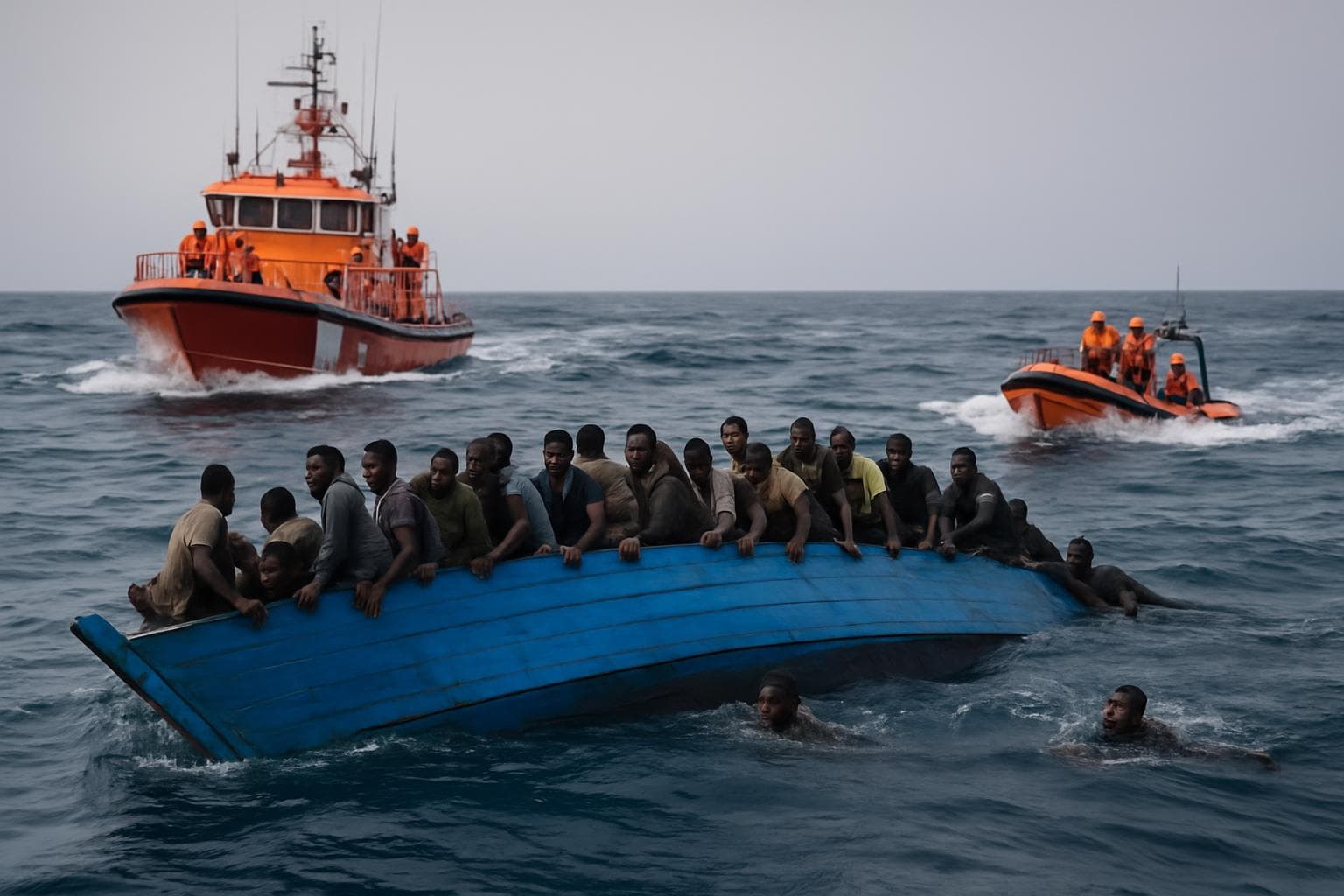
In a tragic incident highlighting the ongoing migrant crisis, at least 69 people have died after a boat carrying around 160 migrants capsized off the coast of Mauritania. The vessel, which left The Gambia six days prior, was attempting to reach Spain's Canary Islands, a common yet perilous route for African migrants seeking a better life in Europe.
The Incident and Rescue Efforts
The accident occurred late Tuesday night, approximately 50 miles north of Nouakchott, Mauritania's capital. According to Mohamed Abdallah, head of the Mauritanian coastguard, the tragedy unfolded when passengers, spotting the lights of a nearby coastal town, shifted to one side of the boat, causing it to overturn. Seventeen survivors were rescued by coastguard patrols, while search efforts continue for the missing.
A Dangerous Journey
The Atlantic Ocean crossing to the Canary Islands has become increasingly frequented by migrants from countries like Senegal and The Gambia. Despite the dangers, including strong ocean currents and fragile vessels, thousands attempt the journey each year. Caminando Fronteras, a Spanish NGO, estimates that over 9,000 migrants died on this route last year alone.
Human Rights Concerns
The tragedy coincides with a Human Rights Watch report accusing Mauritanian security forces of abusing migrants. The report, released Wednesday, details mistreatment linked to a €210 million EU-funded crackdown aimed at curbing migration. These allegations have sparked debate among humanitarian and government circles, though Mauritanian authorities have yet to respond.
WHAT THIS MIGHT MEAN
The recent tragedy off Mauritania underscores the urgent need for comprehensive solutions to the migrant crisis. As search and rescue operations continue, the international community may face increased pressure to address the root causes driving migration and improve safety measures for those undertaking such perilous journeys. The Human Rights Watch report could also prompt scrutiny of EU-funded initiatives and their impact on migrant welfare, potentially leading to policy reassessments. As the situation develops, collaboration between African and European nations will be crucial in crafting effective, humane responses to this ongoing crisis.
Related Articles
Tragic Collision in Aegean Sea Claims 14 Migrant Lives
US Supreme Court Ruling Sparks Trade Uncertainty in Asia and Beyond
Trump's New Tariff Strategy Sparks Global Trade Uncertainty

US Supreme Court Ruling on Tariffs Sparks Uncertainty for UK and Global Trade

Youth Unemployment in the UK Reaches Alarming Levels Amid Economic Challenges

Marco Rubio Highlights New Geopolitical Era at Munich Security Conference Amid Rising Tensions
Tragedy at Sea: 69 Migrants Die as Boat Capsizes Off Mauritania
In This Article
 Leila Hassan| Published
 HIGHLIGHTS
- At least 69 migrants died when a boat capsized off Mauritania's coast; 17 survivors were rescued.
- The vessel, carrying around 160 people, mainly from The Gambia and Senegal, was en route to Spain's Canary Islands.
- The accident occurred after passengers moved to one side upon seeing coastal lights, causing the boat to overturn.
- Human Rights Watch reported abuses by Mauritanian security forces, linked to an EU-funded crackdown on migration.
- The perilous Atlantic route has seen thousands of migrant deaths, with over 9,000 fatalities estimated by NGOs last year.
In a tragic incident highlighting the ongoing migrant crisis, at least 69 people have died after a boat carrying around 160 migrants capsized off the coast of Mauritania. The vessel, which left The Gambia six days prior, was attempting to reach Spain's Canary Islands, a common yet perilous route for African migrants seeking a better life in Europe.
The Incident and Rescue Efforts
The accident occurred late Tuesday night, approximately 50 miles north of Nouakchott, Mauritania's capital. According to Mohamed Abdallah, head of the Mauritanian coastguard, the tragedy unfolded when passengers, spotting the lights of a nearby coastal town, shifted to one side of the boat, causing it to overturn. Seventeen survivors were rescued by coastguard patrols, while search efforts continue for the missing.
A Dangerous Journey
The Atlantic Ocean crossing to the Canary Islands has become increasingly frequented by migrants from countries like Senegal and The Gambia. Despite the dangers, including strong ocean currents and fragile vessels, thousands attempt the journey each year. Caminando Fronteras, a Spanish NGO, estimates that over 9,000 migrants died on this route last year alone.
Human Rights Concerns
The tragedy coincides with a Human Rights Watch report accusing Mauritanian security forces of abusing migrants. The report, released Wednesday, details mistreatment linked to a €210 million EU-funded crackdown aimed at curbing migration. These allegations have sparked debate among humanitarian and government circles, though Mauritanian authorities have yet to respond.
WHAT THIS MIGHT MEAN
The recent tragedy off Mauritania underscores the urgent need for comprehensive solutions to the migrant crisis. As search and rescue operations continue, the international community may face increased pressure to address the root causes driving migration and improve safety measures for those undertaking such perilous journeys. The Human Rights Watch report could also prompt scrutiny of EU-funded initiatives and their impact on migrant welfare, potentially leading to policy reassessments. As the situation develops, collaboration between African and European nations will be crucial in crafting effective, humane responses to this ongoing crisis.
Related Articles
Tragic Collision in Aegean Sea Claims 14 Migrant Lives
US Supreme Court Ruling Sparks Trade Uncertainty in Asia and Beyond
Trump's New Tariff Strategy Sparks Global Trade Uncertainty
US Supreme Court Ruling on Tariffs Sparks Uncertainty for UK and Global Trade
Youth Unemployment in the UK Reaches Alarming Levels Amid Economic Challenges
Marco Rubio Highlights New Geopolitical Era at Munich Security Conference Amid Rising Tensions