
Afghan National Charged in Fatal National Guard Shooting Near White House
In This Article
HIGHLIGHTS
- Rahmanullah Lakanwal, an Afghan national, faces murder and assault charges for a shooting near the White House on November 26, 2025.
- Specialist Sarah Beckstrom was killed, and Staff Sgt Andrew Wolfe was critically injured in the attack.
- Lakanwal, who pleaded not guilty, was shot and detained by National Guard members during the incident.
- The shooting has intensified debates over US immigration policy, particularly regarding Afghan asylum seekers.
- Lakanwal entered the US under Operation Allies Welcome, a program initiated by the Biden administration.
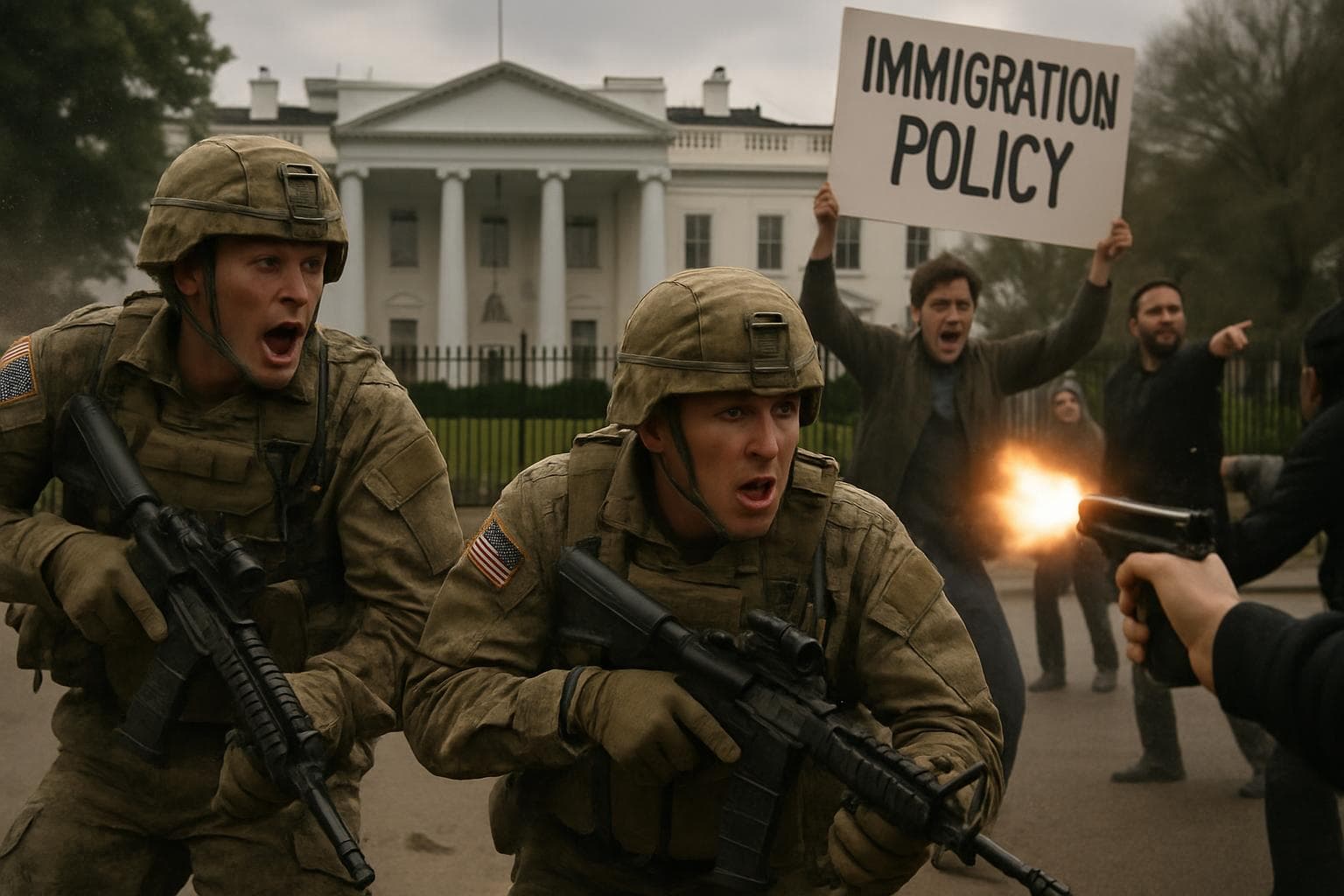
In a shocking incident near the White House, Rahmanullah Lakanwal, a 29-year-old Afghan national, has been charged with murder and assault following a shooting that left one National Guard soldier dead and another critically injured. The attack, which occurred on November 26, 2025, has reignited debates over US immigration policy, particularly concerning Afghan asylum seekers.
Details of the Incident
The shooting unfolded near an underground train station in Washington DC, where Specialist Sarah Beckstrom, 20, and Staff Sgt Andrew Wolfe, 24, were on patrol. According to court documents, Lakanwal shouted "Allahu Akbar" before opening fire on the soldiers. Beckstrom succumbed to her injuries the following day, while Wolfe remains in critical condition. Lakanwal, who was also shot during the altercation, pleaded not guilty from his hospital bed during a virtual court appearance.
Legal Proceedings and Background
Prosecutors have described the attack as an "ambush-style" shooting. Lakanwal, who entered the US in 2021 under Operation Allies Welcome, a Biden administration initiative, had his asylum request approved in 2024. He had been living in Bellingham, Washington, with his family. Emails from a social worker suggest he may have been suffering from mental health issues, having isolated himself for weeks.
Political Reactions and Implications
The incident has intensified the ongoing debate over US immigration policies. Former President Donald Trump labeled the shooting a "terrorist attack" and criticized the Biden administration's handling of Afghan resettlement. Trump has called for a halt to migration from poorer nations, a stance that contrasts with the current administration's policies.
WHAT THIS MIGHT MEAN
The legal proceedings against Rahmanullah Lakanwal are set to continue, with the next court date scheduled for January 14. As the case unfolds, it could further influence public opinion and policy discussions regarding Afghan asylum seekers and broader immigration policies in the US. Experts suggest that the incident may lead to increased scrutiny of asylum processes and the support systems available to refugees, particularly those with potential mental health challenges. The political ramifications could also impact future immigration legislation, as policymakers grapple with balancing national security concerns and humanitarian obligations.
Related Articles
Spain's Sánchez Stands Firm Against Trump's Trade Threat Over Iran Stance
Senate Blocks Resolution to Limit Trump's Military Actions in Iran
US-Iran Tensions Escalate Amid Renewed Nuclear Talks and Protests

Greenland Politely Declines Trump's Hospital Ship Offer Amid Healthcare Debate

Tech Giants Pledge to Cover AI Data Center Energy Costs Amid Rising Electricity Concerns
Congress Subpoenas Attorney General Bondi in Epstein Investigation
Afghan National Charged in Fatal National Guard Shooting Near White House
In This Article
 Ethan Brooks| Published
 HIGHLIGHTS
- Rahmanullah Lakanwal, an Afghan national, faces murder and assault charges for a shooting near the White House on November 26, 2025.
- Specialist Sarah Beckstrom was killed, and Staff Sgt Andrew Wolfe was critically injured in the attack.
- Lakanwal, who pleaded not guilty, was shot and detained by National Guard members during the incident.
- The shooting has intensified debates over US immigration policy, particularly regarding Afghan asylum seekers.
- Lakanwal entered the US under Operation Allies Welcome, a program initiated by the Biden administration.
In a shocking incident near the White House, Rahmanullah Lakanwal, a 29-year-old Afghan national, has been charged with murder and assault following a shooting that left one National Guard soldier dead and another critically injured. The attack, which occurred on November 26, 2025, has reignited debates over US immigration policy, particularly concerning Afghan asylum seekers.
Details of the Incident
The shooting unfolded near an underground train station in Washington DC, where Specialist Sarah Beckstrom, 20, and Staff Sgt Andrew Wolfe, 24, were on patrol. According to court documents, Lakanwal shouted "Allahu Akbar" before opening fire on the soldiers. Beckstrom succumbed to her injuries the following day, while Wolfe remains in critical condition. Lakanwal, who was also shot during the altercation, pleaded not guilty from his hospital bed during a virtual court appearance.
Legal Proceedings and Background
Prosecutors have described the attack as an "ambush-style" shooting. Lakanwal, who entered the US in 2021 under Operation Allies Welcome, a Biden administration initiative, had his asylum request approved in 2024. He had been living in Bellingham, Washington, with his family. Emails from a social worker suggest he may have been suffering from mental health issues, having isolated himself for weeks.
Political Reactions and Implications
The incident has intensified the ongoing debate over US immigration policies. Former President Donald Trump labeled the shooting a "terrorist attack" and criticized the Biden administration's handling of Afghan resettlement. Trump has called for a halt to migration from poorer nations, a stance that contrasts with the current administration's policies.
WHAT THIS MIGHT MEAN
The legal proceedings against Rahmanullah Lakanwal are set to continue, with the next court date scheduled for January 14. As the case unfolds, it could further influence public opinion and policy discussions regarding Afghan asylum seekers and broader immigration policies in the US. Experts suggest that the incident may lead to increased scrutiny of asylum processes and the support systems available to refugees, particularly those with potential mental health challenges. The political ramifications could also impact future immigration legislation, as policymakers grapple with balancing national security concerns and humanitarian obligations.
Related Articles
Spain's Sánchez Stands Firm Against Trump's Trade Threat Over Iran Stance
Senate Blocks Resolution to Limit Trump's Military Actions in Iran
US-Iran Tensions Escalate Amid Renewed Nuclear Talks and Protests
Greenland Politely Declines Trump's Hospital Ship Offer Amid Healthcare Debate
Tech Giants Pledge to Cover AI Data Center Energy Costs Amid Rising Electricity Concerns
Congress Subpoenas Attorney General Bondi in Epstein Investigation