
Afghan Data Breach Exposes British Spies and Puts Thousands at Risk
In This Article
HIGHLIGHTS
- Over 100 British officials, including MI6 and SAS members, were named in a data breach affecting 18,700 Afghans.
- The breach, discovered in August 2023, led to the creation of a £2 billion resettlement scheme to protect affected Afghans.
- A super-injunction initially prevented reporting on the breach, but was partially lifted in October 2023.
- The Ministry of Defence admitted the breach was a "serious departmental error" and apologized for the oversight.
- The data leak poses significant risks to Afghans still in Afghanistan, with fears of Taliban retribution.
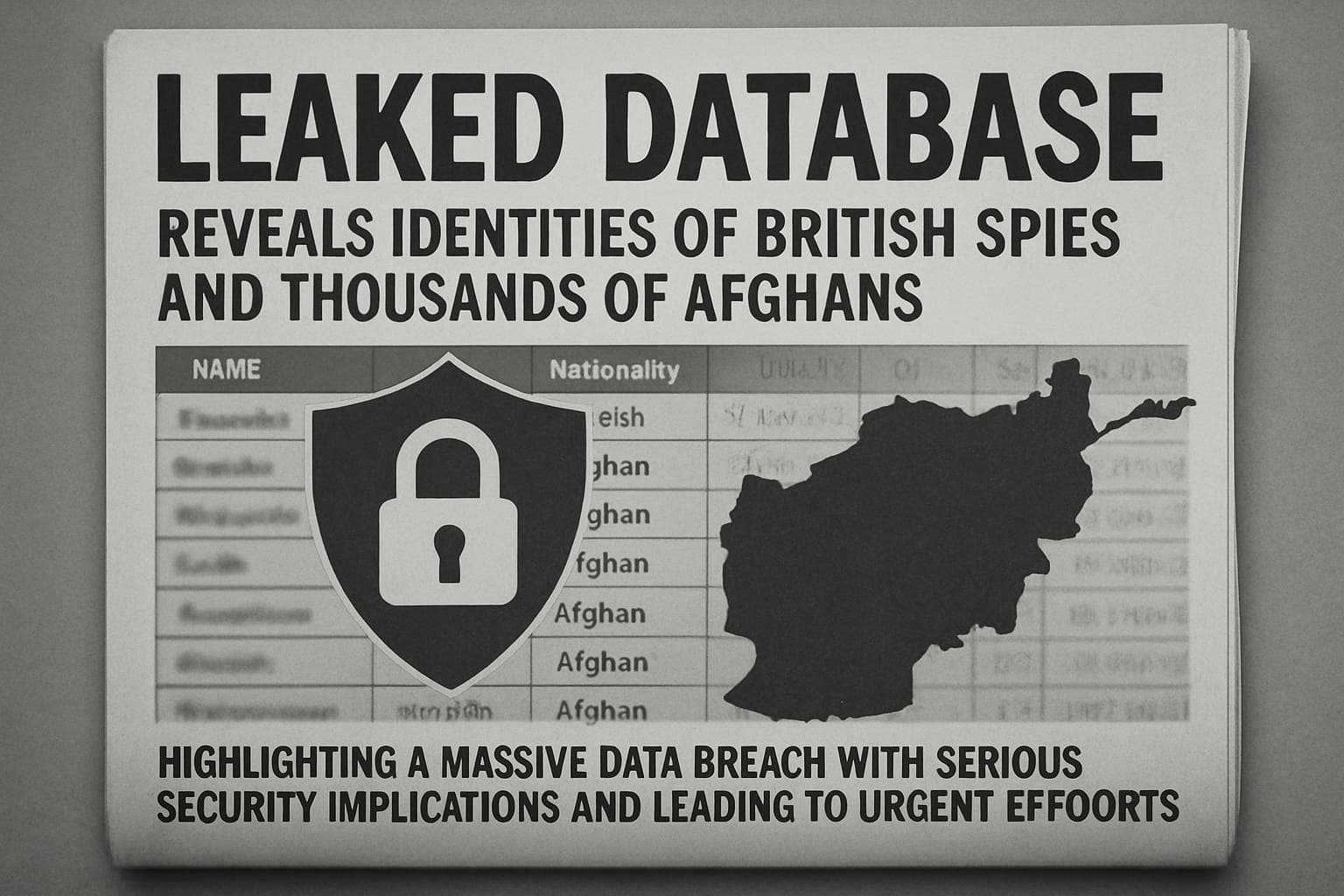
The recent revelation of a significant data breach involving UK intelligence personnel and thousands of Afghans has raised serious security concerns. The breach, which compromised the identities of over 100 British officials, including members of MI6 and the SAS, was discovered in August 2023, though it occurred in February 2022. This incident is considered one of the most severe leaks of UK government names since 1999.
Breach Details and Impact
The data breach involved the accidental release of a database containing personal information of 18,700 Afghans who had worked with the British government during the 20-year conflict in Afghanistan. The breach was inadvertently caused by a defence official who mistakenly emailed the data to an external party. The Ministry of Defence (MoD) has since acknowledged the error, describing it as a "serious departmental error."
Legal and Protective Measures
To mitigate the fallout, the UK government established a £2 billion resettlement scheme, known as the Afghanistan Response Route (ARR), to relocate affected Afghans to the UK. So far, 4,500 Afghans and their families have been resettled, with plans to bring an additional 2,400 individuals. The breach was initially kept under wraps by a super-injunction, which was partially lifted in October 2023, allowing media outlets to report on the incident.
Risks and Reactions
The breach poses significant risks to Afghans still residing in Afghanistan, as the Taliban may seek retribution against those who collaborated with British forces. The MoD has faced criticism for its handling of the situation, with Defence Secretary John Healey offering a public apology. The incident has prompted inquiries by the Commons defence select committee and Parliament's intelligence and security committee.
WHAT THIS MIGHT MEAN
The lifting of the super-injunction and subsequent media coverage may lead to increased scrutiny of the UK's intelligence operations and data security protocols. The ongoing inquiries by parliamentary committees could result in recommendations for stricter oversight and improved safeguards to prevent future breaches. Additionally, the resettlement scheme's success will be closely monitored, as it plays a crucial role in ensuring the safety of those affected by the breach. The situation underscores the importance of robust data protection measures, particularly in sensitive areas involving national security and international relations.
Related Articles

UK Reinforces Military Presence in Cyprus Amid Middle East Tensions

UK Government to Reform Asylum Seeker Support and Employment Policies

UK Faces Dilemmas Amid Iran Conflict and China Spying Allegations

UK-Iran Tensions: Starmer Defends Cautious Approach Amid Trump Criticism

Persistent Safety Concerns in Nottingham Maternity Services Amidst Calls for Systemic Reform

Diplomatic Tensions Rise as Trump Criticizes Starmer's Iran Policy
Afghan Data Breach Exposes British Spies and Puts Thousands at Risk
In This Article
 Ethan Brooks| Published
 HIGHLIGHTS
- Over 100 British officials, including MI6 and SAS members, were named in a data breach affecting 18,700 Afghans.
- The breach, discovered in August 2023, led to the creation of a £2 billion resettlement scheme to protect affected Afghans.
- A super-injunction initially prevented reporting on the breach, but was partially lifted in October 2023.
- The Ministry of Defence admitted the breach was a "serious departmental error" and apologized for the oversight.
- The data leak poses significant risks to Afghans still in Afghanistan, with fears of Taliban retribution.
The recent revelation of a significant data breach involving UK intelligence personnel and thousands of Afghans has raised serious security concerns. The breach, which compromised the identities of over 100 British officials, including members of MI6 and the SAS, was discovered in August 2023, though it occurred in February 2022. This incident is considered one of the most severe leaks of UK government names since 1999.
Breach Details and Impact
The data breach involved the accidental release of a database containing personal information of 18,700 Afghans who had worked with the British government during the 20-year conflict in Afghanistan. The breach was inadvertently caused by a defence official who mistakenly emailed the data to an external party. The Ministry of Defence (MoD) has since acknowledged the error, describing it as a "serious departmental error."
Legal and Protective Measures
To mitigate the fallout, the UK government established a £2 billion resettlement scheme, known as the Afghanistan Response Route (ARR), to relocate affected Afghans to the UK. So far, 4,500 Afghans and their families have been resettled, with plans to bring an additional 2,400 individuals. The breach was initially kept under wraps by a super-injunction, which was partially lifted in October 2023, allowing media outlets to report on the incident.
Risks and Reactions
The breach poses significant risks to Afghans still residing in Afghanistan, as the Taliban may seek retribution against those who collaborated with British forces. The MoD has faced criticism for its handling of the situation, with Defence Secretary John Healey offering a public apology. The incident has prompted inquiries by the Commons defence select committee and Parliament's intelligence and security committee.
WHAT THIS MIGHT MEAN
The lifting of the super-injunction and subsequent media coverage may lead to increased scrutiny of the UK's intelligence operations and data security protocols. The ongoing inquiries by parliamentary committees could result in recommendations for stricter oversight and improved safeguards to prevent future breaches. Additionally, the resettlement scheme's success will be closely monitored, as it plays a crucial role in ensuring the safety of those affected by the breach. The situation underscores the importance of robust data protection measures, particularly in sensitive areas involving national security and international relations.
Related Articles
UK Reinforces Military Presence in Cyprus Amid Middle East Tensions
UK Government to Reform Asylum Seeker Support and Employment Policies
UK Faces Dilemmas Amid Iran Conflict and China Spying Allegations
UK-Iran Tensions: Starmer Defends Cautious Approach Amid Trump Criticism
Persistent Safety Concerns in Nottingham Maternity Services Amidst Calls for Systemic Reform
Diplomatic Tensions Rise as Trump Criticizes Starmer's Iran Policy