
Afghanistan Earthquake Leaves Hundreds Dead and Villages in Ruins
In This Article
HIGHLIGHTS
- A 6.0 magnitude earthquake struck eastern Afghanistan, killing at least 800 people, with the death toll expected to rise.
- The worst-hit areas include the Kunar and Nangarhar provinces, where entire villages have been reduced to rubble.
- Rescue efforts are hampered by blocked roads and difficult terrain, with the Taliban relying on helicopters for aid delivery.
- Survivors describe scenes of devastation, with many families losing multiple members and graveyards overflowing.
- Criticism mounts over the Taliban's ability to manage the humanitarian crisis, with calls for more international aid.
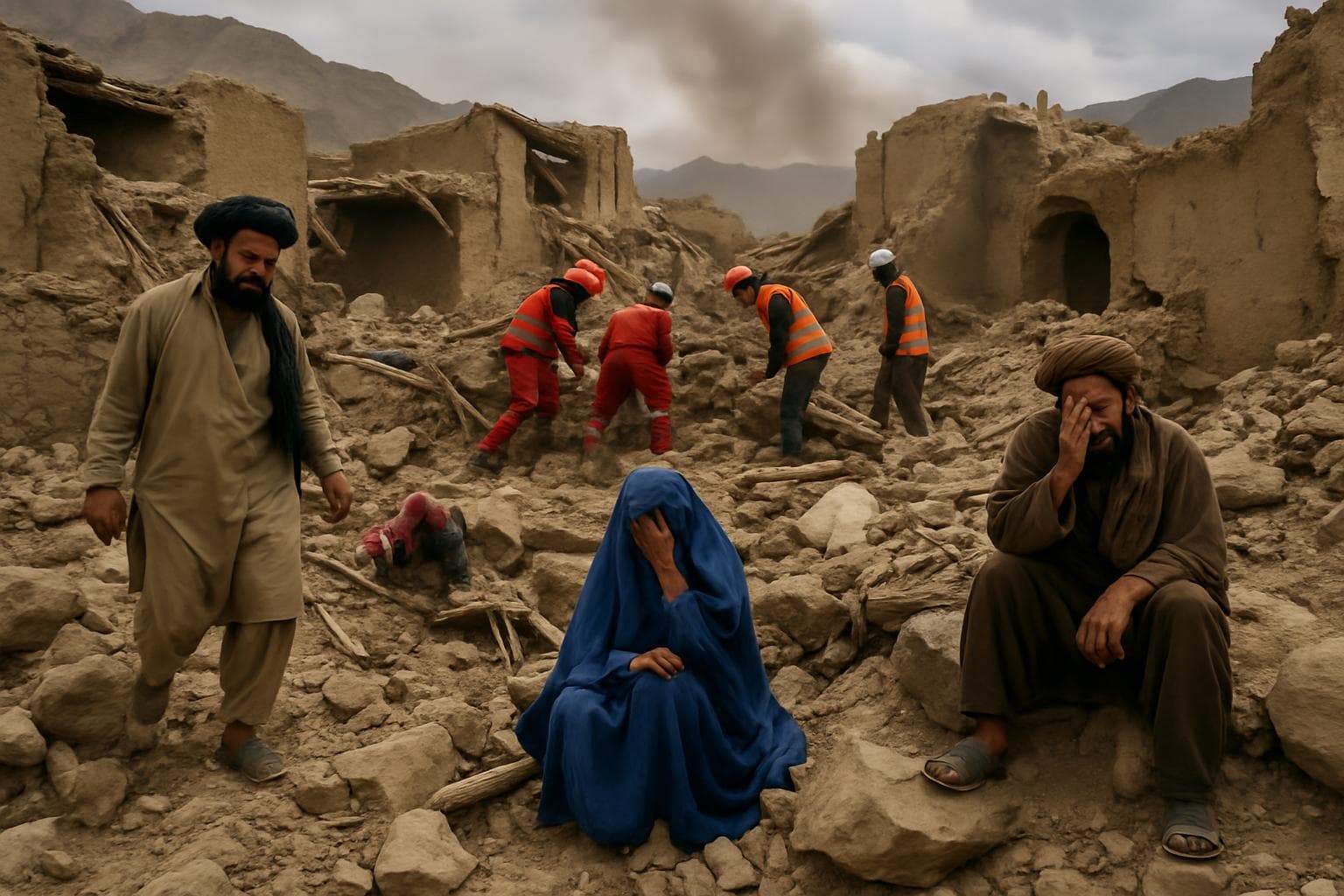
A devastating earthquake measuring 6.0 on the Richter scale struck eastern Afghanistan late Sunday night, leaving at least 800 people dead and thousands more injured. The quake, which hit hardest in the Kunar and Nangarhar provinces, has razed entire villages to the ground, with the death toll expected to rise as rescue efforts continue.
Scenes of Destruction and Loss
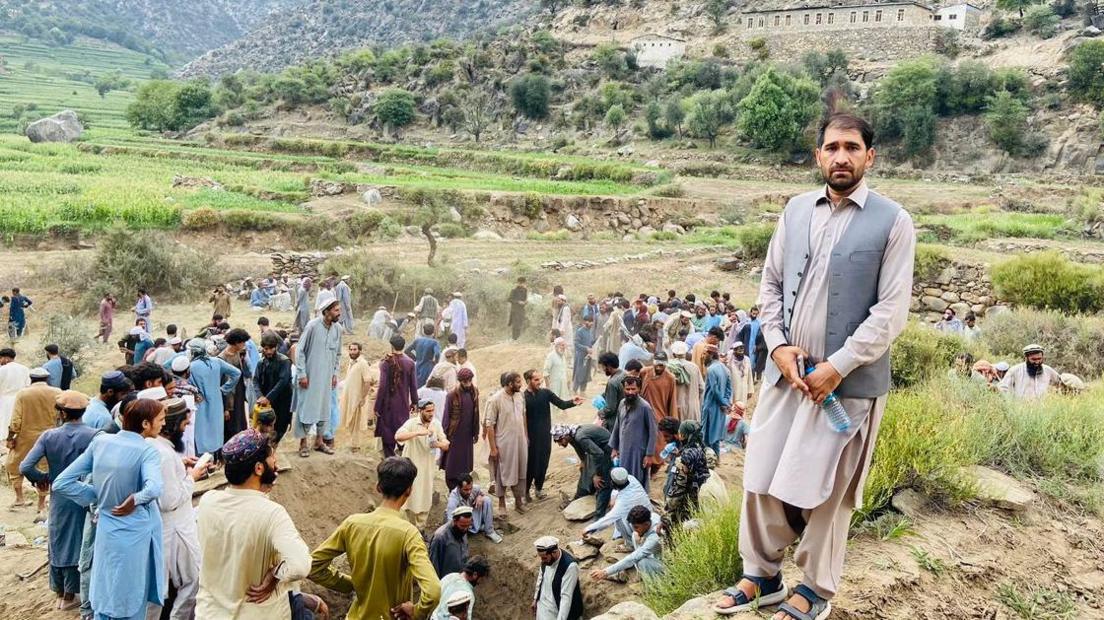
In the remote village of Asadabad, Matiullah Shahab, a freelance journalist and human rights activist, recounted the terrifying moments when the quake struck. "We were all afraid," he said, describing how his family of 23 ran out of their home to escape the collapsing walls. The next morning, Shahab traveled to the epicenter, where he witnessed the harrowing aftermath: children being treated in the streets and bodies being pulled from the rubble. "The villages I visited were destroyed," he reported.
Hameed Jan, a resident of Piran village, narrowly escaped death when his house collapsed around him. "I managed to rescue two of my children," he said, but tragically lost his wife, two sons, and two brothers. The quake's impact was exacerbated by the region's poverty, with many homes made of mud offering little protection.
Challenges in Rescue Efforts
The Taliban, who have governed Afghanistan since the fall of the internationally recognized government, face significant challenges in their rescue operations. Blocked roads and the mountainous terrain have made many areas inaccessible, forcing reliance on helicopters to deliver aid. Despite these efforts, many villagers remain trapped under debris, and the lack of resources has drawn criticism from survivors and local leaders.
Abdul Rahim, a cleric in Kunar, described the overwhelming grief as graveyards overflowed with the dead. "Everywhere people are crying and embracing one another following a mass funeral," he said.
Calls for International Aid
The scale of the disaster has highlighted the need for international assistance. With local hospitals overwhelmed and resources stretched thin, the humanitarian crisis continues to deepen. As the region grapples with the aftermath, the international community is urged to provide aid to support the beleaguered rescue efforts and help rebuild the devastated communities.
WHAT THIS MIGHT MEAN
The immediate focus remains on rescue and relief operations, but the long-term implications of the earthquake are profound. The Taliban's ability to manage such a large-scale humanitarian crisis is under scrutiny, potentially affecting their governance and international relations. As the death toll rises, pressure mounts for increased international aid and cooperation to address the urgent needs of the affected populations. The disaster underscores the vulnerability of Afghanistan's infrastructure and the critical need for sustainable development and disaster preparedness in the region.
Images from the Web
Related Articles
Pakistan's Airstrikes on Afghanistan Escalate Cross-Border Tensions
US Pledges $2 Billion in Humanitarian Aid Amidst Funding Cuts

US Immigration Policy Tightens Amid National Security Concerns

Prince Andrew Under Scrutiny for Alleged Breach of Confidentiality in Epstein Scandal
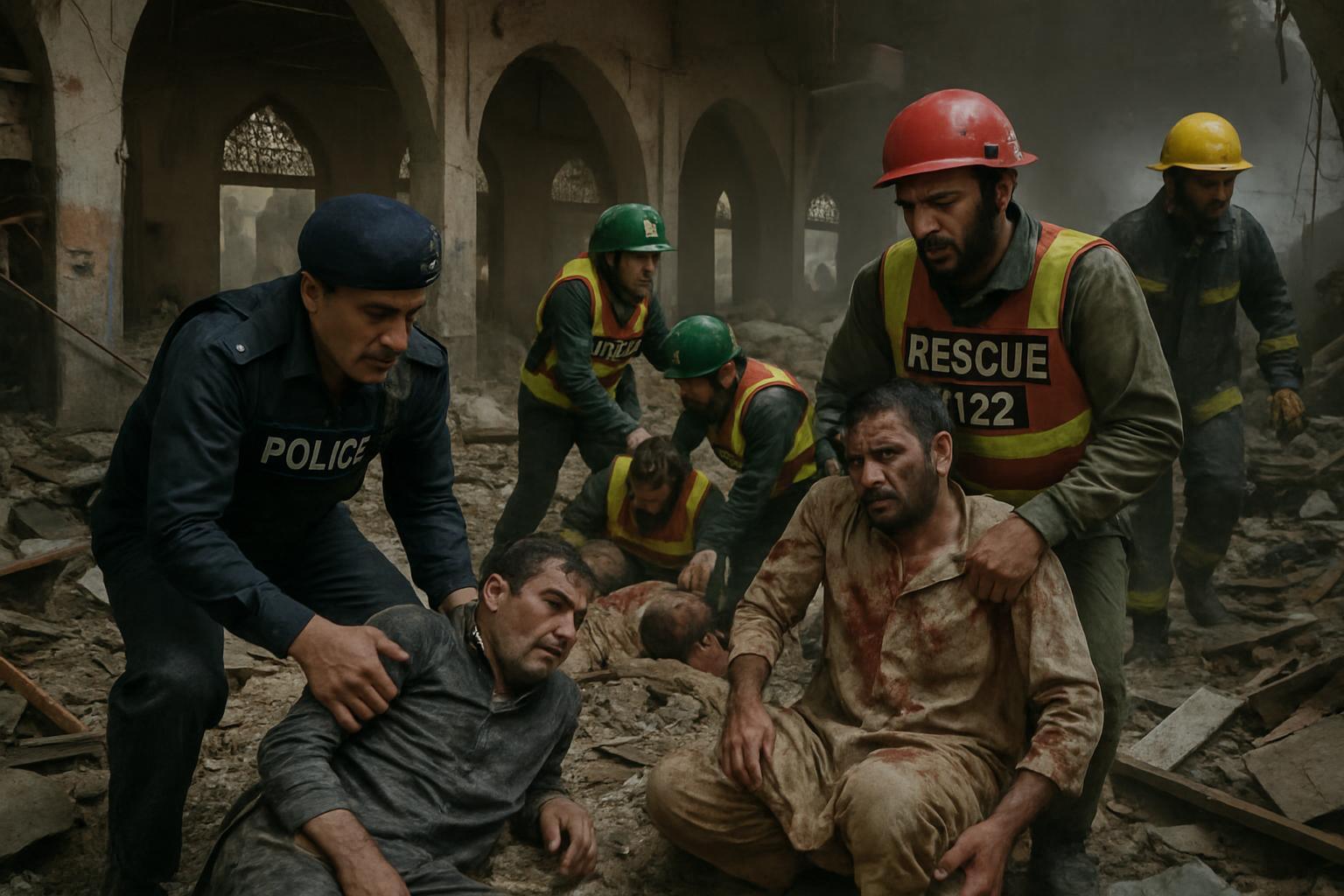
Deadly Suicide Bombing at Islamabad Mosque Claims Over 30 Lives

Trump's NATO Comments Ignite Backlash from Veterans and Allies
Afghanistan Earthquake Leaves Hundreds Dead and Villages in Ruins
In This Article
 James Okoro| Published
 HIGHLIGHTS
- A 6.0 magnitude earthquake struck eastern Afghanistan, killing at least 800 people, with the death toll expected to rise.
- The worst-hit areas include the Kunar and Nangarhar provinces, where entire villages have been reduced to rubble.
- Rescue efforts are hampered by blocked roads and difficult terrain, with the Taliban relying on helicopters for aid delivery.
- Survivors describe scenes of devastation, with many families losing multiple members and graveyards overflowing.
- Criticism mounts over the Taliban's ability to manage the humanitarian crisis, with calls for more international aid.
A devastating earthquake measuring 6.0 on the Richter scale struck eastern Afghanistan late Sunday night, leaving at least 800 people dead and thousands more injured. The quake, which hit hardest in the Kunar and Nangarhar provinces, has razed entire villages to the ground, with the death toll expected to rise as rescue efforts continue.
Scenes of Destruction and Loss
In the remote village of Asadabad, Matiullah Shahab, a freelance journalist and human rights activist, recounted the terrifying moments when the quake struck. "We were all afraid," he said, describing how his family of 23 ran out of their home to escape the collapsing walls. The next morning, Shahab traveled to the epicenter, where he witnessed the harrowing aftermath: children being treated in the streets and bodies being pulled from the rubble. "The villages I visited were destroyed," he reported.
Hameed Jan, a resident of Piran village, narrowly escaped death when his house collapsed around him. "I managed to rescue two of my children," he said, but tragically lost his wife, two sons, and two brothers. The quake's impact was exacerbated by the region's poverty, with many homes made of mud offering little protection.
Challenges in Rescue Efforts
The Taliban, who have governed Afghanistan since the fall of the internationally recognized government, face significant challenges in their rescue operations. Blocked roads and the mountainous terrain have made many areas inaccessible, forcing reliance on helicopters to deliver aid. Despite these efforts, many villagers remain trapped under debris, and the lack of resources has drawn criticism from survivors and local leaders.
Abdul Rahim, a cleric in Kunar, described the overwhelming grief as graveyards overflowed with the dead. "Everywhere people are crying and embracing one another following a mass funeral," he said.
Calls for International Aid
The scale of the disaster has highlighted the need for international assistance. With local hospitals overwhelmed and resources stretched thin, the humanitarian crisis continues to deepen. As the region grapples with the aftermath, the international community is urged to provide aid to support the beleaguered rescue efforts and help rebuild the devastated communities.
WHAT THIS MIGHT MEAN
The immediate focus remains on rescue and relief operations, but the long-term implications of the earthquake are profound. The Taliban's ability to manage such a large-scale humanitarian crisis is under scrutiny, potentially affecting their governance and international relations. As the death toll rises, pressure mounts for increased international aid and cooperation to address the urgent needs of the affected populations. The disaster underscores the vulnerability of Afghanistan's infrastructure and the critical need for sustainable development and disaster preparedness in the region.
Images from the Web
Related Articles
Pakistan's Airstrikes on Afghanistan Escalate Cross-Border Tensions
US Pledges $2 Billion in Humanitarian Aid Amidst Funding Cuts
US Immigration Policy Tightens Amid National Security Concerns
Prince Andrew Under Scrutiny for Alleged Breach of Confidentiality in Epstein Scandal
Deadly Suicide Bombing at Islamabad Mosque Claims Over 30 Lives
Trump's NATO Comments Ignite Backlash from Veterans and Allies