
AI-Generated Hit Sparks Controversy in Swedish Music Industry
In This Article
HIGHLIGHTS
- A song by AI artist Jacub, titled "I Know, You're Not Mine," has been banned from Sweden's official music charts due to its AI origins.
- The track topped Spotify's Swedish Top 50 with over five million streams, sparking debate on AI's role in music creation.
- IFPI Sweden blocked the song from Sverigetopplistan, citing rules against predominantly AI-generated music.
- The song's creators, Team Jacub, argue that AI was merely a tool in a human-led creative process.
- Sweden is exploring AI's impact on the music industry, with concerns about potential revenue losses for traditional artists.
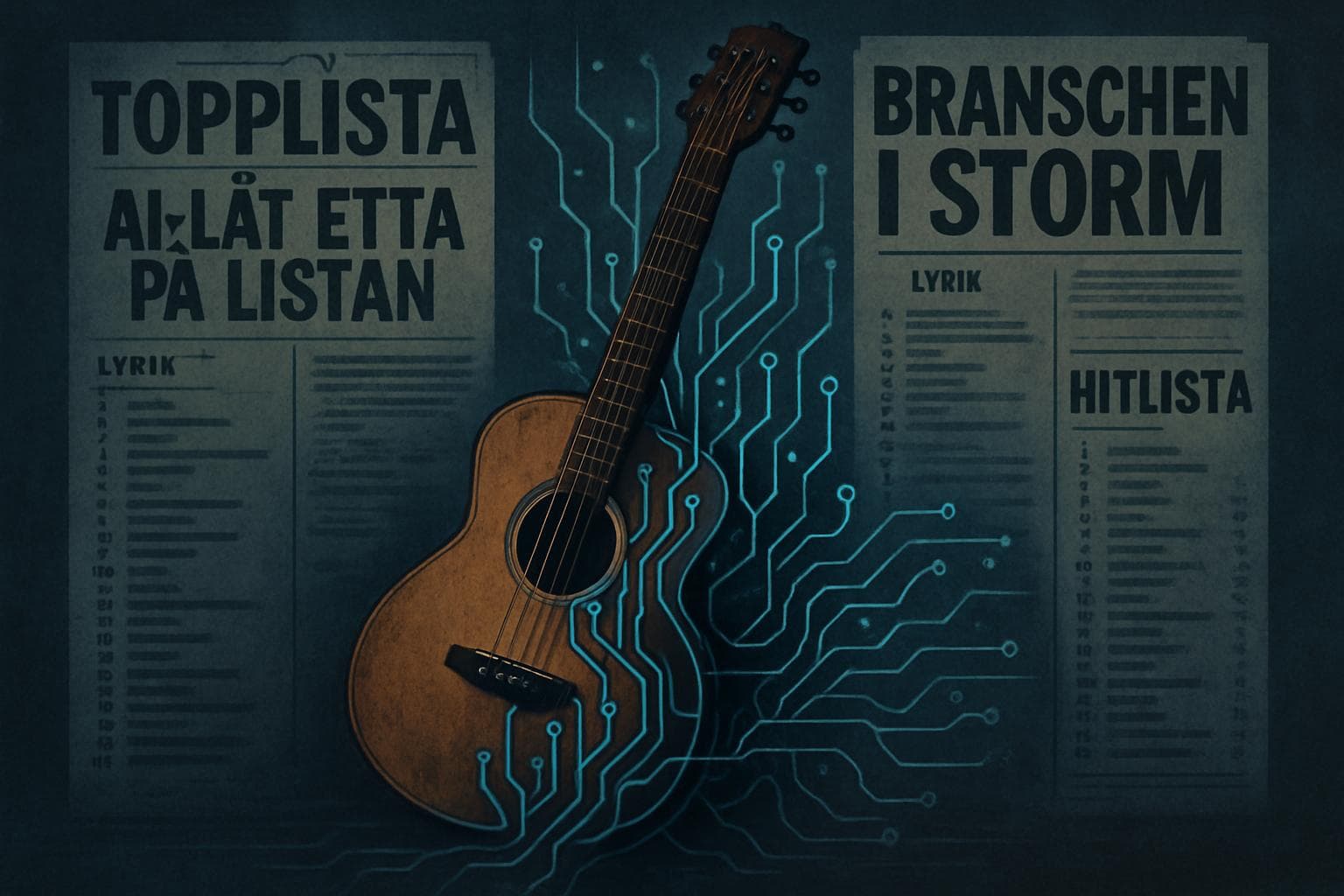
A folk-pop song that has captivated millions of listeners in Sweden has been barred from the country's official music charts due to its artificial intelligence (AI) origins. The track, "I Know, You're Not Mine" by the digital artist Jacub, has amassed over five million streams on Spotify, making it the most popular song in Sweden for 2026. However, the Swedish music industry body, IFPI Sweden, has excluded it from the Sverigetopplistan, the nation's official chart.
AI and Music: A New Frontier
The song, characterized by its melancholic lyrics and acoustic guitar melody, tells a poignant story of lost love. Despite its success, investigative journalist Emanuel Karlsten revealed that Jacub is not a traditional artist but a creation of Stellar Music, a Danish music publishing firm. Two of the song's credited rights holders are part of Stellar's AI department, raising questions about the role of AI in music production.
Industry Response and Ethical Concerns
Ludvig Werner, head of IFPI Sweden, stated, "Our rule is that if it is a song that is mainly AI-generated, it does not have the right to be on the top list." This decision reflects broader concerns within the Swedish music industry about AI's potential to disrupt traditional revenue streams. The music rights society, Svenska Tonsättares Internationella Musikbyrå (STIM), has already launched a licensing system to address these challenges.
Creators Defend Their Process
In response to the controversy, Team Jacub, the creators behind the song, emphasized that AI was used as a tool within a human-controlled creative process. "We are not an anonymous tech company that just 'pressed a button,'" they stated, highlighting their investment of time, care, and resources. They argue that the song's success is a testament to its artistic value, despite its AI-assisted origins.
WHAT THIS MIGHT MEAN
The exclusion of "I Know, You're Not Mine" from Sweden's official charts highlights the growing tension between traditional music creation and AI-generated content. As AI technology continues to evolve, the music industry may face increased pressure to adapt its regulations and licensing systems. Experts suggest that clearer guidelines on AI's role in music production could help balance innovation with the protection of artists' rights. Additionally, the debate may prompt further exploration of how AI can be integrated into creative processes without undermining human artistry.
Related Articles
UK and Allies Accuse Russia of Killing Navalny with Dart Frog Toxin
Oatly Loses UK Supreme Court Battle Over 'Milk' Trademark

UK to Double Troop Presence in Norway Amid Rising Arctic Tensions
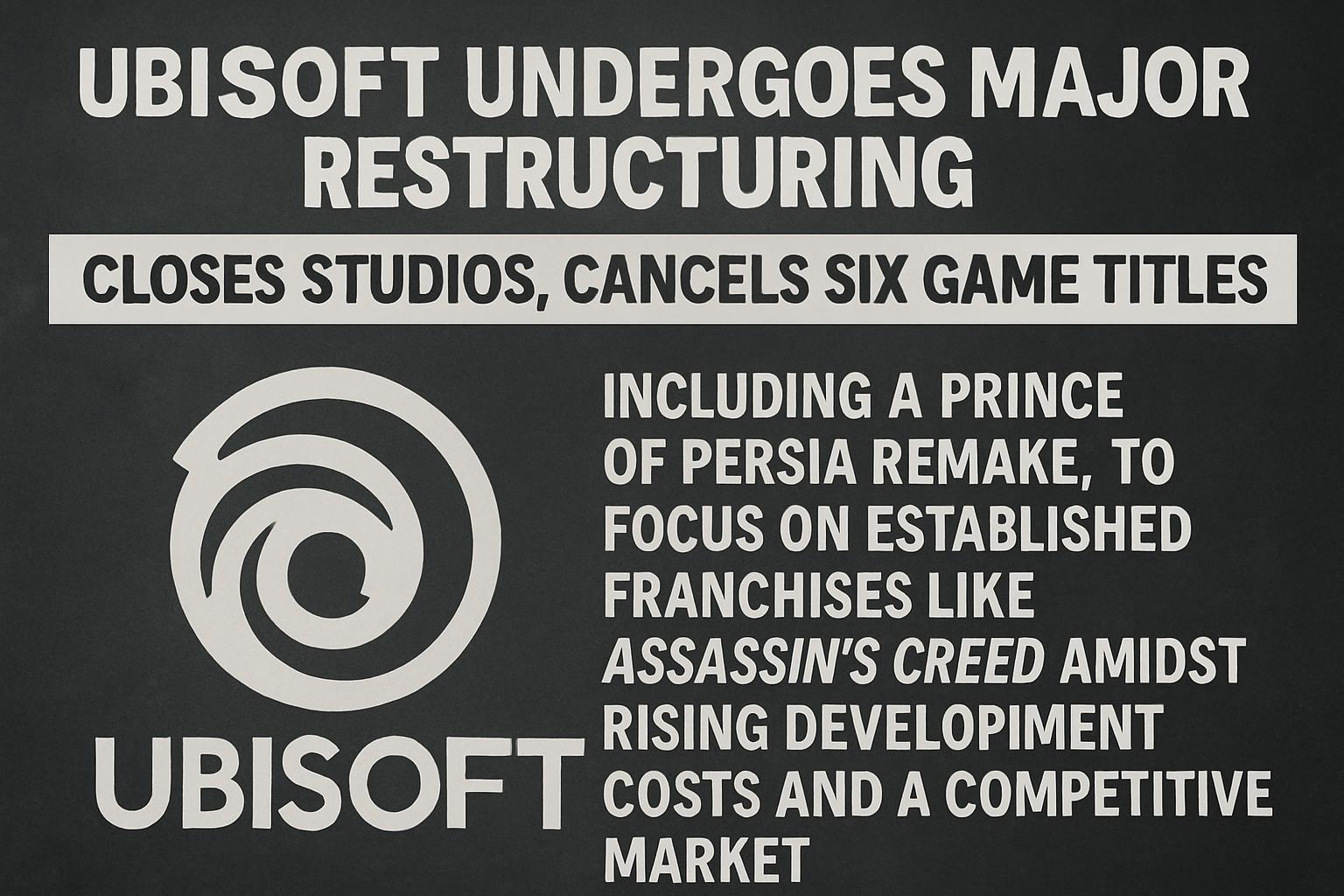
Ubisoft Restructures Amidst Gaming Industry Challenges, Cancels Six Titles
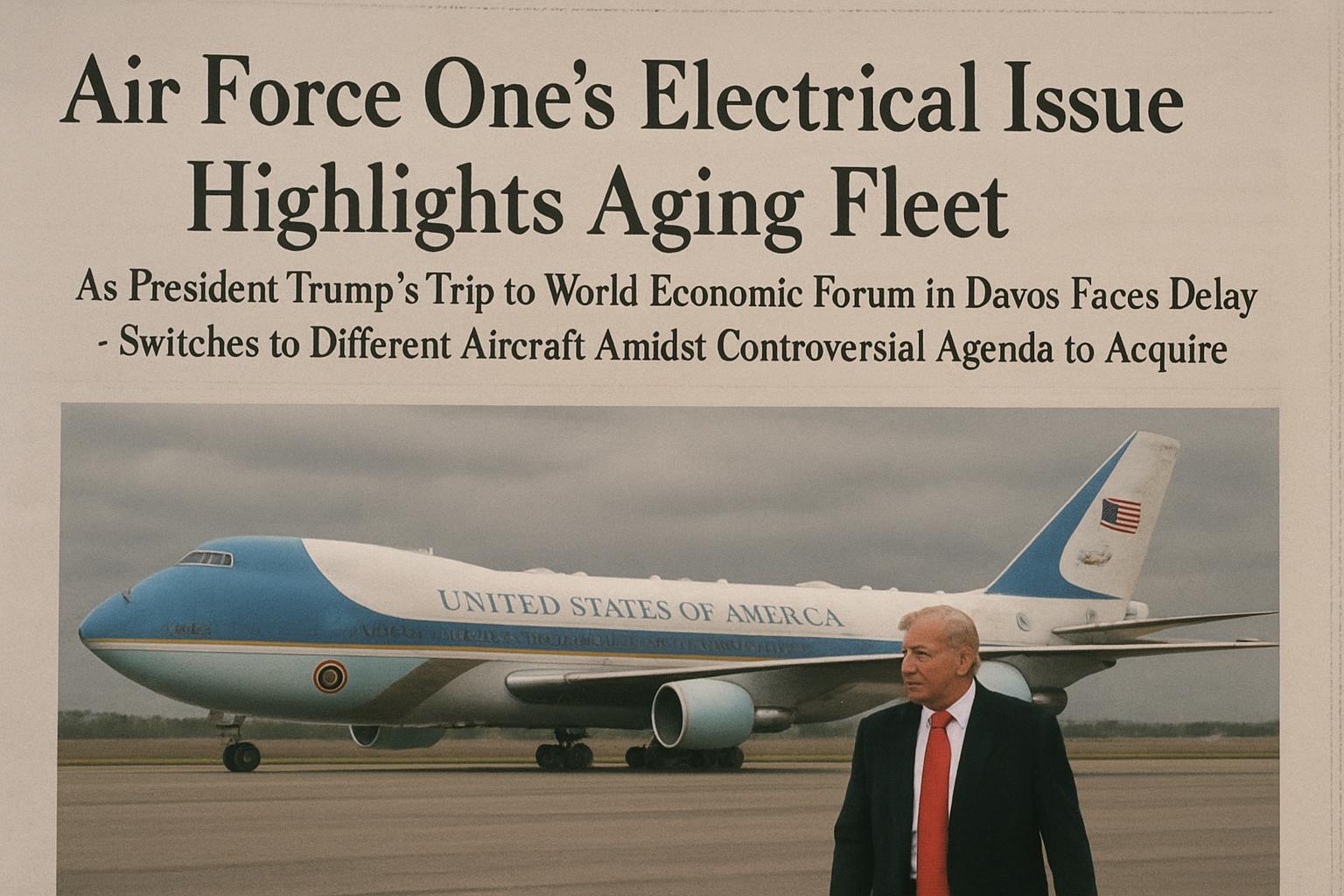
Air Force One's Electrical Issue Delays Trump's Davos Visit

EU Weighs Response to Trump's Greenland Tariff Threats Amid Trade Tensions
AI-Generated Hit Sparks Controversy in Swedish Music Industry
In This Article
 Himanshu Kaushik| Published
 HIGHLIGHTS
- A song by AI artist Jacub, titled "I Know, You're Not Mine," has been banned from Sweden's official music charts due to its AI origins.
- The track topped Spotify's Swedish Top 50 with over five million streams, sparking debate on AI's role in music creation.
- IFPI Sweden blocked the song from Sverigetopplistan, citing rules against predominantly AI-generated music.
- The song's creators, Team Jacub, argue that AI was merely a tool in a human-led creative process.
- Sweden is exploring AI's impact on the music industry, with concerns about potential revenue losses for traditional artists.
A folk-pop song that has captivated millions of listeners in Sweden has been barred from the country's official music charts due to its artificial intelligence (AI) origins. The track, "I Know, You're Not Mine" by the digital artist Jacub, has amassed over five million streams on Spotify, making it the most popular song in Sweden for 2026. However, the Swedish music industry body, IFPI Sweden, has excluded it from the Sverigetopplistan, the nation's official chart.
AI and Music: A New Frontier
The song, characterized by its melancholic lyrics and acoustic guitar melody, tells a poignant story of lost love. Despite its success, investigative journalist Emanuel Karlsten revealed that Jacub is not a traditional artist but a creation of Stellar Music, a Danish music publishing firm. Two of the song's credited rights holders are part of Stellar's AI department, raising questions about the role of AI in music production.
Industry Response and Ethical Concerns
Ludvig Werner, head of IFPI Sweden, stated, "Our rule is that if it is a song that is mainly AI-generated, it does not have the right to be on the top list." This decision reflects broader concerns within the Swedish music industry about AI's potential to disrupt traditional revenue streams. The music rights society, Svenska Tonsättares Internationella Musikbyrå (STIM), has already launched a licensing system to address these challenges.
Creators Defend Their Process
In response to the controversy, Team Jacub, the creators behind the song, emphasized that AI was used as a tool within a human-controlled creative process. "We are not an anonymous tech company that just 'pressed a button,'" they stated, highlighting their investment of time, care, and resources. They argue that the song's success is a testament to its artistic value, despite its AI-assisted origins.
WHAT THIS MIGHT MEAN
The exclusion of "I Know, You're Not Mine" from Sweden's official charts highlights the growing tension between traditional music creation and AI-generated content. As AI technology continues to evolve, the music industry may face increased pressure to adapt its regulations and licensing systems. Experts suggest that clearer guidelines on AI's role in music production could help balance innovation with the protection of artists' rights. Additionally, the debate may prompt further exploration of how AI can be integrated into creative processes without undermining human artistry.
Related Articles
UK and Allies Accuse Russia of Killing Navalny with Dart Frog Toxin
Oatly Loses UK Supreme Court Battle Over 'Milk' Trademark
UK to Double Troop Presence in Norway Amid Rising Arctic Tensions
Ubisoft Restructures Amidst Gaming Industry Challenges, Cancels Six Titles
Air Force One's Electrical Issue Delays Trump's Davos Visit
EU Weighs Response to Trump's Greenland Tariff Threats Amid Trade Tensions