
Ubisoft Restructures Amidst Gaming Industry Challenges, Cancels Six Titles
In This Article
HIGHLIGHTS
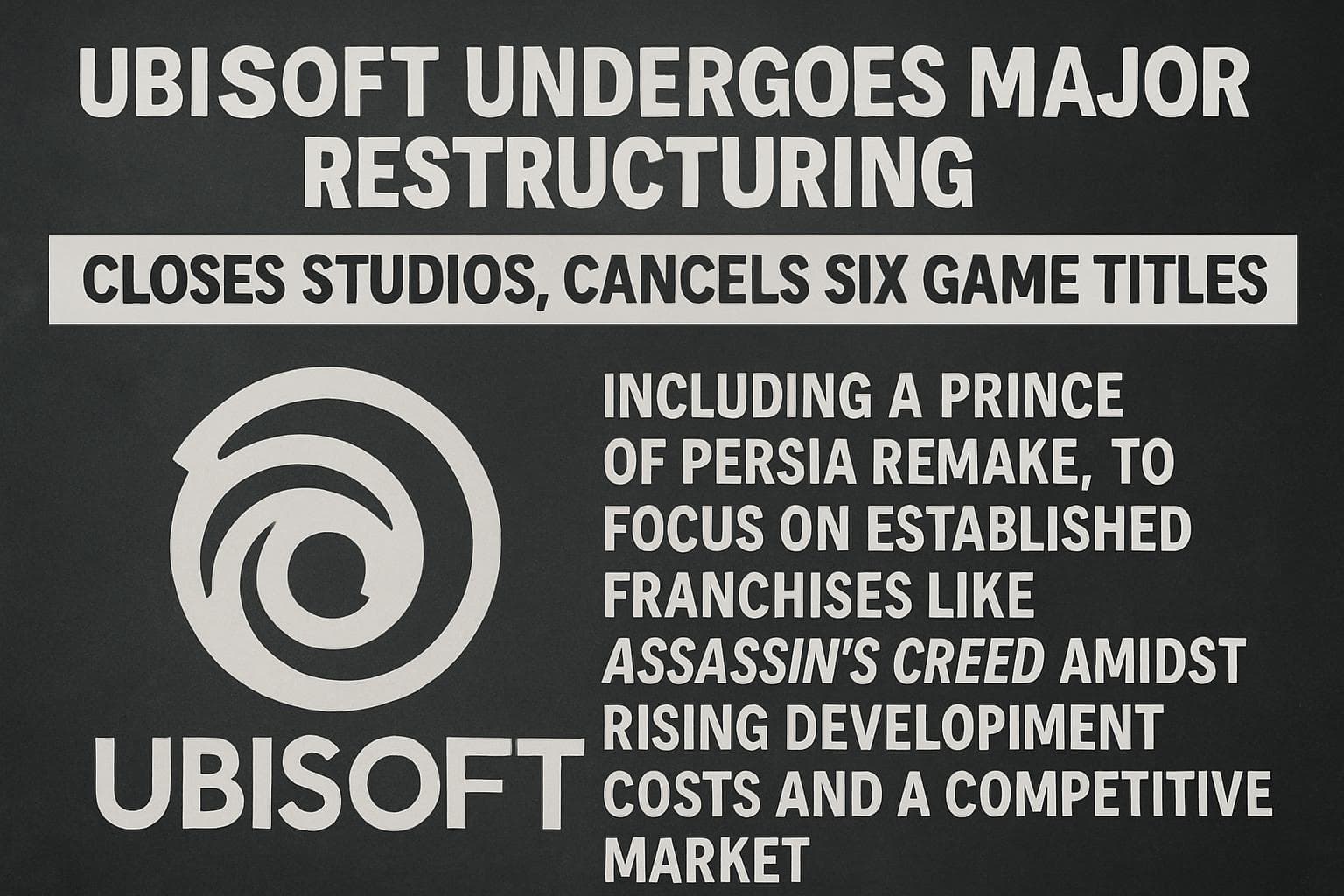
- Ubisoft has cancelled six video games, including the anticipated Prince of Persia remake, as part of a major operational reset.
- The company announced the closure of studios in Stockholm and Halifax, with restructuring plans for other locations.
- Ubisoft's shares dropped by 33% following the announcement, reaching their lowest level in over a decade.
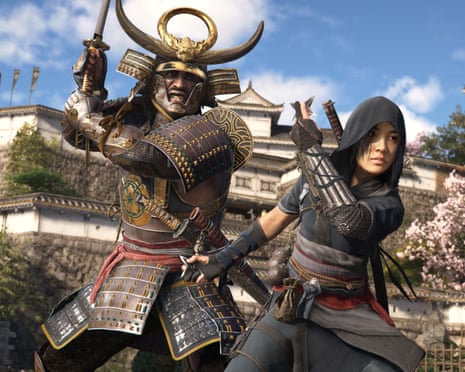
- The restructuring aims to focus on existing franchises like Assassin's Creed amid rising development costs in the AAA games market.
- Industry experts suggest the move reflects a strategy to mitigate risks by investing in established franchises rather than new intellectual properties.
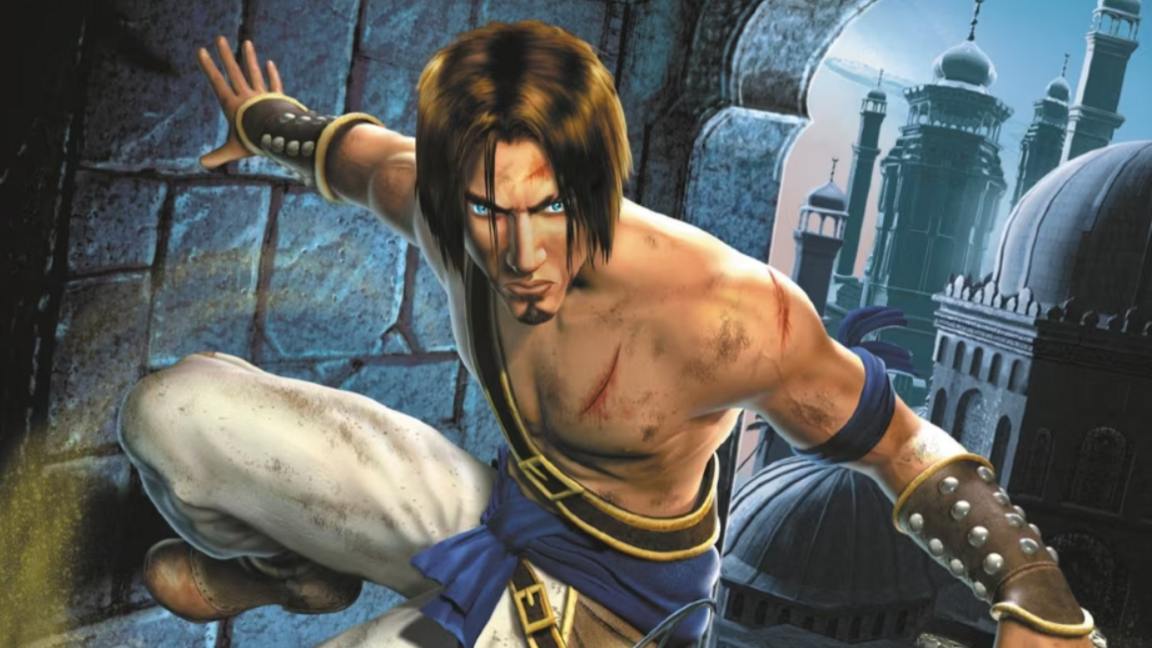
Ubisoft, the renowned video game publisher behind popular franchises such as Assassin's Creed and Far Cry, has announced a significant restructuring of its operations, resulting in the cancellation of six video games, including the much-anticipated remake of Prince of Persia: The Sands of Time. This strategic move comes as the company seeks to navigate the increasingly competitive landscape of the video game industry.
Studio Closures and Game Cancellations
As part of this overhaul, Ubisoft will close its studios in Stockholm, Sweden, and Halifax, Canada. The decision affects projects that were in development, including a new intellectual property and mobile titles for the Assassin's Creed franchise. The company has also delayed seven other titles, reflecting a broader strategy to streamline operations and focus on established franchises.
Ubisoft's CEO, Yves Guillemot, emphasized the necessity of these changes to ensure long-term sustainability. "While these decisions are difficult, they are necessary for us to build a more focused, efficient, and sustainable organization," Guillemot stated. The closures and cancellations are part of a "major reset" aimed at creating conditions for sustainable growth.
Financial Impact and Market Strategy
Following the announcement, Ubisoft's shares plummeted by 33%, marking their lowest point since 2011. The company's valuation now stands at €590 million, a stark contrast to its peak of over €10 billion in the previous decade. This financial downturn underscores the challenges faced by Ubisoft in a market dominated by high-budget AAA games.
The restructuring includes plans to divide operations into five creative divisions organized by genre, a move intended to sharpen focus and reduce costs. Guillemot acknowledged the rising development costs and the competitive nature of the AAA games market, noting that successful blockbuster games still hold significant financial potential.
Industry Insights and Future Prospects
Industry analysts suggest that Ubisoft's decision to cancel new intellectual properties in favor of established franchises like Assassin's Creed and Rainbow Six is a strategic effort to mitigate risks. Piers Harding-Rolls, a gaming industry analyst, noted that maintaining scale by investing in existing big franchises is less risky than launching entirely new IPs.
Laurent Michaud, a gaming industry economist, highlighted the shift in gamer expectations over the years, with a current preference for shooters and multiplayer games. Despite Ubisoft's strong portfolio of intellectual properties, the company must adapt to changing tastes to remain competitive.
WHAT THIS MIGHT MEAN
Looking ahead, Ubisoft's restructuring could set a precedent for other gaming companies facing similar challenges in the AAA market. The focus on established franchises may provide a stable revenue stream, but the company will need to innovate within these series to keep players engaged. As development costs continue to rise, Ubisoft's ability to balance financial sustainability with creative innovation will be crucial.
The closure of studios and cancellation of projects may also impact the broader gaming industry, potentially leading to a reevaluation of strategies among other developers. As the market evolves, Ubisoft's approach could influence how companies navigate the balance between risk and reward in game development.
Images from the Web
Related Articles
Canada and Australia Forge Strategic Partnership Amid Global Uncertainty
Canada Calls for De-escalation Amid US-Israel Strikes on Iran

Violence Erupts Across Mexico Following Death of Drug Lord El Mencho

OpenAI's Missed Warning: Tumbler Ridge Shooting Raises Questions on AI's Role in Violence Prevention
US Supreme Court Ruling on Trump's Tariffs Sparks Trade Policy Uncertainty
Trump's Tariff Strategy Faces Supreme Court Setback, New Measures Announced
Ubisoft Restructures Amidst Gaming Industry Challenges, Cancels Six Titles
In This Article
 Marcus Blake| Published
 HIGHLIGHTS
- Ubisoft has cancelled six video games, including the anticipated Prince of Persia remake, as part of a major operational reset.
- The company announced the closure of studios in Stockholm and Halifax, with restructuring plans for other locations.
- Ubisoft's shares dropped by 33% following the announcement, reaching their lowest level in over a decade.
- The restructuring aims to focus on existing franchises like Assassin's Creed amid rising development costs in the AAA games market.
- Industry experts suggest the move reflects a strategy to mitigate risks by investing in established franchises rather than new intellectual properties.
Ubisoft, the renowned video game publisher behind popular franchises such as Assassin's Creed and Far Cry, has announced a significant restructuring of its operations, resulting in the cancellation of six video games, including the much-anticipated remake of Prince of Persia: The Sands of Time. This strategic move comes as the company seeks to navigate the increasingly competitive landscape of the video game industry.
Studio Closures and Game Cancellations
As part of this overhaul, Ubisoft will close its studios in Stockholm, Sweden, and Halifax, Canada. The decision affects projects that were in development, including a new intellectual property and mobile titles for the Assassin's Creed franchise. The company has also delayed seven other titles, reflecting a broader strategy to streamline operations and focus on established franchises.
Ubisoft's CEO, Yves Guillemot, emphasized the necessity of these changes to ensure long-term sustainability. "While these decisions are difficult, they are necessary for us to build a more focused, efficient, and sustainable organization," Guillemot stated. The closures and cancellations are part of a "major reset" aimed at creating conditions for sustainable growth.
Financial Impact and Market Strategy
Following the announcement, Ubisoft's shares plummeted by 33%, marking their lowest point since 2011. The company's valuation now stands at €590 million, a stark contrast to its peak of over €10 billion in the previous decade. This financial downturn underscores the challenges faced by Ubisoft in a market dominated by high-budget AAA games.
The restructuring includes plans to divide operations into five creative divisions organized by genre, a move intended to sharpen focus and reduce costs. Guillemot acknowledged the rising development costs and the competitive nature of the AAA games market, noting that successful blockbuster games still hold significant financial potential.
Industry Insights and Future Prospects
Industry analysts suggest that Ubisoft's decision to cancel new intellectual properties in favor of established franchises like Assassin's Creed and Rainbow Six is a strategic effort to mitigate risks. Piers Harding-Rolls, a gaming industry analyst, noted that maintaining scale by investing in existing big franchises is less risky than launching entirely new IPs.
Laurent Michaud, a gaming industry economist, highlighted the shift in gamer expectations over the years, with a current preference for shooters and multiplayer games. Despite Ubisoft's strong portfolio of intellectual properties, the company must adapt to changing tastes to remain competitive.
WHAT THIS MIGHT MEAN
Looking ahead, Ubisoft's restructuring could set a precedent for other gaming companies facing similar challenges in the AAA market. The focus on established franchises may provide a stable revenue stream, but the company will need to innovate within these series to keep players engaged. As development costs continue to rise, Ubisoft's ability to balance financial sustainability with creative innovation will be crucial.
The closure of studios and cancellation of projects may also impact the broader gaming industry, potentially leading to a reevaluation of strategies among other developers. As the market evolves, Ubisoft's approach could influence how companies navigate the balance between risk and reward in game development.
Images from the Web
Related Articles
Canada and Australia Forge Strategic Partnership Amid Global Uncertainty
Canada Calls for De-escalation Amid US-Israel Strikes on Iran
Violence Erupts Across Mexico Following Death of Drug Lord El Mencho
OpenAI's Missed Warning: Tumbler Ridge Shooting Raises Questions on AI's Role in Violence Prevention
US Supreme Court Ruling on Trump's Tariffs Sparks Trade Policy Uncertainty
Trump's Tariff Strategy Faces Supreme Court Setback, New Measures Announced