
AI Impersonation of Marco Rubio Sparks Cybersecurity Concerns
In This Article
HIGHLIGHTS
- An imposter used AI to mimic US Secretary of State Marco Rubio, contacting at least five officials, including foreign ministers.
- The State Department is investigating the incident, which involved AI-generated voice messages via the Signal app.
- The scam aimed to access sensitive information, but was deemed unsophisticated and unsuccessful by US officials.
- AI impersonation is a growing threat, with previous incidents involving other US government figures.
- The State Department is enhancing its cybersecurity measures to prevent future AI-related scams.
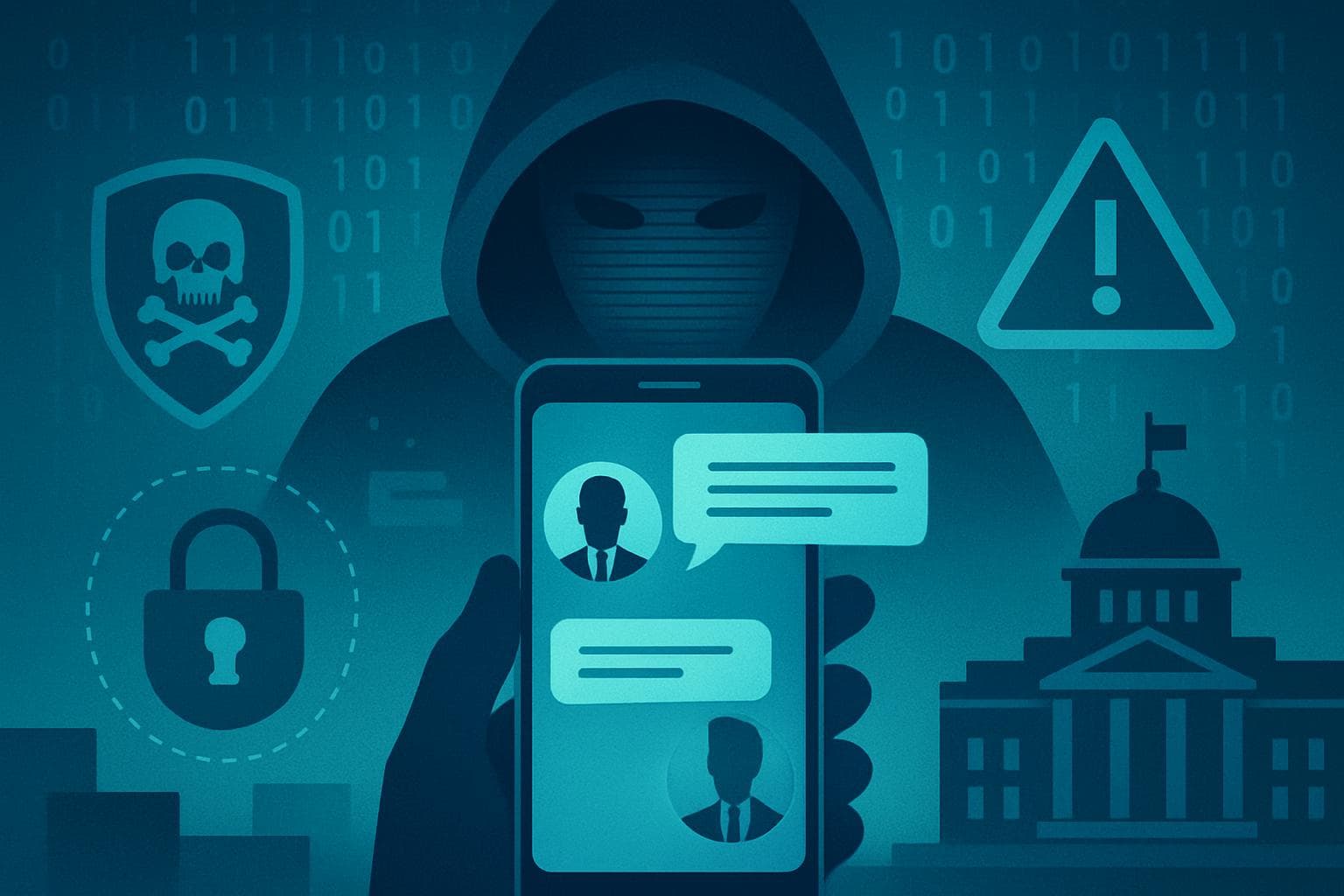
In a concerning development highlighting the growing threat of AI impersonation, an unknown fraudster used artificial intelligence to mimic the voice of US Secretary of State Marco Rubio. The imposter contacted at least five senior officials, including three foreign ministers, a US governor, and a member of Congress, through the Signal messaging app. This incident, first reported by the Washington Post and confirmed by the Guardian, underscores the vulnerabilities posed by AI technology in the realm of cybersecurity.
Details of the Incident
According to a State Department cable dated July 3, the imposter created a false Signal account in mid-June, using the display name marco.rubio@state.gov. The individual left AI-generated voicemails for at least two targets and sent text messages inviting others to communicate on the platform. The cable, obtained by CBS News, did not disclose the content of these messages or the identities of the contacted officials.
State Department's Response
The State Department has acknowledged the incident and is actively investigating the matter. A senior official emphasized the department's commitment to safeguarding its information and continuously improving its cybersecurity posture. "For security reasons, and due to our ongoing investigation, we are not in a position to offer further details at this time," the official stated.
Growing Threat of AI Scams
AI impersonation has become increasingly common, with previous incidents involving other US government figures. David Axelrod, a former senior adviser to Barack Obama, highlighted the urgency of addressing this threat. "This is the new world in which we live, and we’d better figure out how to defend against it because of its implications for our democracy and the world," Axelrod wrote on social media platform X.
Implications for Cybersecurity
While the recent scam was deemed unsophisticated and unsuccessful, it serves as a stark reminder of the potential risks posed by AI technology. The State Department is taking steps to bolster its cybersecurity defenses to prevent future incidents of this nature.
WHAT THIS MIGHT MEAN
The incident involving the AI impersonation of Marco Rubio raises significant concerns about the security of government communications. As AI technology continues to advance, the potential for more sophisticated scams targeting high-level officials increases. Experts warn that without robust cybersecurity measures, such incidents could compromise sensitive information and pose threats to national security.
Moving forward, government agencies may need to invest in advanced AI detection tools and enhance training for officials to recognize and respond to such threats. The incident also underscores the importance of international cooperation in addressing the global challenge of AI-related cybersecurity threats. As the investigation unfolds, it may prompt legislative discussions on regulating AI technology to prevent misuse and protect democratic institutions.
Related Articles

Senate Blocks Resolution to Limit Trump's Military Actions in Iran

Trump to Direct Release of Pentagon UFO Files Amid Renewed Interest

Geneva Peace Talks: Russia and Ukraine Seek Resolution Amid Ongoing Conflict

Marco Rubio Highlights New Geopolitical Era at Munich Security Conference Amid Rising Tensions

Washington Post CEO Resigns Amidst Controversial Layoffs

Jesse Jackson: A Legacy of Civil Rights Leadership and Global Impact
AI Impersonation of Marco Rubio Sparks Cybersecurity Concerns
In This Article
 Ethan Brooks| Published
 HIGHLIGHTS
- An imposter used AI to mimic US Secretary of State Marco Rubio, contacting at least five officials, including foreign ministers.
- The State Department is investigating the incident, which involved AI-generated voice messages via the Signal app.
- The scam aimed to access sensitive information, but was deemed unsophisticated and unsuccessful by US officials.
- AI impersonation is a growing threat, with previous incidents involving other US government figures.
- The State Department is enhancing its cybersecurity measures to prevent future AI-related scams.
In a concerning development highlighting the growing threat of AI impersonation, an unknown fraudster used artificial intelligence to mimic the voice of US Secretary of State Marco Rubio. The imposter contacted at least five senior officials, including three foreign ministers, a US governor, and a member of Congress, through the Signal messaging app. This incident, first reported by the Washington Post and confirmed by the Guardian, underscores the vulnerabilities posed by AI technology in the realm of cybersecurity.
Details of the Incident
According to a State Department cable dated July 3, the imposter created a false Signal account in mid-June, using the display name marco.rubio@state.gov. The individual left AI-generated voicemails for at least two targets and sent text messages inviting others to communicate on the platform. The cable, obtained by CBS News, did not disclose the content of these messages or the identities of the contacted officials.
State Department's Response
The State Department has acknowledged the incident and is actively investigating the matter. A senior official emphasized the department's commitment to safeguarding its information and continuously improving its cybersecurity posture. "For security reasons, and due to our ongoing investigation, we are not in a position to offer further details at this time," the official stated.
Growing Threat of AI Scams
AI impersonation has become increasingly common, with previous incidents involving other US government figures. David Axelrod, a former senior adviser to Barack Obama, highlighted the urgency of addressing this threat. "This is the new world in which we live, and we’d better figure out how to defend against it because of its implications for our democracy and the world," Axelrod wrote on social media platform X.
Implications for Cybersecurity
While the recent scam was deemed unsophisticated and unsuccessful, it serves as a stark reminder of the potential risks posed by AI technology. The State Department is taking steps to bolster its cybersecurity defenses to prevent future incidents of this nature.
WHAT THIS MIGHT MEAN
The incident involving the AI impersonation of Marco Rubio raises significant concerns about the security of government communications. As AI technology continues to advance, the potential for more sophisticated scams targeting high-level officials increases. Experts warn that without robust cybersecurity measures, such incidents could compromise sensitive information and pose threats to national security.
Moving forward, government agencies may need to invest in advanced AI detection tools and enhance training for officials to recognize and respond to such threats. The incident also underscores the importance of international cooperation in addressing the global challenge of AI-related cybersecurity threats. As the investigation unfolds, it may prompt legislative discussions on regulating AI technology to prevent misuse and protect democratic institutions.
Related Articles
Senate Blocks Resolution to Limit Trump's Military Actions in Iran
Trump to Direct Release of Pentagon UFO Files Amid Renewed Interest
Geneva Peace Talks: Russia and Ukraine Seek Resolution Amid Ongoing Conflict
Marco Rubio Highlights New Geopolitical Era at Munich Security Conference Amid Rising Tensions
Washington Post CEO Resigns Amidst Controversial Layoffs
Jesse Jackson: A Legacy of Civil Rights Leadership and Global Impact