
Washington Post CEO Resigns Amidst Controversial Layoffs

In This Article
HIGHLIGHTS
- Washington Post CEO Will Lewis resigns following mass layoffs affecting nearly a third of the staff.
- The layoffs, including the entire Middle East team, have sparked criticism of owner Jeff Bezos.
- Jeff D'Onofrio steps in as acting CEO amid ongoing financial challenges for the newspaper.
- The Post's decision not to endorse a presidential candidate in 2024 led to subscriber losses.
- Bezos emphasizes the Post's journalistic mission despite recent upheavals.
In a significant leadership shake-up, Will Lewis, the chief executive of the Washington Post, has announced his resignation just days after the newspaper implemented sweeping staff cuts. The layoffs, which affected nearly one-third of the workforce, have drawn widespread criticism, particularly towards the paper's owner, Jeff Bezos.
Leadership Transition Amid Financial Struggles
The Washington Post's decision to reduce its workforce by approximately 300 employees, including its entire Middle East bureau and Kyiv correspondent, has been met with backlash from both within and outside the organization. The cuts are part of a broader strategy to address financial losses and reposition the publication in a challenging media landscape. Jeff D'Onofrio, who joined the Post as chief financial officer last year, will assume the role of acting publisher and CEO. In a memo to staff, D'Onofrio expressed confidence in steering the newspaper towards a sustainable future, emphasizing the strength of its journalism as a guiding principle.
Criticism and Controversy Surrounding Bezos
The layoffs have intensified scrutiny of Jeff Bezos's stewardship of the Washington Post. Since acquiring the newspaper in 2013, Bezos has faced criticism for various editorial decisions, including the controversial move not to endorse a presidential candidate in the 2024 election—a departure from the Post's longstanding tradition. This decision reportedly led to a significant loss of subscribers, further compounding the newspaper's financial challenges.
A Vision for the Future
Despite the recent turmoil, Bezos remains optimistic about the Post's future. In a statement, he highlighted the publication's essential journalistic mission and the opportunities ahead. Executive editor Matt Murray defended Lewis's leadership, noting his close involvement in the decision-making process. As the Washington Post navigates this period of transition, its leadership remains focused on maintaining its reputation for high-quality, nonpartisan news.
WHAT THIS MIGHT MEAN
The resignation of Will Lewis and the subsequent leadership transition at the Washington Post could have far-reaching implications for the newspaper's future. With Jeff D'Onofrio at the helm, the focus will likely be on stabilizing the publication's finances while preserving its journalistic integrity. The recent layoffs and editorial decisions may continue to affect the newspaper's reputation and subscriber base, potentially prompting further strategic adjustments.
As the media industry grapples with economic headwinds, the Washington Post's ability to adapt and innovate will be crucial. The leadership team will need to balance financial sustainability with the core values of journalism to navigate these challenges successfully. Observers will be keenly watching how the Post's new leadership addresses these issues and whether it can restore confidence among its staff and readership.
Related Articles

Intensified US-Israel Strikes on Iran Spark Global Outcry
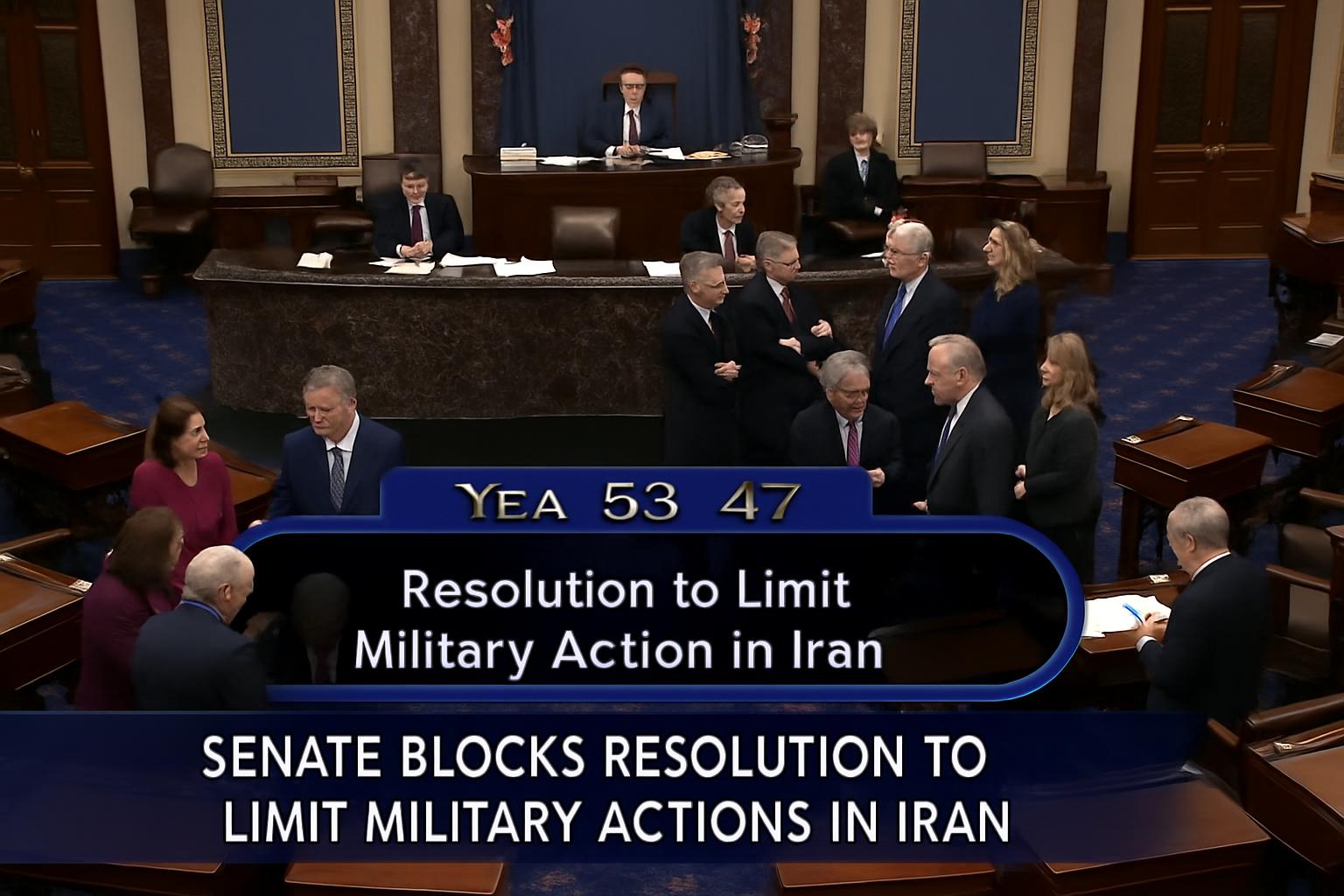
Senate Blocks Resolution to Limit Trump's Military Actions in Iran
Spain's Sánchez Stands Firm Against Trump's Trade Threat Over Iran Stance

US-Iran Tensions Escalate Amid Renewed Nuclear Talks and Protests
Rising Tensions: Trump's Dual Approach to Iran's Nuclear Challenge
US-Iran Tensions Escalate Amid Military Buildup and Diplomatic Deadlock
Washington Post CEO Resigns Amidst Controversial Layoffs
In This Article
 Ethan Brooks| Published
 HIGHLIGHTS
- Washington Post CEO Will Lewis resigns following mass layoffs affecting nearly a third of the staff.
- The layoffs, including the entire Middle East team, have sparked criticism of owner Jeff Bezos.
- Jeff D'Onofrio steps in as acting CEO amid ongoing financial challenges for the newspaper.
- The Post's decision not to endorse a presidential candidate in 2024 led to subscriber losses.
- Bezos emphasizes the Post's journalistic mission despite recent upheavals.
In a significant leadership shake-up, Will Lewis, the chief executive of the Washington Post, has announced his resignation just days after the newspaper implemented sweeping staff cuts. The layoffs, which affected nearly one-third of the workforce, have drawn widespread criticism, particularly towards the paper's owner, Jeff Bezos.
Leadership Transition Amid Financial Struggles
The Washington Post's decision to reduce its workforce by approximately 300 employees, including its entire Middle East bureau and Kyiv correspondent, has been met with backlash from both within and outside the organization. The cuts are part of a broader strategy to address financial losses and reposition the publication in a challenging media landscape. Jeff D'Onofrio, who joined the Post as chief financial officer last year, will assume the role of acting publisher and CEO. In a memo to staff, D'Onofrio expressed confidence in steering the newspaper towards a sustainable future, emphasizing the strength of its journalism as a guiding principle.
Criticism and Controversy Surrounding Bezos
The layoffs have intensified scrutiny of Jeff Bezos's stewardship of the Washington Post. Since acquiring the newspaper in 2013, Bezos has faced criticism for various editorial decisions, including the controversial move not to endorse a presidential candidate in the 2024 election—a departure from the Post's longstanding tradition. This decision reportedly led to a significant loss of subscribers, further compounding the newspaper's financial challenges.
A Vision for the Future
Despite the recent turmoil, Bezos remains optimistic about the Post's future. In a statement, he highlighted the publication's essential journalistic mission and the opportunities ahead. Executive editor Matt Murray defended Lewis's leadership, noting his close involvement in the decision-making process. As the Washington Post navigates this period of transition, its leadership remains focused on maintaining its reputation for high-quality, nonpartisan news.
WHAT THIS MIGHT MEAN
The resignation of Will Lewis and the subsequent leadership transition at the Washington Post could have far-reaching implications for the newspaper's future. With Jeff D'Onofrio at the helm, the focus will likely be on stabilizing the publication's finances while preserving its journalistic integrity. The recent layoffs and editorial decisions may continue to affect the newspaper's reputation and subscriber base, potentially prompting further strategic adjustments.
As the media industry grapples with economic headwinds, the Washington Post's ability to adapt and innovate will be crucial. The leadership team will need to balance financial sustainability with the core values of journalism to navigate these challenges successfully. Observers will be keenly watching how the Post's new leadership addresses these issues and whether it can restore confidence among its staff and readership.
Related Articles
Intensified US-Israel Strikes on Iran Spark Global Outcry
Senate Blocks Resolution to Limit Trump's Military Actions in Iran
Spain's Sánchez Stands Firm Against Trump's Trade Threat Over Iran Stance
US-Iran Tensions Escalate Amid Renewed Nuclear Talks and Protests
Rising Tensions: Trump's Dual Approach to Iran's Nuclear Challenge
US-Iran Tensions Escalate Amid Military Buildup and Diplomatic Deadlock