
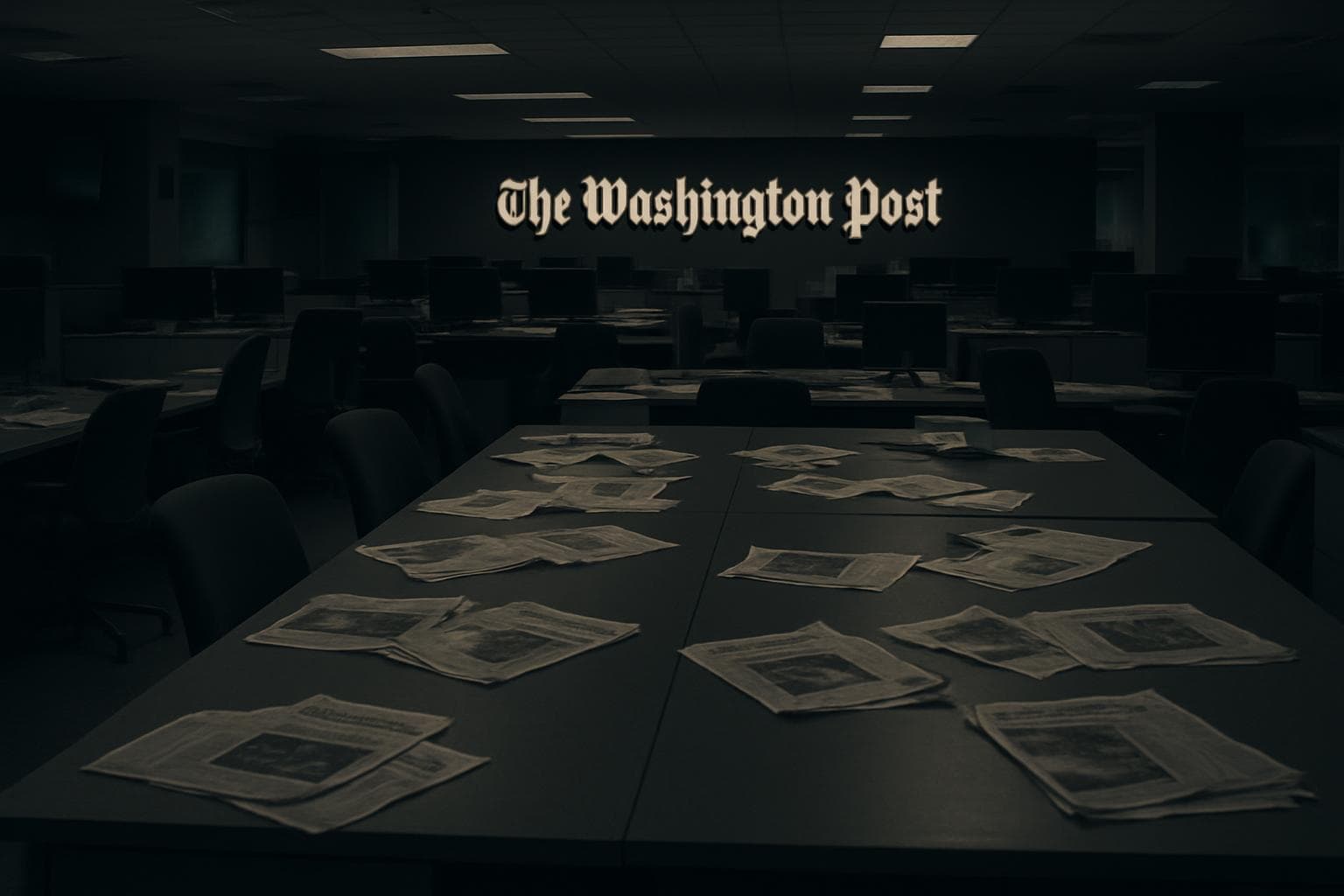
Washington Post Announces Major Layoffs Amid Strategic Restructuring
In This Article
HIGHLIGHTS
- The Washington Post announced layoffs affecting one-third of its workforce, significantly reducing sports and foreign news coverage.
- Executive Editor Matt Murray cited a need for a "strategic reset" to adapt to a competitive media landscape.
- The layoffs have sparked criticism from current and former staff, with some describing it as one of the darkest days in the paper's history.
- The restructuring will focus on national security, politics, and government, while reducing international and local coverage.
- Employees affected by the layoffs will receive six months of health insurance coverage.
The Washington Post has announced significant layoffs, impacting approximately one-third of its workforce, as part of a strategic restructuring aimed at adapting to a rapidly changing media landscape. The cuts, revealed on Wednesday, will particularly affect the newspaper's sports, local, and foreign news sections.
Strategic Reset for Future Stability
Executive Editor Matt Murray explained that the decision was driven by the need to position the publication more effectively in a crowded media market. "Today, the Washington Post is taking a number of actions across the company to secure our future," Murray stated during a staff meeting. He acknowledged the challenges faced in reaching audiences and emphasized the importance of becoming more essential to readers' lives.
The restructuring will see the end of the current iteration of the sports desk, with some employees transitioning to a new team. The paper will also scale back its international reporting, maintaining around 12 bureaus with a focus on national security issues. Local coverage will be restructured, and the flagship daily news podcast, Post Reports, will be suspended.
Reactions and Implications
The announcement has been met with criticism from both current and former staff. Marty Baron, the Post's executive editor until 2021, described the layoffs as "among the darkest days in the history of one of the world's greatest news organizations." Employees have expressed concern over the impact on the paper's mission and its ability to cover diverse perspectives.
Laid-off journalists, including those covering critical regions like the Middle East and Ukraine, have voiced their disappointment on social media. The Washington Post Guild criticized the decision, warning that reducing staff could weaken the newspaper and drive away readers.
Support for Affected Employees
Employees affected by the layoffs will remain on staff until April 10, with six months of continued health insurance coverage. The newspaper's largest team will now focus on politics and government, while also prioritizing national news and feature topics such as science, health, technology, and climate.
WHAT THIS MIGHT MEAN
The Washington Post's decision to implement these layoffs reflects broader challenges facing the media industry, as traditional news outlets grapple with declining readership and increased competition from digital platforms. The focus on national security and politics suggests a strategic pivot to areas with potentially higher reader engagement.
Moving forward, the Post's ability to maintain its reputation as a leading news organization will depend on how effectively it can adapt its business model and journalistic approach. The layoffs may also prompt discussions about the role of billionaire ownership in shaping media priorities, particularly as Jeff Bezos' influence comes under scrutiny.
As the media landscape continues to evolve, the Washington Post's restructuring could serve as a case study for other news organizations facing similar pressures. The long-term impact on the paper's coverage and its relationship with readers remains to be seen.
Related Articles

Intensified US-Israel Strikes on Iran Spark Global Outcry
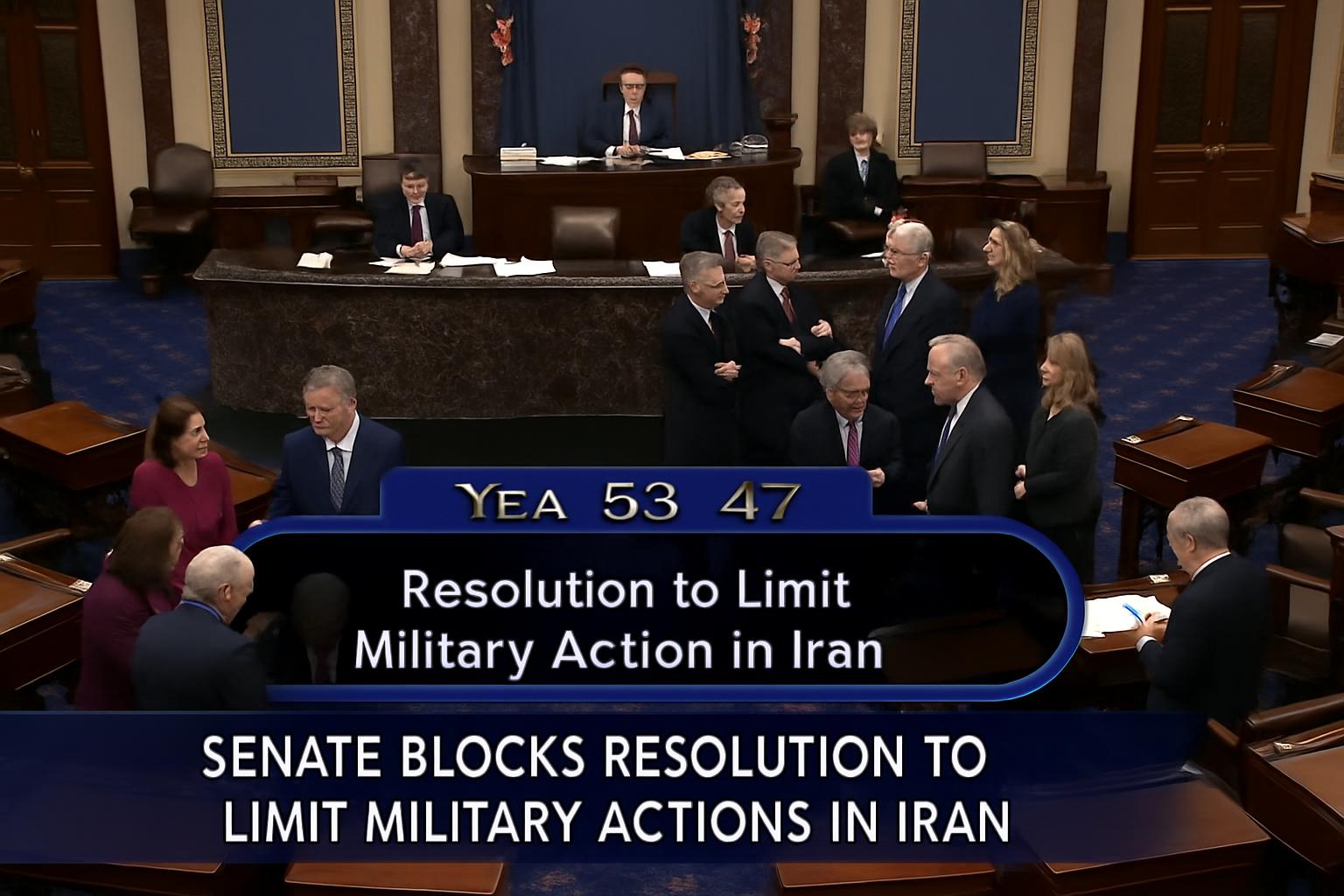
Senate Blocks Resolution to Limit Trump's Military Actions in Iran
Spain's Sánchez Stands Firm Against Trump's Trade Threat Over Iran Stance

US-Iran Tensions Escalate Amid Renewed Nuclear Talks and Protests
Rising Tensions: Trump's Dual Approach to Iran's Nuclear Challenge
US-Iran Tensions Escalate Amid Military Buildup and Diplomatic Deadlock
Washington Post Announces Major Layoffs Amid Strategic Restructuring
In This Article
 Ethan Brooks| Published
 HIGHLIGHTS
- The Washington Post announced layoffs affecting one-third of its workforce, significantly reducing sports and foreign news coverage.
- Executive Editor Matt Murray cited a need for a "strategic reset" to adapt to a competitive media landscape.
- The layoffs have sparked criticism from current and former staff, with some describing it as one of the darkest days in the paper's history.
- The restructuring will focus on national security, politics, and government, while reducing international and local coverage.
- Employees affected by the layoffs will receive six months of health insurance coverage.
The Washington Post has announced significant layoffs, impacting approximately one-third of its workforce, as part of a strategic restructuring aimed at adapting to a rapidly changing media landscape. The cuts, revealed on Wednesday, will particularly affect the newspaper's sports, local, and foreign news sections.
Strategic Reset for Future Stability
Executive Editor Matt Murray explained that the decision was driven by the need to position the publication more effectively in a crowded media market. "Today, the Washington Post is taking a number of actions across the company to secure our future," Murray stated during a staff meeting. He acknowledged the challenges faced in reaching audiences and emphasized the importance of becoming more essential to readers' lives.
The restructuring will see the end of the current iteration of the sports desk, with some employees transitioning to a new team. The paper will also scale back its international reporting, maintaining around 12 bureaus with a focus on national security issues. Local coverage will be restructured, and the flagship daily news podcast, Post Reports, will be suspended.
Reactions and Implications
The announcement has been met with criticism from both current and former staff. Marty Baron, the Post's executive editor until 2021, described the layoffs as "among the darkest days in the history of one of the world's greatest news organizations." Employees have expressed concern over the impact on the paper's mission and its ability to cover diverse perspectives.
Laid-off journalists, including those covering critical regions like the Middle East and Ukraine, have voiced their disappointment on social media. The Washington Post Guild criticized the decision, warning that reducing staff could weaken the newspaper and drive away readers.
Support for Affected Employees
Employees affected by the layoffs will remain on staff until April 10, with six months of continued health insurance coverage. The newspaper's largest team will now focus on politics and government, while also prioritizing national news and feature topics such as science, health, technology, and climate.
WHAT THIS MIGHT MEAN
The Washington Post's decision to implement these layoffs reflects broader challenges facing the media industry, as traditional news outlets grapple with declining readership and increased competition from digital platforms. The focus on national security and politics suggests a strategic pivot to areas with potentially higher reader engagement.
Moving forward, the Post's ability to maintain its reputation as a leading news organization will depend on how effectively it can adapt its business model and journalistic approach. The layoffs may also prompt discussions about the role of billionaire ownership in shaping media priorities, particularly as Jeff Bezos' influence comes under scrutiny.
As the media landscape continues to evolve, the Washington Post's restructuring could serve as a case study for other news organizations facing similar pressures. The long-term impact on the paper's coverage and its relationship with readers remains to be seen.
Related Articles
Intensified US-Israel Strikes on Iran Spark Global Outcry
Senate Blocks Resolution to Limit Trump's Military Actions in Iran
Spain's Sánchez Stands Firm Against Trump's Trade Threat Over Iran Stance
US-Iran Tensions Escalate Amid Renewed Nuclear Talks and Protests
Rising Tensions: Trump's Dual Approach to Iran's Nuclear Challenge
US-Iran Tensions Escalate Amid Military Buildup and Diplomatic Deadlock