
Trump Intensifies Pressure on Iran with Aircraft Carrier Deployment Amid Nuclear Deal Talks
In This Article
HIGHLIGHTS
- Former US President Donald Trump has endorsed regime change in Iran, calling it "the best thing that could happen."
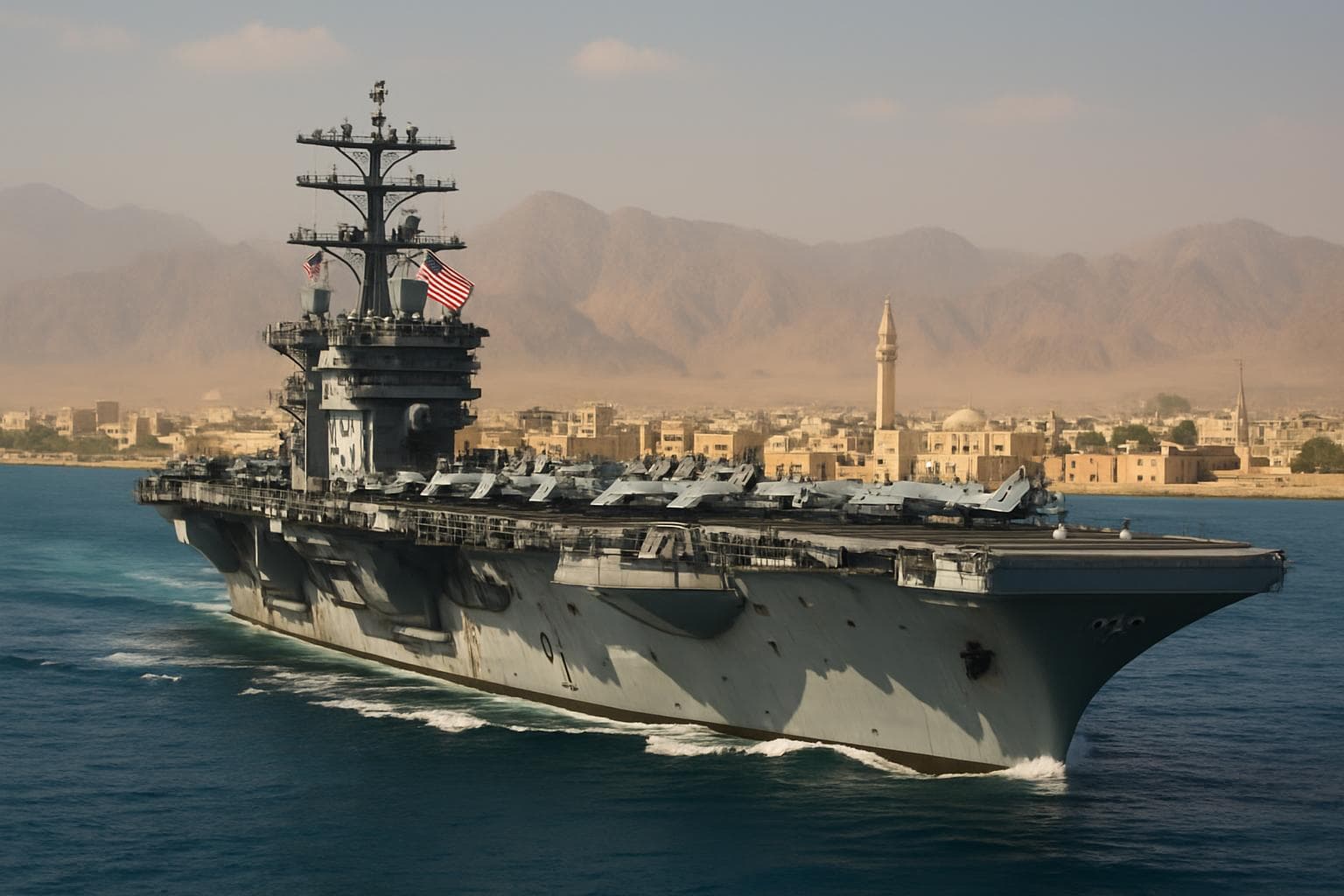
- The US has deployed a second aircraft carrier, the USS Gerald R Ford, to the Middle East to pressure Iran into a nuclear deal.
- Iran has shown willingness to limit its nuclear program for sanctions relief but rejects demands to curb its ballistic missile program.
- Trump has warned Iran that failing to reach a nuclear agreement could lead to "very traumatic" consequences.
- Talks between the US and Iran continue, with no set date for further negotiations.
Former US President Donald Trump has made one of his clearest endorsements for regime change in Iran, stating that it would be "the best thing that could happen." His comments come as tensions between the US and Iran escalate over nuclear negotiations and regional security concerns.
US Military Presence in the Middle East
In a strategic move to increase pressure on Tehran, the US has ordered the USS Gerald R Ford, the world's largest aircraft carrier, to relocate from the Caribbean to the Middle East. This deployment aims to bolster US military presence in the region, joining the USS Abraham Lincoln already stationed there. The decision follows indirect negotiations between the US and Iran in Oman, with further talks anticipated but not yet scheduled.
Nuclear Negotiations and Regional Tensions
The US and Iran are engaged in ongoing discussions to curb Iran's nuclear and ballistic missile programs. While Iran has expressed readiness to limit its nuclear activities in exchange for sanctions relief, it has rejected demands to halt its ballistic missile development and support for proxy groups like Hezbollah. Trump's administration has emphasized the need for a comprehensive deal, with Trump warning that failure to reach an agreement could have severe consequences.
Shifting Rhetoric and Diplomatic Efforts
Trump's rhetoric on Iran has evolved over recent months. Initially, he appeared supportive of Iranian protesters, promising that "help is coming." However, the focus has shifted towards achieving a nuclear deal, especially after a summer bombing campaign by Israeli and US forces during a 12-day conflict with Iran. Trump has expressed hope for a swift resolution, suggesting that a deal could be reached within a month.
WHAT THIS MIGHT MEAN
The deployment of the USS Gerald R Ford underscores the US's commitment to maintaining pressure on Iran amid ongoing nuclear negotiations. Should talks fail, the presence of additional military assets in the region could escalate tensions further, potentially leading to military confrontations. Conversely, successful negotiations could pave the way for improved US-Iran relations and regional stability. Experts suggest that the outcome of these talks will significantly impact the geopolitical landscape of the Middle East, influencing future US foreign policy and Iran's international standing.
Related Articles
Intensified US-Israel Strikes on Iran Spark Global Outcry
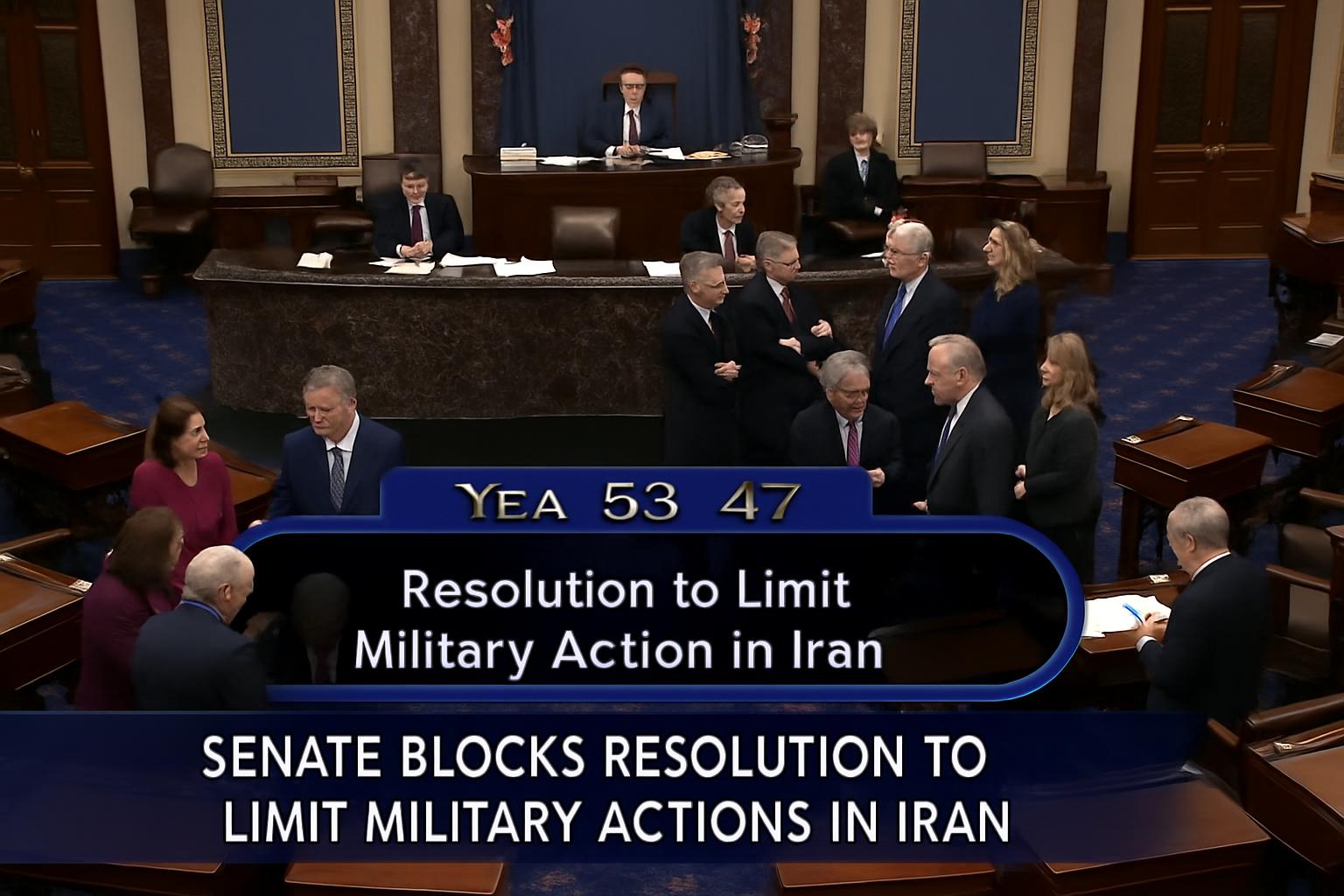
Senate Blocks Resolution to Limit Trump's Military Actions in Iran
UK-Iran Tensions: Starmer Defends Cautious Approach Amid Trump Criticism
Spain's Sánchez Stands Firm Against Trump's Trade Threat Over Iran Stance
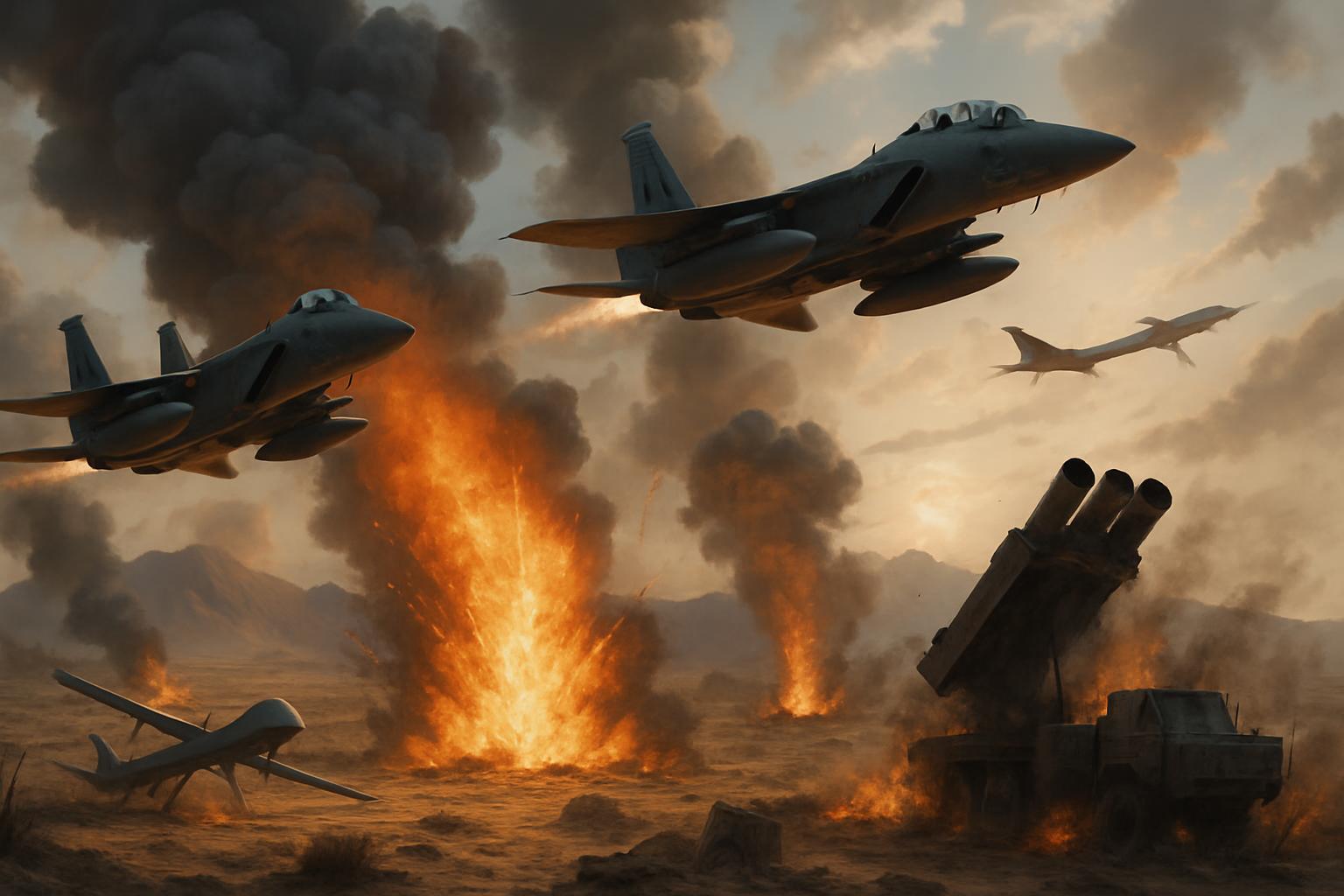
US and Israel Intensify Military Campaign as Iran's Capabilities Dwindle
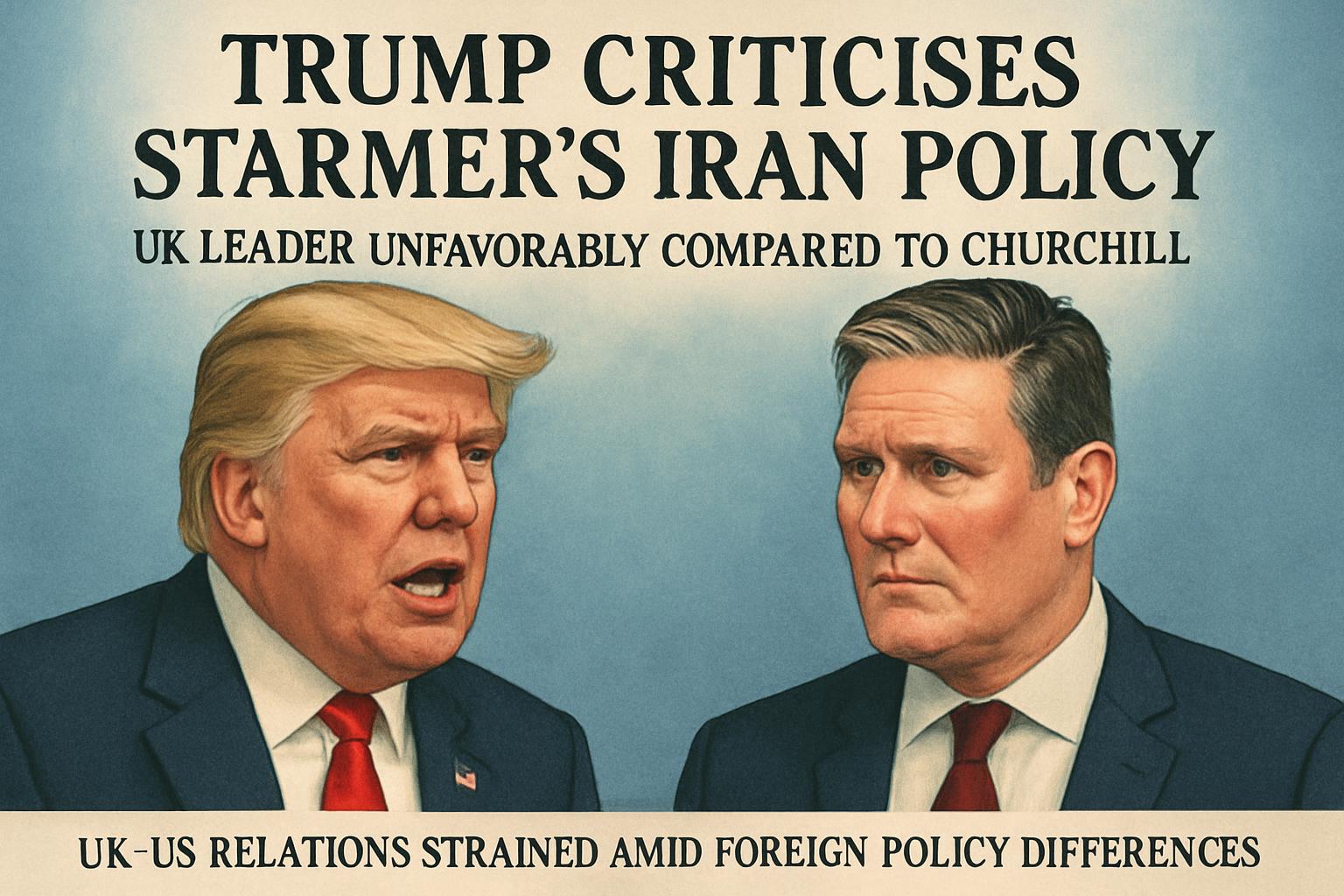
Diplomatic Tensions Rise as Trump Criticizes Starmer's Iran Policy
Trump Intensifies Pressure on Iran with Aircraft Carrier Deployment Amid Nuclear Deal Talks
In This Article
 Ethan Brooks| Published
 HIGHLIGHTS
- Former US President Donald Trump has endorsed regime change in Iran, calling it "the best thing that could happen."
- The US has deployed a second aircraft carrier, the USS Gerald R Ford, to the Middle East to pressure Iran into a nuclear deal.
- Iran has shown willingness to limit its nuclear program for sanctions relief but rejects demands to curb its ballistic missile program.
- Trump has warned Iran that failing to reach a nuclear agreement could lead to "very traumatic" consequences.
- Talks between the US and Iran continue, with no set date for further negotiations.
Former US President Donald Trump has made one of his clearest endorsements for regime change in Iran, stating that it would be "the best thing that could happen." His comments come as tensions between the US and Iran escalate over nuclear negotiations and regional security concerns.
US Military Presence in the Middle East
In a strategic move to increase pressure on Tehran, the US has ordered the USS Gerald R Ford, the world's largest aircraft carrier, to relocate from the Caribbean to the Middle East. This deployment aims to bolster US military presence in the region, joining the USS Abraham Lincoln already stationed there. The decision follows indirect negotiations between the US and Iran in Oman, with further talks anticipated but not yet scheduled.
Nuclear Negotiations and Regional Tensions
The US and Iran are engaged in ongoing discussions to curb Iran's nuclear and ballistic missile programs. While Iran has expressed readiness to limit its nuclear activities in exchange for sanctions relief, it has rejected demands to halt its ballistic missile development and support for proxy groups like Hezbollah. Trump's administration has emphasized the need for a comprehensive deal, with Trump warning that failure to reach an agreement could have severe consequences.
Shifting Rhetoric and Diplomatic Efforts
Trump's rhetoric on Iran has evolved over recent months. Initially, he appeared supportive of Iranian protesters, promising that "help is coming." However, the focus has shifted towards achieving a nuclear deal, especially after a summer bombing campaign by Israeli and US forces during a 12-day conflict with Iran. Trump has expressed hope for a swift resolution, suggesting that a deal could be reached within a month.
WHAT THIS MIGHT MEAN
The deployment of the USS Gerald R Ford underscores the US's commitment to maintaining pressure on Iran amid ongoing nuclear negotiations. Should talks fail, the presence of additional military assets in the region could escalate tensions further, potentially leading to military confrontations. Conversely, successful negotiations could pave the way for improved US-Iran relations and regional stability. Experts suggest that the outcome of these talks will significantly impact the geopolitical landscape of the Middle East, influencing future US foreign policy and Iran's international standing.
Related Articles
Intensified US-Israel Strikes on Iran Spark Global Outcry
Senate Blocks Resolution to Limit Trump's Military Actions in Iran
UK-Iran Tensions: Starmer Defends Cautious Approach Amid Trump Criticism
Spain's Sánchez Stands Firm Against Trump's Trade Threat Over Iran Stance
US and Israel Intensify Military Campaign as Iran's Capabilities Dwindle
Diplomatic Tensions Rise as Trump Criticizes Starmer's Iran Policy