
Ancient Wolf's Stomach Reveals Clues to Woolly Rhinoceros Extinction
In This Article
HIGHLIGHTS
- Scientists extracted woolly rhinoceros DNA from a 14,400-year-old wolf's stomach, offering insights into the species' extinction.
- The study suggests a rapid population collapse of woolly rhinos, likely due to climate warming rather than human hunting.
- The genetic analysis revealed no signs of inbreeding or harmful mutations, indicating a stable population until extinction.
- The discovery was made near Tumat, Siberia, with contributions from Cardiff University and other international institutions.
- This research marks the first instance of sequencing an Ice Age animal's genome from another animal's stomach contents.
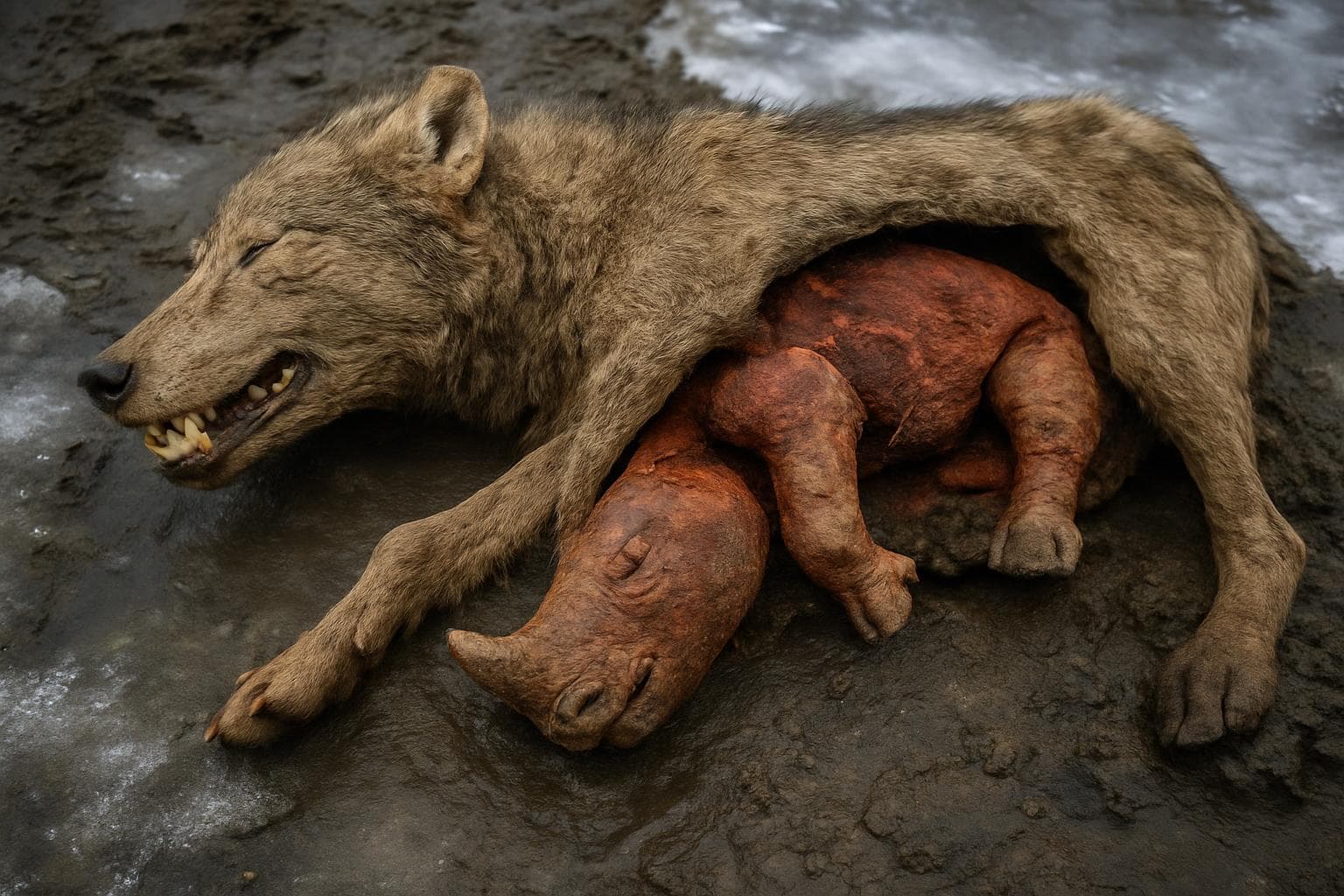
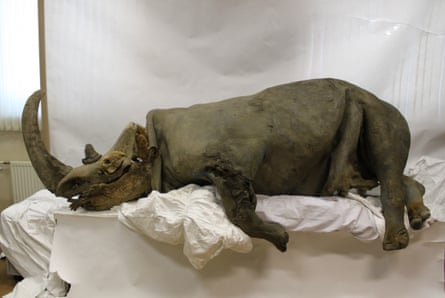
In a groundbreaking discovery, scientists have successfully extracted DNA from the stomach of a 14,400-year-old wolf, shedding light on the extinction of the woolly rhinoceros. This remarkable find, made near the village of Tumat in Siberia, offers new insights into the final days of this prehistoric species.
A Unique Discovery in Siberian Permafrost
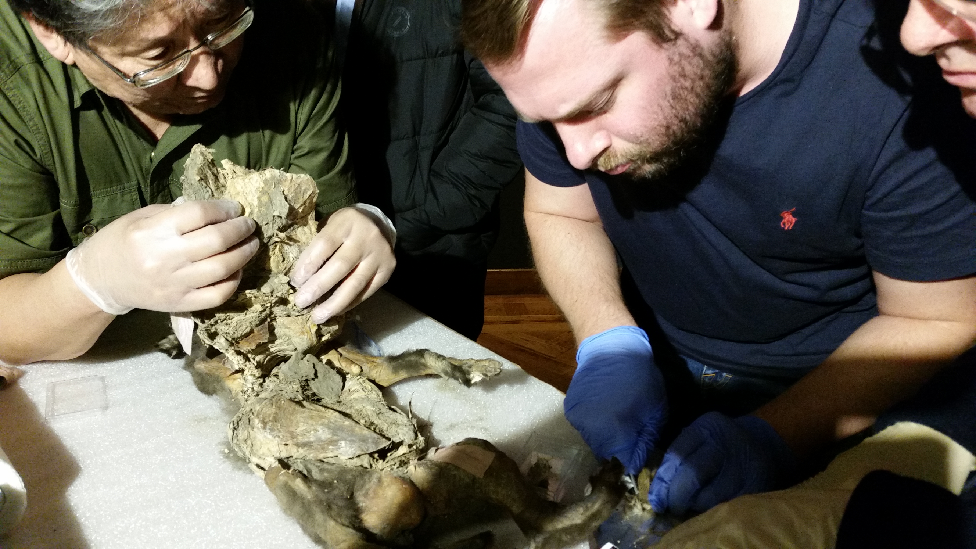
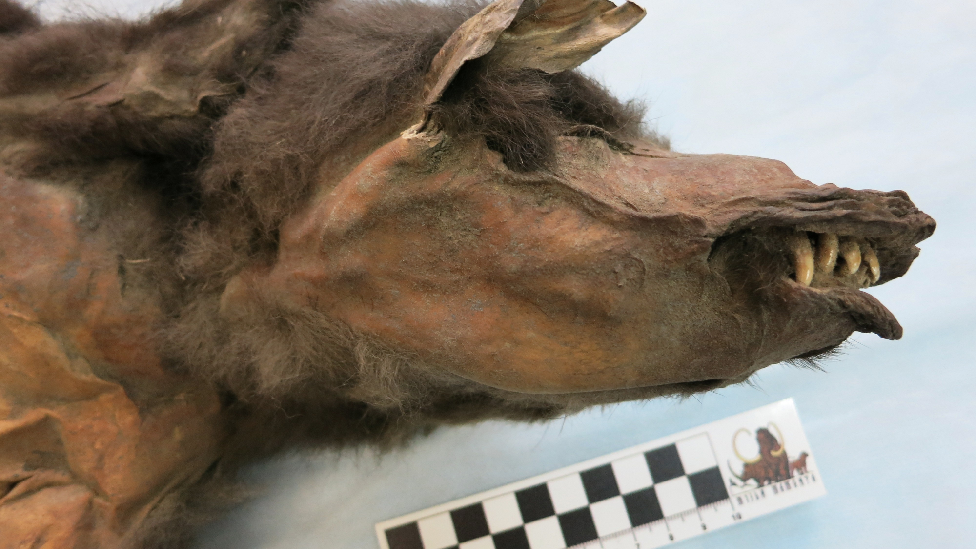
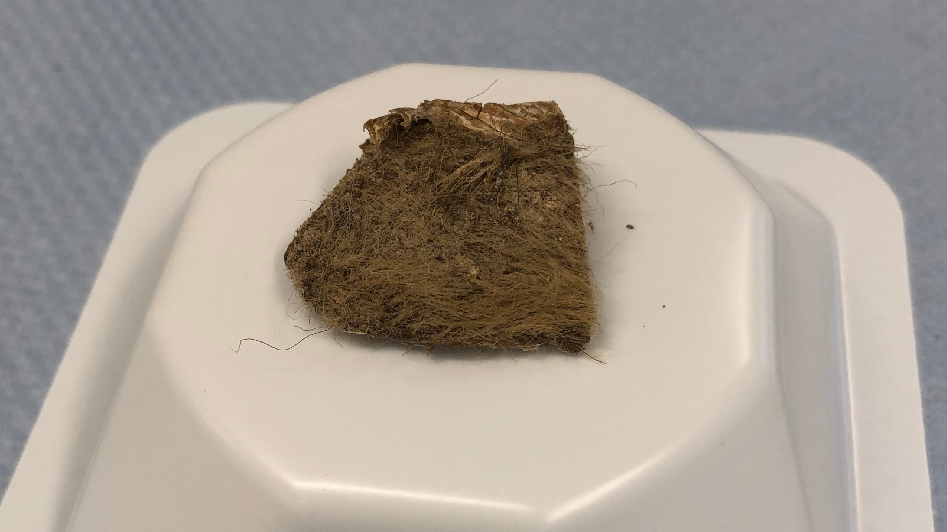
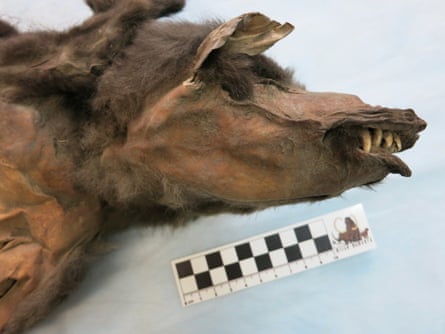
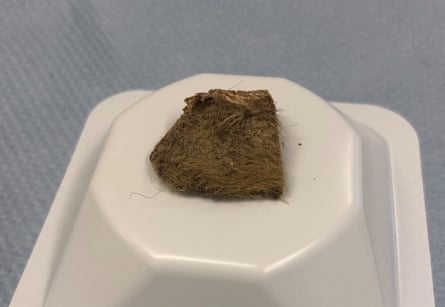
The preserved remains of a young wolf cub, discovered in 2011, contained a partially digested piece of woolly rhinoceros tissue. This rare find allowed researchers to sequence the rhino's genome, marking the first time such an analysis has been conducted on an Ice Age animal found within another creature's stomach. Dr. Camilo Chacón-Duque, formerly of the Centre for Palaeogenetics, emphasized the significance of this opportunity to understand the genetic state of the species as it neared extinction.
Insights into Extinction Causes
Contrary to expectations of genomic erosion, the analysis revealed no increase in inbreeding or harmful mutations in the woolly rhinoceros population. This suggests that the species maintained a stable and relatively large population until a rapid collapse occurred, likely due to climate warming rather than human hunting. Love Dalén, a professor at the Centre for Palaeogenetics, noted that woolly rhinos had a viable population for 15,000 years after humans first arrived in northeastern Siberia.
International Collaboration and Implications
The research, involving scientists from Cardiff University, Stockholm University, and other institutions, highlights the potential of ancient DNA analysis in understanding past extinctions. Dr. David Stanton from Cardiff University described the specimen as "incredibly valuable" for studying the rapid extinction events of the time. The findings could inform modern conservation efforts by providing insights into how species respond to environmental changes.
WHAT THIS MIGHT MEAN
The discovery of woolly rhinoceros DNA in an ancient wolf's stomach opens new avenues for understanding prehistoric extinctions. As researchers continue to explore the genetic material of extinct species, they may uncover further evidence of how climate change impacted Ice Age wildlife. This could lead to a deeper understanding of the vulnerabilities of current species facing similar environmental pressures. Additionally, the techniques developed through this research may enhance conservation strategies by identifying genetic factors that contribute to species resilience or decline.
Images from the Web




Ancient Wolf's Stomach Reveals Clues to Woolly Rhinoceros Extinction
In This Article
 James Okoro| Published
 HIGHLIGHTS
- Scientists extracted woolly rhinoceros DNA from a 14,400-year-old wolf's stomach, offering insights into the species' extinction.
- The study suggests a rapid population collapse of woolly rhinos, likely due to climate warming rather than human hunting.
- The genetic analysis revealed no signs of inbreeding or harmful mutations, indicating a stable population until extinction.
- The discovery was made near Tumat, Siberia, with contributions from Cardiff University and other international institutions.
- This research marks the first instance of sequencing an Ice Age animal's genome from another animal's stomach contents.
In a groundbreaking discovery, scientists have successfully extracted DNA from the stomach of a 14,400-year-old wolf, shedding light on the extinction of the woolly rhinoceros. This remarkable find, made near the village of Tumat in Siberia, offers new insights into the final days of this prehistoric species.
A Unique Discovery in Siberian Permafrost
The preserved remains of a young wolf cub, discovered in 2011, contained a partially digested piece of woolly rhinoceros tissue. This rare find allowed researchers to sequence the rhino's genome, marking the first time such an analysis has been conducted on an Ice Age animal found within another creature's stomach. Dr. Camilo Chacón-Duque, formerly of the Centre for Palaeogenetics, emphasized the significance of this opportunity to understand the genetic state of the species as it neared extinction.
Insights into Extinction Causes
Contrary to expectations of genomic erosion, the analysis revealed no increase in inbreeding or harmful mutations in the woolly rhinoceros population. This suggests that the species maintained a stable and relatively large population until a rapid collapse occurred, likely due to climate warming rather than human hunting. Love Dalén, a professor at the Centre for Palaeogenetics, noted that woolly rhinos had a viable population for 15,000 years after humans first arrived in northeastern Siberia.
International Collaboration and Implications
The research, involving scientists from Cardiff University, Stockholm University, and other institutions, highlights the potential of ancient DNA analysis in understanding past extinctions. Dr. David Stanton from Cardiff University described the specimen as "incredibly valuable" for studying the rapid extinction events of the time. The findings could inform modern conservation efforts by providing insights into how species respond to environmental changes.
WHAT THIS MIGHT MEAN
The discovery of woolly rhinoceros DNA in an ancient wolf's stomach opens new avenues for understanding prehistoric extinctions. As researchers continue to explore the genetic material of extinct species, they may uncover further evidence of how climate change impacted Ice Age wildlife. This could lead to a deeper understanding of the vulnerabilities of current species facing similar environmental pressures. Additionally, the techniques developed through this research may enhance conservation strategies by identifying genetic factors that contribute to species resilience or decline.
Images from the Web