
Welsh Government Secures Budget Amidst Calls for Greater Devolution
In This Article
HIGHLIGHTS
- The Welsh government passed a £27bn budget after a deal with Plaid Cymru, ensuring funding for the NHS and public services.
- First Minister Eluned Morgan faced criticism for advocating more powers for Wales, with opponents accusing her of paving the way for independence.
- The budget deal, which included a £180m increase for health and social care, was seen as politically neutral, with Plaid Cymru abstaining from the vote.
- Opposition parties criticized the budget for lacking tax cuts and failing to address structural issues in public services.
- The upcoming Senedd elections could see Plaid Cymru challenge Labour's long-standing dominance in Wales.
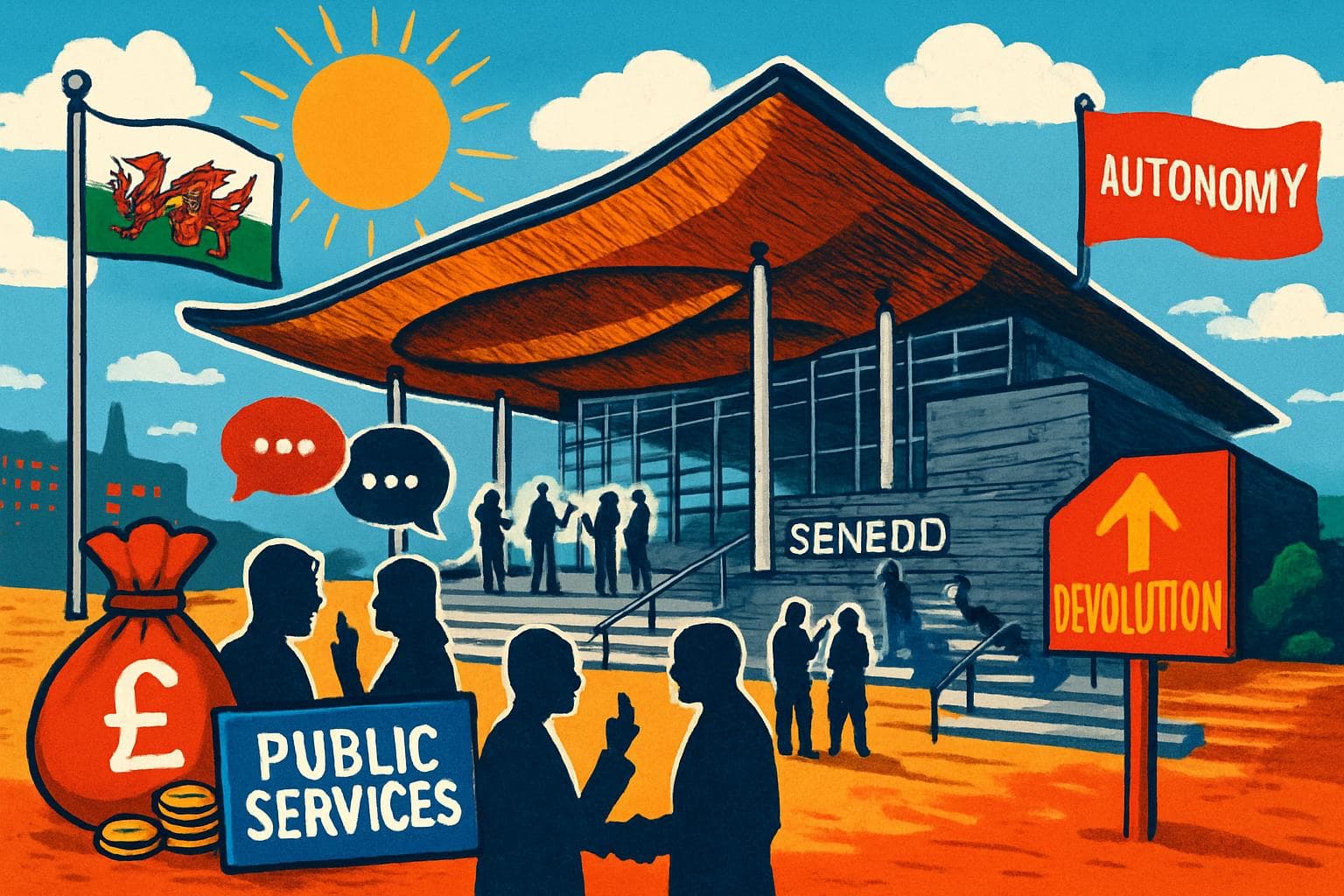
The Welsh government has successfully passed its £27bn budget for the upcoming fiscal year following a strategic agreement with Plaid Cymru. This development comes amid heightened political tensions over the future of Welsh devolution and the potential for an independent Wales.
Budget Approval and Political Dynamics
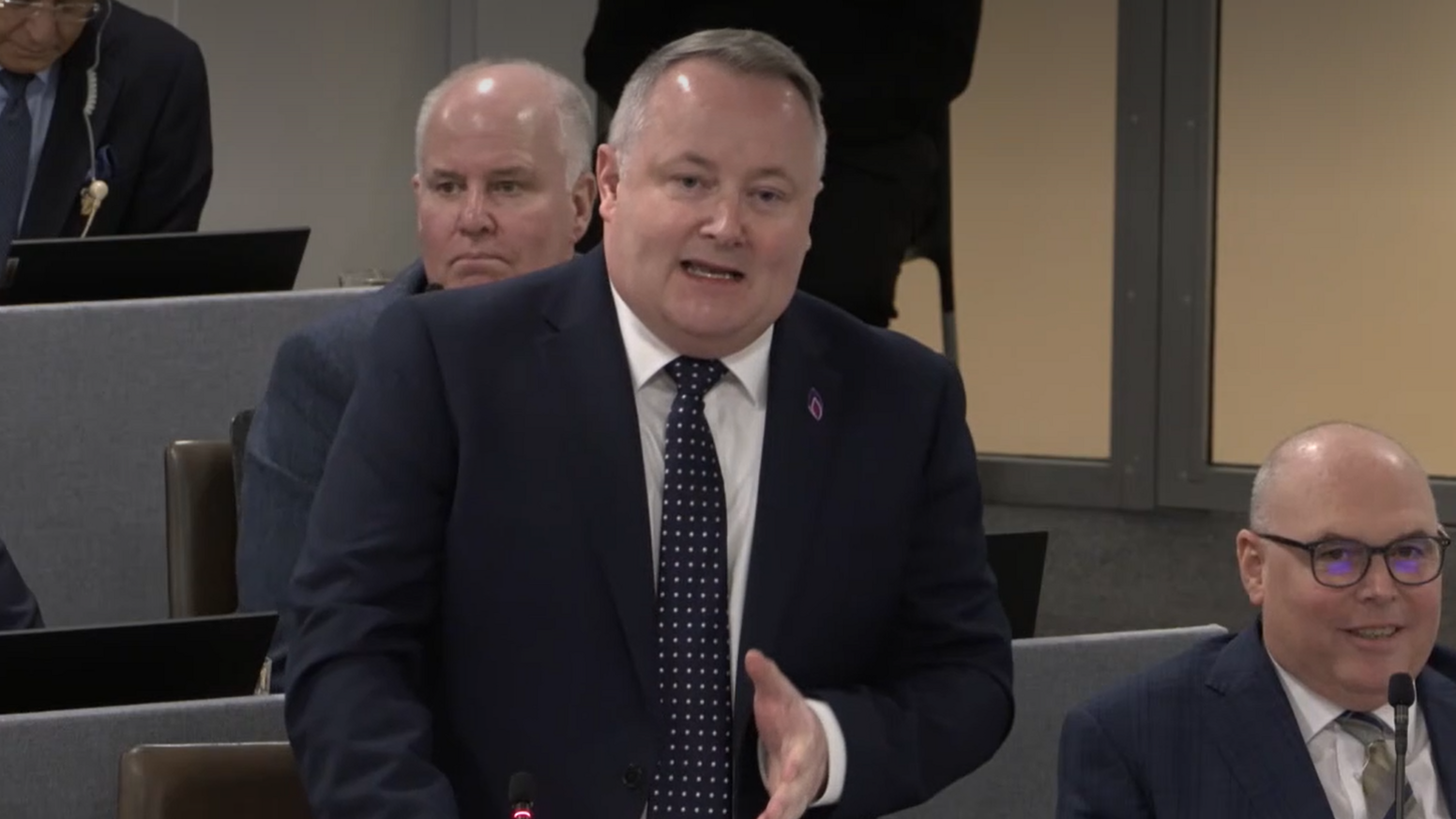
On Tuesday, the Senedd approved the budget, which allocates significant funding to the NHS, schools, and other public services. The deal with Plaid Cymru, which involved additional funds for local councils and infrastructure, was crucial for Welsh Labour, which fell short of a majority after the Caerphilly by-election. The budget includes a £180m boost for health and social care, reflecting the government's commitment to public service stability.
First Minister Eluned Morgan emphasized that the budget aligns with "Labour values – fairness, stability, delivery." However, the Welsh Conservatives and other opposition parties criticized the budget for not including tax cuts and failing to address deeper structural issues in public services.
Calls for More Powers and Independence Debate
The budget approval coincides with a contentious debate over Welsh devolution. Eluned Morgan's recent speech advocating for more powers for Wales has drawn criticism from various quarters. Conservatives accused her of laying the groundwork for an independent Wales, while Plaid Cymru leader Rhun ap Iorwerth highlighted the Labour government's inability to influence Westminster on devolution matters.
Morgan defended her stance, stating that her focus is on responding to the needs of Welsh communities rather than pursuing independence. She called for the devolution of policing powers, a proposal rejected by the UK home secretary.
Implications for Upcoming Elections
With the Senedd elections approaching, the political landscape in Wales is poised for potential change. Polls suggest that Plaid Cymru could challenge Labour's century-long dominance, capitalizing on the growing discourse around Welsh independence and public service reform.
Observers note that while the budget provides immediate financial relief, it does not address the underlying issues exacerbated by current devolution funding formulas. As Cardiff University's Professor Laura McAllister pointed out, any incoming government will face significant challenges in aligning public service delivery with evolving needs.
WHAT THIS MIGHT MEAN
The passage of the Welsh budget marks a temporary resolution to the immediate fiscal needs of the region, but the broader debate over devolution and independence remains unresolved. As the Senedd elections draw near, the political dynamics could shift significantly, especially if Plaid Cymru gains ground. The outcome of these elections will likely influence future discussions on Welsh autonomy and the potential restructuring of the UK's political framework. Experts suggest that regardless of the election results, addressing the structural issues within public services will be crucial for any government aiming to meet the long-term needs of the Welsh populace.
Images from the Web
Related Articles

Reform UK Aims to Reshape Welsh Politics with New Manifesto

Labour MP's Husband Arrested in UK-China Espionage Probe

UK Government to Reform Asylum Seeker Support and Employment Policies

Sisters Tragically Drown at Eryri National Park's Watkin Path

Police Federation Chief Arrested Amid Fraud Investigation

Saharan Dust to Illuminate UK Skies with Vivid Sunrises and Sunsets
Welsh Government Secures Budget Amidst Calls for Greater Devolution
In This Article
 Alex Carter| Published
 HIGHLIGHTS
- The Welsh government passed a £27bn budget after a deal with Plaid Cymru, ensuring funding for the NHS and public services.
- First Minister Eluned Morgan faced criticism for advocating more powers for Wales, with opponents accusing her of paving the way for independence.
- The budget deal, which included a £180m increase for health and social care, was seen as politically neutral, with Plaid Cymru abstaining from the vote.
- Opposition parties criticized the budget for lacking tax cuts and failing to address structural issues in public services.
- The upcoming Senedd elections could see Plaid Cymru challenge Labour's long-standing dominance in Wales.
The Welsh government has successfully passed its £27bn budget for the upcoming fiscal year following a strategic agreement with Plaid Cymru. This development comes amid heightened political tensions over the future of Welsh devolution and the potential for an independent Wales.
Budget Approval and Political Dynamics
On Tuesday, the Senedd approved the budget, which allocates significant funding to the NHS, schools, and other public services. The deal with Plaid Cymru, which involved additional funds for local councils and infrastructure, was crucial for Welsh Labour, which fell short of a majority after the Caerphilly by-election. The budget includes a £180m boost for health and social care, reflecting the government's commitment to public service stability.
First Minister Eluned Morgan emphasized that the budget aligns with "Labour values – fairness, stability, delivery." However, the Welsh Conservatives and other opposition parties criticized the budget for not including tax cuts and failing to address deeper structural issues in public services.
Calls for More Powers and Independence Debate
The budget approval coincides with a contentious debate over Welsh devolution. Eluned Morgan's recent speech advocating for more powers for Wales has drawn criticism from various quarters. Conservatives accused her of laying the groundwork for an independent Wales, while Plaid Cymru leader Rhun ap Iorwerth highlighted the Labour government's inability to influence Westminster on devolution matters.
Morgan defended her stance, stating that her focus is on responding to the needs of Welsh communities rather than pursuing independence. She called for the devolution of policing powers, a proposal rejected by the UK home secretary.
Implications for Upcoming Elections
With the Senedd elections approaching, the political landscape in Wales is poised for potential change. Polls suggest that Plaid Cymru could challenge Labour's century-long dominance, capitalizing on the growing discourse around Welsh independence and public service reform.
Observers note that while the budget provides immediate financial relief, it does not address the underlying issues exacerbated by current devolution funding formulas. As Cardiff University's Professor Laura McAllister pointed out, any incoming government will face significant challenges in aligning public service delivery with evolving needs.
WHAT THIS MIGHT MEAN
The passage of the Welsh budget marks a temporary resolution to the immediate fiscal needs of the region, but the broader debate over devolution and independence remains unresolved. As the Senedd elections draw near, the political dynamics could shift significantly, especially if Plaid Cymru gains ground. The outcome of these elections will likely influence future discussions on Welsh autonomy and the potential restructuring of the UK's political framework. Experts suggest that regardless of the election results, addressing the structural issues within public services will be crucial for any government aiming to meet the long-term needs of the Welsh populace.
Images from the Web
Related Articles
Reform UK Aims to Reshape Welsh Politics with New Manifesto
Labour MP's Husband Arrested in UK-China Espionage Probe
UK Government to Reform Asylum Seeker Support and Employment Policies
Sisters Tragically Drown at Eryri National Park's Watkin Path
Police Federation Chief Arrested Amid Fraud Investigation
Saharan Dust to Illuminate UK Skies with Vivid Sunrises and Sunsets