
Australia Grapples with Anti-Immigration Protests Amid Rising Far-Right Influence

In This Article
HIGHLIGHTS
- Thousands attended anti-immigration rallies across Australia, with notable participation from far-right groups and politicians like Pauline Hanson.
- The rallies, branded as March for Australia, were met with counter-protests, leading to clashes and police intervention in cities like Melbourne and Sydney.
- Neo-Nazi figures, including Thomas Sewell, were among the speakers, drawing condemnation from government officials for spreading hate and division.
- Police reported no major incidents in Sydney, but Melbourne saw arrests and the use of pepper spray to manage confrontations between opposing groups.
- The Australian government, including Home Affairs Minister Tony Burke, condemned the rallies, emphasizing the importance of social cohesion and rejecting hate.
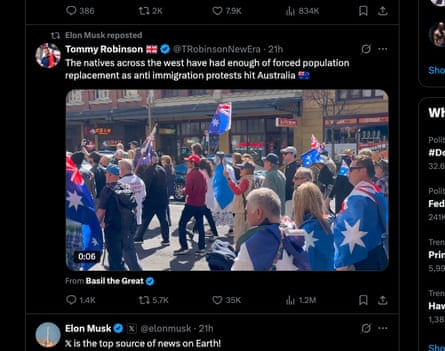
Thousands of Australians took to the streets over the weekend in a series of anti-immigration rallies that have sparked national debate and condemnation from government officials. Under the banner "March for Australia," these protests unfolded in major cities, including Sydney, Melbourne, and Brisbane, drawing attention for their far-right affiliations and involvement of neo-Nazi figures.
Protests and Counter-Protests
The rallies, which attracted approximately 21,000 participants nationwide, were marked by tense confrontations, particularly in Melbourne. Here, police deployed pepper spray to separate anti-immigration protesters from counter-demonstrators, including pro-Palestine and antifascist groups. In Sydney, the protests were relatively peaceful, with police reporting no significant incidents despite the large turnout.
Political and Far-Right Involvement
Notable political figures, such as One Nation leader Pauline Hanson and federal MP Bob Katter, were seen among the protesters, lending political weight to the demonstrations. However, the presence of neo-Nazi speaker Thomas Sewell, who addressed crowds in Melbourne, has drawn widespread criticism. Sewell's inflammatory rhetoric underscored the rallies' far-right connections, prompting government officials to denounce the events as divisive and un-Australian.
Government and Public Response
The Australian government has been vocal in its opposition to the rallies. Home Affairs Minister Tony Burke stated, "There is no place in our country for people who seek to divide and undermine our social cohesion." This sentiment was echoed by other officials, including the Minister for Multicultural Affairs, Dr. Anne Aly, who emphasized the importance of unity and condemned the rallies' racist undertones.
Clashes and Arrests
In Melbourne, the protests culminated in several arrests, with charges ranging from assaulting police to resisting arrest. The police presence was significant, with officers on horseback and riot gear deployed to maintain order. Despite these measures, the protests highlighted underlying tensions within Australian society regarding immigration and multiculturalism.
WHAT THIS MIGHT MEAN
The recent anti-immigration rallies in Australia could have significant implications for the country's political and social landscape. As the government continues to emphasize social cohesion, these events may prompt a reevaluation of immigration policies and a stronger stance against far-right extremism. Experts suggest that the involvement of politicians in such rallies could influence public opinion and potentially impact future elections. Additionally, the government's response to these protests may shape Australia's approach to multiculturalism and its commitment to combating hate speech and division.
Images from the Web
Related Articles

Sussan Ley's Leadership and the Glass Cliff: A Turning Point for Australian Politics?
Angus Taylor Takes Helm of Liberal Party Amidst Leadership Turmoil
Angus Taylor Challenges Sussan Ley for Leadership of Australia's Liberal Party
Canada Calls for De-escalation Amid US-Israel Strikes on Iran
Australia Bars IS-Linked Citizen from Returning Amidst Repatriation Debate
Israeli President Herzog's Visit to Australia Sparks Controversy Amid Calls for Unity
Australia Grapples with Anti-Immigration Protests Amid Rising Far-Right Influence
In This Article
 Alex Carter| Published
 HIGHLIGHTS
- Thousands attended anti-immigration rallies across Australia, with notable participation from far-right groups and politicians like Pauline Hanson.
- The rallies, branded as March for Australia, were met with counter-protests, leading to clashes and police intervention in cities like Melbourne and Sydney.
- Neo-Nazi figures, including Thomas Sewell, were among the speakers, drawing condemnation from government officials for spreading hate and division.
- Police reported no major incidents in Sydney, but Melbourne saw arrests and the use of pepper spray to manage confrontations between opposing groups.
- The Australian government, including Home Affairs Minister Tony Burke, condemned the rallies, emphasizing the importance of social cohesion and rejecting hate.
Thousands of Australians took to the streets over the weekend in a series of anti-immigration rallies that have sparked national debate and condemnation from government officials. Under the banner "March for Australia," these protests unfolded in major cities, including Sydney, Melbourne, and Brisbane, drawing attention for their far-right affiliations and involvement of neo-Nazi figures.
Protests and Counter-Protests
The rallies, which attracted approximately 21,000 participants nationwide, were marked by tense confrontations, particularly in Melbourne. Here, police deployed pepper spray to separate anti-immigration protesters from counter-demonstrators, including pro-Palestine and antifascist groups. In Sydney, the protests were relatively peaceful, with police reporting no significant incidents despite the large turnout.
Political and Far-Right Involvement
Notable political figures, such as One Nation leader Pauline Hanson and federal MP Bob Katter, were seen among the protesters, lending political weight to the demonstrations. However, the presence of neo-Nazi speaker Thomas Sewell, who addressed crowds in Melbourne, has drawn widespread criticism. Sewell's inflammatory rhetoric underscored the rallies' far-right connections, prompting government officials to denounce the events as divisive and un-Australian.
Government and Public Response
The Australian government has been vocal in its opposition to the rallies. Home Affairs Minister Tony Burke stated, "There is no place in our country for people who seek to divide and undermine our social cohesion." This sentiment was echoed by other officials, including the Minister for Multicultural Affairs, Dr. Anne Aly, who emphasized the importance of unity and condemned the rallies' racist undertones.
Clashes and Arrests
In Melbourne, the protests culminated in several arrests, with charges ranging from assaulting police to resisting arrest. The police presence was significant, with officers on horseback and riot gear deployed to maintain order. Despite these measures, the protests highlighted underlying tensions within Australian society regarding immigration and multiculturalism.
WHAT THIS MIGHT MEAN
The recent anti-immigration rallies in Australia could have significant implications for the country's political and social landscape. As the government continues to emphasize social cohesion, these events may prompt a reevaluation of immigration policies and a stronger stance against far-right extremism. Experts suggest that the involvement of politicians in such rallies could influence public opinion and potentially impact future elections. Additionally, the government's response to these protests may shape Australia's approach to multiculturalism and its commitment to combating hate speech and division.
Images from the Web
Related Articles
Sussan Ley's Leadership and the Glass Cliff: A Turning Point for Australian Politics?
Angus Taylor Takes Helm of Liberal Party Amidst Leadership Turmoil
Angus Taylor Challenges Sussan Ley for Leadership of Australia's Liberal Party
Canada Calls for De-escalation Amid US-Israel Strikes on Iran
Australia Bars IS-Linked Citizen from Returning Amidst Repatriation Debate
Israeli President Herzog's Visit to Australia Sparks Controversy Amid Calls for Unity