
Australia Initiates Major Gun Buyback Following Bondi Beach Terror Attack
In This Article
HIGHLIGHTS
- Australia launches its largest gun buyback scheme since 1996 following the Bondi Beach attack, which left 15 dead.
- The attack, motivated by "Islamic State ideology," was carried out by a father-son duo; Naveed Akram faces 59 charges.
- New gun control measures include capping firearm ownership, requiring citizenship for licenses, and accelerating a national firearms register.
- Prime Minister Anthony Albanese emphasizes the need for bipartisanship in reforming gun laws amid rising firearm numbers.
- Seven men detained in Sydney over extremist ideology were released but remain under surveillance.
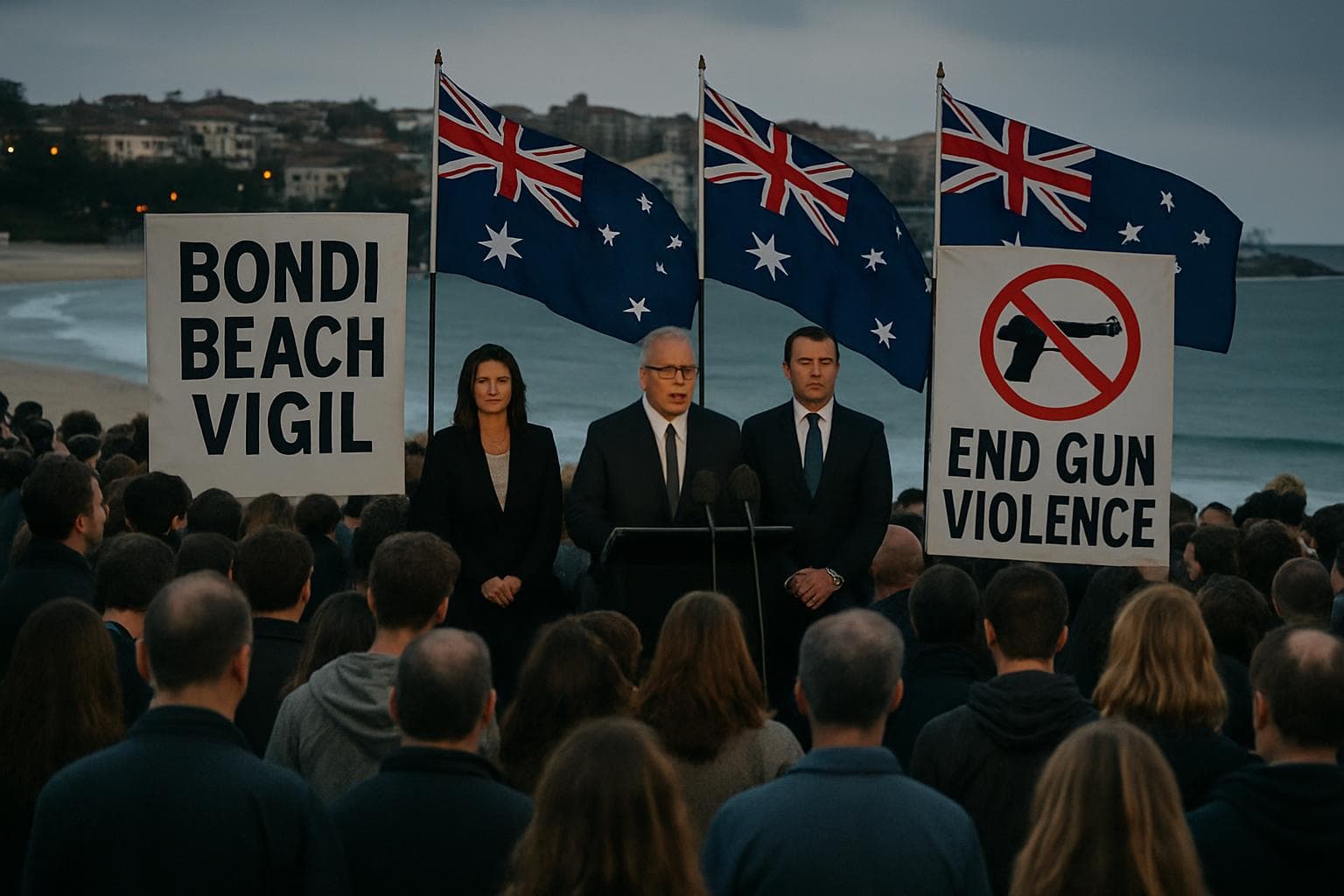
In response to a devastating terrorist attack at Bondi Beach, the Australian government has announced a comprehensive gun buyback scheme, marking the most significant initiative of its kind since the Port Arthur massacre in 1996. The attack, which claimed 15 lives and injured dozens, was perpetrated by a father-son duo reportedly inspired by "Islamic State ideology." Naveed Akram, 24, has been charged with 59 offenses, including multiple counts of murder and committing a terrorist act, while his father, Sajid, was killed during the incident.
Government's Response and New Measures
The national cabinet, comprising federal and state leaders, swiftly moved to tighten gun control measures. Prime Minister Anthony Albanese highlighted the alarming statistic of over 4 million firearms in Australia, surpassing numbers seen during the Port Arthur era. "There's no reason why someone in Sydney's suburbs should possess six firearms," Albanese stated, underscoring the need for reform.
The new buyback scheme, co-funded by federal and state governments, aims to collect and destroy hundreds of thousands of surplus, newly banned, and illegal firearms. Additionally, the government plans to cap the number of firearms individuals can own, restrict open-ended licenses, and mandate Australian citizenship for firearm ownership. Efforts to expedite the creation of a national firearms register are also underway.
Community Impact and Ongoing Investigations
The Jewish community, deeply affected by the attack, has been actively participating in vigils and memorials. Rabbi Alon Meltzer emphasized the importance of maintaining Jewish culture and identity in the face of such violence. Meanwhile, seven men detained in Sydney's southwest for suspected extremist activities have been released but will remain under close watch by authorities.
Public and Political Reactions
The buyback initiative has sparked a call for bipartisan support, with Albanese urging cooperation across political lines to ensure public safety. However, some political figures, including Labor's Dan Repacholi, have expressed concerns about targeting responsible gun owners, advocating instead for improved information sharing and risk assessment.
WHAT THIS MIGHT MEAN
As Australia embarks on this ambitious gun buyback program, the effectiveness of these measures will be closely monitored. The success of the initiative could set a precedent for future gun control policies, potentially influencing international approaches to firearm regulation. Politically, the government's ability to maintain bipartisan support will be crucial in implementing these reforms. Experts suggest that while the buyback may reduce the number of firearms, addressing the root causes of radicalization and improving intelligence sharing will be essential in preventing future attacks.
Related Articles
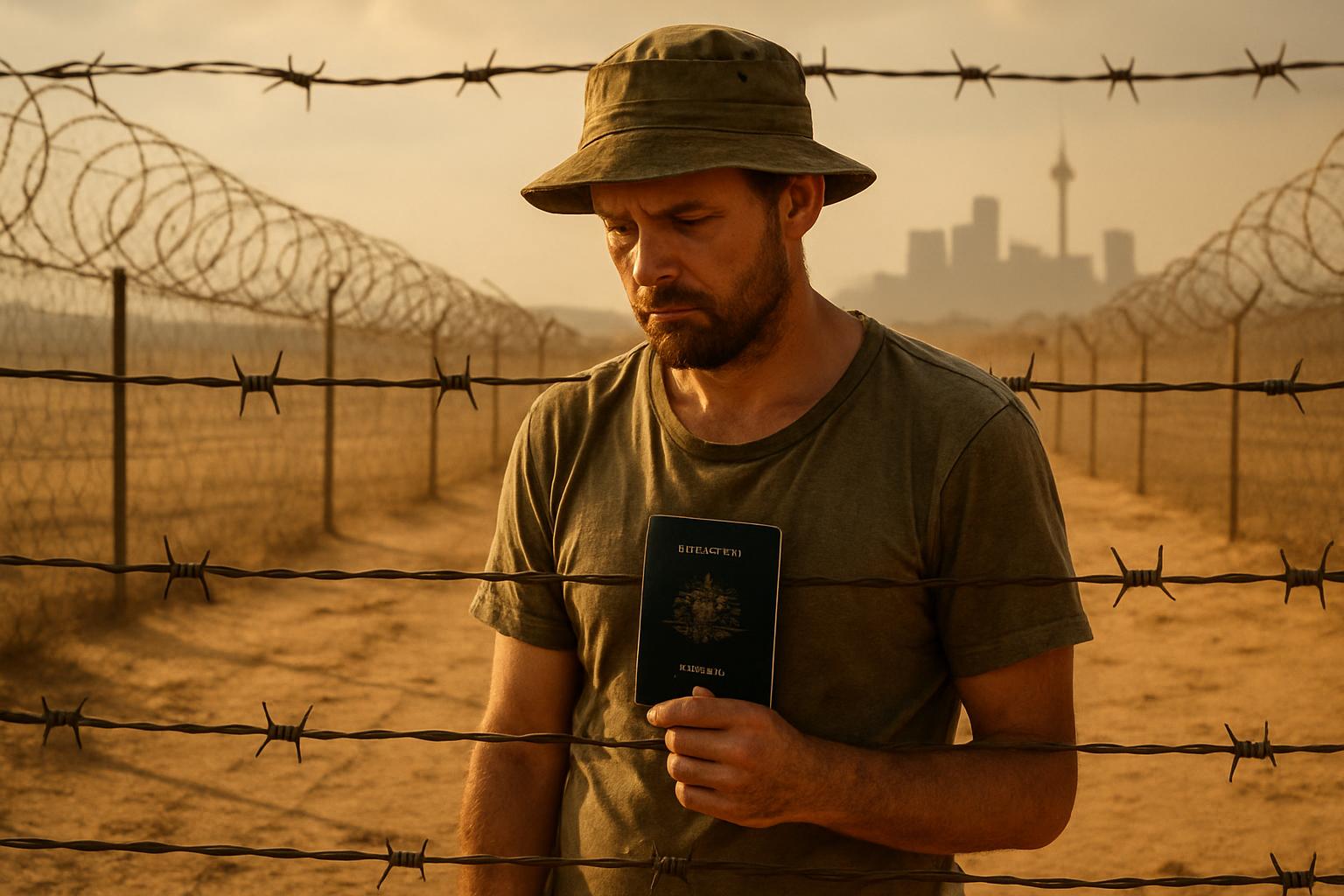
Australia Bars IS-Linked Citizen from Returning Amidst Repatriation Debate

Canada and Australia Forge Strategic Partnership Amid Global Uncertainty
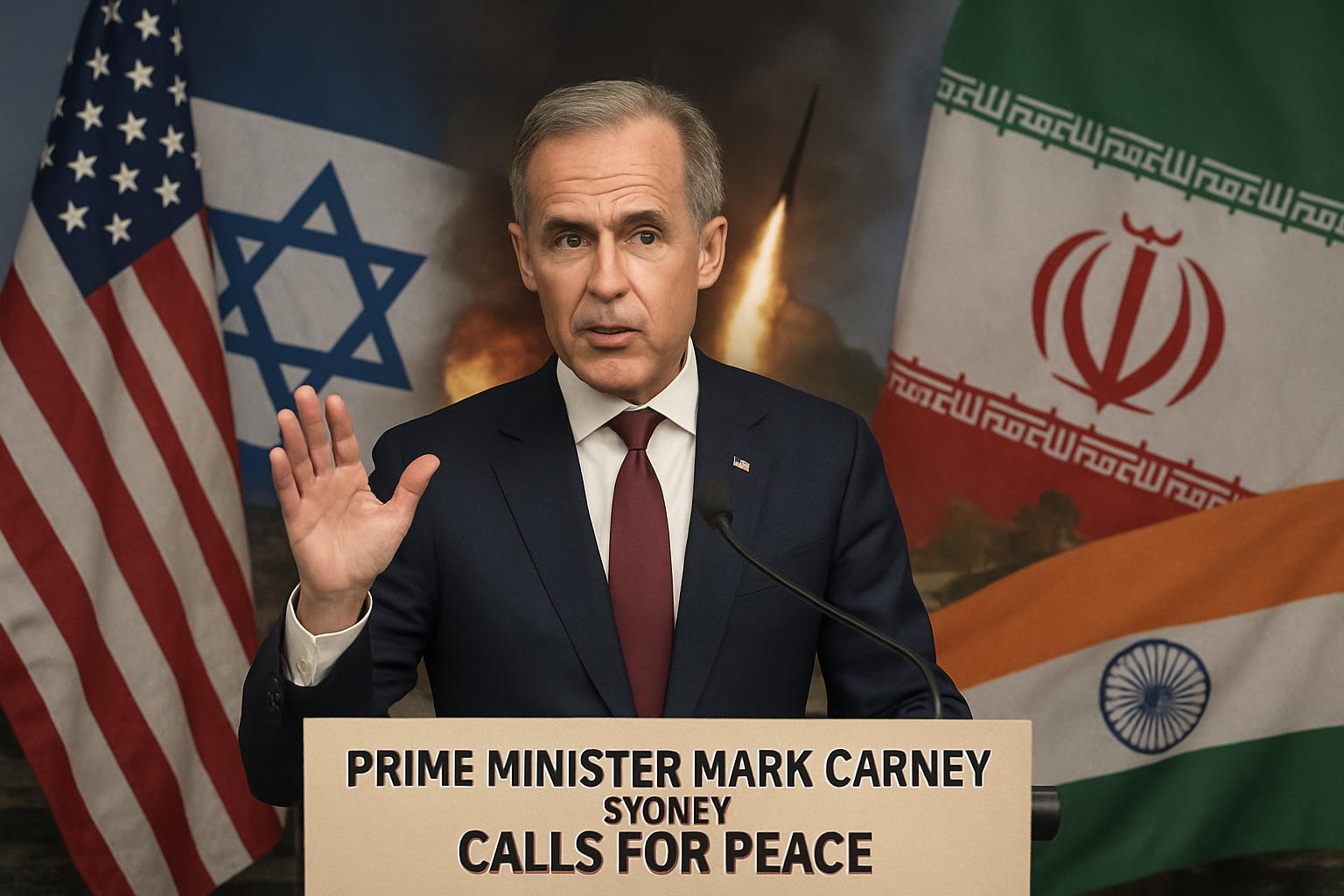
Canada Calls for De-escalation Amid US-Israel Strikes on Iran
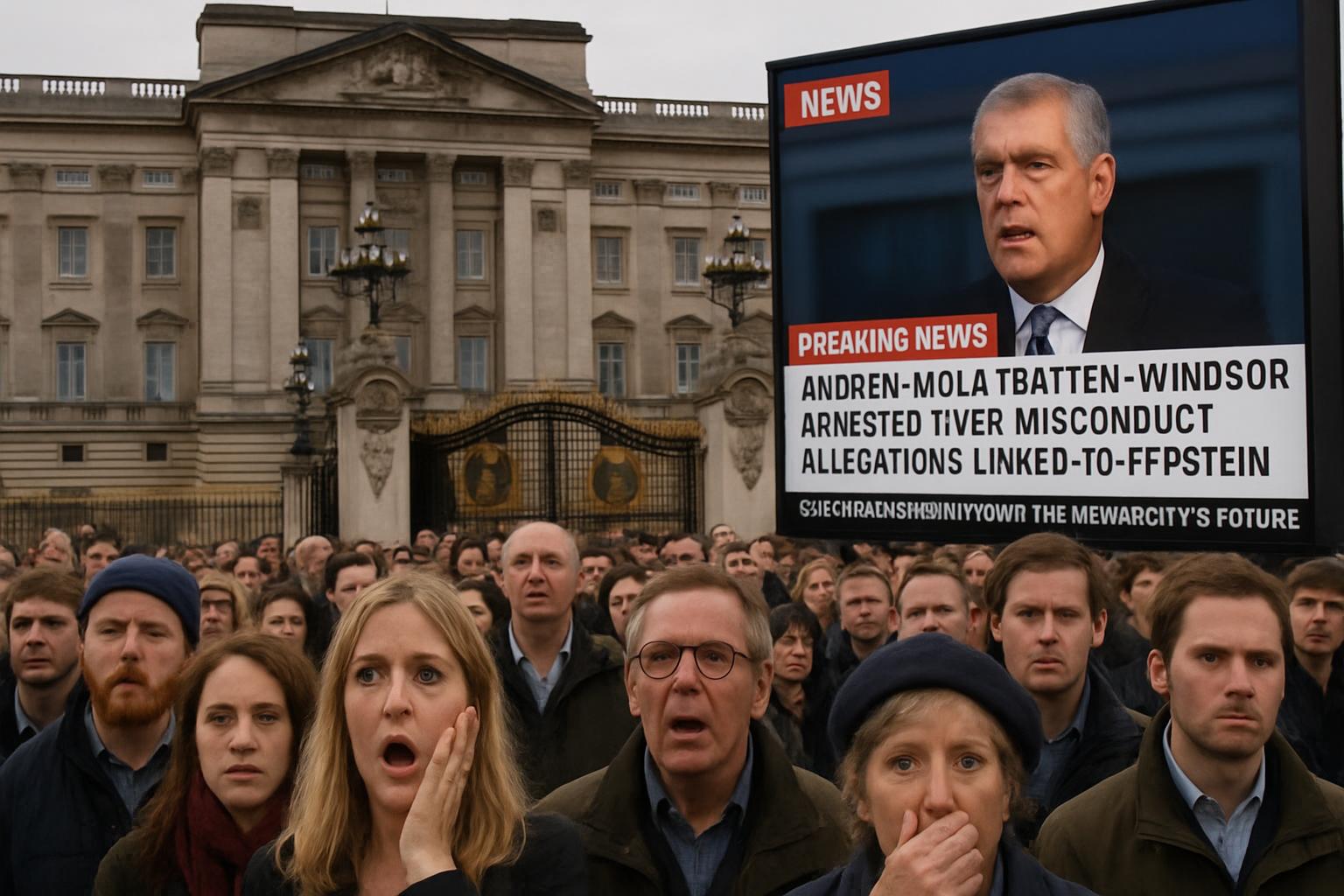
Prince Andrew's Arrest Raises Questions About Royal Succession and Monarchy's Future
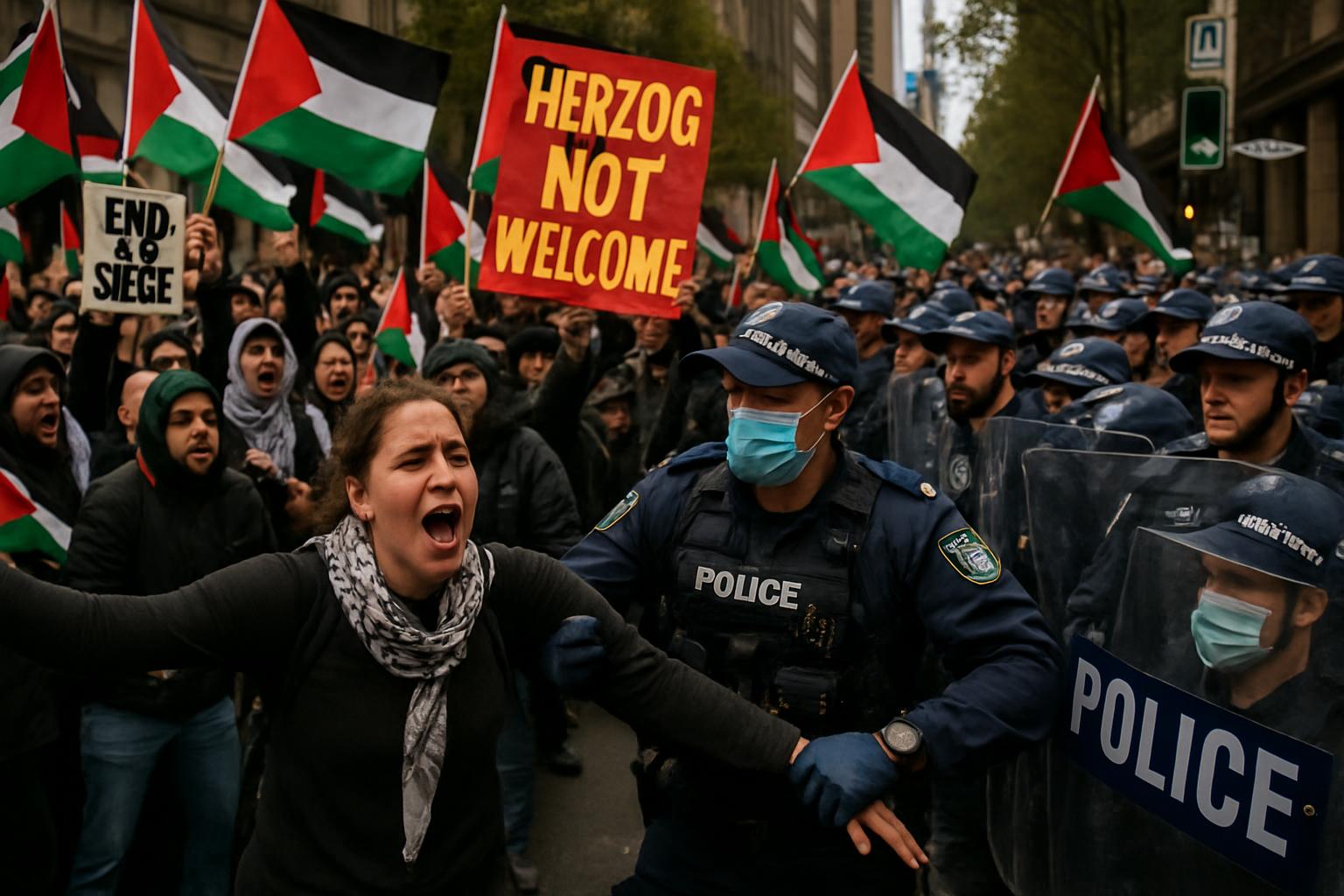
Sydney Police Under Scrutiny Following Violent Anti-Herzog Protest

Trump's New Tariff Strategy Sparks Global Trade Uncertainty
Australia Initiates Major Gun Buyback Following Bondi Beach Terror Attack
In This Article
HIGHLIGHTS
- Australia launches its largest gun buyback scheme since 1996 following the Bondi Beach attack, which left 15 dead.
- The attack, motivated by "Islamic State ideology," was carried out by a father-son duo; Naveed Akram faces 59 charges.
- New gun control measures include capping firearm ownership, requiring citizenship for licenses, and accelerating a national firearms register.
- Prime Minister Anthony Albanese emphasizes the need for bipartisanship in reforming gun laws amid rising firearm numbers.
- Seven men detained in Sydney over extremist ideology were released but remain under surveillance.
In response to a devastating terrorist attack at Bondi Beach, the Australian government has announced a comprehensive gun buyback scheme, marking the most significant initiative of its kind since the Port Arthur massacre in 1996. The attack, which claimed 15 lives and injured dozens, was perpetrated by a father-son duo reportedly inspired by "Islamic State ideology." Naveed Akram, 24, has been charged with 59 offenses, including multiple counts of murder and committing a terrorist act, while his father, Sajid, was killed during the incident.
Government's Response and New Measures
The national cabinet, comprising federal and state leaders, swiftly moved to tighten gun control measures. Prime Minister Anthony Albanese highlighted the alarming statistic of over 4 million firearms in Australia, surpassing numbers seen during the Port Arthur era. "There's no reason why someone in Sydney's suburbs should possess six firearms," Albanese stated, underscoring the need for reform.
The new buyback scheme, co-funded by federal and state governments, aims to collect and destroy hundreds of thousands of surplus, newly banned, and illegal firearms. Additionally, the government plans to cap the number of firearms individuals can own, restrict open-ended licenses, and mandate Australian citizenship for firearm ownership. Efforts to expedite the creation of a national firearms register are also underway.
Community Impact and Ongoing Investigations
The Jewish community, deeply affected by the attack, has been actively participating in vigils and memorials. Rabbi Alon Meltzer emphasized the importance of maintaining Jewish culture and identity in the face of such violence. Meanwhile, seven men detained in Sydney's southwest for suspected extremist activities have been released but will remain under close watch by authorities.
Public and Political Reactions
The buyback initiative has sparked a call for bipartisan support, with Albanese urging cooperation across political lines to ensure public safety. However, some political figures, including Labor's Dan Repacholi, have expressed concerns about targeting responsible gun owners, advocating instead for improved information sharing and risk assessment.
WHAT THIS MIGHT MEAN
As Australia embarks on this ambitious gun buyback program, the effectiveness of these measures will be closely monitored. The success of the initiative could set a precedent for future gun control policies, potentially influencing international approaches to firearm regulation. Politically, the government's ability to maintain bipartisan support will be crucial in implementing these reforms. Experts suggest that while the buyback may reduce the number of firearms, addressing the root causes of radicalization and improving intelligence sharing will be essential in preventing future attacks.
Related Articles
Australia Bars IS-Linked Citizen from Returning Amidst Repatriation Debate
Canada and Australia Forge Strategic Partnership Amid Global Uncertainty
Canada Calls for De-escalation Amid US-Israel Strikes on Iran
Prince Andrew's Arrest Raises Questions About Royal Succession and Monarchy's Future
Sydney Police Under Scrutiny Following Violent Anti-Herzog Protest
Trump's New Tariff Strategy Sparks Global Trade Uncertainty