
Australia's Social Media Ban for Teens Sparks Global Debate
In This Article
HIGHLIGHTS
- Australia's social media ban for under-16s is set to begin in a few days, with platforms required to verify users' ages or face fines.
- Concerns arise over the effectiveness of age verification technology, with teens reportedly bypassing it easily.
- Critics argue the ban may push children to less regulated online spaces and fail to address root causes of online harm.
- The legislation has sparked a global conversation, with countries like Malaysia, Denmark, and Norway considering similar measures.
- Experts emphasize the need for improved digital literacy education to address online safety more effectively.
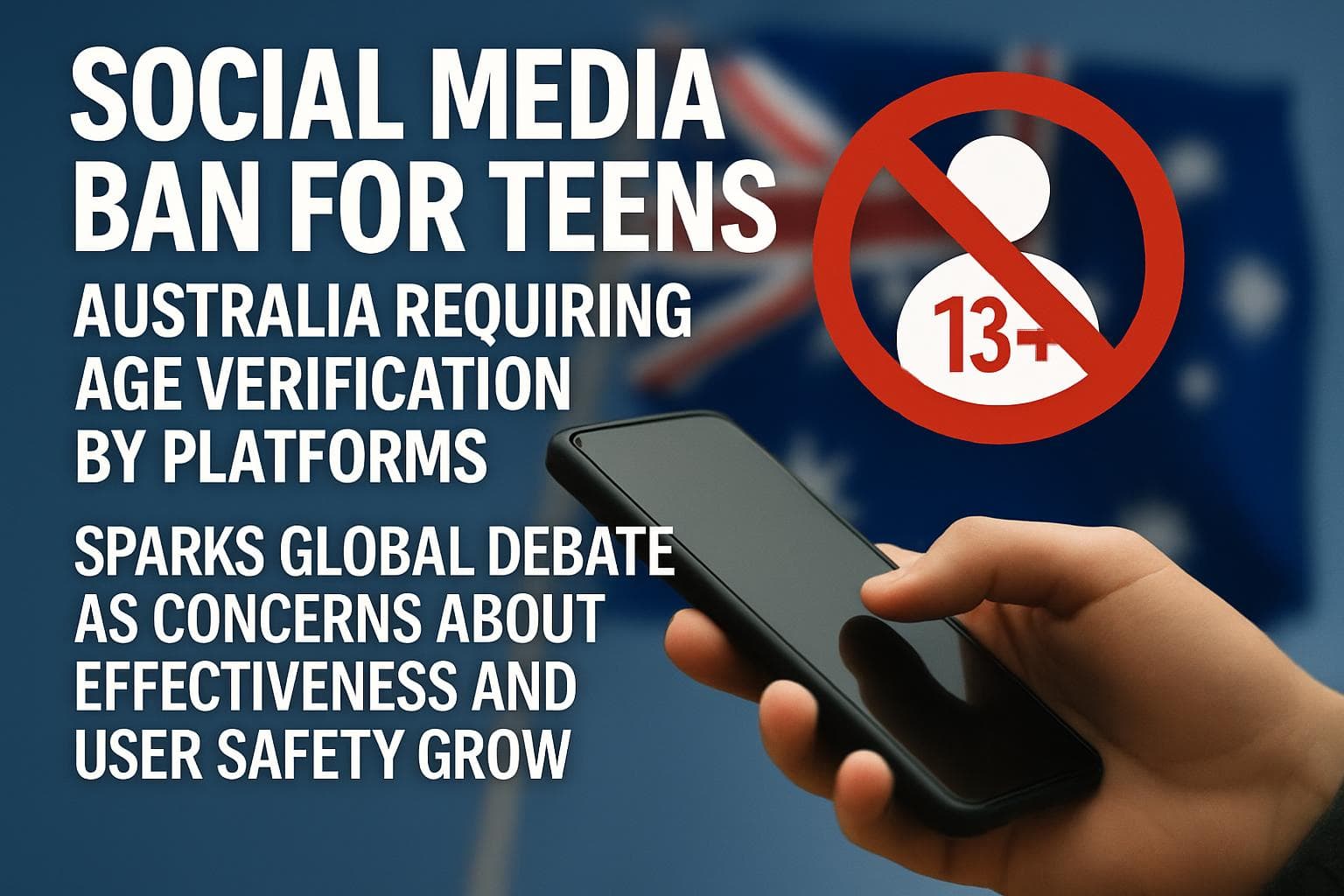
Australia is on the brink of implementing a groundbreaking social media ban for users under 16, a move that has ignited discussions worldwide. Set to take effect in just a few days, the legislation mandates social media platforms to verify the ages of their users or face hefty fines of up to $49.5 million. This initiative aims to shield young people from the potential harms of social media, but its feasibility and impact remain hotly debated.
Concerns Over Age Verification and Safety
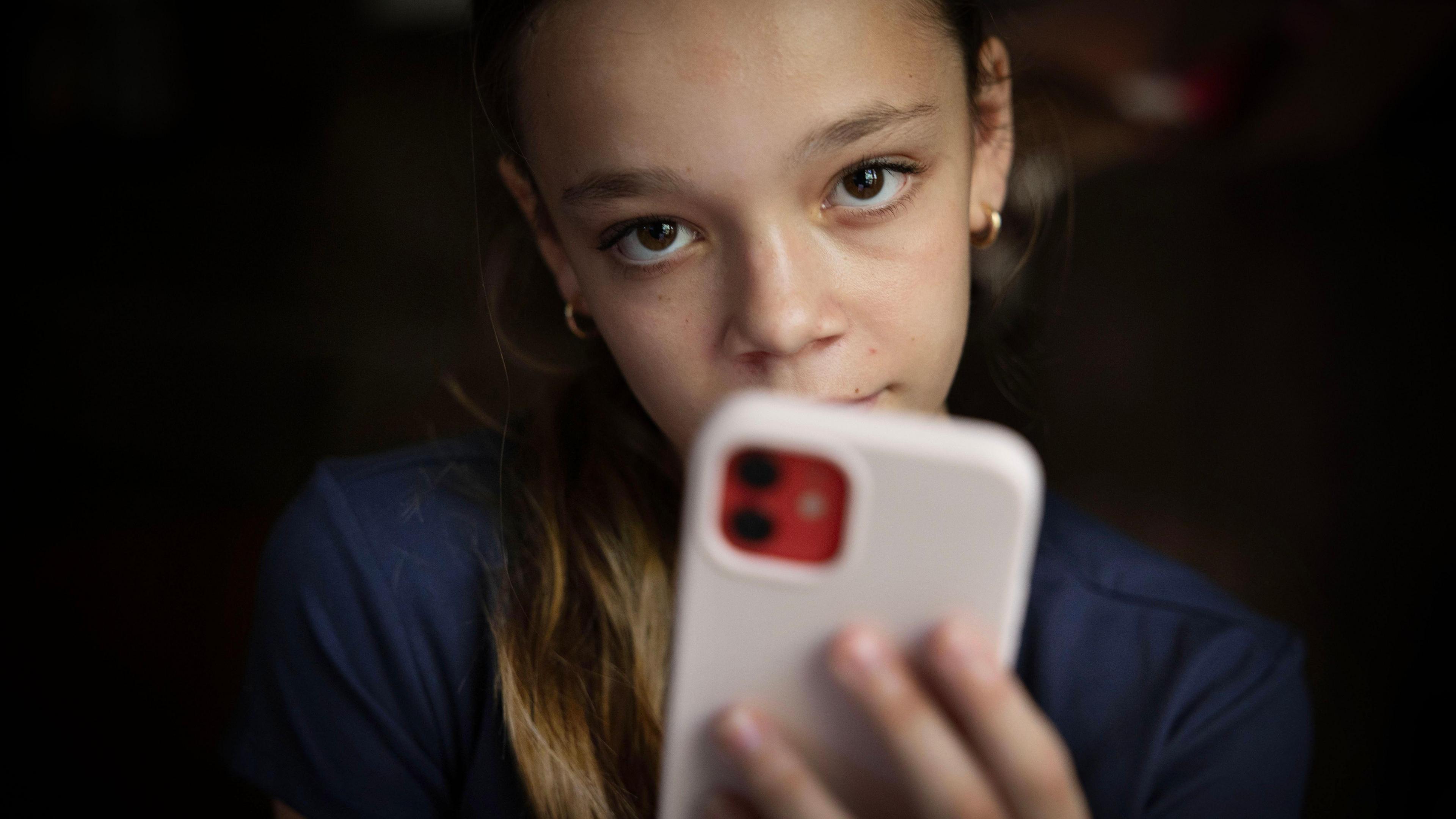
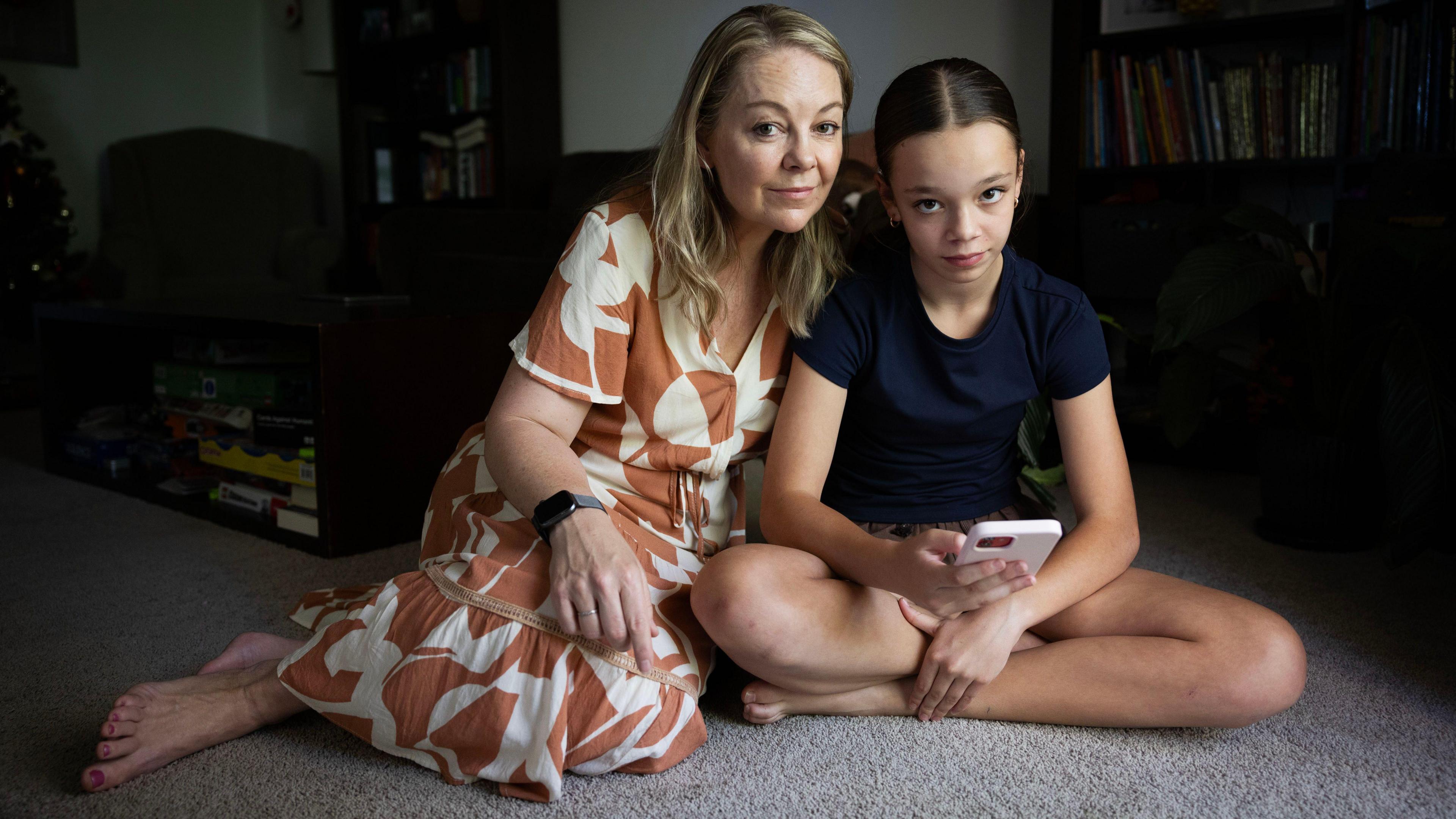
The ban has been met with skepticism, particularly regarding the reliability of age verification technologies. Thirteen-year-old Isobel demonstrated the ease with which the system can be circumvented, using a photo of her mother to bypass Snapchat's age check. Such incidents have fueled doubts about the policy's effectiveness, with critics warning it could inadvertently drive children to less regulated corners of the internet.
Parents and experts alike are questioning whether this approach addresses the root causes of online harm. Emma Mason, a mother who lost her daughter to cyberbullying, has been a vocal advocate for stricter regulations. However, she and others worry that the ban might not be the comprehensive solution needed to protect children online.
Global Implications and Reactions
Australia's decision has caught the attention of other nations, with Malaysia, Denmark, and Norway considering similar restrictions. The European Union recently passed a resolution to explore such measures, highlighting the global concern over social media's impact on youth. Supporters of the ban argue it could mitigate mental health risks and reduce exposure to harmful content, while opponents fear it may infringe on young people's rights and exacerbate existing issues.
The Role of Digital Literacy
Amidst the debate, experts emphasize the importance of digital literacy education as a more sustainable solution. Sarai Ades, a 14-year-old member of the Australian Theatre for Young People's youth advisory board, argues that media literacy is crucial for navigating the online world safely. She believes that without addressing the underlying issues, such as algorithmic amplification of harmful content, the ban may prove ineffective.
WHAT THIS MIGHT MEAN
As Australia prepares to enforce its social media ban, the world watches closely to see its outcomes. If successful, the policy could set a precedent for other countries grappling with similar concerns. However, should the ban prove ineffective or counterproductive, it may prompt a reevaluation of strategies to protect young users online.
The legislation's impact on digital literacy education could also be significant. If the ban highlights gaps in current educational approaches, it may drive efforts to integrate comprehensive digital literacy programs into school curriculums, equipping future generations with the skills needed to navigate the digital landscape safely.
Images from the Web
Related Articles

EU Launches Investigation into Shein Over Alleged Digital Law Breaches
Zuckerberg Defends Meta in Landmark Social Media Addiction Trial
Canada and Australia Forge Strategic Partnership Amid Global Uncertainty
UK Government to Reform Asylum Seeker Support and Employment Policies

Russian LNG Tanker Sinks in Mediterranean Amid Accusations of Ukrainian Drone Attack
Spain's Sánchez Stands Firm Against Trump's Trade Threat Over Iran Stance
Australia's Social Media Ban for Teens Sparks Global Debate
In This Article
 Himanshu Kaushik| Published
 HIGHLIGHTS
- Australia's social media ban for under-16s is set to begin in a few days, with platforms required to verify users' ages or face fines.
- Concerns arise over the effectiveness of age verification technology, with teens reportedly bypassing it easily.
- Critics argue the ban may push children to less regulated online spaces and fail to address root causes of online harm.
- The legislation has sparked a global conversation, with countries like Malaysia, Denmark, and Norway considering similar measures.
- Experts emphasize the need for improved digital literacy education to address online safety more effectively.
Australia is on the brink of implementing a groundbreaking social media ban for users under 16, a move that has ignited discussions worldwide. Set to take effect in just a few days, the legislation mandates social media platforms to verify the ages of their users or face hefty fines of up to $49.5 million. This initiative aims to shield young people from the potential harms of social media, but its feasibility and impact remain hotly debated.
Concerns Over Age Verification and Safety
The ban has been met with skepticism, particularly regarding the reliability of age verification technologies. Thirteen-year-old Isobel demonstrated the ease with which the system can be circumvented, using a photo of her mother to bypass Snapchat's age check. Such incidents have fueled doubts about the policy's effectiveness, with critics warning it could inadvertently drive children to less regulated corners of the internet.
Parents and experts alike are questioning whether this approach addresses the root causes of online harm. Emma Mason, a mother who lost her daughter to cyberbullying, has been a vocal advocate for stricter regulations. However, she and others worry that the ban might not be the comprehensive solution needed to protect children online.
Global Implications and Reactions
Australia's decision has caught the attention of other nations, with Malaysia, Denmark, and Norway considering similar restrictions. The European Union recently passed a resolution to explore such measures, highlighting the global concern over social media's impact on youth. Supporters of the ban argue it could mitigate mental health risks and reduce exposure to harmful content, while opponents fear it may infringe on young people's rights and exacerbate existing issues.
The Role of Digital Literacy
Amidst the debate, experts emphasize the importance of digital literacy education as a more sustainable solution. Sarai Ades, a 14-year-old member of the Australian Theatre for Young People's youth advisory board, argues that media literacy is crucial for navigating the online world safely. She believes that without addressing the underlying issues, such as algorithmic amplification of harmful content, the ban may prove ineffective.
WHAT THIS MIGHT MEAN
As Australia prepares to enforce its social media ban, the world watches closely to see its outcomes. If successful, the policy could set a precedent for other countries grappling with similar concerns. However, should the ban prove ineffective or counterproductive, it may prompt a reevaluation of strategies to protect young users online.
The legislation's impact on digital literacy education could also be significant. If the ban highlights gaps in current educational approaches, it may drive efforts to integrate comprehensive digital literacy programs into school curriculums, equipping future generations with the skills needed to navigate the digital landscape safely.
Images from the Web
Related Articles
EU Launches Investigation into Shein Over Alleged Digital Law Breaches
Zuckerberg Defends Meta in Landmark Social Media Addiction Trial
Canada and Australia Forge Strategic Partnership Amid Global Uncertainty
UK Government to Reform Asylum Seeker Support and Employment Policies
Russian LNG Tanker Sinks in Mediterranean Amid Accusations of Ukrainian Drone Attack
Spain's Sánchez Stands Firm Against Trump's Trade Threat Over Iran Stance