
Historic Return: Shubhanshu Shukla and Axiom-4 Crew Head Back to Earth

In This Article
HIGHLIGHTS
- Shubhanshu Shukla, the first Indian astronaut on the ISS, is returning to Earth with the Axiom-4 crew.
- The Axiom-4 mission, led by Peggy Whitson, conducted 60 scientific experiments, including seven by ISRO.
- The Crew Dragon capsule undocked from the ISS and is expected to splash down off California's coast.
- Axiom Space's mission marks the first human spaceflight for India, Poland, and Hungary in over 40 years.
- ISRO plans to use the experience gained for its Gaganyaan mission, aiming for a human spaceflight in 2027.
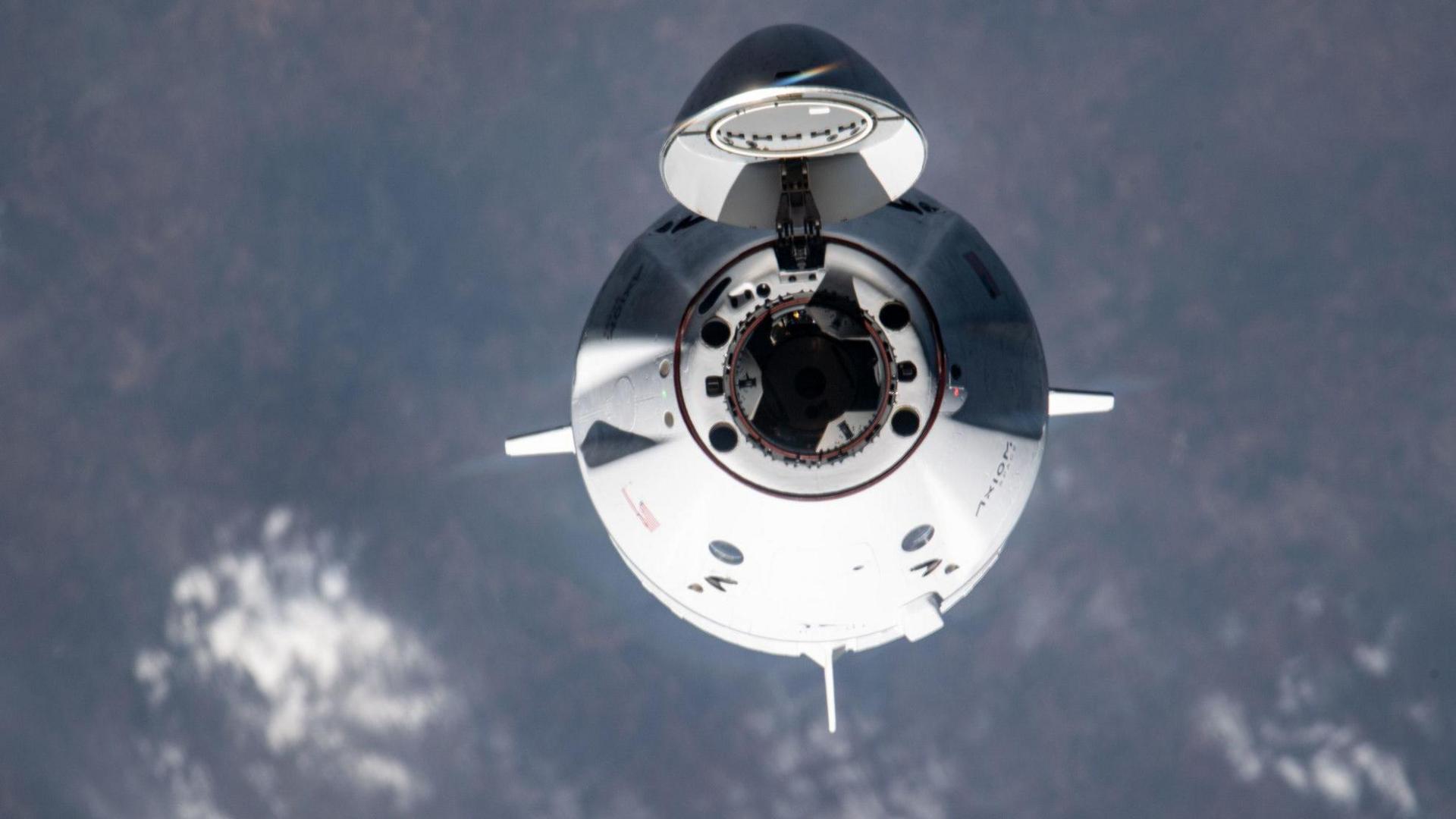
The Axiom-4 mission, marking a significant milestone in international space collaboration, is set to conclude as its crew, including Shubhanshu Shukla, the first Indian astronaut to visit the International Space Station (ISS), returns to Earth. The mission, a joint venture involving Axiom Space, NASA, SpaceX, and the Indian Space Research Organisation (ISRO), saw the Crew Dragon capsule undock from the ISS early Monday morning.
A Pioneering Mission
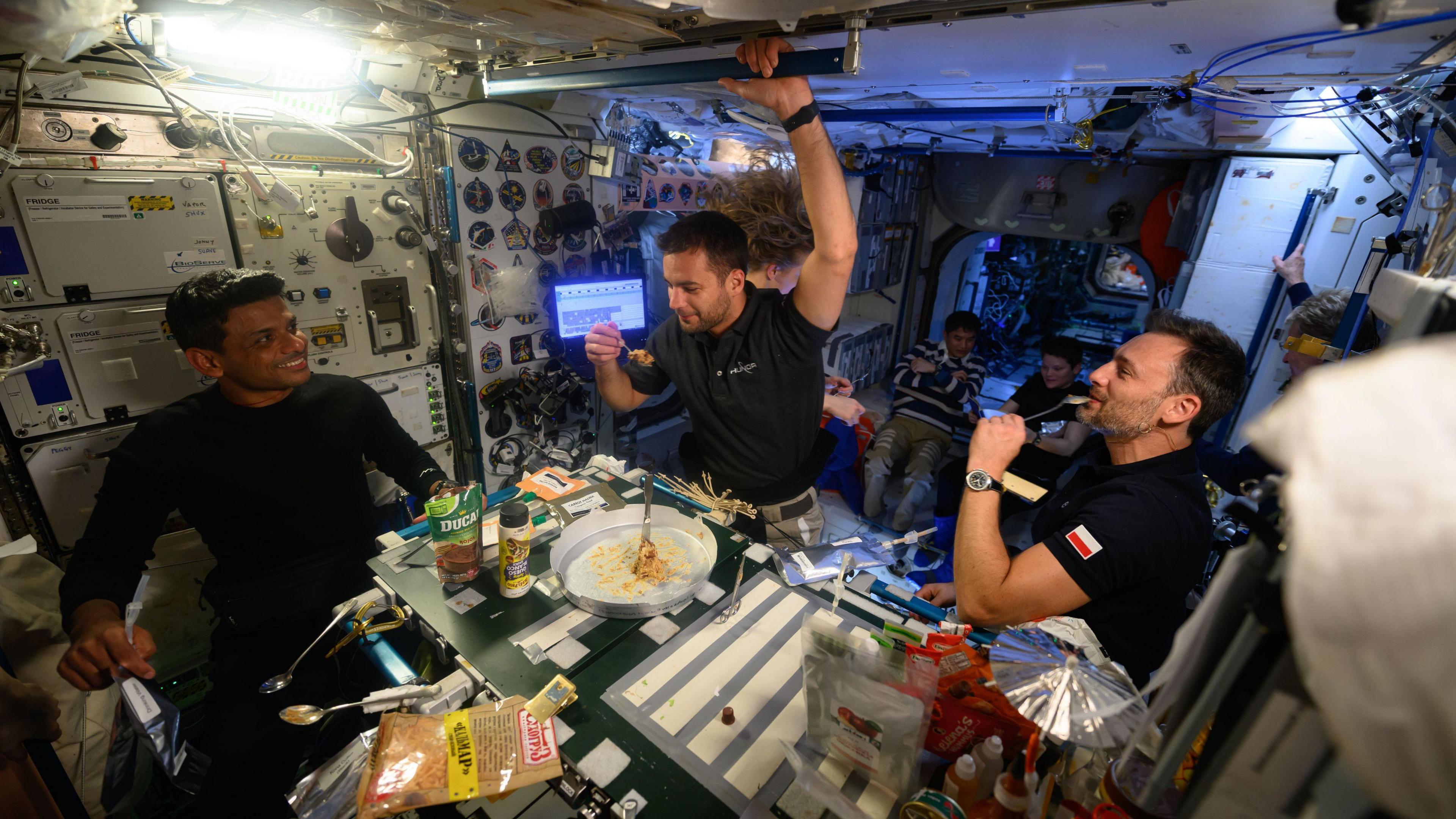
Led by former NASA astronaut Peggy Whitson, the Axiom-4 mission included astronauts from India, Poland, and Hungary, each representing their country's first human spaceflight in over four decades. The crew, which also featured Slawosz Uznanski-Wisniewski from Poland and Tibor Kapu from Hungary, spent 18 days aboard the ISS conducting a series of scientific experiments. Among these were seven experiments designed by ISRO, reflecting India's growing ambitions in space exploration.
Return Journey and Splashdown
The Crew Dragon capsule, dubbed "Grace," began its return journey with a scheduled splashdown in the Pacific Ocean off the coast of California. The descent, expected to take approximately 22 hours, will conclude with the capsule parachuting into the ocean, where a recovery vessel will retrieve the crew. This mission marks the fourth such flight organized by Axiom Space, a company at the forefront of commercial space missions.
India's Space Ambitions
Shubhanshu Shukla's participation in the mission is a significant step for India's space program, coming 41 years after Rakesh Sharma's historic flight aboard a Russian Soyuz. ISRO, which invested 5 billion rupees ($59 million) for Shukla's seat and training, aims to leverage the insights gained for its upcoming Gaganyaan mission, slated for 2027. In a farewell address from the ISS, Shukla expressed optimism about India's future in space, stating, "Today's India looks ambitious, fearless, confident, and proud."
Axiom Space's Vision
Axiom Space, co-founded by a former NASA ISS program manager, is developing a commercial space station to eventually replace the ISS, which NASA plans to retire by 2030. The company's collaboration with SpaceX has been pivotal in advancing commercial spaceflight, with Axiom-4 marking the 18th crewed mission by SpaceX since 2020.
WHAT THIS MIGHT MEAN
As the Axiom-4 mission concludes, the successful return of its crew could bolster international partnerships in space exploration. For India, the mission's success is a stepping stone toward its Gaganyaan project, potentially positioning the country as a key player in human spaceflight. Axiom Space's continued collaboration with SpaceX and other international agencies may accelerate the development of commercial space stations, paving the way for a new era of space exploration and research. The mission's outcomes could influence future policies and investments in space technology, fostering innovation and collaboration on a global scale.
Images from the Web
Related Articles
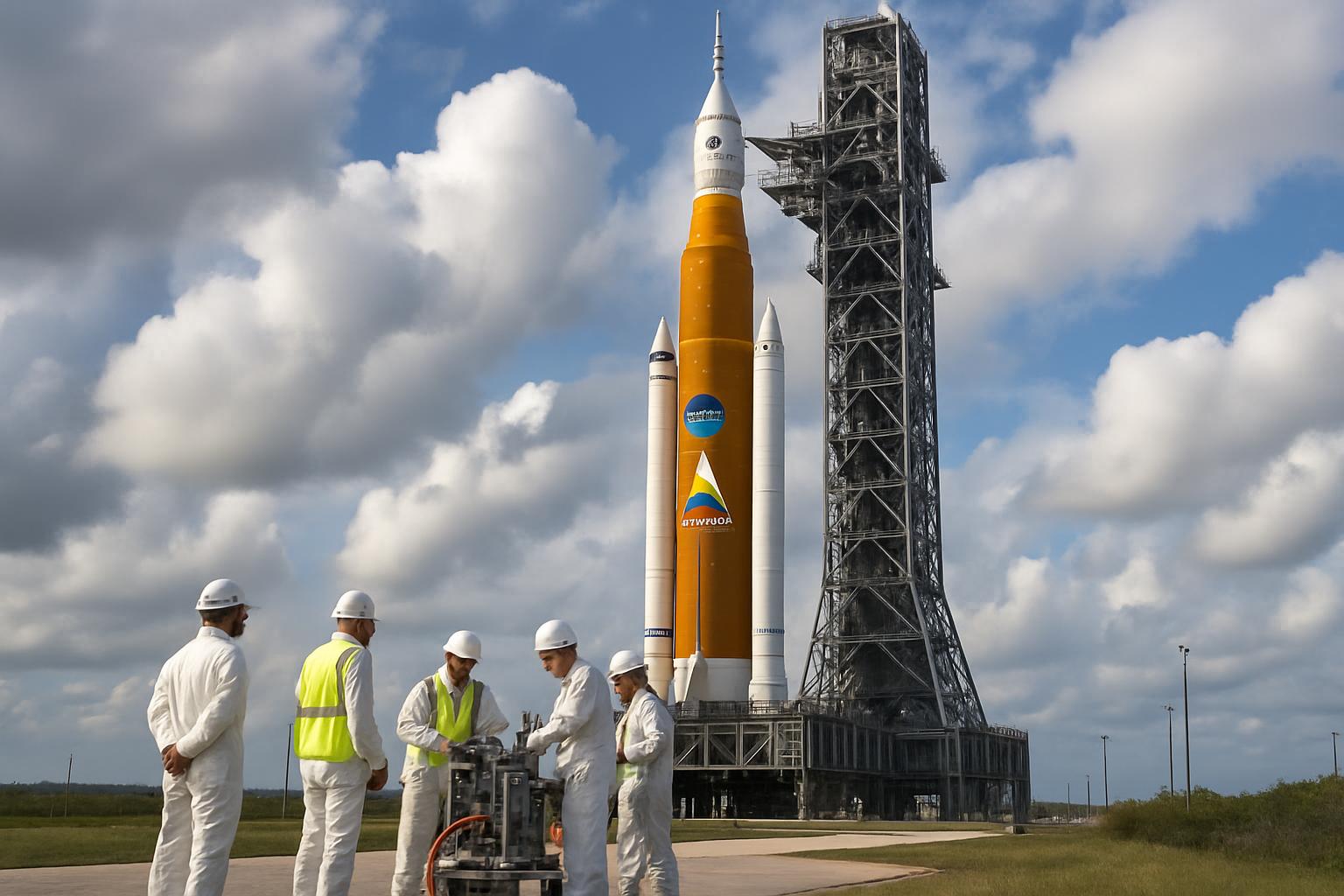
NASA's Artemis II Moon Mission Faces Delay Due to Helium Flow Issue
NASA Sets March Launch for Historic Artemis II Moon Mission

Elon Musk Defends Tweets in Twitter Takeover Trial

Tragedy in the Sierra Nevada: Deadly Avalanche Claims Nine Lives

Tragedy Strikes as Avalanche Claims Eight Lives in California's Sierra Nevada

Avalanche Risks Surge Amidst Extreme Weather Conditions in California and Europe
Historic Return: Shubhanshu Shukla and Axiom-4 Crew Head Back to Earth
In This Article
 Leila Hassan| Published
 HIGHLIGHTS
- Shubhanshu Shukla, the first Indian astronaut on the ISS, is returning to Earth with the Axiom-4 crew.
- The Axiom-4 mission, led by Peggy Whitson, conducted 60 scientific experiments, including seven by ISRO.
- The Crew Dragon capsule undocked from the ISS and is expected to splash down off California's coast.
- Axiom Space's mission marks the first human spaceflight for India, Poland, and Hungary in over 40 years.
- ISRO plans to use the experience gained for its Gaganyaan mission, aiming for a human spaceflight in 2027.
The Axiom-4 mission, marking a significant milestone in international space collaboration, is set to conclude as its crew, including Shubhanshu Shukla, the first Indian astronaut to visit the International Space Station (ISS), returns to Earth. The mission, a joint venture involving Axiom Space, NASA, SpaceX, and the Indian Space Research Organisation (ISRO), saw the Crew Dragon capsule undock from the ISS early Monday morning.
A Pioneering Mission
Led by former NASA astronaut Peggy Whitson, the Axiom-4 mission included astronauts from India, Poland, and Hungary, each representing their country's first human spaceflight in over four decades. The crew, which also featured Slawosz Uznanski-Wisniewski from Poland and Tibor Kapu from Hungary, spent 18 days aboard the ISS conducting a series of scientific experiments. Among these were seven experiments designed by ISRO, reflecting India's growing ambitions in space exploration.
Return Journey and Splashdown
The Crew Dragon capsule, dubbed "Grace," began its return journey with a scheduled splashdown in the Pacific Ocean off the coast of California. The descent, expected to take approximately 22 hours, will conclude with the capsule parachuting into the ocean, where a recovery vessel will retrieve the crew. This mission marks the fourth such flight organized by Axiom Space, a company at the forefront of commercial space missions.
India's Space Ambitions
Shubhanshu Shukla's participation in the mission is a significant step for India's space program, coming 41 years after Rakesh Sharma's historic flight aboard a Russian Soyuz. ISRO, which invested 5 billion rupees ($59 million) for Shukla's seat and training, aims to leverage the insights gained for its upcoming Gaganyaan mission, slated for 2027. In a farewell address from the ISS, Shukla expressed optimism about India's future in space, stating, "Today's India looks ambitious, fearless, confident, and proud."
Axiom Space's Vision
Axiom Space, co-founded by a former NASA ISS program manager, is developing a commercial space station to eventually replace the ISS, which NASA plans to retire by 2030. The company's collaboration with SpaceX has been pivotal in advancing commercial spaceflight, with Axiom-4 marking the 18th crewed mission by SpaceX since 2020.
WHAT THIS MIGHT MEAN
As the Axiom-4 mission concludes, the successful return of its crew could bolster international partnerships in space exploration. For India, the mission's success is a stepping stone toward its Gaganyaan project, potentially positioning the country as a key player in human spaceflight. Axiom Space's continued collaboration with SpaceX and other international agencies may accelerate the development of commercial space stations, paving the way for a new era of space exploration and research. The mission's outcomes could influence future policies and investments in space technology, fostering innovation and collaboration on a global scale.
Images from the Web
Related Articles
NASA's Artemis II Moon Mission Faces Delay Due to Helium Flow Issue
NASA Sets March Launch for Historic Artemis II Moon Mission
Elon Musk Defends Tweets in Twitter Takeover Trial
Tragedy in the Sierra Nevada: Deadly Avalanche Claims Nine Lives
Tragedy Strikes as Avalanche Claims Eight Lives in California's Sierra Nevada
Avalanche Risks Surge Amidst Extreme Weather Conditions in California and Europe