
NASA's Artemis II Moon Mission Faces Delay Due to Helium Flow Issue

In This Article
HIGHLIGHTS
- NASA's Artemis II mission, initially set for a March 6 launch, faces delays due to a helium flow issue.
- The helium interruption affects the rocket's cryogenic propulsion stage, crucial for launch operations.
- Four astronauts, including three Americans and one Canadian, are set to embark on a 10-day lunar mission.
- NASA may roll back the rocket to the vehicle assembly building, impacting the March launch window.
- The mission aims to pave the way for Artemis III, targeting a moon landing by 2028.
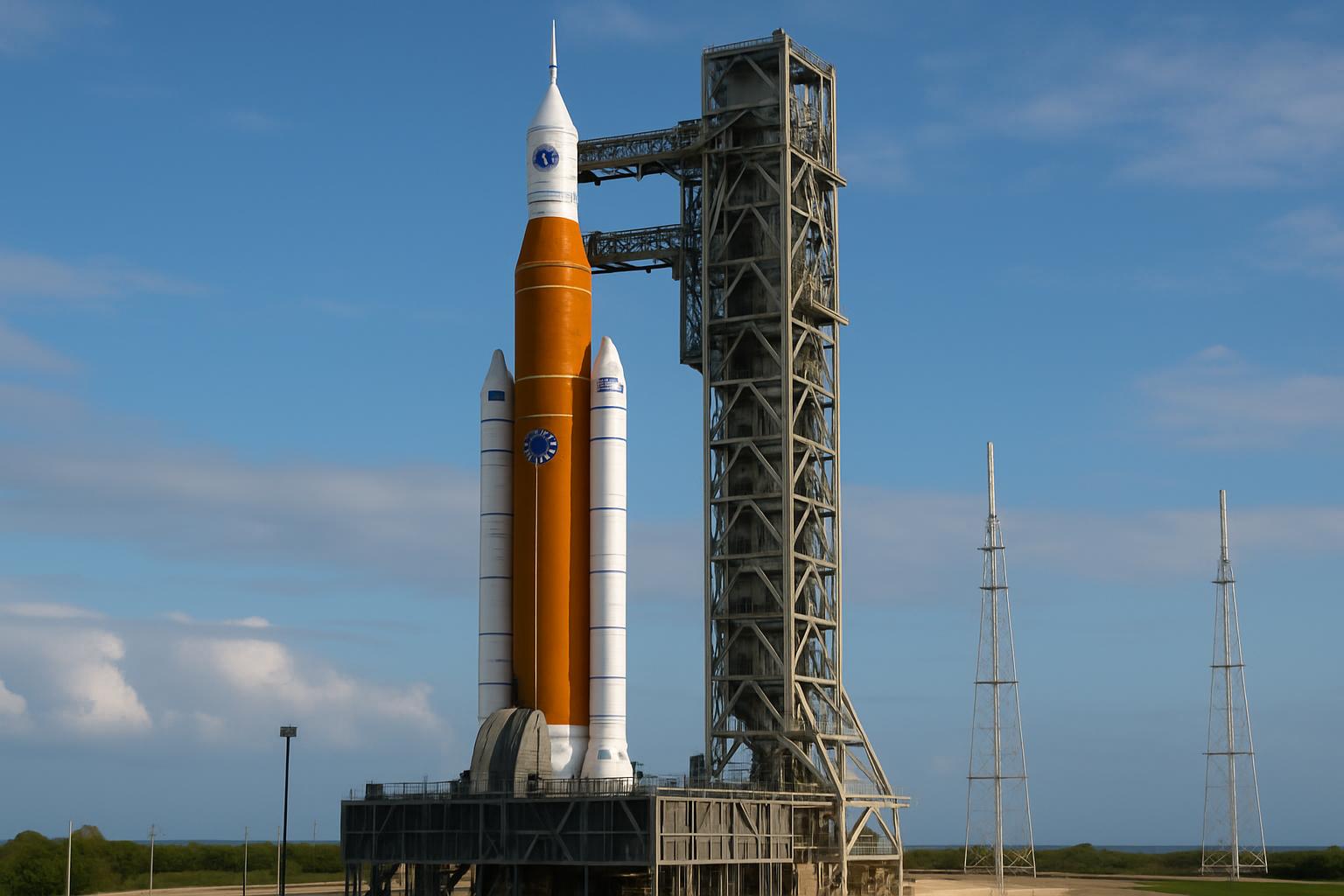
NASA's highly anticipated Artemis II mission, which aims to send astronauts around the moon for the first time in over five decades, has encountered a significant setback. Initially scheduled for a March 6 launch, the mission has been postponed due to an unexpected interruption in the helium flow, a critical component for the rocket's launch operations.
Technical Setback at Kennedy Space Center
The issue was detected during routine checks at the Kennedy Space Center in Florida, where engineers observed an interruption in the helium flow required for the space launch system rocket's interim cryogenic propulsion stage. Helium is essential for pressurizing fuel tanks and cooling rocket systems, making its flow interruption a serious technical concern.
NASA Administrator Jared Isaacman expressed understanding of the disappointment this delay may cause, emphasizing that space missions often face such challenges. The agency is now considering rolling back the Artemis II rocket and Orion spacecraft to the vehicle assembly building, a move that will likely affect the March launch window.
Astronauts Prepare for Historic Journey
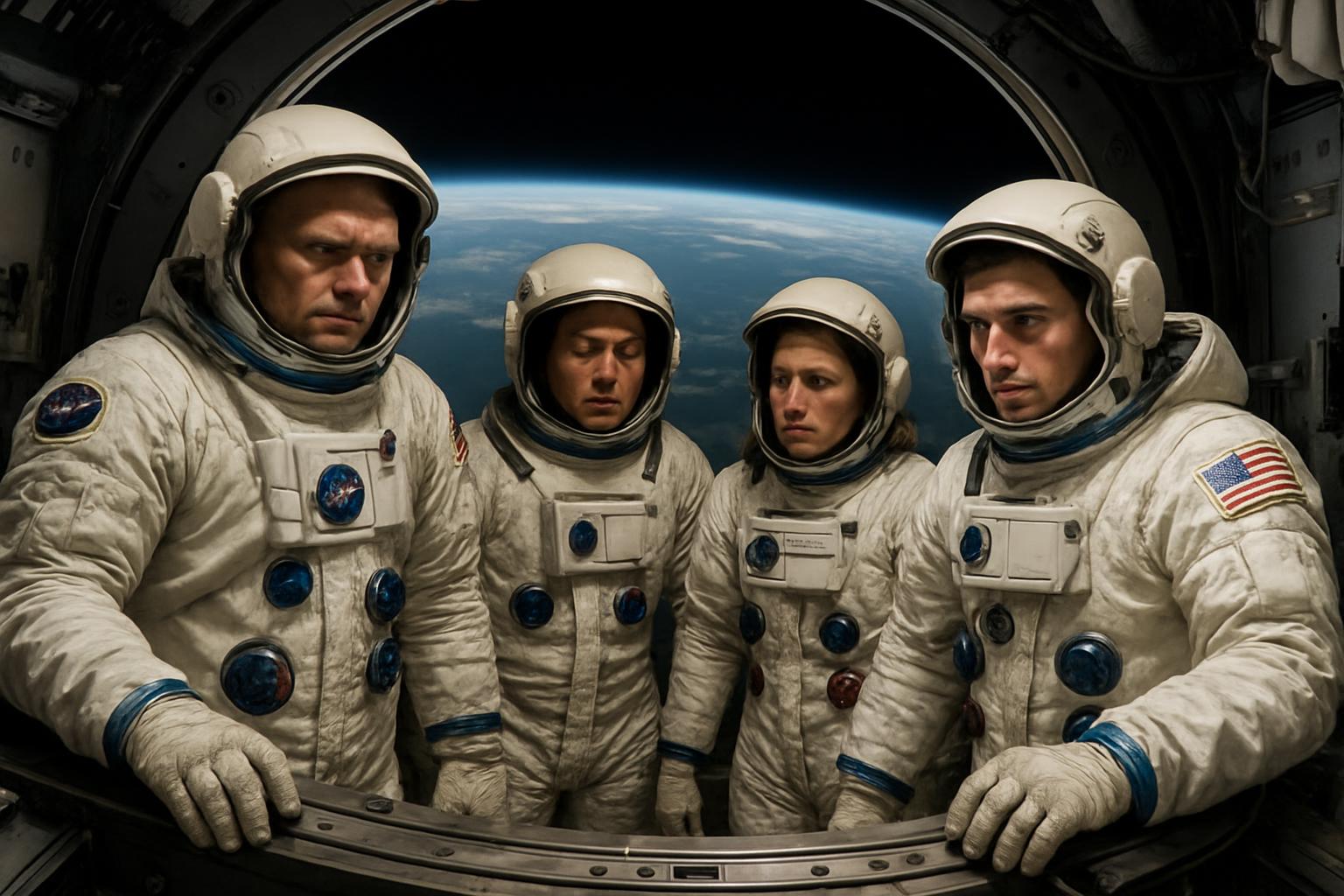
The Artemis II mission involves a crew of four astronauts: Americans Reid Wiseman, Victor Glover, and Christina Koch, alongside Canadian Jeremy Hansen. The team is set to embark on a 10-day journey that will take them 4,700 miles beyond the far side of the moon, surpassing the distance record set by Apollo 13 in 1970. This mission is a crucial step in testing systems for future deep-space exploration.
Despite the setback, the astronauts remain in quarantine, preparing for the mission's new target date. NASA has several potential launch dates in early March, but the helium issue must be resolved before any further steps can be taken.
Future Implications for Space Exploration
The Artemis II mission is a precursor to Artemis III, which aims to achieve the first human moon landing since 1972 by 2028. While the timeline is ambitious, NASA remains committed to advancing human space exploration and paving the way for future missions beyond Earth's orbit.
WHAT THIS MIGHT MEAN
The delay in the Artemis II mission underscores the complexities and technical challenges inherent in space exploration. Resolving the helium flow issue is crucial for maintaining the mission's momentum and ensuring the safety of the crew. If successful, Artemis II will provide valuable insights and data for the subsequent Artemis III mission, which aims to land astronauts on the moon.
The delay may also impact NASA's broader timeline for lunar exploration, potentially pushing back the ambitious 2028 target for Artemis III. However, overcoming these challenges could strengthen NASA's capabilities and readiness for future deep-space missions, reinforcing its leadership in space exploration.
Related Articles

NASA Sets March Launch for Historic Artemis II Moon Mission
Nasa Prepares for Historic Artemis II Mission to the Moon
NASA Cuts ISS Mission Short Due to Astronaut's Medical Condition

NASA Conducts First Medical Evacuation from International Space Station

Google Faces Legal Battle Over AI Chatbot's Alleged Role in Tragic Death

Armed Intruder Fatally Shot at Mar-a-Lago by Secret Service
NASA's Artemis II Moon Mission Faces Delay Due to Helium Flow Issue
In This Article
 Leila Hassan| Published
 HIGHLIGHTS
- NASA's Artemis II mission, initially set for a March 6 launch, faces delays due to a helium flow issue.
- The helium interruption affects the rocket's cryogenic propulsion stage, crucial for launch operations.
- Four astronauts, including three Americans and one Canadian, are set to embark on a 10-day lunar mission.
- NASA may roll back the rocket to the vehicle assembly building, impacting the March launch window.
- The mission aims to pave the way for Artemis III, targeting a moon landing by 2028.
NASA's highly anticipated Artemis II mission, which aims to send astronauts around the moon for the first time in over five decades, has encountered a significant setback. Initially scheduled for a March 6 launch, the mission has been postponed due to an unexpected interruption in the helium flow, a critical component for the rocket's launch operations.
Technical Setback at Kennedy Space Center
The issue was detected during routine checks at the Kennedy Space Center in Florida, where engineers observed an interruption in the helium flow required for the space launch system rocket's interim cryogenic propulsion stage. Helium is essential for pressurizing fuel tanks and cooling rocket systems, making its flow interruption a serious technical concern.
NASA Administrator Jared Isaacman expressed understanding of the disappointment this delay may cause, emphasizing that space missions often face such challenges. The agency is now considering rolling back the Artemis II rocket and Orion spacecraft to the vehicle assembly building, a move that will likely affect the March launch window.
Astronauts Prepare for Historic Journey
The Artemis II mission involves a crew of four astronauts: Americans Reid Wiseman, Victor Glover, and Christina Koch, alongside Canadian Jeremy Hansen. The team is set to embark on a 10-day journey that will take them 4,700 miles beyond the far side of the moon, surpassing the distance record set by Apollo 13 in 1970. This mission is a crucial step in testing systems for future deep-space exploration.
Despite the setback, the astronauts remain in quarantine, preparing for the mission's new target date. NASA has several potential launch dates in early March, but the helium issue must be resolved before any further steps can be taken.
Future Implications for Space Exploration
The Artemis II mission is a precursor to Artemis III, which aims to achieve the first human moon landing since 1972 by 2028. While the timeline is ambitious, NASA remains committed to advancing human space exploration and paving the way for future missions beyond Earth's orbit.
WHAT THIS MIGHT MEAN
The delay in the Artemis II mission underscores the complexities and technical challenges inherent in space exploration. Resolving the helium flow issue is crucial for maintaining the mission's momentum and ensuring the safety of the crew. If successful, Artemis II will provide valuable insights and data for the subsequent Artemis III mission, which aims to land astronauts on the moon.
The delay may also impact NASA's broader timeline for lunar exploration, potentially pushing back the ambitious 2028 target for Artemis III. However, overcoming these challenges could strengthen NASA's capabilities and readiness for future deep-space missions, reinforcing its leadership in space exploration.
Related Articles
NASA Sets March Launch for Historic Artemis II Moon Mission
Nasa Prepares for Historic Artemis II Mission to the Moon
NASA Cuts ISS Mission Short Due to Astronaut's Medical Condition
NASA Conducts First Medical Evacuation from International Space Station
Google Faces Legal Battle Over AI Chatbot's Alleged Role in Tragic Death
Armed Intruder Fatally Shot at Mar-a-Lago by Secret Service