
Nasa Prepares for Historic Artemis II Mission to the Moon

In This Article
HIGHLIGHTS
- Nasa's Artemis II mission aims to send astronauts around the Moon, marking the first crewed lunar mission since 1972.
- The Space Launch System (SLS) rocket has been moved to the launch pad at Kennedy Space Center, with a potential launch date as early as 6 February.
- The mission will include four astronauts, testing life support and communications systems in the Orion capsule.
- Artemis II is a precursor to Artemis III, which aims to land astronauts on the Moon, potentially by 2028.
- The mission is seen as a significant step in the renewed space race, with the US aiming to outpace China's lunar ambitions.
Nasa's Artemis II mission is poised to make history as the first crewed lunar mission in over half a century. The Space Launch System (SLS) rocket, towering nearly 100 meters, has been transported to Launch Pad 39B at the Kennedy Space Center in Florida, setting the stage for a groundbreaking journey around the Moon. This mission, scheduled for launch as early as 6 February, will see four astronauts embark on a 685,000-mile round trip, culminating in a splashdown in the Pacific Ocean after approximately 10 days.
Final Preparations Underway
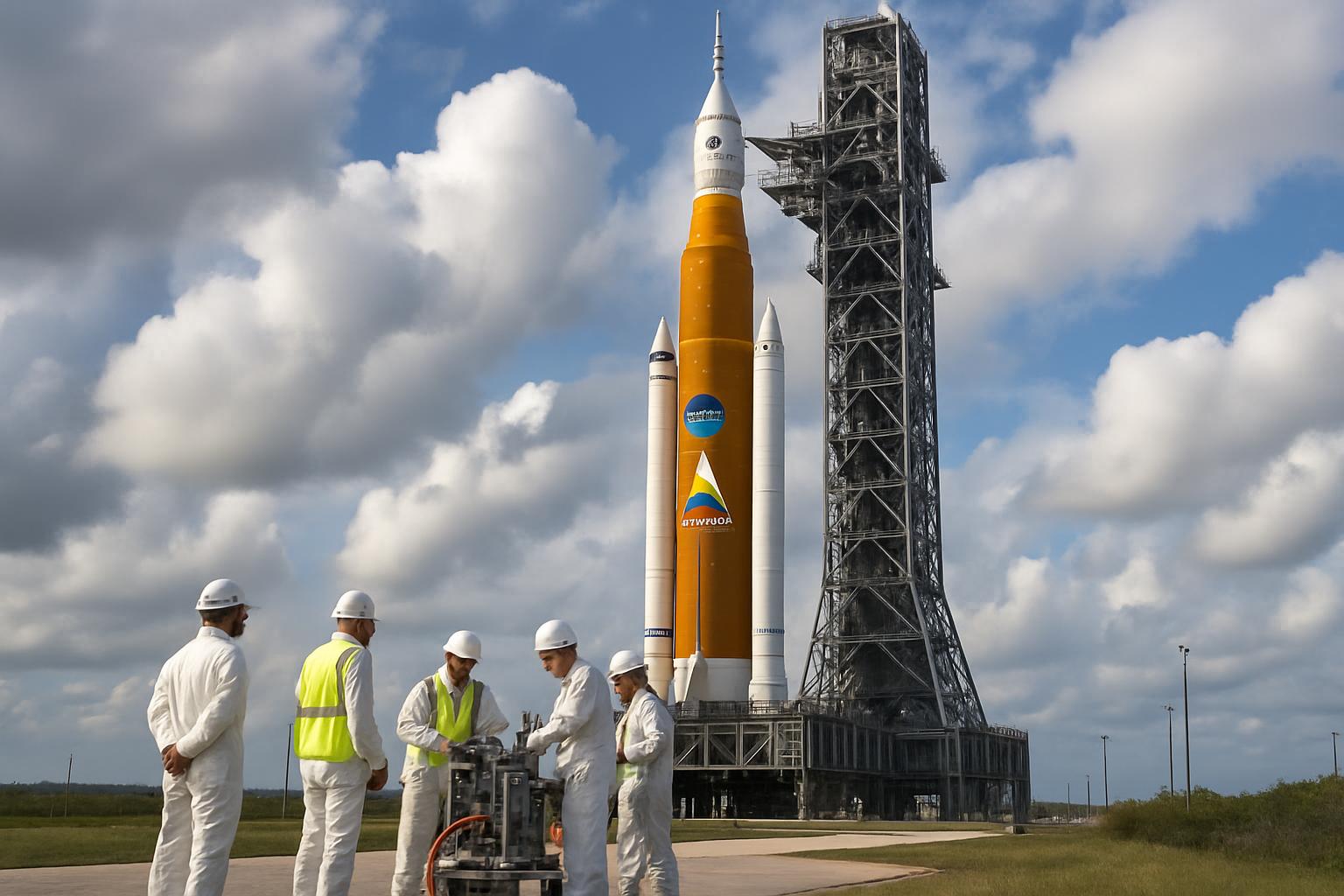
The SLS rocket's journey to the launch pad was a spectacle in itself, taking nearly 12 hours to traverse the four-mile distance from the Vehicle Assembly Building. The massive crawler-transporter, moving at a top speed of 0.82 mph, carried the rocket to its destination, where it will undergo final tests and a "wet dress rehearsal" to simulate fuel operations and countdown procedures.
Crew and Mission Objectives
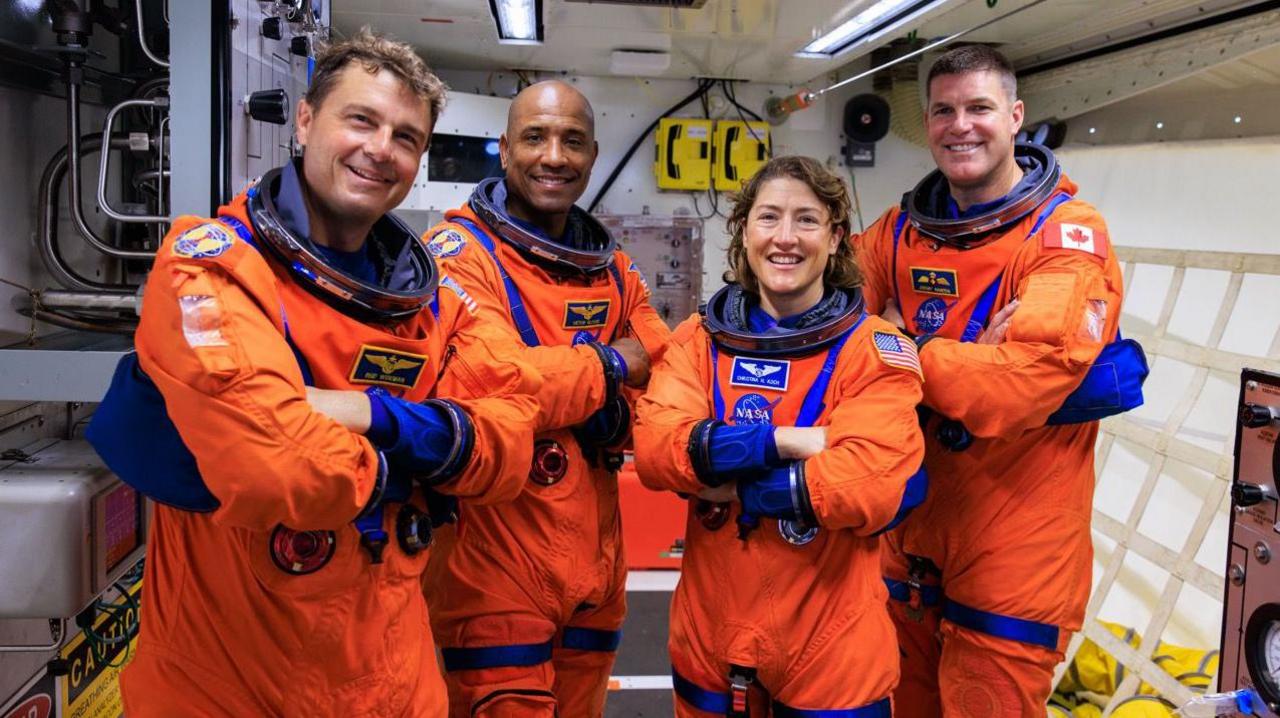
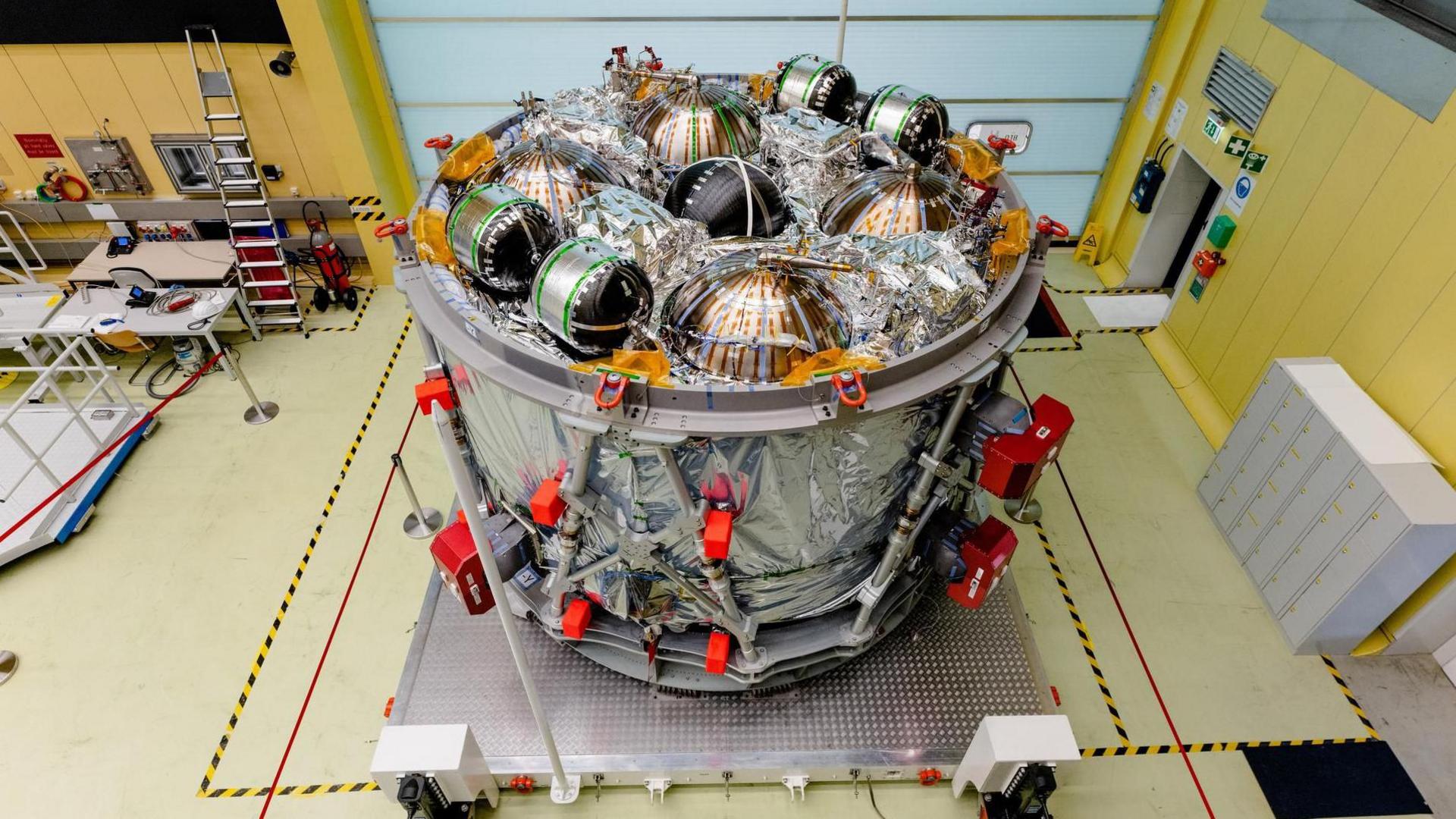
The Artemis II crew comprises Nasa astronauts Reid Wiseman, Victor Glover, and Christina Koch, alongside Canadian astronaut Jeremy Hansen. This mission marks the first time a woman and a person of color will travel beyond low Earth orbit. The astronauts will live and work in the Orion capsule, testing life support and communications systems while practicing docking maneuvers. Although they will not land on the Moon, their journey will pave the way for the Artemis III mission, which aims to achieve a lunar landing by 2028.
A New Era of Lunar Exploration
The Artemis II mission is not only a significant milestone for Nasa but also a pivotal moment in the renewed space race. With China planning its own lunar missions by 2030, the United States is determined to maintain its leadership in space exploration. "These are the kinds of days that we live for," said John Honeycutt, chair of the Artemis II mission management team. The mission is seen as a crucial step toward sustained human and robotic exploration of the Moon and, eventually, Mars.
WHAT THIS MIGHT MEAN
As Nasa prepares for the Artemis II mission, the implications for future lunar exploration are profound. Should the mission succeed, it will bolster the United States' position in the international space race, particularly against China's ambitious lunar plans. The success of Artemis II will also lay the groundwork for Artemis III, potentially leading to a new era of human presence on the Moon. Experts believe that these missions could reignite global interest in space exploration, fostering international collaboration and technological advancements. As the world watches, the outcome of Artemis II could shape the future of space exploration for decades to come.
Images from the Web
Related Articles
NASA's Artemis II Moon Mission Faces Delay Due to Helium Flow Issue

China Sets Lowest GDP Growth Target in Decades Amid Economic Challenges

UK Faces Dilemmas Amid Iran Conflict and China Spying Allegations

Google Faces Legal Battle Over AI Chatbot's Alleged Role in Tragic Death

Cuba Faces Widespread Blackout Amid Deepening Fuel Crisis

Labour MP's Husband Arrested in UK-China Espionage Probe
Nasa Prepares for Historic Artemis II Mission to the Moon
In This Article
 Leila Hassan| Published
 HIGHLIGHTS
- Nasa's Artemis II mission aims to send astronauts around the Moon, marking the first crewed lunar mission since 1972.
- The Space Launch System (SLS) rocket has been moved to the launch pad at Kennedy Space Center, with a potential launch date as early as 6 February.
- The mission will include four astronauts, testing life support and communications systems in the Orion capsule.
- Artemis II is a precursor to Artemis III, which aims to land astronauts on the Moon, potentially by 2028.
- The mission is seen as a significant step in the renewed space race, with the US aiming to outpace China's lunar ambitions.
Nasa's Artemis II mission is poised to make history as the first crewed lunar mission in over half a century. The Space Launch System (SLS) rocket, towering nearly 100 meters, has been transported to Launch Pad 39B at the Kennedy Space Center in Florida, setting the stage for a groundbreaking journey around the Moon. This mission, scheduled for launch as early as 6 February, will see four astronauts embark on a 685,000-mile round trip, culminating in a splashdown in the Pacific Ocean after approximately 10 days.
Final Preparations Underway
The SLS rocket's journey to the launch pad was a spectacle in itself, taking nearly 12 hours to traverse the four-mile distance from the Vehicle Assembly Building. The massive crawler-transporter, moving at a top speed of 0.82 mph, carried the rocket to its destination, where it will undergo final tests and a "wet dress rehearsal" to simulate fuel operations and countdown procedures.
Crew and Mission Objectives
The Artemis II crew comprises Nasa astronauts Reid Wiseman, Victor Glover, and Christina Koch, alongside Canadian astronaut Jeremy Hansen. This mission marks the first time a woman and a person of color will travel beyond low Earth orbit. The astronauts will live and work in the Orion capsule, testing life support and communications systems while practicing docking maneuvers. Although they will not land on the Moon, their journey will pave the way for the Artemis III mission, which aims to achieve a lunar landing by 2028.
A New Era of Lunar Exploration
The Artemis II mission is not only a significant milestone for Nasa but also a pivotal moment in the renewed space race. With China planning its own lunar missions by 2030, the United States is determined to maintain its leadership in space exploration. "These are the kinds of days that we live for," said John Honeycutt, chair of the Artemis II mission management team. The mission is seen as a crucial step toward sustained human and robotic exploration of the Moon and, eventually, Mars.
WHAT THIS MIGHT MEAN
As Nasa prepares for the Artemis II mission, the implications for future lunar exploration are profound. Should the mission succeed, it will bolster the United States' position in the international space race, particularly against China's ambitious lunar plans. The success of Artemis II will also lay the groundwork for Artemis III, potentially leading to a new era of human presence on the Moon. Experts believe that these missions could reignite global interest in space exploration, fostering international collaboration and technological advancements. As the world watches, the outcome of Artemis II could shape the future of space exploration for decades to come.
Images from the Web
Related Articles
NASA's Artemis II Moon Mission Faces Delay Due to Helium Flow Issue
China Sets Lowest GDP Growth Target in Decades Amid Economic Challenges
UK Faces Dilemmas Amid Iran Conflict and China Spying Allegations
Google Faces Legal Battle Over AI Chatbot's Alleged Role in Tragic Death
Cuba Faces Widespread Blackout Amid Deepening Fuel Crisis
Labour MP's Husband Arrested in UK-China Espionage Probe