
NASA Conducts First Medical Evacuation from International Space Station

In This Article
HIGHLIGHTS
- Four astronauts from Crew-11 were evacuated from the International Space Station (ISS) due to a medical issue, marking NASA's first medical evacuation from the station.
- The affected crew member is in stable condition, and the decision to return early was made to allow for comprehensive medical evaluations on Earth.
- The SpaceX Dragon capsule carrying the astronauts is scheduled to splash down off the California coast, leaving the ISS with a reduced crew of three.
- NASA and Roscosmos continue to cooperate on ISS operations, with the next crew rotation planned for February.
- The incident underscores the importance of medical preparedness as space missions become more frequent and complex.
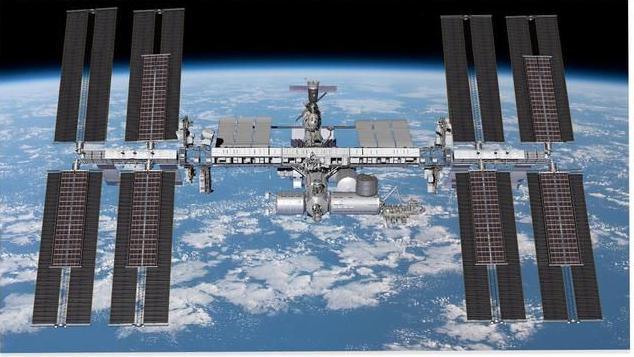
In an unprecedented move, NASA has conducted its first medical evacuation from the International Space Station (ISS), bringing four astronauts back to Earth a month earlier than planned. The decision was made after a crew member developed a medical issue, though NASA has not disclosed specific details about the condition. The affected astronaut is reportedly in stable condition.
Early Return for Crew-11
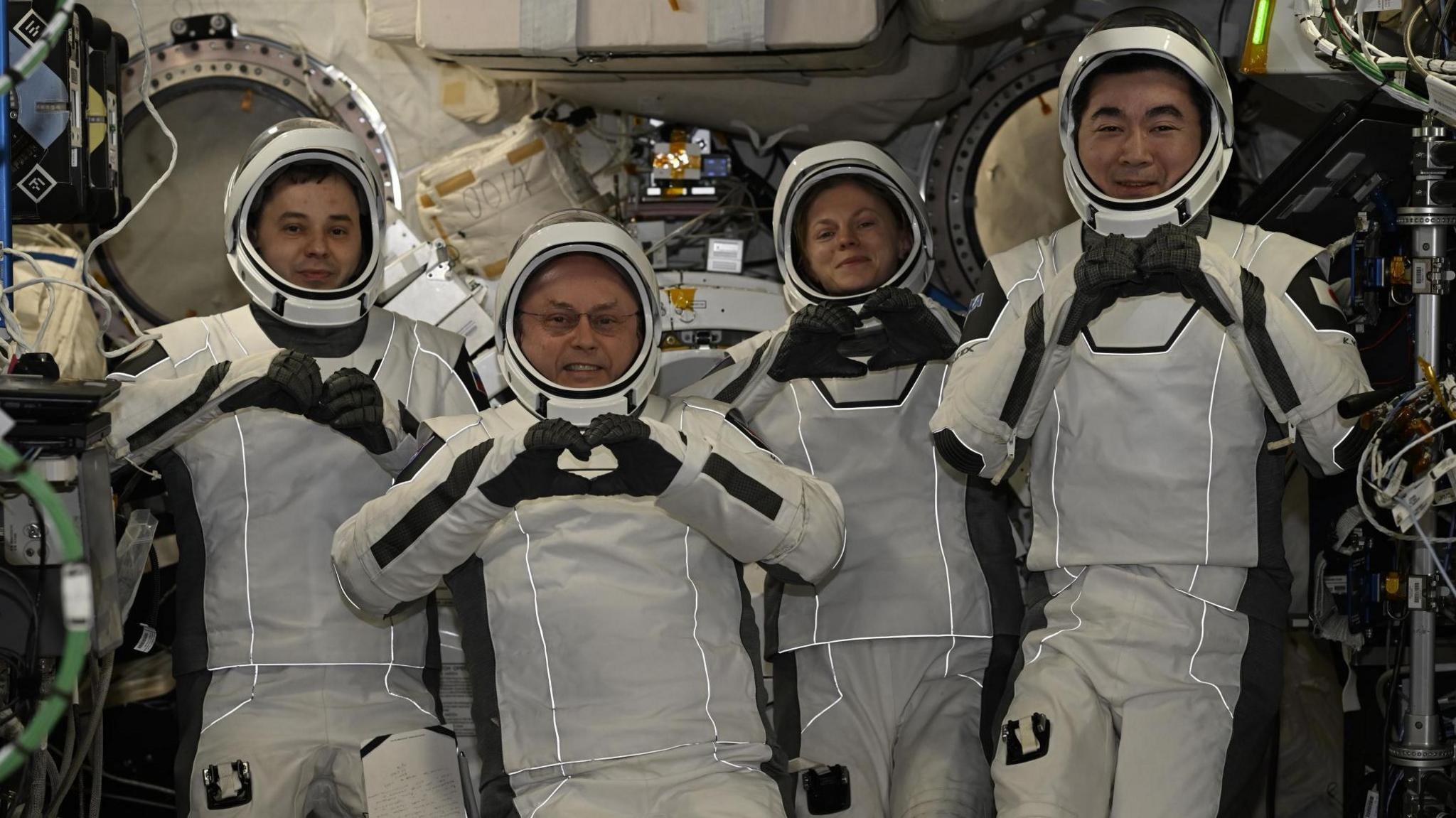
The astronauts, part of Crew-11, undocked from the ISS at 2220 GMT on Wednesday and are expected to splash down off the coast of California early Thursday morning. The crew, consisting of American astronauts Mike Fincke and Zena Cardman, Japanese astronaut Kimiya Yui, and Russian cosmonaut Oleg Platonov, had initially planned to remain on the ISS until mid-February. However, the medical situation prompted a change in plans, with NASA emphasizing the importance of conducting thorough medical evaluations on Earth.
Impact on ISS Operations
The early departure leaves the ISS with a reduced crew of three: American astronaut Chris Williams and Russian cosmonauts Sergey Kud-Sverchkov and Sergei Mikaev. Until the next crew arrives in February, NASA has suspended routine and emergency spacewalks, which require a minimum of two astronauts. Despite the reduced crew, Kud-Sverchkov assured that scientific and maintenance tasks would continue as planned.
Historical Context and Future Implications
This incident marks only the third time in history that a space mission has ended early due to health issues. Previous occurrences involved Soviet cosmonauts in the 1980s. As space travel becomes more frequent, experts highlight the need for enhanced medical preparedness, including the potential presence of doctors on future missions. The cooperation between NASA and Russia's Roscosmos remains a critical component of ISS operations, with both agencies working together to ensure the safety and success of ongoing missions.
WHAT THIS MIGHT MEAN
The early return of Crew-11 raises questions about the future of medical protocols in space missions. As the frequency of space travel increases, especially with the advent of space tourism and potential missions to the Moon and Mars, the need for onboard medical expertise becomes more pressing. Experts suggest that future missions may include medical professionals to address health issues promptly.
The incident also highlights the enduring cooperation between NASA and Roscosmos, despite geopolitical tensions. This collaboration is vital for the continued success of the ISS, which has been continuously inhabited since 2000. As the next crew rotation approaches, both agencies will need to assess and possibly enhance their medical preparedness to ensure the safety of astronauts on long-duration missions.
Images from the Web
Related Articles

Tragedy Strikes as Avalanche Claims Eight Lives in California's Sierra Nevada

TikTok Faces Outage and Content Suppression Accusations Amid New US Ownership

NASA Sets March Launch for Historic Artemis II Moon Mission

California Avalanche Leaves Ten Skiers Missing Amid Severe Weather

Landmark Trial Begins as Tech Giants Face Allegations of Fueling Social Media Addiction
NASA's Artemis II Moon Mission Faces Delay Due to Helium Flow Issue
NASA Conducts First Medical Evacuation from International Space Station
In This Article
 Ethan Brooks| Published
 HIGHLIGHTS
- Four astronauts from Crew-11 were evacuated from the International Space Station (ISS) due to a medical issue, marking NASA's first medical evacuation from the station.
- The affected crew member is in stable condition, and the decision to return early was made to allow for comprehensive medical evaluations on Earth.
- The SpaceX Dragon capsule carrying the astronauts is scheduled to splash down off the California coast, leaving the ISS with a reduced crew of three.
- NASA and Roscosmos continue to cooperate on ISS operations, with the next crew rotation planned for February.
- The incident underscores the importance of medical preparedness as space missions become more frequent and complex.
In an unprecedented move, NASA has conducted its first medical evacuation from the International Space Station (ISS), bringing four astronauts back to Earth a month earlier than planned. The decision was made after a crew member developed a medical issue, though NASA has not disclosed specific details about the condition. The affected astronaut is reportedly in stable condition.
Early Return for Crew-11
The astronauts, part of Crew-11, undocked from the ISS at 2220 GMT on Wednesday and are expected to splash down off the coast of California early Thursday morning. The crew, consisting of American astronauts Mike Fincke and Zena Cardman, Japanese astronaut Kimiya Yui, and Russian cosmonaut Oleg Platonov, had initially planned to remain on the ISS until mid-February. However, the medical situation prompted a change in plans, with NASA emphasizing the importance of conducting thorough medical evaluations on Earth.
Impact on ISS Operations
The early departure leaves the ISS with a reduced crew of three: American astronaut Chris Williams and Russian cosmonauts Sergey Kud-Sverchkov and Sergei Mikaev. Until the next crew arrives in February, NASA has suspended routine and emergency spacewalks, which require a minimum of two astronauts. Despite the reduced crew, Kud-Sverchkov assured that scientific and maintenance tasks would continue as planned.
Historical Context and Future Implications
This incident marks only the third time in history that a space mission has ended early due to health issues. Previous occurrences involved Soviet cosmonauts in the 1980s. As space travel becomes more frequent, experts highlight the need for enhanced medical preparedness, including the potential presence of doctors on future missions. The cooperation between NASA and Russia's Roscosmos remains a critical component of ISS operations, with both agencies working together to ensure the safety and success of ongoing missions.
WHAT THIS MIGHT MEAN
The early return of Crew-11 raises questions about the future of medical protocols in space missions. As the frequency of space travel increases, especially with the advent of space tourism and potential missions to the Moon and Mars, the need for onboard medical expertise becomes more pressing. Experts suggest that future missions may include medical professionals to address health issues promptly.
The incident also highlights the enduring cooperation between NASA and Roscosmos, despite geopolitical tensions. This collaboration is vital for the continued success of the ISS, which has been continuously inhabited since 2000. As the next crew rotation approaches, both agencies will need to assess and possibly enhance their medical preparedness to ensure the safety of astronauts on long-duration missions.
Images from the Web
Related Articles
Tragedy Strikes as Avalanche Claims Eight Lives in California's Sierra Nevada
TikTok Faces Outage and Content Suppression Accusations Amid New US Ownership
NASA Sets March Launch for Historic Artemis II Moon Mission
California Avalanche Leaves Ten Skiers Missing Amid Severe Weather
Landmark Trial Begins as Tech Giants Face Allegations of Fueling Social Media Addiction
NASA's Artemis II Moon Mission Faces Delay Due to Helium Flow Issue