
NASA Cuts ISS Mission Short Due to Astronaut's Medical Condition
In This Article
HIGHLIGHTS
- NASA is returning the Crew-11 team from the International Space Station (ISS) a month early due to a serious medical condition affecting one astronaut.
- The affected astronaut is stable, and the medical issue is unrelated to space operations or injury, according to NASA officials.
- The early return marks the first time in NASA's history that a mission is cut short due to a medical issue.
- The decision led to the cancellation of a planned spacewalk, which was to involve NASA astronauts Zena Cardman and Mike Fincke.
- The remaining ISS crew will focus on essential operations until the next crew arrives, potentially delaying some experiments.
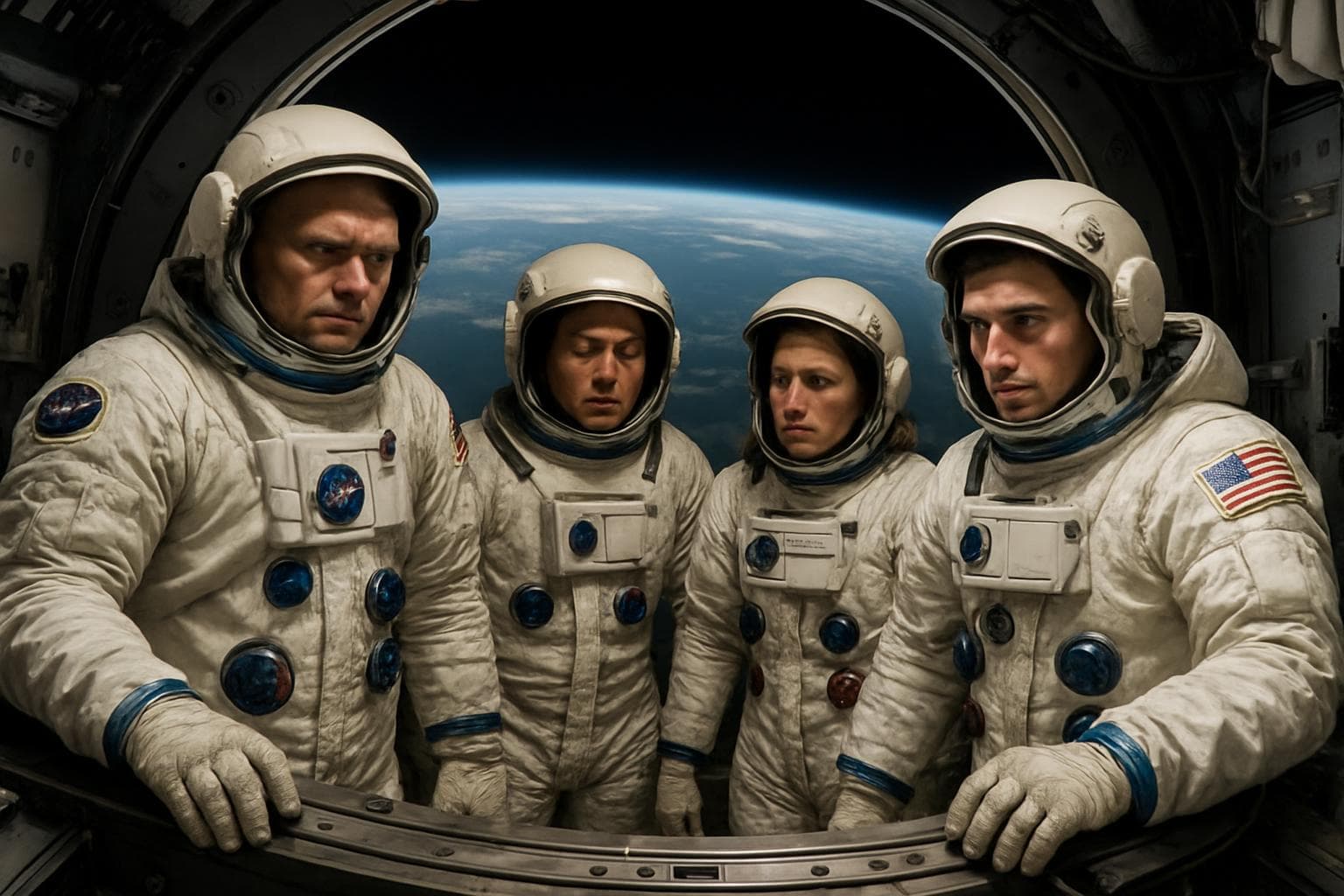
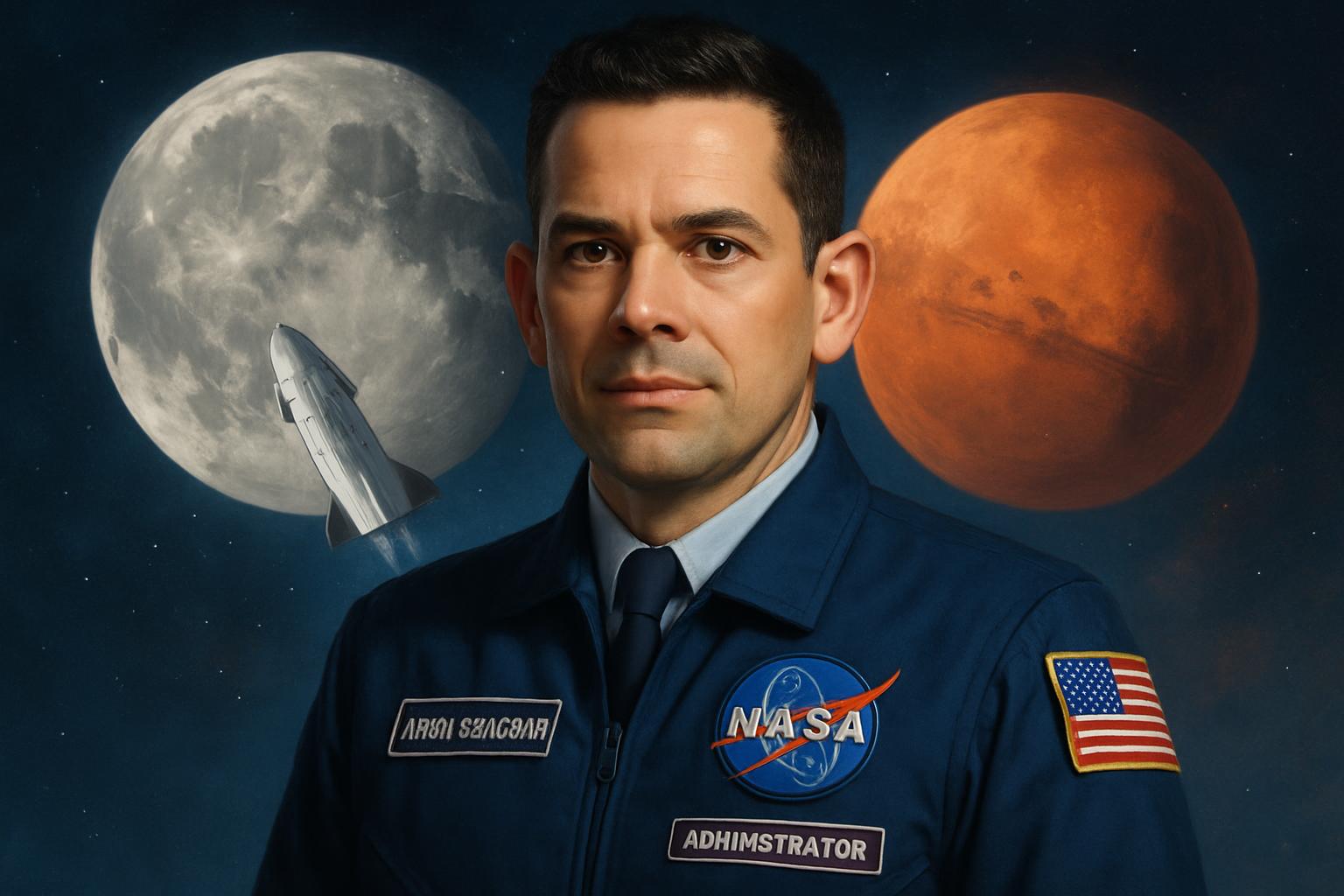
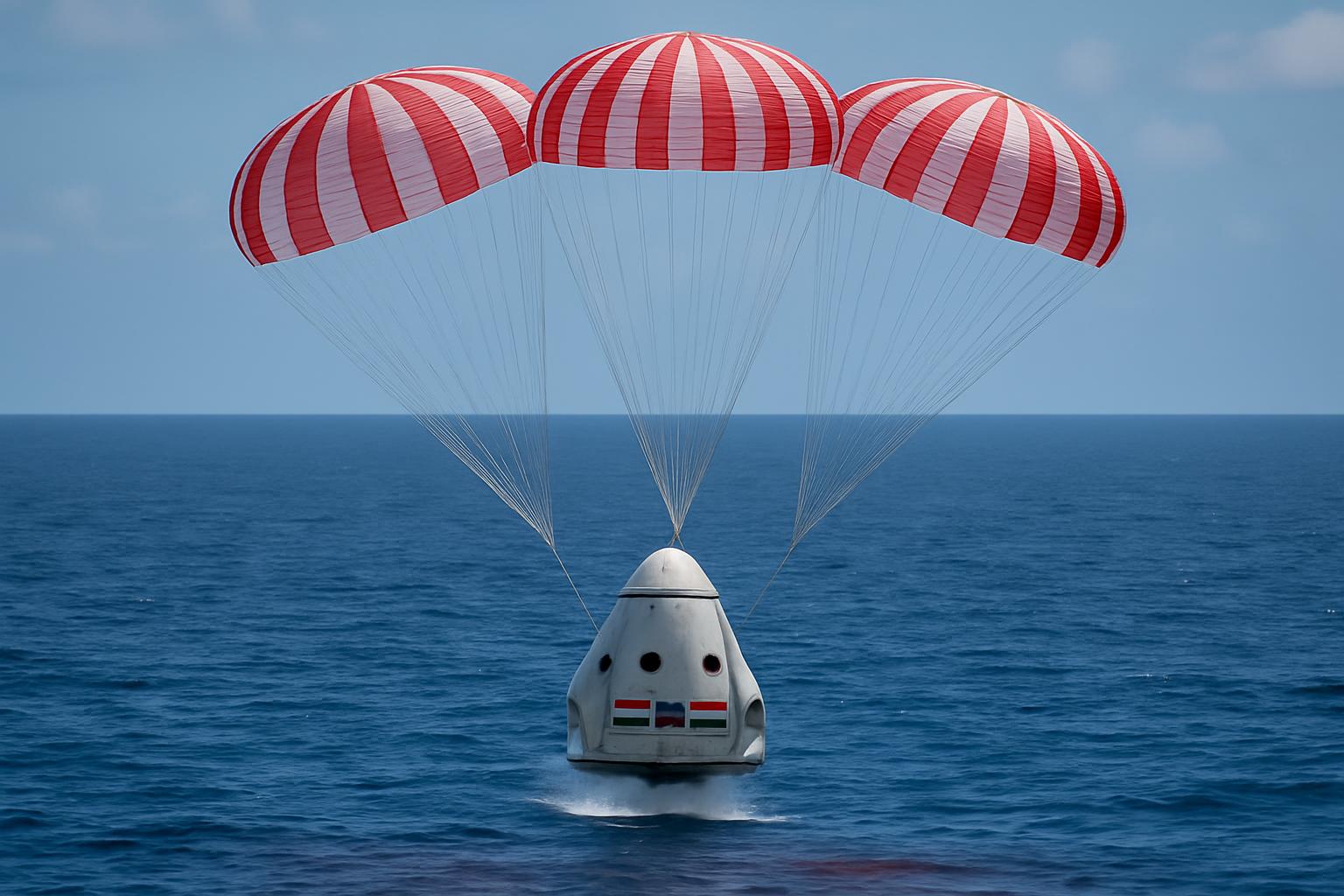
NASA has announced the early return of the Crew-11 team from the International Space Station (ISS) following a serious medical condition affecting one of its astronauts. The decision, which marks the first early mission termination in NASA's history due to health reasons, was confirmed by NASA Administrator Jared Isaacman during a press conference on Thursday.
Medical Concerns Prompt Early Return
The affected astronaut, whose identity and specific medical condition remain undisclosed due to privacy concerns, is reportedly in stable condition. NASA emphasized that the situation does not constitute an emergency evacuation. "We always err on the side of the astronaut's health," stated a NASA official, underscoring the agency's commitment to crew safety.
Impact on ISS Operations
The Crew-11 team, comprising NASA's Zena Cardman and Mike Fincke, Japan's Kimiya Yui, and Russia's Oleg Platonov, was initially scheduled to remain on the ISS until next month. Their early departure has led to the cancellation of a planned spacewalk, which was intended to prepare for future solar panel installations. The remaining crew, including NASA's Chris Williams and Russian cosmonauts Sergei Mikayev and Sergei Kud-Sverchkov, will maintain essential operations until the arrival of the next team.
Historical Context and Future Plans
This unprecedented decision highlights the complexities of space missions and the importance of astronaut health. Dr. James Polk, NASA's chief health and medical officer, noted the significance of this event in NASA's 65-year history. The ISS, continuously inhabited since 2000, relies on a minimum crew level to function effectively, and the early return could delay certain experiments and maintenance tasks.
WHAT THIS MIGHT MEAN
The early return of Crew-11 may have several implications for future space missions. NASA's decision to prioritize astronaut health could lead to more stringent health monitoring protocols and contingency planning for medical issues in space. The delay in experiments and maintenance tasks might impact the ISS's operational schedule, necessitating adjustments in upcoming missions. As NASA continues to collaborate with international partners, this incident underscores the need for robust health management systems to ensure the safety and success of long-duration spaceflights.
Images from the Web

Related Articles
Nasa Weighs Early Return of ISS Crew Due to Medical Concern

NASA Conducts First Medical Evacuation from International Space Station
NASA's Artemis II Moon Mission Faces Delay Due to Helium Flow Issue

Jared Isaacman Confirmed as NASA Chief Amid Space Race Ambitions
Trump Renominates Billionaire Jared Isaacman as NASA Administrator
Historic Return: Shubhanshu Shukla and Axiom-4 Crew Head Back to Earth
NASA Cuts ISS Mission Short Due to Astronaut's Medical Condition
In This Article
 Maya Singh| Published
 HIGHLIGHTS
- NASA is returning the Crew-11 team from the International Space Station (ISS) a month early due to a serious medical condition affecting one astronaut.
- The affected astronaut is stable, and the medical issue is unrelated to space operations or injury, according to NASA officials.
- The early return marks the first time in NASA's history that a mission is cut short due to a medical issue.
- The decision led to the cancellation of a planned spacewalk, which was to involve NASA astronauts Zena Cardman and Mike Fincke.
- The remaining ISS crew will focus on essential operations until the next crew arrives, potentially delaying some experiments.
NASA has announced the early return of the Crew-11 team from the International Space Station (ISS) following a serious medical condition affecting one of its astronauts. The decision, which marks the first early mission termination in NASA's history due to health reasons, was confirmed by NASA Administrator Jared Isaacman during a press conference on Thursday.
Medical Concerns Prompt Early Return
The affected astronaut, whose identity and specific medical condition remain undisclosed due to privacy concerns, is reportedly in stable condition. NASA emphasized that the situation does not constitute an emergency evacuation. "We always err on the side of the astronaut's health," stated a NASA official, underscoring the agency's commitment to crew safety.
Impact on ISS Operations
The Crew-11 team, comprising NASA's Zena Cardman and Mike Fincke, Japan's Kimiya Yui, and Russia's Oleg Platonov, was initially scheduled to remain on the ISS until next month. Their early departure has led to the cancellation of a planned spacewalk, which was intended to prepare for future solar panel installations. The remaining crew, including NASA's Chris Williams and Russian cosmonauts Sergei Mikayev and Sergei Kud-Sverchkov, will maintain essential operations until the arrival of the next team.
Historical Context and Future Plans
This unprecedented decision highlights the complexities of space missions and the importance of astronaut health. Dr. James Polk, NASA's chief health and medical officer, noted the significance of this event in NASA's 65-year history. The ISS, continuously inhabited since 2000, relies on a minimum crew level to function effectively, and the early return could delay certain experiments and maintenance tasks.
WHAT THIS MIGHT MEAN
The early return of Crew-11 may have several implications for future space missions. NASA's decision to prioritize astronaut health could lead to more stringent health monitoring protocols and contingency planning for medical issues in space. The delay in experiments and maintenance tasks might impact the ISS's operational schedule, necessitating adjustments in upcoming missions. As NASA continues to collaborate with international partners, this incident underscores the need for robust health management systems to ensure the safety and success of long-duration spaceflights.
Images from the Web
Related Articles
Nasa Weighs Early Return of ISS Crew Due to Medical Concern
NASA Conducts First Medical Evacuation from International Space Station
NASA's Artemis II Moon Mission Faces Delay Due to Helium Flow Issue
Jared Isaacman Confirmed as NASA Chief Amid Space Race Ambitions
Trump Renominates Billionaire Jared Isaacman as NASA Administrator
Historic Return: Shubhanshu Shukla and Axiom-4 Crew Head Back to Earth