
Cargo Spill in Solent: Bananas Wash Ashore, Prompting Cleanup and Warnings
In This Article
HIGHLIGHTS
- Sixteen containers fell from the Baltic Klipper into the Solent, disrupting shipping and washing bananas onto West Sussex beaches.
- The Maritime and Coastguard Agency confirmed the cargo was non-hazardous, but warned the public against collecting the fruit.
- Local councils and the Coastguard are leading a cleanup operation, with cordons in place and public access restricted.
- Environmental concerns have been raised over polystyrene debris, which could enter the food chain.
- Under UK law, items from shipwrecks must be reported, but perishable goods like bananas are exempt from this requirement.
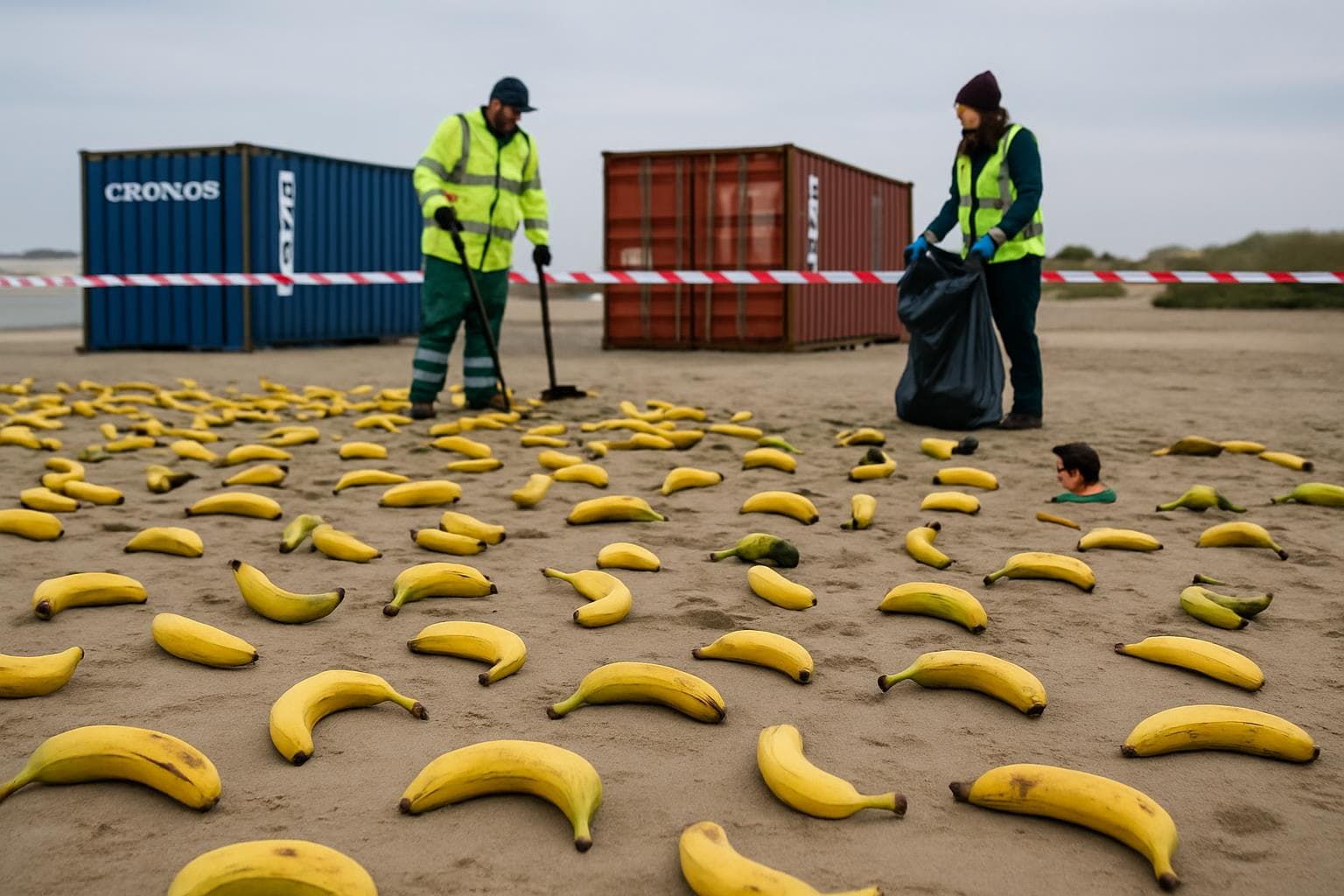
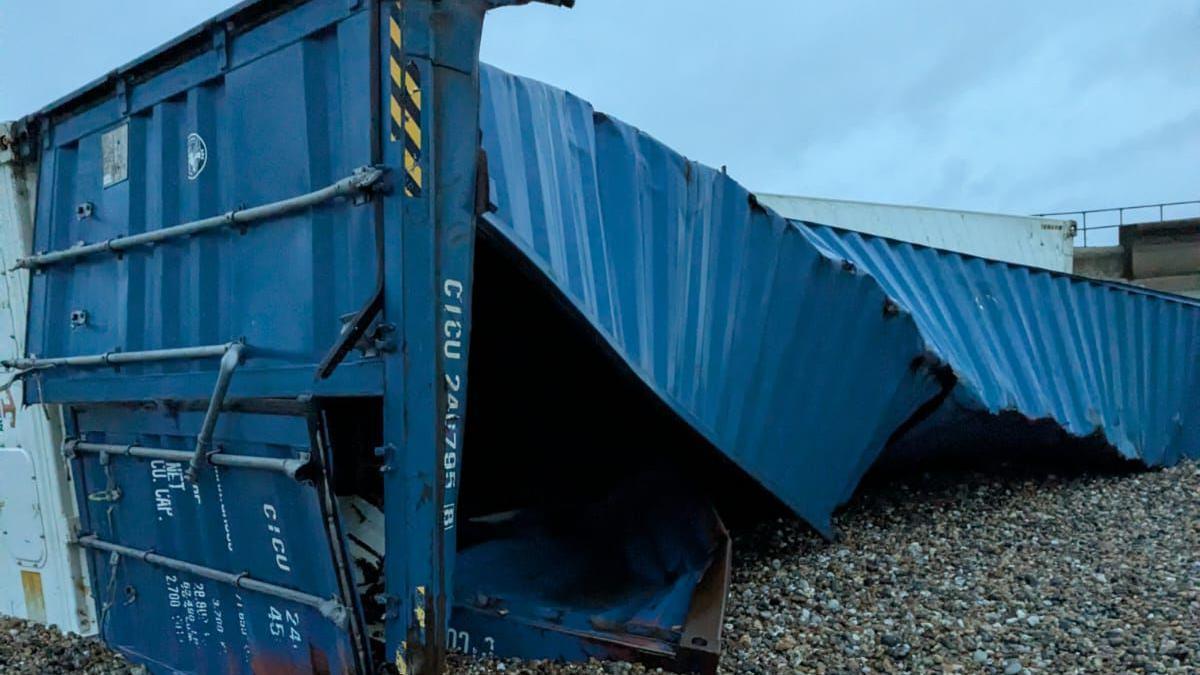
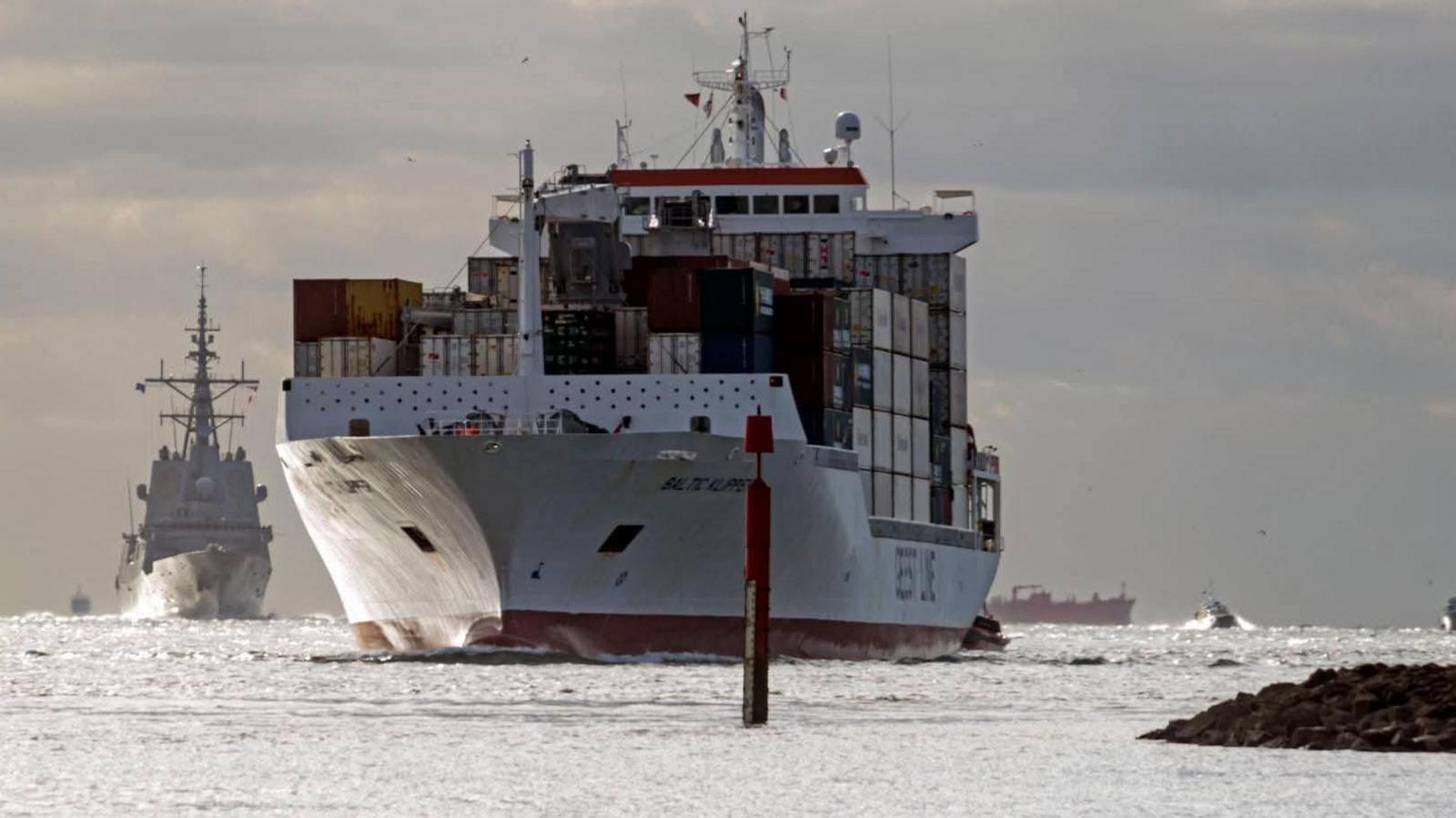
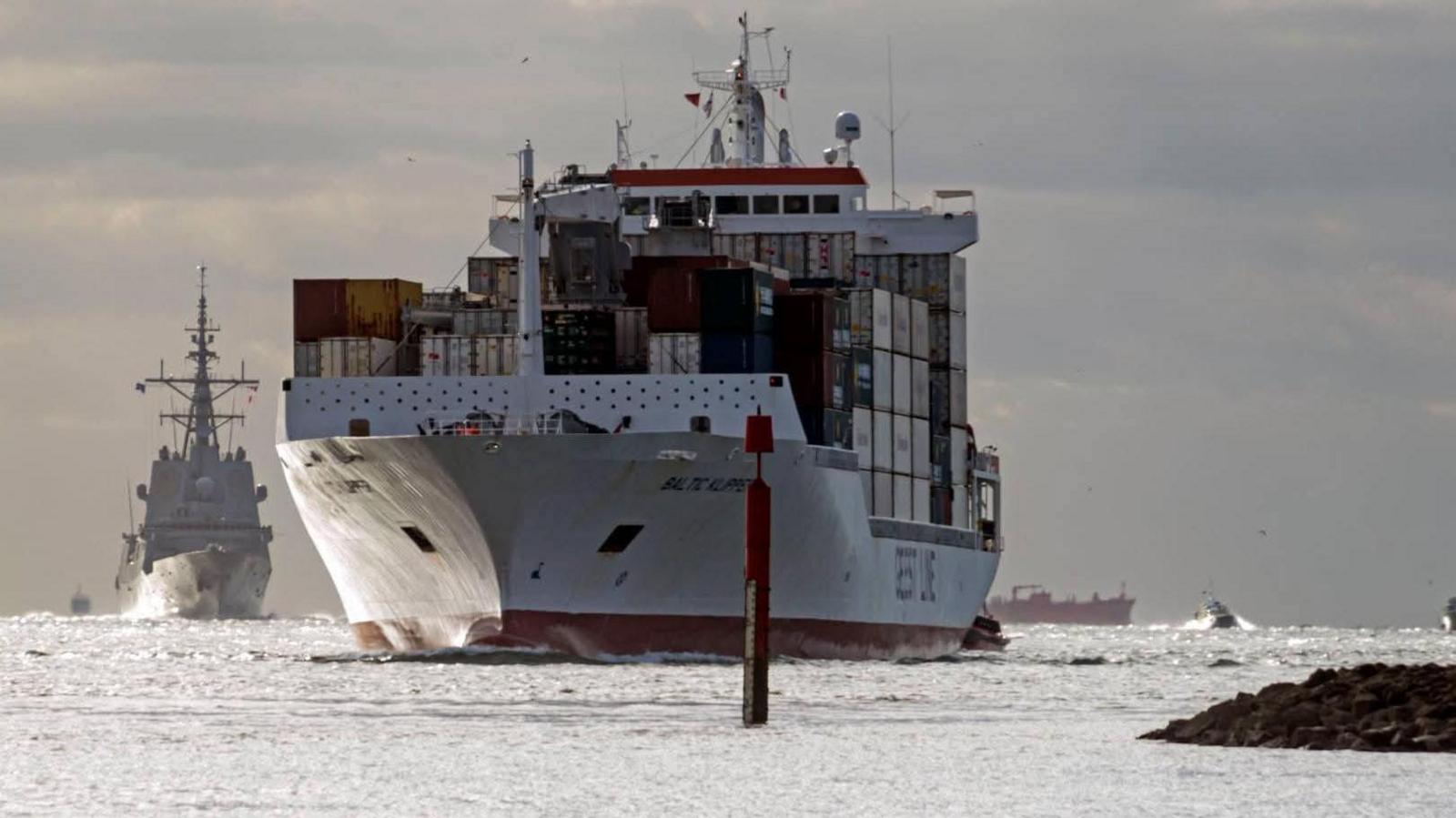
A maritime incident involving the cargo ship Baltic Klipper has led to an unusual sight along the beaches of West Sussex: bananas strewn across the shoreline. On Saturday, the ship lost 16 containers in the Solent, a busy waterway between the Isle of Wight and the mainland, during rough weather conditions. The Maritime and Coastguard Agency has confirmed that the cargo was non-hazardous, but has issued warnings to the public to avoid collecting the fruit due to potential contamination from seawater.
Shipping Disruption and Cleanup Efforts
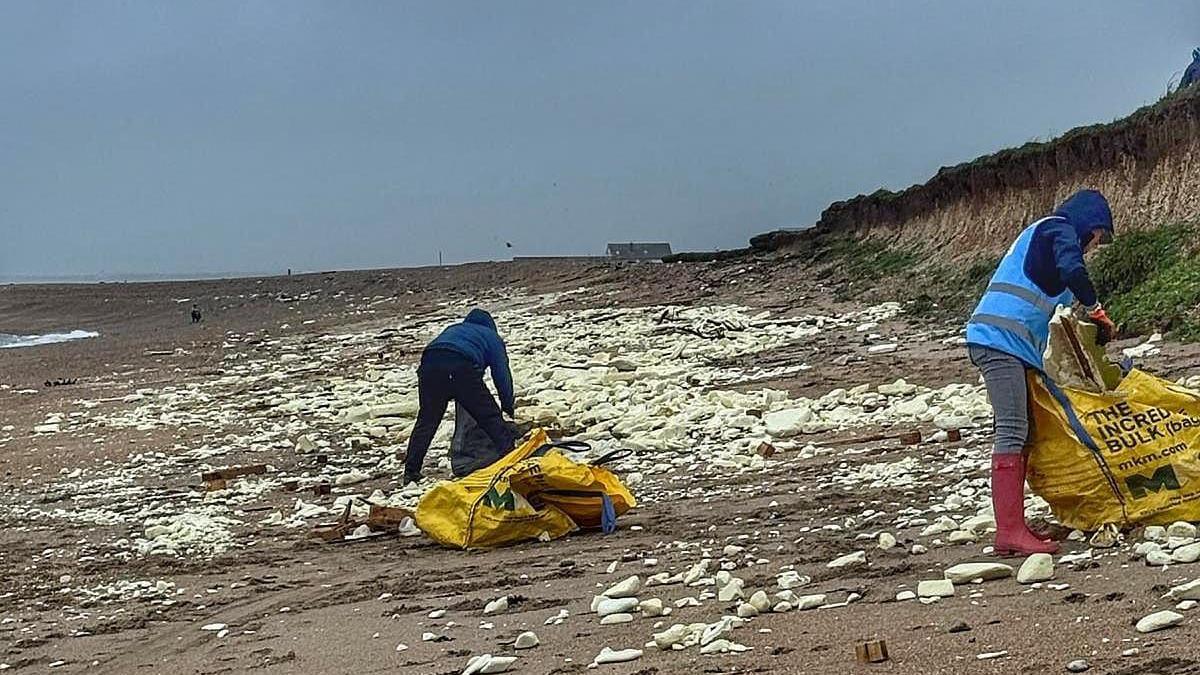
The incident caused significant disruption to shipping activities, delaying the departure of the P&O Cruises ship Iona from Southampton. Local councils, including West Sussex County Council, are spearheading the cleanup operation. They have appointed contractors to manage the removal of debris and fruit from the affected beaches. The Coastguard, along with West Sussex Fire & Rescue Service and Sussex Police, has established cordons around the containers to ensure public safety.
Environmental Concerns
Environmentalists, including Donna Tretheway of Selsey Beach Litter Ninjas, have expressed concern over the environmental impact of the spill. The polystyrene insulation from the containers has broken into small pieces, posing a risk to marine life and potentially entering the food chain. Tretheway described the scene as "catastrophic," highlighting the long-term implications for both wildlife and humans.
Legal Context and Public Warnings
According to UK maritime law, items washed ashore from shipwrecks must be reported to the HM Coastguard's Receiver of Wreck. However, perishable goods like bananas are exempt from this requirement. Authorities have urged the public to comply with council instructions and avoid the beaches to facilitate the cleanup process.
WHAT THIS MIGHT MEAN
The immediate focus remains on the cleanup operation and mitigating the environmental impact of the spill. In the coming weeks, authorities will likely assess the full extent of the ecological damage and consider measures to prevent similar incidents in the future. The incident also underscores the importance of maritime safety regulations and the need for robust response strategies to minimize disruption and environmental harm. As the cleanup progresses, local communities and environmental groups may push for greater accountability and improved practices in cargo handling and shipping operations.
Images from the Web
Related Articles

UK Government Eases Deer Culling to Protect Woodlands and Farmland

Canada and Australia Forge Strategic Partnership Amid Global Uncertainty

UK Government to Reform Asylum Seeker Support and Employment Policies

Middle East Conflict Drives UK Energy Prices to New Highs

UK Faces Dilemmas Amid Iran Conflict and China Spying Allegations
UK Reinforces Military Presence in Cyprus Amid Middle East Tensions
Cargo Spill in Solent: Bananas Wash Ashore, Prompting Cleanup and Warnings
In This Article
 Aya Nakamura| Published
 HIGHLIGHTS
- Sixteen containers fell from the Baltic Klipper into the Solent, disrupting shipping and washing bananas onto West Sussex beaches.
- The Maritime and Coastguard Agency confirmed the cargo was non-hazardous, but warned the public against collecting the fruit.
- Local councils and the Coastguard are leading a cleanup operation, with cordons in place and public access restricted.
- Environmental concerns have been raised over polystyrene debris, which could enter the food chain.
- Under UK law, items from shipwrecks must be reported, but perishable goods like bananas are exempt from this requirement.
A maritime incident involving the cargo ship Baltic Klipper has led to an unusual sight along the beaches of West Sussex: bananas strewn across the shoreline. On Saturday, the ship lost 16 containers in the Solent, a busy waterway between the Isle of Wight and the mainland, during rough weather conditions. The Maritime and Coastguard Agency has confirmed that the cargo was non-hazardous, but has issued warnings to the public to avoid collecting the fruit due to potential contamination from seawater.
Shipping Disruption and Cleanup Efforts
The incident caused significant disruption to shipping activities, delaying the departure of the P&O Cruises ship Iona from Southampton. Local councils, including West Sussex County Council, are spearheading the cleanup operation. They have appointed contractors to manage the removal of debris and fruit from the affected beaches. The Coastguard, along with West Sussex Fire & Rescue Service and Sussex Police, has established cordons around the containers to ensure public safety.
Environmental Concerns
Environmentalists, including Donna Tretheway of Selsey Beach Litter Ninjas, have expressed concern over the environmental impact of the spill. The polystyrene insulation from the containers has broken into small pieces, posing a risk to marine life and potentially entering the food chain. Tretheway described the scene as "catastrophic," highlighting the long-term implications for both wildlife and humans.
Legal Context and Public Warnings
According to UK maritime law, items washed ashore from shipwrecks must be reported to the HM Coastguard's Receiver of Wreck. However, perishable goods like bananas are exempt from this requirement. Authorities have urged the public to comply with council instructions and avoid the beaches to facilitate the cleanup process.
WHAT THIS MIGHT MEAN
The immediate focus remains on the cleanup operation and mitigating the environmental impact of the spill. In the coming weeks, authorities will likely assess the full extent of the ecological damage and consider measures to prevent similar incidents in the future. The incident also underscores the importance of maritime safety regulations and the need for robust response strategies to minimize disruption and environmental harm. As the cleanup progresses, local communities and environmental groups may push for greater accountability and improved practices in cargo handling and shipping operations.
Images from the Web
Related Articles
UK Government Eases Deer Culling to Protect Woodlands and Farmland
Canada and Australia Forge Strategic Partnership Amid Global Uncertainty
UK Government to Reform Asylum Seeker Support and Employment Policies
Middle East Conflict Drives UK Energy Prices to New Highs
UK Faces Dilemmas Amid Iran Conflict and China Spying Allegations
UK Reinforces Military Presence in Cyprus Amid Middle East Tensions