
Bank of England Warns of AI Bubble Amid Financial Stability Concerns

In This Article
HIGHLIGHTS
- The Bank of England warns of a potential AI bubble, likening it to the dotcom crash, with AI firms' valuations "particularly stretched."
- UK banks are set to hold less capital to boost lending, marking the first reduction since the 2008 financial crisis.
- The AI sector's growth, projected to be fueled by trillions in debt, poses financial stability risks if valuations drop.
- Former OBR chief Robert Chote defends the institution's independence amid political tensions and emphasizes the importance of regular economic forecasts.
- Chancellor Rachel Reeves plans to respond to the OBR's forecasts annually, impacting future economic policy discussions.
The Bank of England has issued a stark warning about the potential for a sharp correction in the valuations of major tech companies, particularly those in the burgeoning artificial intelligence (AI) sector. This cautionary note comes as share prices in the UK and US reach levels reminiscent of the pre-dotcom bubble era, raising fears of a similar market crash.
AI Sector Valuations Under Scrutiny
In its latest financial stability report, the Bank highlighted that valuations for AI-focused companies are "particularly stretched." The report suggests that the rapid growth of the AI sector, expected to be driven by trillions of dollars in debt over the next five years, could pose significant risks to financial stability if these valuations were to fall. The Bank noted that deeper connections between AI firms and credit markets could exacerbate losses in the event of an asset price correction.
UK Banks and Economic Growth
In a bid to spur economic growth, the Bank of England announced plans to reduce the capital requirements for High Street banks. This marks the first such reduction since the 2008 financial crisis. The decision follows stress tests indicating that UK banks could withstand severe economic scenarios, including a doubling of unemployment and a 5% economic contraction.
OBR Independence and Economic Forecasts
Meanwhile, former Office for Budget Responsibility (OBR) chief Robert Chote has defended the institution's independence amid recent political tensions. Speaking to the House of Lords economic affairs committee, Chote emphasized the importance of maintaining regular economic forecasts, dismissing suggestions to limit them to once a year. His comments come after Chancellor Rachel Reeves announced plans to respond to the OBR's forecasts annually, which could influence future economic policy discussions.
Historical Context and Future Implications
The warnings from the Bank of England echo concerns from other global institutions like the International Monetary Fund and the Organization for Economic Co-operation and Development. These bodies have also cautioned about potential price corrections in the AI sector, drawing parallels to the late 1990s dotcom bubble. During that period, the values of early internet companies surged before crashing, leading to significant job losses and impacting savings and pension funds.
WHAT THIS MIGHT MEAN
The Bank of England's warning about an AI bubble could prompt increased scrutiny of tech valuations and lending practices. If the AI sector experiences a significant correction, it may lead to tighter regulations and a reevaluation of investment strategies. Economists and policymakers will likely monitor the situation closely, balancing the need for innovation with financial stability.
The reduction in capital requirements for UK banks aims to stimulate lending and economic growth. However, this move could also increase risks if not managed carefully, particularly in a volatile market environment. The OBR's role in providing independent economic forecasts remains crucial, especially as political dynamics influence fiscal policy decisions. The ongoing dialogue between the OBR and the government will be pivotal in shaping the UK's economic landscape.
Related Articles
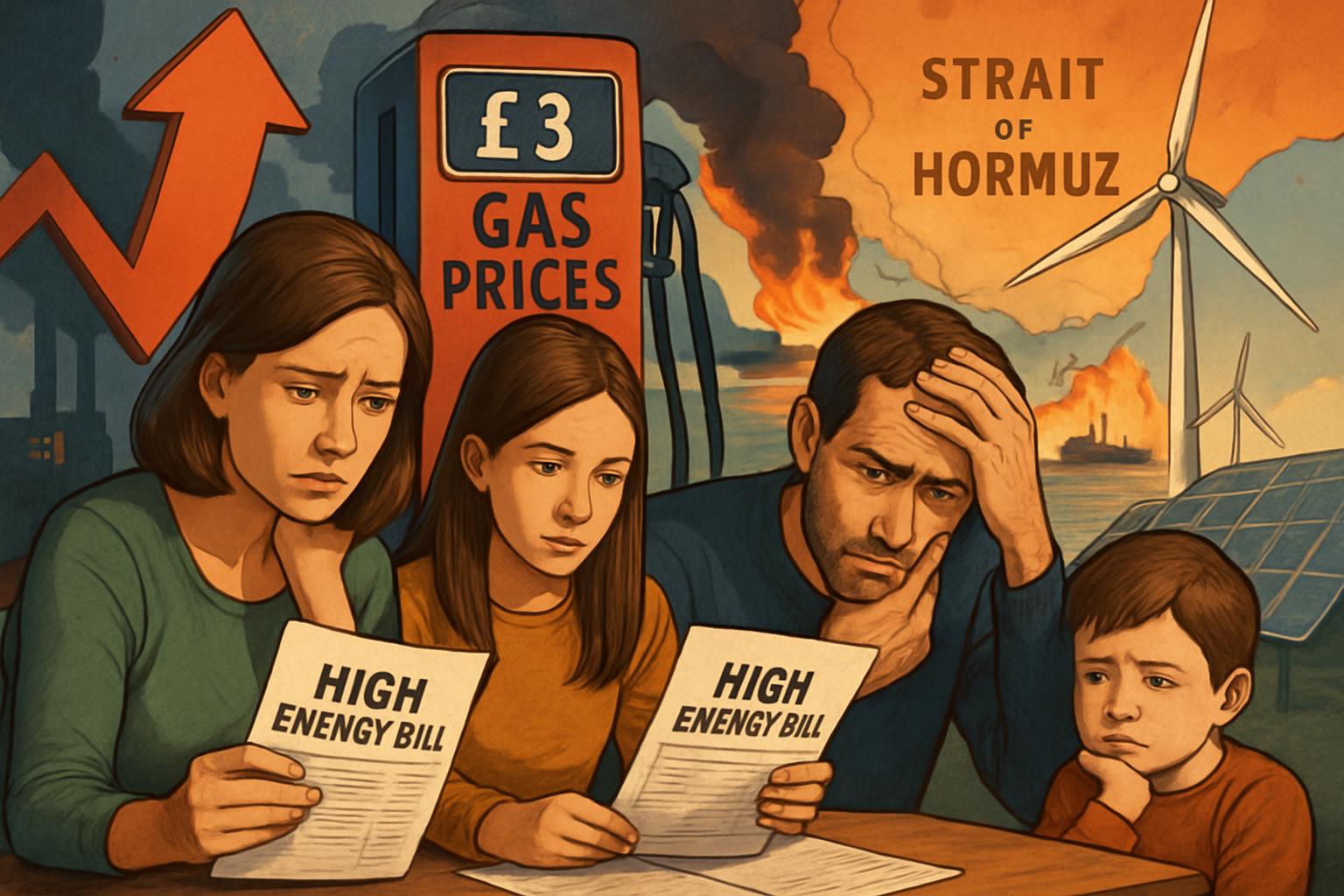
Middle East Conflict Drives UK Energy Prices to New Highs

Canada and Australia Forge Strategic Partnership Amid Global Uncertainty

UK Reinforces Military Presence in Cyprus Amid Middle East Tensions

UK-Iran Tensions: Starmer Defends Cautious Approach Amid Trump Criticism

Diplomatic Tensions Rise as Trump Criticizes Starmer's Iran Policy

Tech Giants Pledge to Cover AI Data Center Energy Costs Amid Rising Electricity Concerns
Bank of England Warns of AI Bubble Amid Financial Stability Concerns
In This Article
 Daniel Rivera| Published
 HIGHLIGHTS
- The Bank of England warns of a potential AI bubble, likening it to the dotcom crash, with AI firms' valuations "particularly stretched."
- UK banks are set to hold less capital to boost lending, marking the first reduction since the 2008 financial crisis.
- The AI sector's growth, projected to be fueled by trillions in debt, poses financial stability risks if valuations drop.
- Former OBR chief Robert Chote defends the institution's independence amid political tensions and emphasizes the importance of regular economic forecasts.
- Chancellor Rachel Reeves plans to respond to the OBR's forecasts annually, impacting future economic policy discussions.
The Bank of England has issued a stark warning about the potential for a sharp correction in the valuations of major tech companies, particularly those in the burgeoning artificial intelligence (AI) sector. This cautionary note comes as share prices in the UK and US reach levels reminiscent of the pre-dotcom bubble era, raising fears of a similar market crash.
AI Sector Valuations Under Scrutiny
In its latest financial stability report, the Bank highlighted that valuations for AI-focused companies are "particularly stretched." The report suggests that the rapid growth of the AI sector, expected to be driven by trillions of dollars in debt over the next five years, could pose significant risks to financial stability if these valuations were to fall. The Bank noted that deeper connections between AI firms and credit markets could exacerbate losses in the event of an asset price correction.
UK Banks and Economic Growth
In a bid to spur economic growth, the Bank of England announced plans to reduce the capital requirements for High Street banks. This marks the first such reduction since the 2008 financial crisis. The decision follows stress tests indicating that UK banks could withstand severe economic scenarios, including a doubling of unemployment and a 5% economic contraction.
OBR Independence and Economic Forecasts
Meanwhile, former Office for Budget Responsibility (OBR) chief Robert Chote has defended the institution's independence amid recent political tensions. Speaking to the House of Lords economic affairs committee, Chote emphasized the importance of maintaining regular economic forecasts, dismissing suggestions to limit them to once a year. His comments come after Chancellor Rachel Reeves announced plans to respond to the OBR's forecasts annually, which could influence future economic policy discussions.
Historical Context and Future Implications
The warnings from the Bank of England echo concerns from other global institutions like the International Monetary Fund and the Organization for Economic Co-operation and Development. These bodies have also cautioned about potential price corrections in the AI sector, drawing parallels to the late 1990s dotcom bubble. During that period, the values of early internet companies surged before crashing, leading to significant job losses and impacting savings and pension funds.
WHAT THIS MIGHT MEAN
The Bank of England's warning about an AI bubble could prompt increased scrutiny of tech valuations and lending practices. If the AI sector experiences a significant correction, it may lead to tighter regulations and a reevaluation of investment strategies. Economists and policymakers will likely monitor the situation closely, balancing the need for innovation with financial stability.
The reduction in capital requirements for UK banks aims to stimulate lending and economic growth. However, this move could also increase risks if not managed carefully, particularly in a volatile market environment. The OBR's role in providing independent economic forecasts remains crucial, especially as political dynamics influence fiscal policy decisions. The ongoing dialogue between the OBR and the government will be pivotal in shaping the UK's economic landscape.
Related Articles
Middle East Conflict Drives UK Energy Prices to New Highs
Canada and Australia Forge Strategic Partnership Amid Global Uncertainty
UK Reinforces Military Presence in Cyprus Amid Middle East Tensions
UK-Iran Tensions: Starmer Defends Cautious Approach Amid Trump Criticism
Diplomatic Tensions Rise as Trump Criticizes Starmer's Iran Policy
Tech Giants Pledge to Cover AI Data Center Energy Costs Amid Rising Electricity Concerns