
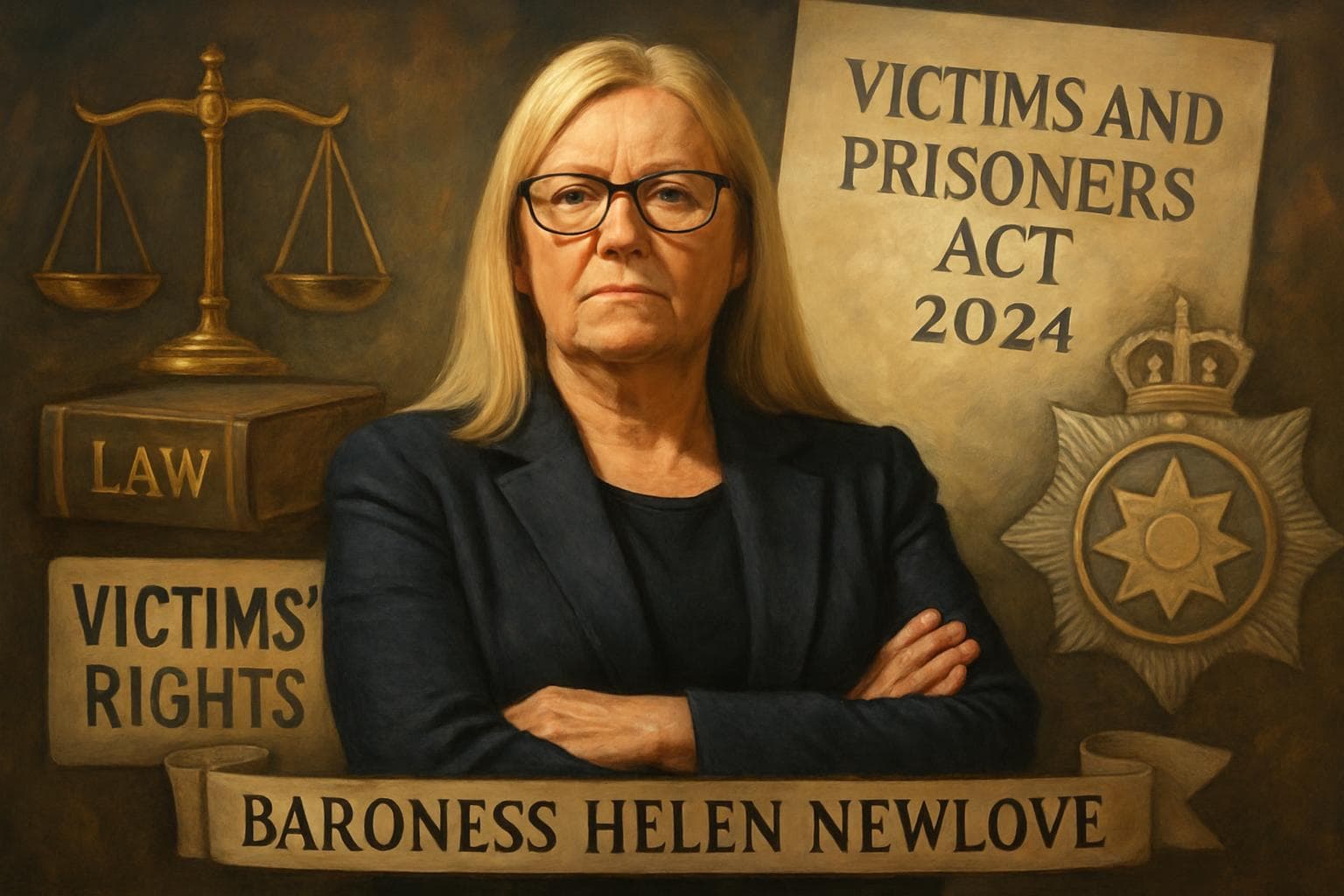
Baroness Helen Newlove: A Legacy of Advocacy and Reform
In This Article
HIGHLIGHTS
- Baroness Helen Newlove, a prominent advocate for victims' rights, passed away at 63 after a short illness.
- Her husband's murder in 2007 propelled her into activism against anti-social behaviour and for community safety.
- Newlove was appointed Victims' Commissioner in 2012 and reappointed in 2023, influencing the Victims and Prisoners Act 2024.
- She was nominated to the House of Lords in 2010 and became a key figure in promoting victims' rights and community engagement.
- Her campaigns led to significant legal reforms, including the enshrinement of victims' rights in law.
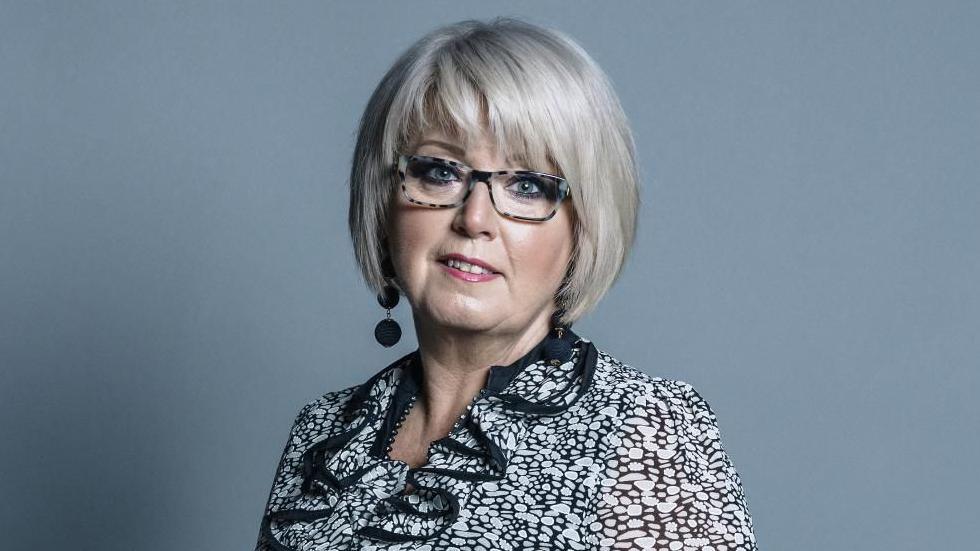
Baroness Helen Newlove, a tireless campaigner for victims' rights and community safety, has died at the age of 63 following a brief illness. Her journey from a quiet suburban life to a prominent public figure began with the tragic murder of her husband, Garry Newlove, in 2007. This devastating event galvanized her into action, transforming her grief into a powerful force for change.
A Tragic Catalyst for Change
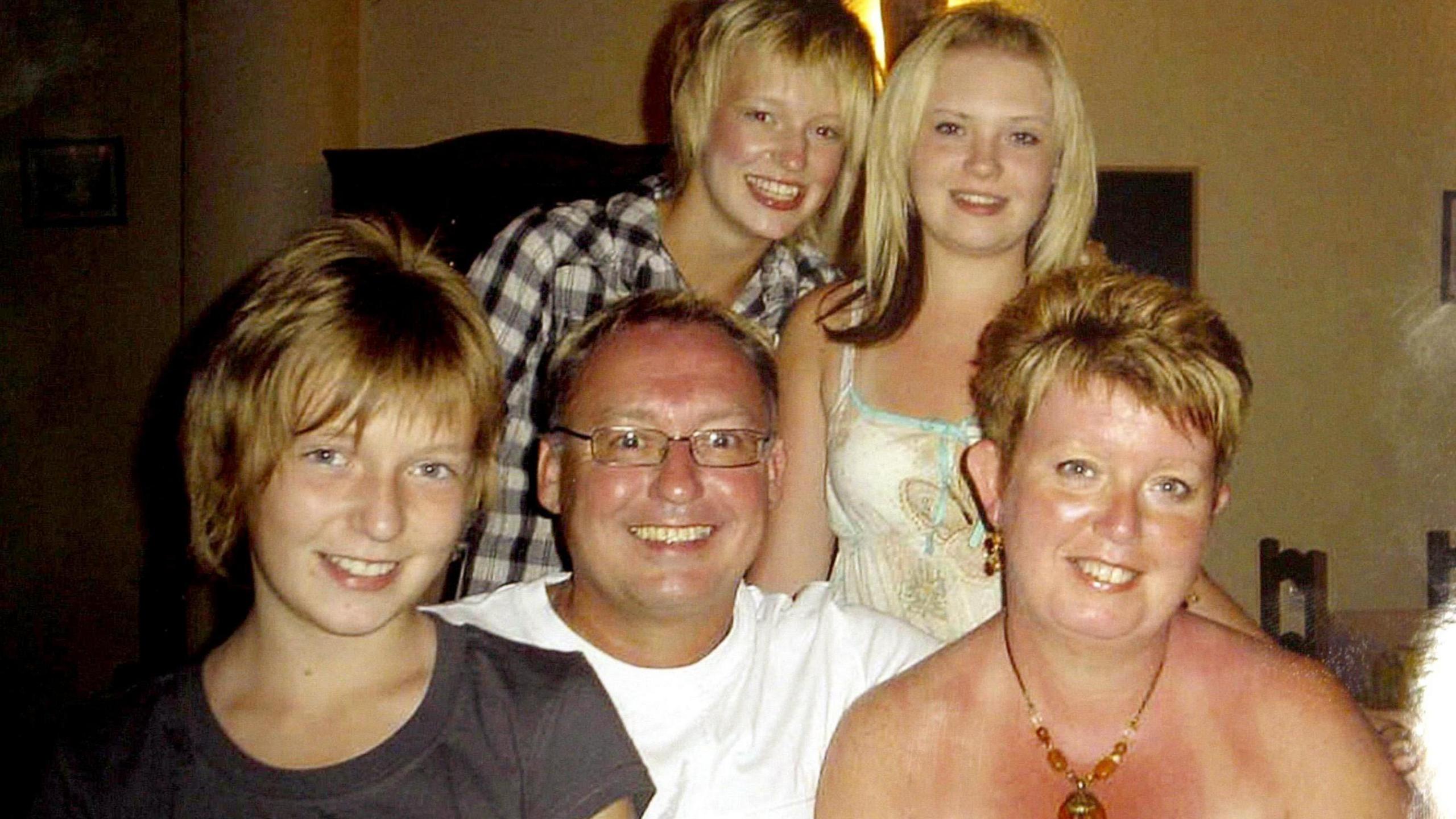
In the summer of 2007, Garry Newlove was brutally attacked by a gang of youths outside their home in Warrington, an incident witnessed by two of their daughters. The attack, which resulted in his death two days later, was a turning point for Helen. Three teenagers were later convicted of his murder under joint enterprise legislation. This tragedy spurred Helen to dedicate her life to combating anti-social behaviour and advocating for victims' rights.
Rise to Prominence
Helen Newlove's activism quickly gained momentum. In 2010, she was nominated to the House of Lords as Baroness Newlove of Warrington. Her appointment as Victims' Commissioner for England and Wales in 2012 marked a significant step in her campaign to improve community safety and support for crime victims. Her tenure was characterized by her insistence on actionable reports and her successful lobbying for proper staffing and funding of her office.
Legislative Impact
Baroness Newlove's efforts culminated in the Victims and Prisoners Act 2024, a landmark piece of legislation that provides enhanced support and safeguards for victims of crime. Although she opposed certain provisions related to prisoners, her influence was instrumental in enshrining victims' rights in law. Her work extended beyond the UK, as she addressed international forums, including the United Nations, on issues of justice and community engagement.
A Personal Journey
Born in Salford, Helen Newlove's early life was marked by health challenges and aspirations of becoming an artist. Her marriage to Garry Newlove in 1986 and their subsequent family life in Warrington were central to her story. Despite her initial shyness, her personal tragedy revealed her strength and determination, earning her widespread admiration.
WHAT THIS MIGHT MEAN
Baroness Newlove's passing leaves a significant void in the advocacy for victims' rights. Her legacy, however, is likely to inspire continued efforts to strengthen legal protections and community safety measures. The Victims and Prisoners Act 2024 stands as a testament to her impact, and future policymakers may build upon her work to further enhance victims' rights. As the UK continues to grapple with issues of anti-social behaviour and community safety, Newlove's contributions will remain a guiding force for reform and advocacy.
Images from the Web

Related Articles

UN Report: Sudan's El Fasher Siege Shows Genocide Hallmarks

US Congress Seeks Testimony from Peter Mandelson Over Epstein Ties
Labour Party Faces Turmoil Over Links to Convicted Sex Offender

Keir Starmer Faces Pressure Over Appointments and Calls for Cultural Change
British Woman's Death in Texas Ruled Unlawful Killing by Coroner

Intensified US-Israel Strikes on Iran Spark Global Outcry
Baroness Helen Newlove: A Legacy of Advocacy and Reform
In This Article
 Ethan Brooks| Published
 HIGHLIGHTS
- Baroness Helen Newlove, a prominent advocate for victims' rights, passed away at 63 after a short illness.
- Her husband's murder in 2007 propelled her into activism against anti-social behaviour and for community safety.
- Newlove was appointed Victims' Commissioner in 2012 and reappointed in 2023, influencing the Victims and Prisoners Act 2024.
- She was nominated to the House of Lords in 2010 and became a key figure in promoting victims' rights and community engagement.
- Her campaigns led to significant legal reforms, including the enshrinement of victims' rights in law.
Baroness Helen Newlove, a tireless campaigner for victims' rights and community safety, has died at the age of 63 following a brief illness. Her journey from a quiet suburban life to a prominent public figure began with the tragic murder of her husband, Garry Newlove, in 2007. This devastating event galvanized her into action, transforming her grief into a powerful force for change.
A Tragic Catalyst for Change
In the summer of 2007, Garry Newlove was brutally attacked by a gang of youths outside their home in Warrington, an incident witnessed by two of their daughters. The attack, which resulted in his death two days later, was a turning point for Helen. Three teenagers were later convicted of his murder under joint enterprise legislation. This tragedy spurred Helen to dedicate her life to combating anti-social behaviour and advocating for victims' rights.
Rise to Prominence
Helen Newlove's activism quickly gained momentum. In 2010, she was nominated to the House of Lords as Baroness Newlove of Warrington. Her appointment as Victims' Commissioner for England and Wales in 2012 marked a significant step in her campaign to improve community safety and support for crime victims. Her tenure was characterized by her insistence on actionable reports and her successful lobbying for proper staffing and funding of her office.
Legislative Impact
Baroness Newlove's efforts culminated in the Victims and Prisoners Act 2024, a landmark piece of legislation that provides enhanced support and safeguards for victims of crime. Although she opposed certain provisions related to prisoners, her influence was instrumental in enshrining victims' rights in law. Her work extended beyond the UK, as she addressed international forums, including the United Nations, on issues of justice and community engagement.
A Personal Journey
Born in Salford, Helen Newlove's early life was marked by health challenges and aspirations of becoming an artist. Her marriage to Garry Newlove in 1986 and their subsequent family life in Warrington were central to her story. Despite her initial shyness, her personal tragedy revealed her strength and determination, earning her widespread admiration.
WHAT THIS MIGHT MEAN
Baroness Newlove's passing leaves a significant void in the advocacy for victims' rights. Her legacy, however, is likely to inspire continued efforts to strengthen legal protections and community safety measures. The Victims and Prisoners Act 2024 stands as a testament to her impact, and future policymakers may build upon her work to further enhance victims' rights. As the UK continues to grapple with issues of anti-social behaviour and community safety, Newlove's contributions will remain a guiding force for reform and advocacy.
Images from the Web
Related Articles
UN Report: Sudan's El Fasher Siege Shows Genocide Hallmarks
US Congress Seeks Testimony from Peter Mandelson Over Epstein Ties
Labour Party Faces Turmoil Over Links to Convicted Sex Offender
Keir Starmer Faces Pressure Over Appointments and Calls for Cultural Change
British Woman's Death in Texas Ruled Unlawful Killing by Coroner
Intensified US-Israel Strikes on Iran Spark Global Outcry