
BBC Faces Legal Threat from Trump Amidst Internal Turmoil and Bias Allegations
In This Article
HIGHLIGHTS
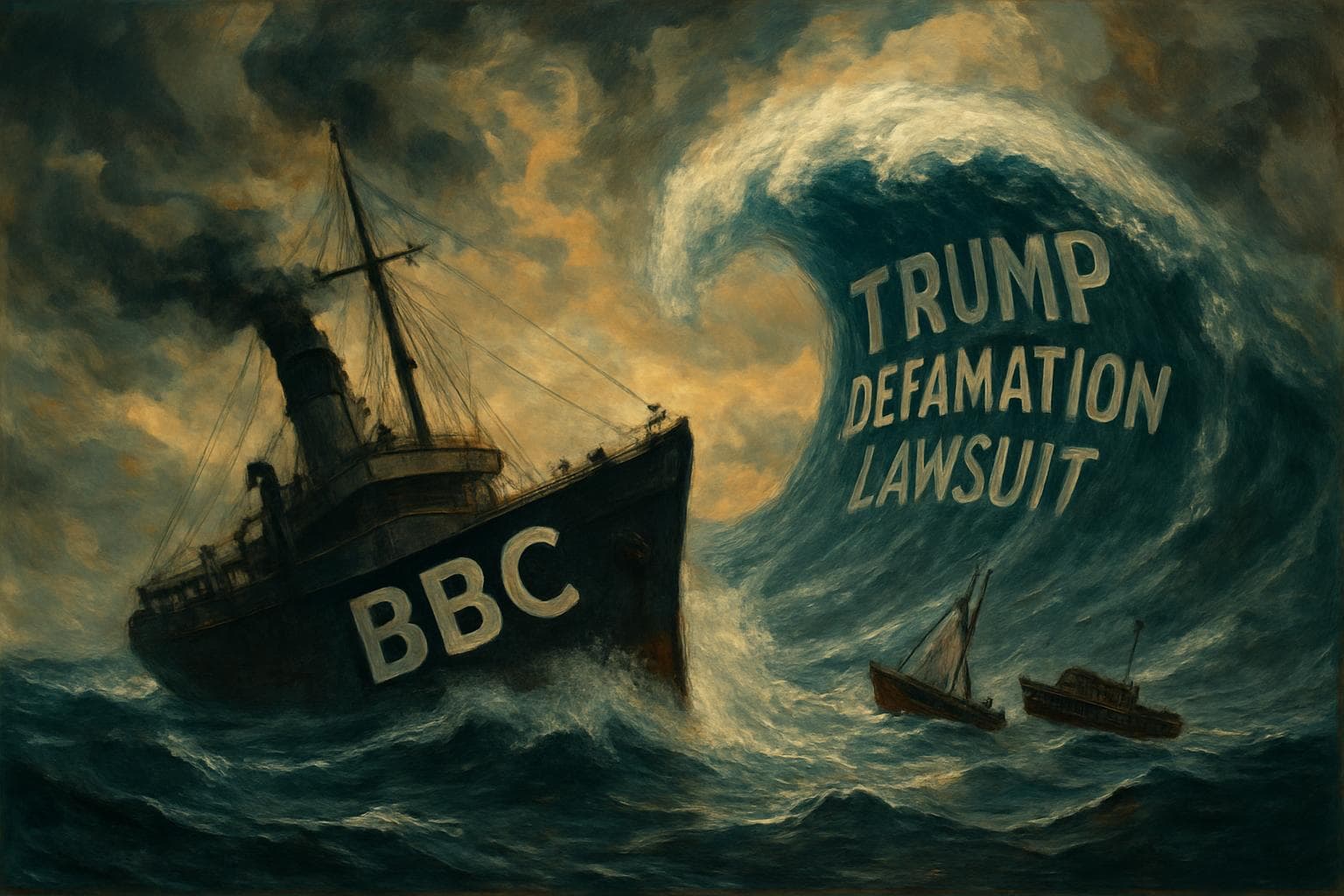
- Donald Trump has threatened to sue the BBC for $1 billion over alleged defamation in a Panorama documentary.
- The resignations of BBC Director General Tim Davie and News CEO Deborah Turness have sparked accusations of political interference.
- Robbie Gibb, a BBC board member with Conservative ties, is accused of leading claims of systemic bias within the corporation.
- The BBC faces scrutiny over its editorial decisions, particularly concerning Trump, Gaza, and transgender issues.
- Liberal Democrat leader Ed Davey has called for Gibb's removal from the BBC board to ensure impartiality.
The BBC is currently embroiled in a multifaceted crisis, facing a $1 billion lawsuit threat from former U.S. President Donald Trump while grappling with internal accusations of systemic bias. This turmoil has led to the resignations of two of its top executives, Director General Tim Davie and News CEO Deborah Turness, raising questions about political interference and the future of the UK's public broadcaster.
Trump's Legal Threat
Donald Trump has accused the BBC of defamation, demanding a retraction of a Panorama documentary that allegedly misrepresented his January 6, 2021, speech. The documentary is said to have spliced parts of his speech, creating the impression that he incited the Capitol attack. Trump's lawyers have given the BBC until Friday to respond to the legal threat, which has intensified debates over the broadcaster's impartiality.
Leadership Resignations and Political Accusations
The resignations of Davie and Turness have been linked to mounting pressure from within the BBC and external political forces. Robbie Gibb, a board member with ties to the Conservative Party, is accused of amplifying claims of bias against the BBC, particularly regarding its coverage of Trump, Gaza, and transgender rights. Liberal Democrat leader Ed Davey has publicly called for Gibb's removal to preserve the BBC's independence.
Editorial Scrutiny and Internal Conflict
The BBC's editorial decisions have come under intense scrutiny, with a leaked memo from former adviser Michael Prescott highlighting alleged biases. BBC Chairman Samir Shah has acknowledged an "error of judgment" in the Trump documentary but insists that the memo does not fully represent internal discussions. Despite the turmoil, Turness received a round of applause from staff, indicating internal support amidst the crisis.
WHAT THIS MIGHT MEAN
The BBC's current predicament could have significant implications for its governance and editorial policies. If Trump's lawsuit proceeds, it could lead to a protracted legal battle, potentially affecting the broadcaster's financial and reputational standing. The political pressure from figures like Robbie Gibb may prompt a reevaluation of board appointments and editorial guidelines to ensure impartiality. As the search for new leadership begins, the BBC must navigate these challenges to maintain its role as a trusted public service broadcaster in an increasingly polarized media landscape.
Images from the Web


Related Articles
UK-Iran Tensions: Starmer Defends Cautious Approach Amid Trump Criticism
UK Government to Reform Asylum Seeker Support and Employment Policies

UK Faces Dilemmas Amid Iran Conflict and China Spying Allegations

Labour MP's Husband Arrested in UK-China Espionage Probe
Diplomatic Tensions Rise as Trump Criticizes Starmer's Iran Policy

Tech Giants Pledge to Cover AI Data Center Energy Costs Amid Rising Electricity Concerns
BBC Faces Legal Threat from Trump Amidst Internal Turmoil and Bias Allegations
In This Article
 Ethan Brooks| Published
 HIGHLIGHTS
- Donald Trump has threatened to sue the BBC for $1 billion over alleged defamation in a Panorama documentary.
- The resignations of BBC Director General Tim Davie and News CEO Deborah Turness have sparked accusations of political interference.
- Robbie Gibb, a BBC board member with Conservative ties, is accused of leading claims of systemic bias within the corporation.
- The BBC faces scrutiny over its editorial decisions, particularly concerning Trump, Gaza, and transgender issues.
- Liberal Democrat leader Ed Davey has called for Gibb's removal from the BBC board to ensure impartiality.
The BBC is currently embroiled in a multifaceted crisis, facing a $1 billion lawsuit threat from former U.S. President Donald Trump while grappling with internal accusations of systemic bias. This turmoil has led to the resignations of two of its top executives, Director General Tim Davie and News CEO Deborah Turness, raising questions about political interference and the future of the UK's public broadcaster.
Trump's Legal Threat
Donald Trump has accused the BBC of defamation, demanding a retraction of a Panorama documentary that allegedly misrepresented his January 6, 2021, speech. The documentary is said to have spliced parts of his speech, creating the impression that he incited the Capitol attack. Trump's lawyers have given the BBC until Friday to respond to the legal threat, which has intensified debates over the broadcaster's impartiality.
Leadership Resignations and Political Accusations
The resignations of Davie and Turness have been linked to mounting pressure from within the BBC and external political forces. Robbie Gibb, a board member with ties to the Conservative Party, is accused of amplifying claims of bias against the BBC, particularly regarding its coverage of Trump, Gaza, and transgender rights. Liberal Democrat leader Ed Davey has publicly called for Gibb's removal to preserve the BBC's independence.
Editorial Scrutiny and Internal Conflict
The BBC's editorial decisions have come under intense scrutiny, with a leaked memo from former adviser Michael Prescott highlighting alleged biases. BBC Chairman Samir Shah has acknowledged an "error of judgment" in the Trump documentary but insists that the memo does not fully represent internal discussions. Despite the turmoil, Turness received a round of applause from staff, indicating internal support amidst the crisis.
WHAT THIS MIGHT MEAN
The BBC's current predicament could have significant implications for its governance and editorial policies. If Trump's lawsuit proceeds, it could lead to a protracted legal battle, potentially affecting the broadcaster's financial and reputational standing. The political pressure from figures like Robbie Gibb may prompt a reevaluation of board appointments and editorial guidelines to ensure impartiality. As the search for new leadership begins, the BBC must navigate these challenges to maintain its role as a trusted public service broadcaster in an increasingly polarized media landscape.
Images from the Web
Related Articles
UK-Iran Tensions: Starmer Defends Cautious Approach Amid Trump Criticism
UK Government to Reform Asylum Seeker Support and Employment Policies
UK Faces Dilemmas Amid Iran Conflict and China Spying Allegations
Labour MP's Husband Arrested in UK-China Espionage Probe
Diplomatic Tensions Rise as Trump Criticizes Starmer's Iran Policy
Tech Giants Pledge to Cover AI Data Center Energy Costs Amid Rising Electricity Concerns