
BBC Faces Scrutiny Over Governance and Bias Allegations Amid Leadership Crisis
In This Article
HIGHLIGHTS
- Senior BBC figures, including Michael Prescott and Samir Shah, will face MPs over governance issues and alleged bias in BBC reporting.
- The resignations of BBC director general Tim Davie and head of news Deborah Turness followed a leaked memo by Prescott highlighting systemic bias.
- The BBC plans to expand its editorial standards panel and create a deputy director general role to address governance concerns.
- Shumeet Banerji resigned from the BBC board citing governance issues, increasing pressure on Shah and Gibb.
- Culture Secretary Lisa Nandy has expressed concerns over political influence on the BBC's impartiality, promising a review during the next charter renewal.
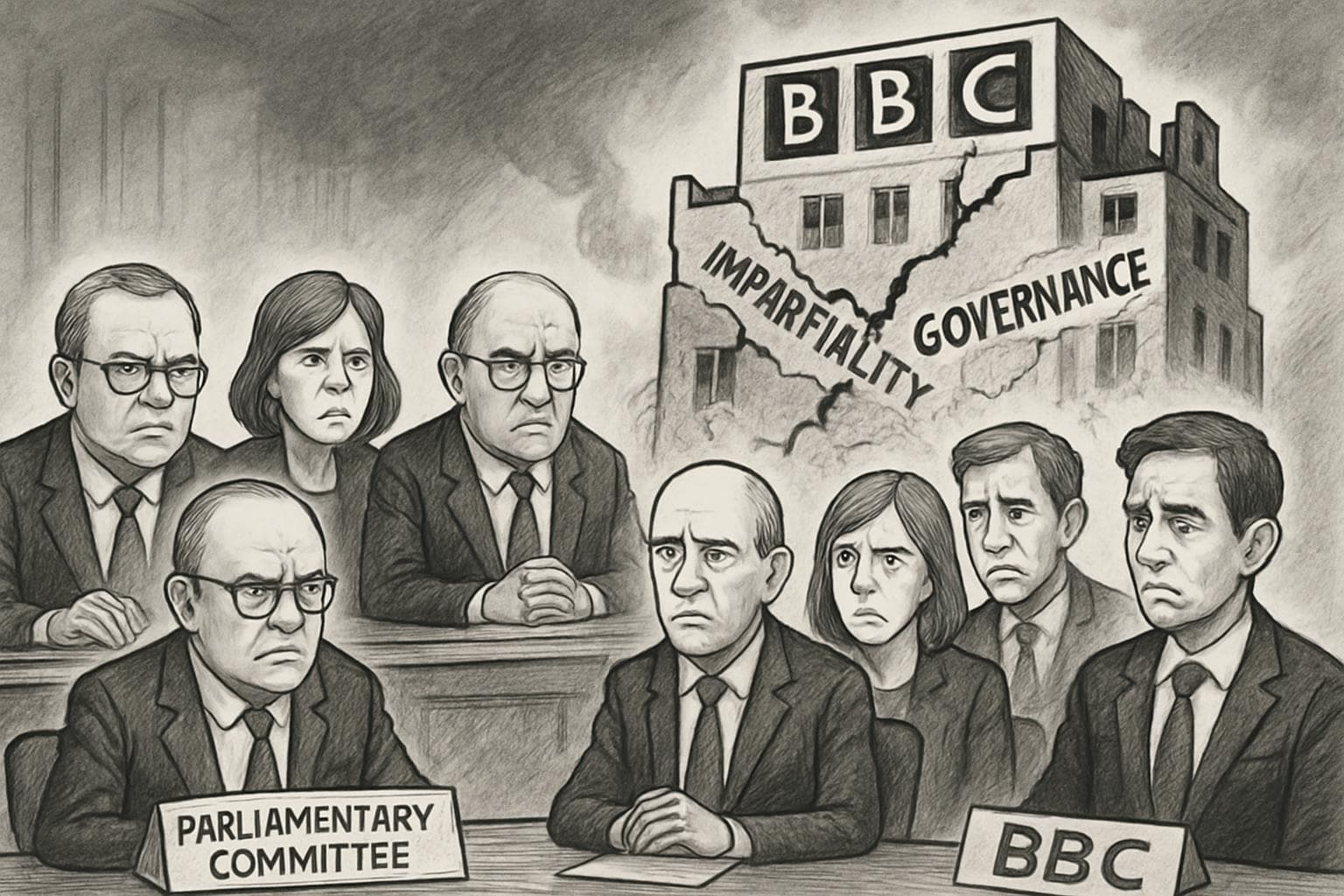
The BBC is under intense scrutiny as senior figures prepare to face a parliamentary committee over governance issues and allegations of bias. The crisis, which has already led to the resignations of director general Tim Davie and head of news Deborah Turness, centers around a leaked memo by former editorial adviser Michael Prescott. The memo, which highlighted systemic bias in BBC reporting, has sparked a broader debate about the corporation's impartiality and governance.
Parliamentary Inquiry into BBC Governance
On Monday, key figures including Michael Prescott, BBC chairman Samir Shah, and board members Sir Robbie Gibb and Caroline Thomson will appear before the Culture, Media and Sport Committee. The hearing follows the resignation of board member Shumeet Banerji, who cited governance issues as his reason for stepping down. Banerji's departure has intensified scrutiny on Shah and Gibb, with BBC media editor Katie Razzall noting the critical nature of the upcoming session for Shah.
Allegations of Bias and Political Influence
Prescott's memo, which was leaked to the press, accused the BBC of bias in its coverage of events such as the US election and the Israel-Gaza conflict. The memo also raised concerns about the BBC's handling of transgender issues. Shah has apologized for an "error of judgement" regarding an edited Panorama episode featuring Donald Trump, but has described Prescott's memo as a partial account. Culture Secretary Lisa Nandy has acknowledged the perception of political influence as a problem, pledging to address it in the next charter review.
Reforms and Future Directions
In response to the crisis, the BBC plans to expand its editorial standards panel and introduce a deputy director general role to support Davie's successor. These measures aim to address governance concerns and ensure no single voice dominates the editorial guidelines and standards committee. The role of Robbie Gibb, a Conservative-appointed board member, has come under particular scrutiny, with calls for his removal due to perceived political interference.
WHAT THIS MIGHT MEAN
The upcoming parliamentary hearing could significantly impact the BBC's future governance and editorial policies. If the committee finds substantial evidence of bias or governance failures, it may lead to further resignations or restructuring within the corporation. The BBC's planned reforms, including expanding the editorial standards panel, could help restore confidence in its impartiality. However, the perception of political influence remains a critical issue, and the outcome of the next charter review will be pivotal in shaping the BBC's path forward. As the corporation navigates these challenges, maintaining public trust will be essential to its continued role as a leading global broadcaster.
Related Articles

UK Faces Dilemmas Amid Iran Conflict and China Spying Allegations

UK-Iran Tensions: Starmer Defends Cautious Approach Amid Trump Criticism
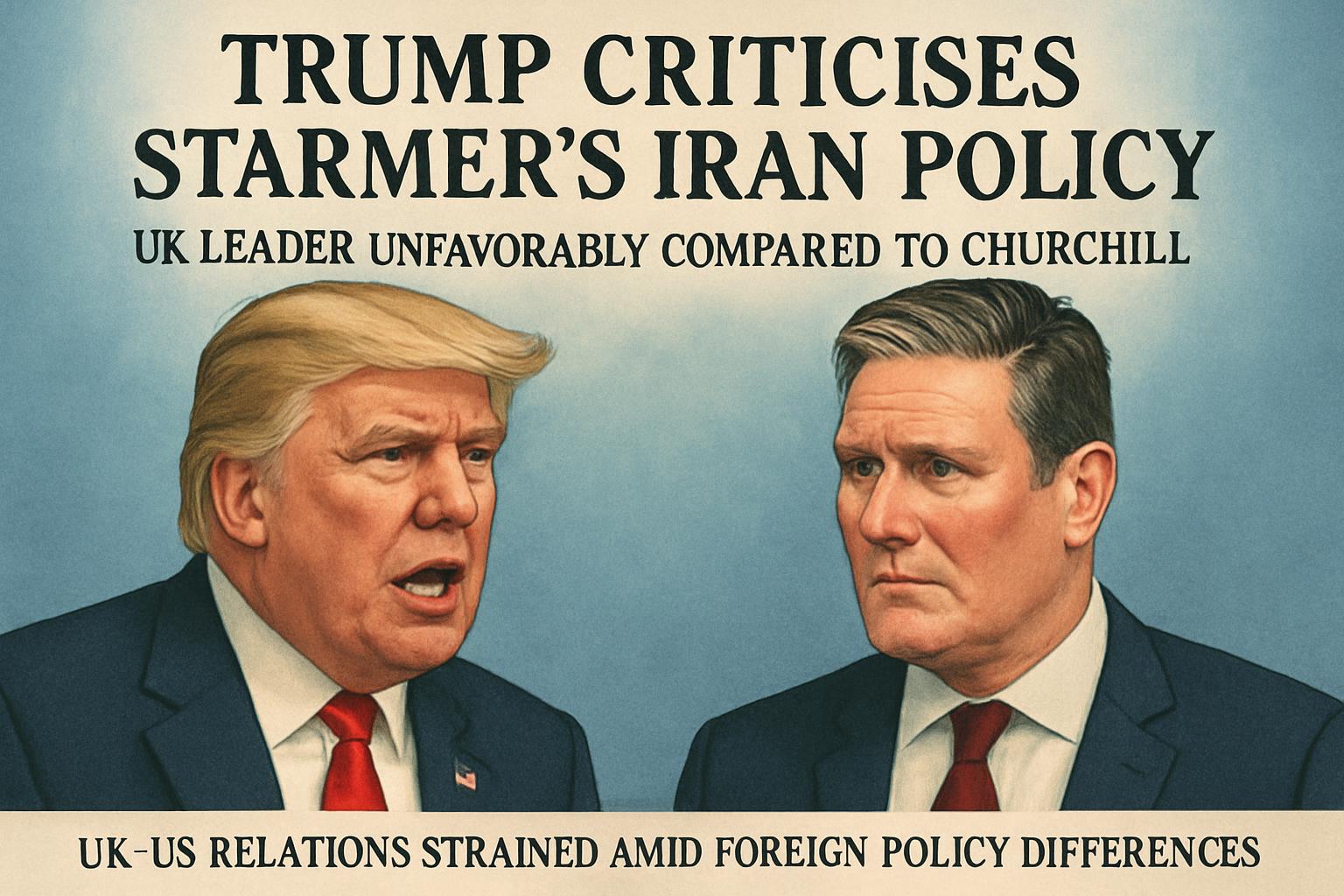
Diplomatic Tensions Rise as Trump Criticizes Starmer's Iran Policy

Tech Giants Pledge to Cover AI Data Center Energy Costs Amid Rising Electricity Concerns
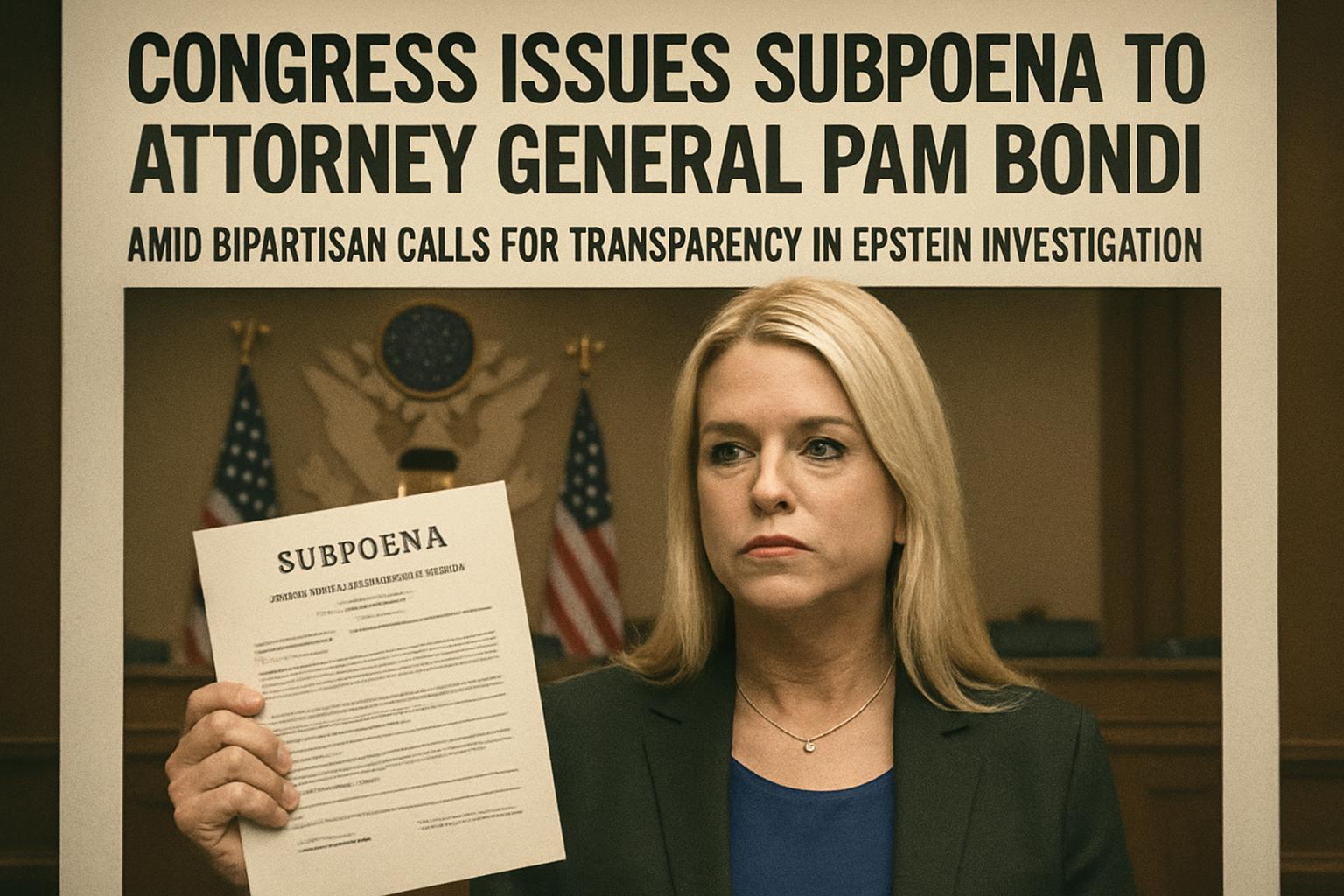
Congress Subpoenas Attorney General Bondi in Epstein Investigation

Cuba Faces Widespread Blackout Amid Deepening Fuel Crisis
BBC Faces Scrutiny Over Governance and Bias Allegations Amid Leadership Crisis
In This Article
 Ethan Brooks| Published
 HIGHLIGHTS
- Senior BBC figures, including Michael Prescott and Samir Shah, will face MPs over governance issues and alleged bias in BBC reporting.
- The resignations of BBC director general Tim Davie and head of news Deborah Turness followed a leaked memo by Prescott highlighting systemic bias.
- The BBC plans to expand its editorial standards panel and create a deputy director general role to address governance concerns.
- Shumeet Banerji resigned from the BBC board citing governance issues, increasing pressure on Shah and Gibb.
- Culture Secretary Lisa Nandy has expressed concerns over political influence on the BBC's impartiality, promising a review during the next charter renewal.
The BBC is under intense scrutiny as senior figures prepare to face a parliamentary committee over governance issues and allegations of bias. The crisis, which has already led to the resignations of director general Tim Davie and head of news Deborah Turness, centers around a leaked memo by former editorial adviser Michael Prescott. The memo, which highlighted systemic bias in BBC reporting, has sparked a broader debate about the corporation's impartiality and governance.
Parliamentary Inquiry into BBC Governance
On Monday, key figures including Michael Prescott, BBC chairman Samir Shah, and board members Sir Robbie Gibb and Caroline Thomson will appear before the Culture, Media and Sport Committee. The hearing follows the resignation of board member Shumeet Banerji, who cited governance issues as his reason for stepping down. Banerji's departure has intensified scrutiny on Shah and Gibb, with BBC media editor Katie Razzall noting the critical nature of the upcoming session for Shah.
Allegations of Bias and Political Influence
Prescott's memo, which was leaked to the press, accused the BBC of bias in its coverage of events such as the US election and the Israel-Gaza conflict. The memo also raised concerns about the BBC's handling of transgender issues. Shah has apologized for an "error of judgement" regarding an edited Panorama episode featuring Donald Trump, but has described Prescott's memo as a partial account. Culture Secretary Lisa Nandy has acknowledged the perception of political influence as a problem, pledging to address it in the next charter review.
Reforms and Future Directions
In response to the crisis, the BBC plans to expand its editorial standards panel and introduce a deputy director general role to support Davie's successor. These measures aim to address governance concerns and ensure no single voice dominates the editorial guidelines and standards committee. The role of Robbie Gibb, a Conservative-appointed board member, has come under particular scrutiny, with calls for his removal due to perceived political interference.
WHAT THIS MIGHT MEAN
The upcoming parliamentary hearing could significantly impact the BBC's future governance and editorial policies. If the committee finds substantial evidence of bias or governance failures, it may lead to further resignations or restructuring within the corporation. The BBC's planned reforms, including expanding the editorial standards panel, could help restore confidence in its impartiality. However, the perception of political influence remains a critical issue, and the outcome of the next charter review will be pivotal in shaping the BBC's path forward. As the corporation navigates these challenges, maintaining public trust will be essential to its continued role as a leading global broadcaster.
Related Articles
UK Faces Dilemmas Amid Iran Conflict and China Spying Allegations
UK-Iran Tensions: Starmer Defends Cautious Approach Amid Trump Criticism
Diplomatic Tensions Rise as Trump Criticizes Starmer's Iran Policy
Tech Giants Pledge to Cover AI Data Center Energy Costs Amid Rising Electricity Concerns
Congress Subpoenas Attorney General Bondi in Epstein Investigation
Cuba Faces Widespread Blackout Amid Deepening Fuel Crisis