
BBC Faces Leadership Challenges Amidst Financial and Cultural Shifts

In This Article
HIGHLIGHTS
- BBC Director General Tim Davie faces scrutiny amid controversies, including issues with Gaza documentaries and Glastonbury livestreams.
- Culture Secretary Lisa Nandy has criticized Davie, highlighting a "series of catastrophic failures" at the BBC.
- The BBC's annual report reveals declining licence fee income and increased competition from streaming services.
- Despite challenges, the BBC reached 84% of UK adults weekly, with iPlayer remaining popular among younger audiences.
- Financial strategies are being explored, including potential changes to the licence fee model and increased commercial revenue.
The BBC is navigating a turbulent period as Director General Tim Davie confronts a series of controversies and financial challenges. Recent weeks have seen Davie under intense pressure, with questions about his leadership following issues such as the handling of Gaza documentaries and the decision to livestream a controversial Glastonbury performance. Despite these challenges, Davie remains steadfast in his role, acknowledging the difficulties but not considering resignation.
Leadership Under Fire
The BBC's leadership has been called into question, notably by Culture Secretary Lisa Nandy, who described recent events as a "series of catastrophic failures." Davie, while defending his position, admitted to feeling the pressure, a sentiment echoed during a face-to-face interview where he appeared less confident than usual. The controversies have provided ample material for the BBC's critics, yet Davie insists on the importance of making "clear, strong decisions" in the face of adversity.
Financial and Cultural Challenges
Beyond leadership issues, the BBC's annual report highlights significant financial and cultural challenges. The report notes a decline in licence fee income, with the number of paying households dropping from 26 million in 2019 to 23.8 million. This decline, coupled with increased competition from streaming services, poses an existential threat to the corporation. Despite these hurdles, the BBC continues to reach a vast audience, with 84% of UK adults engaging with its content weekly.
Adapting to a Changing Media Landscape
The BBC is exploring various financial strategies to adapt to the shifting media landscape. These include potential changes to the licence fee model, cost-cutting measures, and boosting commercial revenue. The success of shows like "Bluey" has contributed to record-high commercial income, and the BBC is also considering charging US users for unrestricted news content. Meanwhile, the cultural habits of younger viewers are shifting, with only 37% of 16- to 34-year-olds watching BBC TV or iPlayer weekly.
WHAT THIS MIGHT MEAN
Looking ahead, the BBC faces critical decisions regarding its financial strategy and leadership. The potential restructuring of the licence fee model could have significant implications for the corporation's funding and public perception. Additionally, the ongoing scrutiny of Tim Davie's leadership may prompt further internal and external evaluations. As the media landscape continues to evolve, the BBC's ability to adapt will be crucial in maintaining its relevance and financial stability. Experts suggest that embracing digital innovation and diversifying revenue streams will be key to the BBC's future success.
Related Articles

UK Reinforces Military Presence in Cyprus Amid Middle East Tensions

UK-Iran Tensions: Starmer Defends Cautious Approach Amid Trump Criticism

Diplomatic Tensions Rise as Trump Criticizes Starmer's Iran Policy
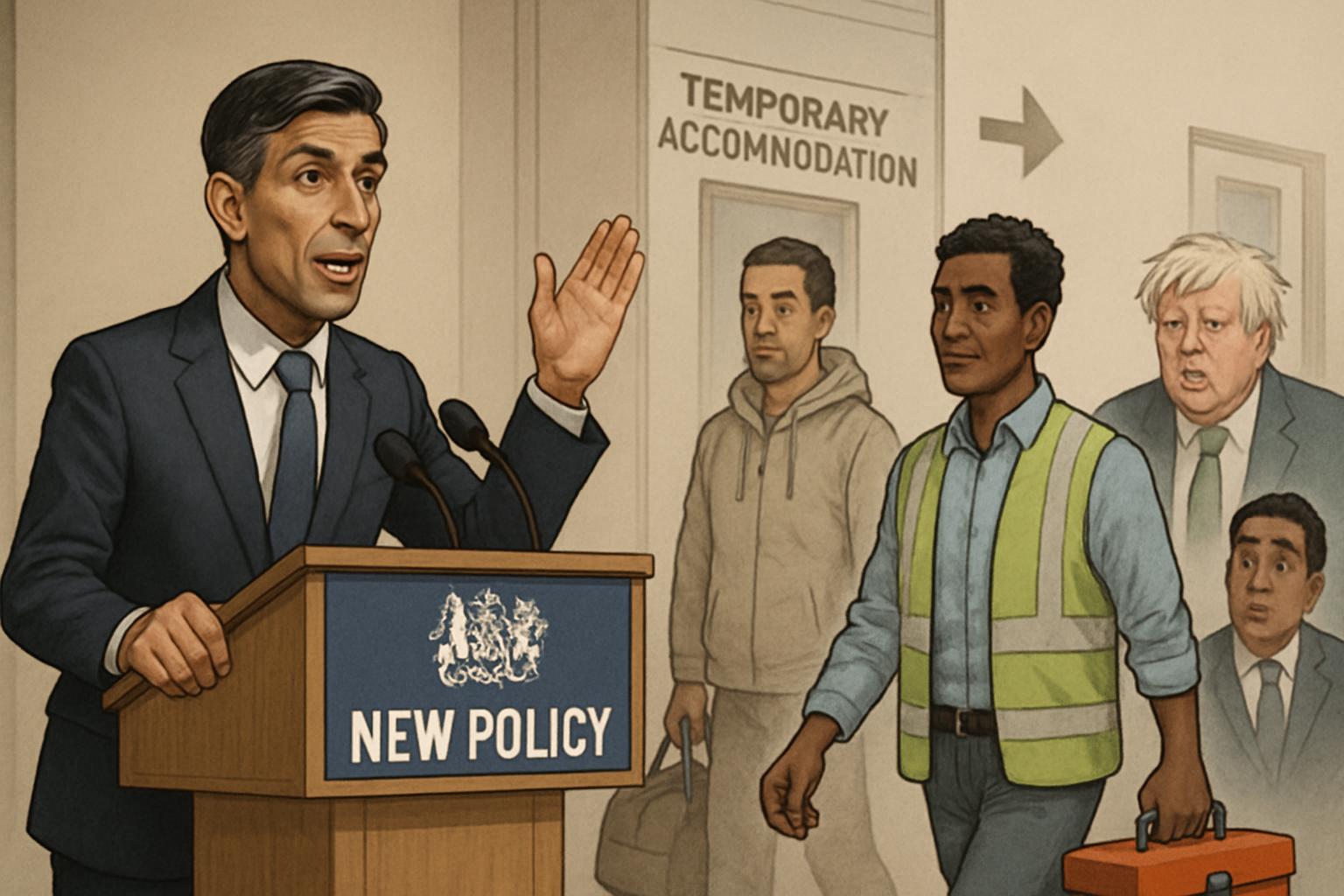
UK Government to Reform Asylum Seeker Support and Employment Policies

UK Faces Dilemmas Amid Iran Conflict and China Spying Allegations

Persistent Safety Concerns in Nottingham Maternity Services Amidst Calls for Systemic Reform
BBC Faces Leadership Challenges Amidst Financial and Cultural Shifts
In This Article
 Ethan Brooks| Published
 HIGHLIGHTS
- BBC Director General Tim Davie faces scrutiny amid controversies, including issues with Gaza documentaries and Glastonbury livestreams.
- Culture Secretary Lisa Nandy has criticized Davie, highlighting a "series of catastrophic failures" at the BBC.
- The BBC's annual report reveals declining licence fee income and increased competition from streaming services.
- Despite challenges, the BBC reached 84% of UK adults weekly, with iPlayer remaining popular among younger audiences.
- Financial strategies are being explored, including potential changes to the licence fee model and increased commercial revenue.
The BBC is navigating a turbulent period as Director General Tim Davie confronts a series of controversies and financial challenges. Recent weeks have seen Davie under intense pressure, with questions about his leadership following issues such as the handling of Gaza documentaries and the decision to livestream a controversial Glastonbury performance. Despite these challenges, Davie remains steadfast in his role, acknowledging the difficulties but not considering resignation.
Leadership Under Fire
The BBC's leadership has been called into question, notably by Culture Secretary Lisa Nandy, who described recent events as a "series of catastrophic failures." Davie, while defending his position, admitted to feeling the pressure, a sentiment echoed during a face-to-face interview where he appeared less confident than usual. The controversies have provided ample material for the BBC's critics, yet Davie insists on the importance of making "clear, strong decisions" in the face of adversity.
Financial and Cultural Challenges
Beyond leadership issues, the BBC's annual report highlights significant financial and cultural challenges. The report notes a decline in licence fee income, with the number of paying households dropping from 26 million in 2019 to 23.8 million. This decline, coupled with increased competition from streaming services, poses an existential threat to the corporation. Despite these hurdles, the BBC continues to reach a vast audience, with 84% of UK adults engaging with its content weekly.
Adapting to a Changing Media Landscape
The BBC is exploring various financial strategies to adapt to the shifting media landscape. These include potential changes to the licence fee model, cost-cutting measures, and boosting commercial revenue. The success of shows like "Bluey" has contributed to record-high commercial income, and the BBC is also considering charging US users for unrestricted news content. Meanwhile, the cultural habits of younger viewers are shifting, with only 37% of 16- to 34-year-olds watching BBC TV or iPlayer weekly.
WHAT THIS MIGHT MEAN
Looking ahead, the BBC faces critical decisions regarding its financial strategy and leadership. The potential restructuring of the licence fee model could have significant implications for the corporation's funding and public perception. Additionally, the ongoing scrutiny of Tim Davie's leadership may prompt further internal and external evaluations. As the media landscape continues to evolve, the BBC's ability to adapt will be crucial in maintaining its relevance and financial stability. Experts suggest that embracing digital innovation and diversifying revenue streams will be key to the BBC's future success.
Related Articles
UK Reinforces Military Presence in Cyprus Amid Middle East Tensions
UK-Iran Tensions: Starmer Defends Cautious Approach Amid Trump Criticism
Diplomatic Tensions Rise as Trump Criticizes Starmer's Iran Policy
UK Government to Reform Asylum Seeker Support and Employment Policies
UK Faces Dilemmas Amid Iran Conflict and China Spying Allegations
Persistent Safety Concerns in Nottingham Maternity Services Amidst Calls for Systemic Reform