
BBC Faces Scrutiny Over Editorial Bias and Governance Amid Leadership Crisis
In This Article
HIGHLIGHTS
- BBC chairman Samir Shah and other senior figures faced scrutiny from MPs over alleged bias and editorial failures.
- A leaked memo by former adviser Michael Prescott claimed systemic issues at the BBC, sparking resignations and controversy.
- Shah apologized for past mistakes and committed to addressing governance and editorial concerns.
- The BBC faces a potential $1 billion lawsuit from Donald Trump over a Panorama documentary edit.
- MPs expressed doubts about the BBC board's ability to manage the crisis effectively, questioning Shah's leadership.
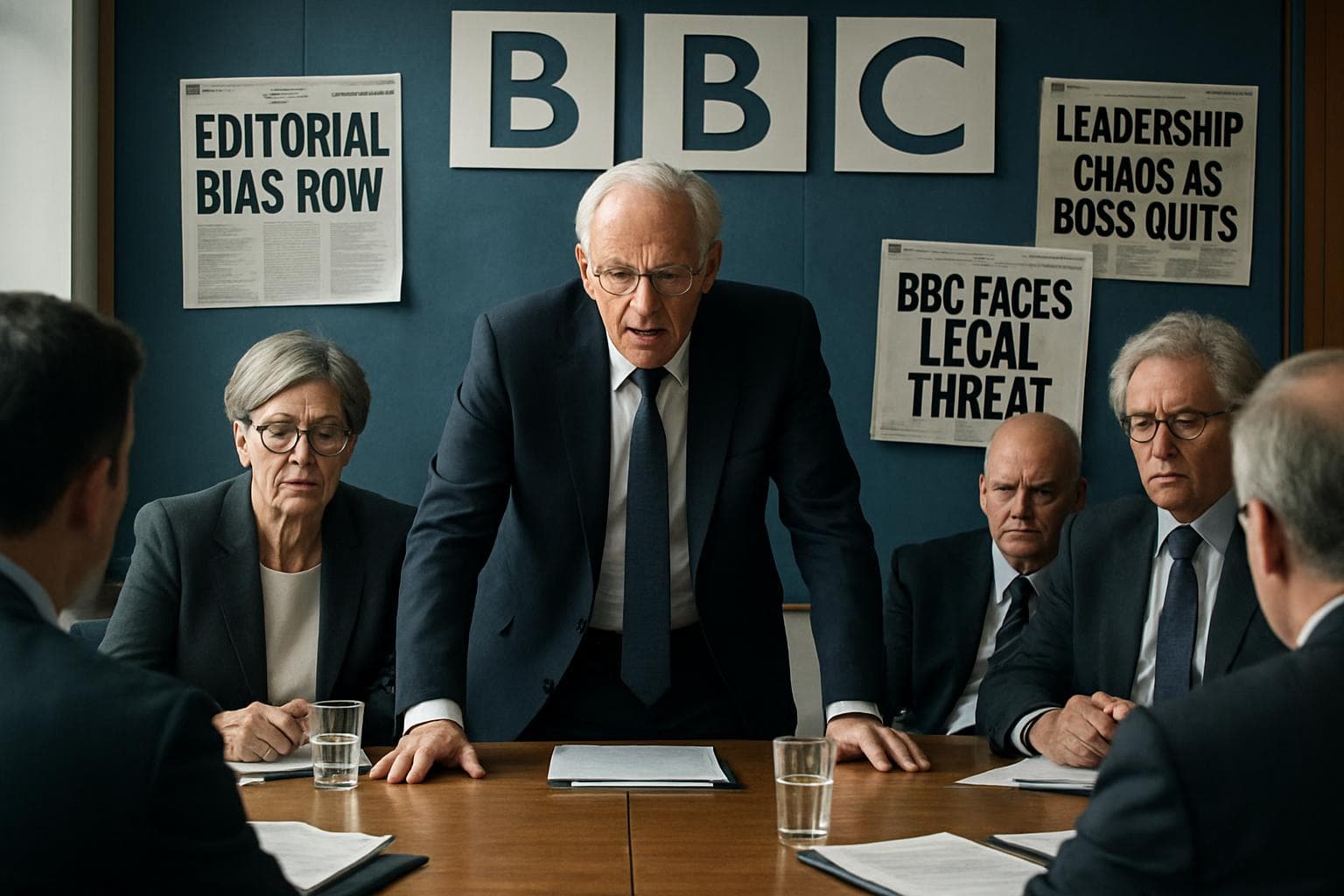
The BBC is under intense scrutiny following a series of high-profile resignations and allegations of editorial bias, prompting a parliamentary inquiry into its governance and editorial standards. BBC chairman Samir Shah, alongside other senior figures, appeared before the Culture, Media and Sport Committee to address concerns raised by a leaked memo from former adviser Michael Prescott. The memo, which alleged systemic problems within the BBC, has led to the resignations of Director General Tim Davie and Head of News Deborah Turness.
Allegations of Bias and Editorial Failures
The controversy centers around a Panorama documentary that edited a speech by former US President Donald Trump, leading to accusations of bias. Prescott's memo, leaked to the Daily Telegraph, claimed the BBC had systemic issues in its coverage of the US election, Gaza, and racial diversity. Despite these claims, Prescott told MPs he did not believe the BBC was institutionally biased but highlighted "incipient problems" that needed addressing.
Leadership Under Fire
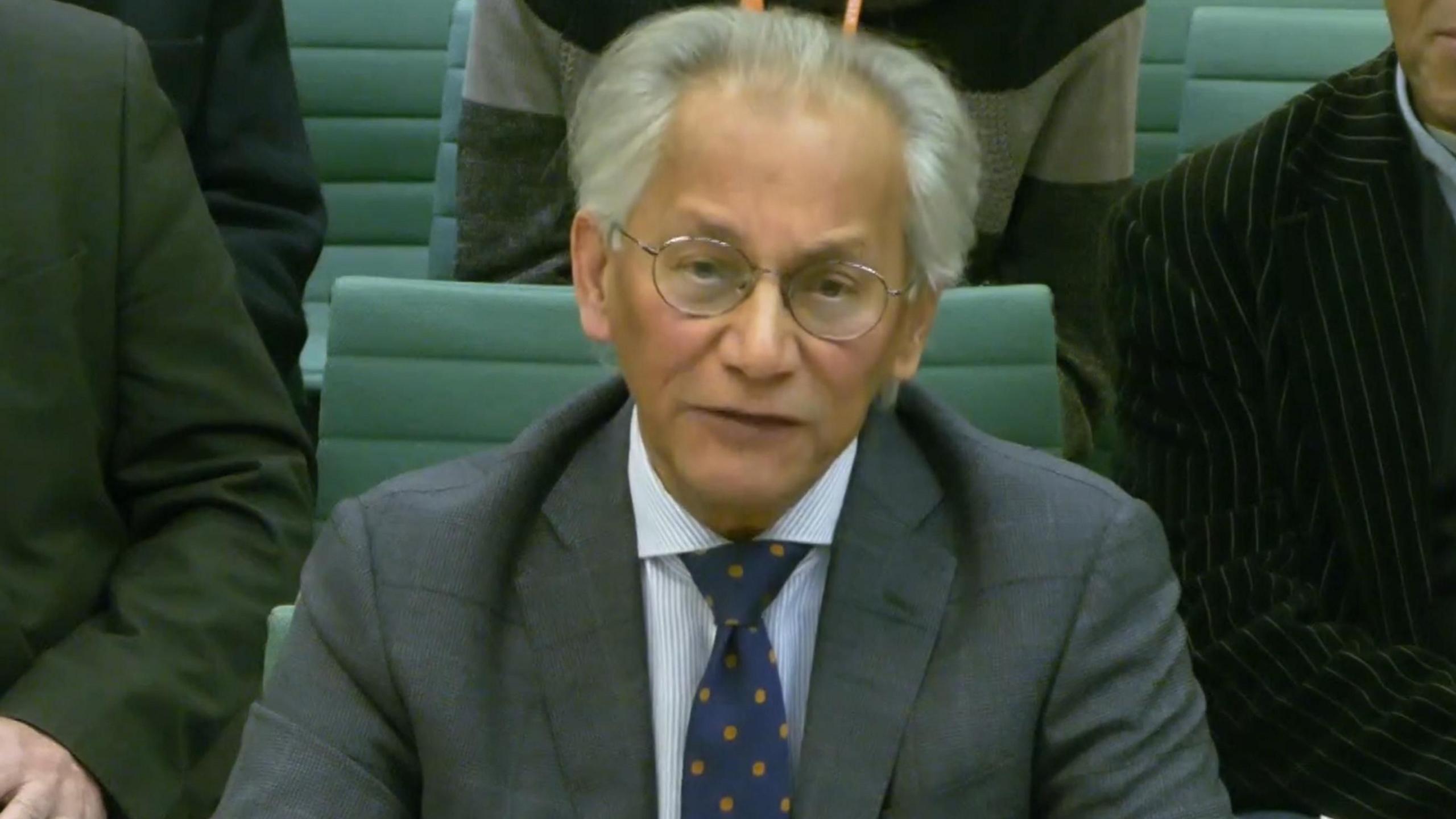
During the committee hearing, Shah apologized for the BBC's past mistakes and acknowledged the need for quicker responses to editorial issues. He emphasized his commitment to "steady the ship" and improve governance. However, Dame Caroline Dinenage, head of the culture select committee, expressed skepticism about Shah's leadership, describing his responses as "wishy-washy" and questioning whether the BBC board is in "safe hands."
Legal and Political Ramifications
The fallout from the memo has not only led to internal turmoil but also external pressures, including a potential $1 billion lawsuit from Donald Trump. The former president has threatened legal action over the documentary's portrayal of his January 6 speech. Meanwhile, the BBC is under pressure from UK politicians to demonstrate impartiality and restore public trust.
Internal Disagreements and Future Challenges
Caroline Daniel, a former adviser alongside Prescott, disputed the memo's portrayal of the BBC's editorial processes, describing it as a "personal account" rather than a comprehensive review. She defended the BBC's commitment to impartiality, highlighting robust internal debates on editorial standards. Despite these assurances, the BBC faces significant challenges in rebuilding its leadership and addressing the concerns raised by MPs and the public.
WHAT THIS MIGHT MEAN
The BBC's current crisis could have far-reaching implications for its governance and editorial policies. If the organization fails to address the concerns raised, it risks losing public trust and facing further political pressure. The search for a new Director General and potential creation of a deputy role may help stabilize leadership, but the board must demonstrate decisive action to restore confidence. The looming lawsuit from Donald Trump adds another layer of complexity, potentially impacting the BBC's financial and reputational standing. As the situation unfolds, the BBC's ability to navigate these challenges will be crucial in shaping its future.
Images from the Web
Related Articles

UK Faces Dilemmas Amid Iran Conflict and China Spying Allegations
UK-Iran Tensions: Starmer Defends Cautious Approach Amid Trump Criticism
Diplomatic Tensions Rise as Trump Criticizes Starmer's Iran Policy

Tech Giants Pledge to Cover AI Data Center Energy Costs Amid Rising Electricity Concerns
Congress Subpoenas Attorney General Bondi in Epstein Investigation

Cuba Faces Widespread Blackout Amid Deepening Fuel Crisis
BBC Faces Scrutiny Over Editorial Bias and Governance Amid Leadership Crisis
In This Article
 Ethan Brooks| Published
 HIGHLIGHTS
- BBC chairman Samir Shah and other senior figures faced scrutiny from MPs over alleged bias and editorial failures.
- A leaked memo by former adviser Michael Prescott claimed systemic issues at the BBC, sparking resignations and controversy.
- Shah apologized for past mistakes and committed to addressing governance and editorial concerns.
- The BBC faces a potential $1 billion lawsuit from Donald Trump over a Panorama documentary edit.
- MPs expressed doubts about the BBC board's ability to manage the crisis effectively, questioning Shah's leadership.
The BBC is under intense scrutiny following a series of high-profile resignations and allegations of editorial bias, prompting a parliamentary inquiry into its governance and editorial standards. BBC chairman Samir Shah, alongside other senior figures, appeared before the Culture, Media and Sport Committee to address concerns raised by a leaked memo from former adviser Michael Prescott. The memo, which alleged systemic problems within the BBC, has led to the resignations of Director General Tim Davie and Head of News Deborah Turness.
Allegations of Bias and Editorial Failures
The controversy centers around a Panorama documentary that edited a speech by former US President Donald Trump, leading to accusations of bias. Prescott's memo, leaked to the Daily Telegraph, claimed the BBC had systemic issues in its coverage of the US election, Gaza, and racial diversity. Despite these claims, Prescott told MPs he did not believe the BBC was institutionally biased but highlighted "incipient problems" that needed addressing.
Leadership Under Fire
During the committee hearing, Shah apologized for the BBC's past mistakes and acknowledged the need for quicker responses to editorial issues. He emphasized his commitment to "steady the ship" and improve governance. However, Dame Caroline Dinenage, head of the culture select committee, expressed skepticism about Shah's leadership, describing his responses as "wishy-washy" and questioning whether the BBC board is in "safe hands."
Legal and Political Ramifications
The fallout from the memo has not only led to internal turmoil but also external pressures, including a potential $1 billion lawsuit from Donald Trump. The former president has threatened legal action over the documentary's portrayal of his January 6 speech. Meanwhile, the BBC is under pressure from UK politicians to demonstrate impartiality and restore public trust.
Internal Disagreements and Future Challenges
Caroline Daniel, a former adviser alongside Prescott, disputed the memo's portrayal of the BBC's editorial processes, describing it as a "personal account" rather than a comprehensive review. She defended the BBC's commitment to impartiality, highlighting robust internal debates on editorial standards. Despite these assurances, the BBC faces significant challenges in rebuilding its leadership and addressing the concerns raised by MPs and the public.
WHAT THIS MIGHT MEAN
The BBC's current crisis could have far-reaching implications for its governance and editorial policies. If the organization fails to address the concerns raised, it risks losing public trust and facing further political pressure. The search for a new Director General and potential creation of a deputy role may help stabilize leadership, but the board must demonstrate decisive action to restore confidence. The looming lawsuit from Donald Trump adds another layer of complexity, potentially impacting the BBC's financial and reputational standing. As the situation unfolds, the BBC's ability to navigate these challenges will be crucial in shaping its future.
Images from the Web
Related Articles
UK Faces Dilemmas Amid Iran Conflict and China Spying Allegations
UK-Iran Tensions: Starmer Defends Cautious Approach Amid Trump Criticism
Diplomatic Tensions Rise as Trump Criticizes Starmer's Iran Policy
Tech Giants Pledge to Cover AI Data Center Energy Costs Amid Rising Electricity Concerns
Congress Subpoenas Attorney General Bondi in Epstein Investigation
Cuba Faces Widespread Blackout Amid Deepening Fuel Crisis