
BBC Board Faces Governance Crisis Amid Resignations and Allegations
In This Article
HIGHLIGHTS
- Shumeet Banerji resigned from the BBC board, citing governance issues and a lack of consultation on key decisions.
- Banerji's resignation letter criticizes the board's handling of the departures of Tim Davie and Deborah Turness.
- BBC Chair Samir Shah claims he consulted Banerji, but Banerji disputes this, stating he was excluded from crucial discussions.
- The crisis was triggered by a leaked memo from Michael Prescott, alleging bias in BBC's coverage of sensitive topics.
- Despite Shah's attempts to demonstrate control, MPs remain unconvinced about the board's stability and governance.
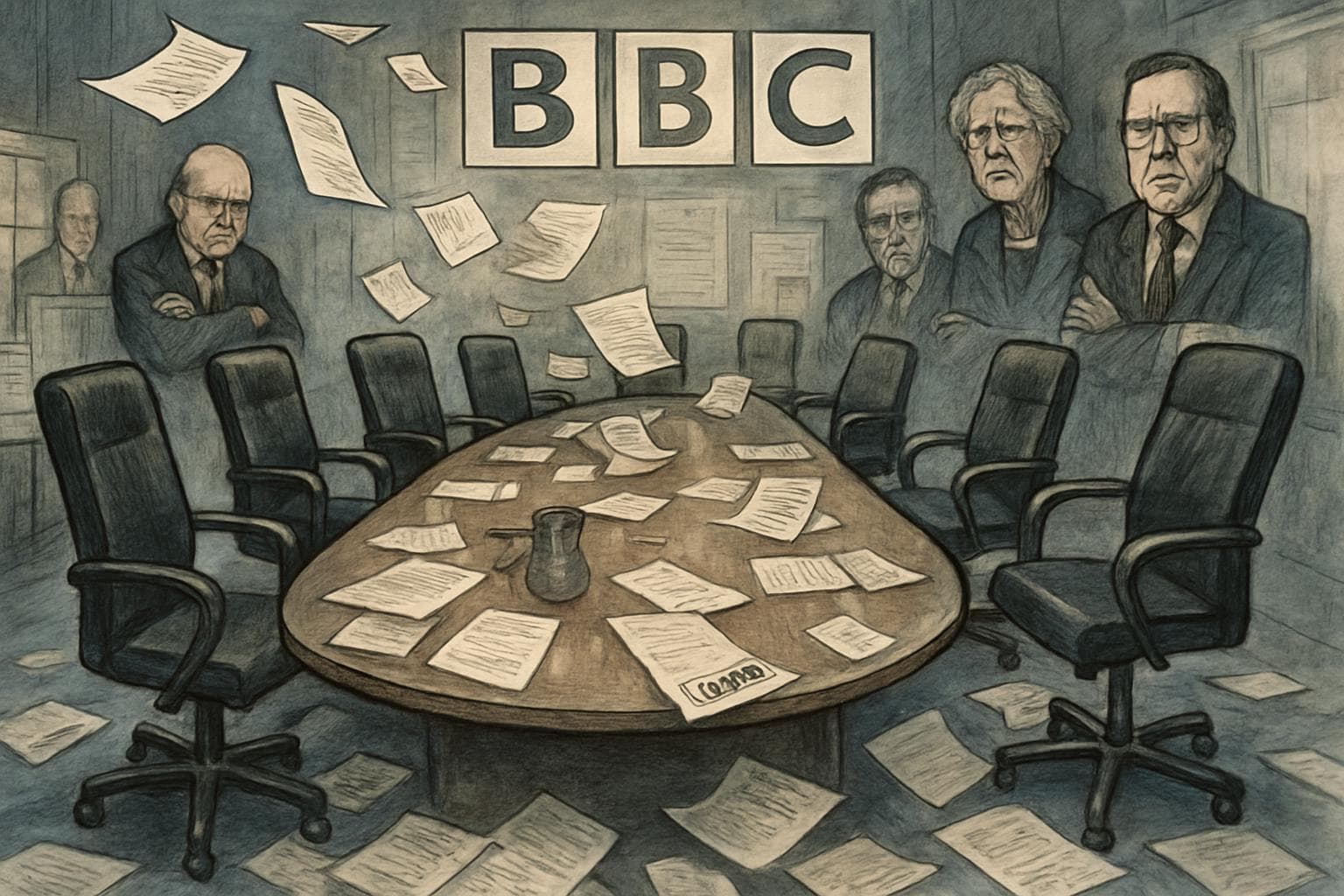
The BBC is embroiled in a governance crisis following the resignation of board member Shumeet Banerji, who has criticized the corporation's leadership for its handling of recent high-profile departures. Banerji, who stepped down last Friday, has shared his resignation letter, highlighting what he describes as significant governance issues and a lack of consultation on critical decisions.
Resignation Sparks Controversy
Banerji's resignation comes in the wake of the sudden exits of Director General Tim Davie and CEO of News Deborah Turness. In his letter, Banerji expressed dismay over not being involved in discussions that led to these departures, stating, "I will not be seen as a participant in a board decision on which I was not consulted." He further criticized the board's response to a leaked memo by former adviser Michael Prescott, which accused the BBC of bias in its coverage of topics like Donald Trump and trans rights.
Disputed Consultations
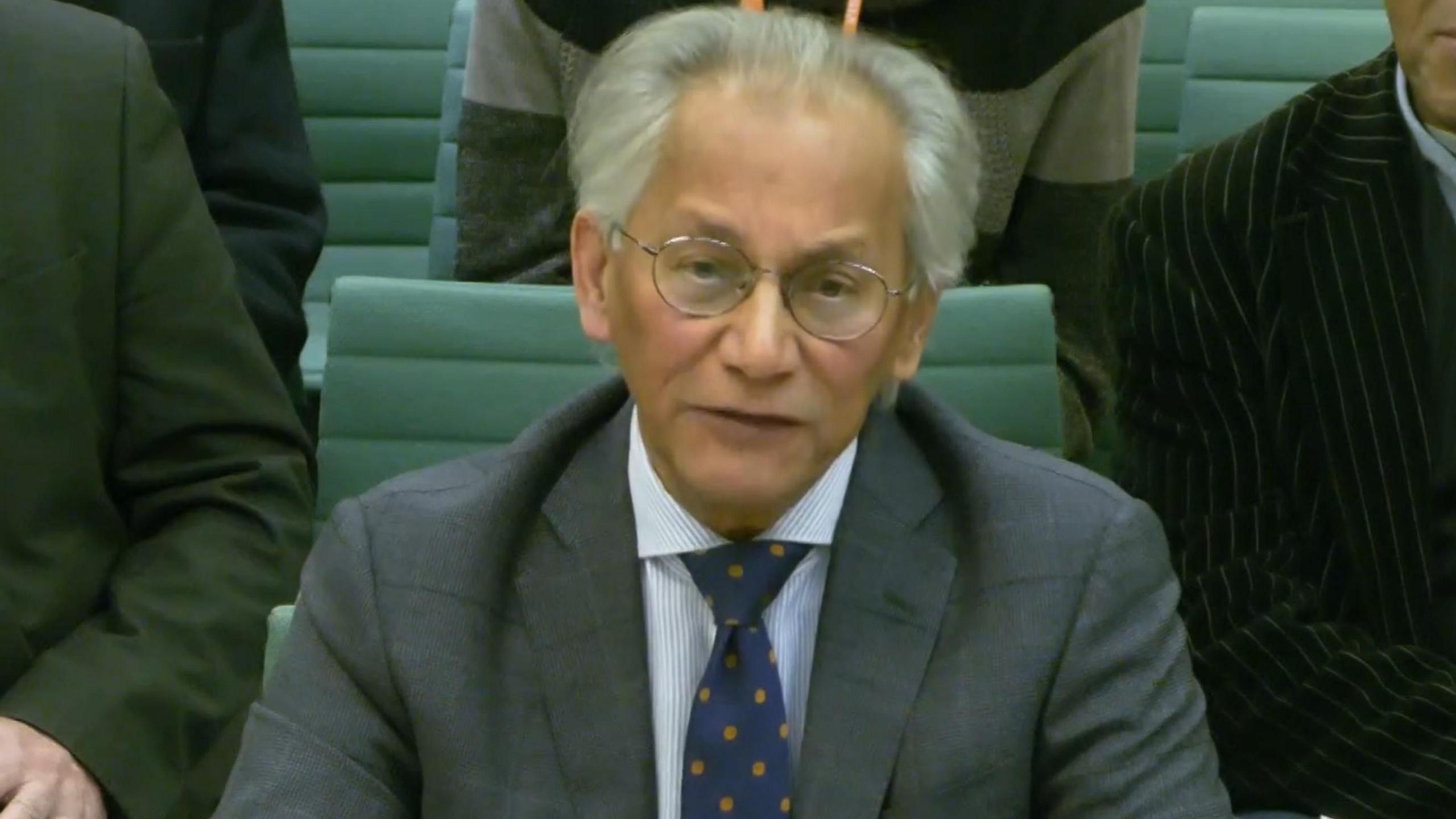
BBC Chair Samir Shah, appearing before a parliamentary committee, insisted that he had consulted Banerji, citing a 26-minute phone call. However, Banerji refutes this claim, asserting that he was not invited to any meetings where such significant matters were discussed. He released his resignation letter to clarify misconceptions and challenge Shah's narrative.
Board Under Scrutiny
The leaked Prescott memo has intensified scrutiny on the BBC's governance, with Banerji warning that the board's reaction has emboldened the corporation's detractors. He described the situation as a "leak and launch" tactic that destabilizes the BBC. Despite Shah's efforts to project unity and control, MPs remain skeptical about the board's ability to manage the crisis effectively. Dame Caroline Dinenage, chair of the committee, expressed doubts about the board being in "safe hands."
WHAT THIS MIGHT MEAN
The ongoing crisis at the BBC raises questions about the board's governance and its ability to navigate through turbulent times. If the board fails to address these issues, it could lead to further resignations and a loss of public trust. The situation also highlights the potential for external pressures to influence internal decisions, which could have long-term implications for the BBC's independence and credibility. As the search for a new director general begins, the board must demonstrate transparency and accountability to restore confidence among stakeholders and the public.
Images from the Web
Related Articles

UK Faces Dilemmas Amid Iran Conflict and China Spying Allegations

UK-Iran Tensions: Starmer Defends Cautious Approach Amid Trump Criticism

Diplomatic Tensions Rise as Trump Criticizes Starmer's Iran Policy

Tech Giants Pledge to Cover AI Data Center Energy Costs Amid Rising Electricity Concerns
Congress Subpoenas Attorney General Bondi in Epstein Investigation

Cuba Faces Widespread Blackout Amid Deepening Fuel Crisis
BBC Board Faces Governance Crisis Amid Resignations and Allegations
In This Article
 Ethan Brooks| Published
 HIGHLIGHTS
- Shumeet Banerji resigned from the BBC board, citing governance issues and a lack of consultation on key decisions.
- Banerji's resignation letter criticizes the board's handling of the departures of Tim Davie and Deborah Turness.
- BBC Chair Samir Shah claims he consulted Banerji, but Banerji disputes this, stating he was excluded from crucial discussions.
- The crisis was triggered by a leaked memo from Michael Prescott, alleging bias in BBC's coverage of sensitive topics.
- Despite Shah's attempts to demonstrate control, MPs remain unconvinced about the board's stability and governance.
The BBC is embroiled in a governance crisis following the resignation of board member Shumeet Banerji, who has criticized the corporation's leadership for its handling of recent high-profile departures. Banerji, who stepped down last Friday, has shared his resignation letter, highlighting what he describes as significant governance issues and a lack of consultation on critical decisions.
Resignation Sparks Controversy
Banerji's resignation comes in the wake of the sudden exits of Director General Tim Davie and CEO of News Deborah Turness. In his letter, Banerji expressed dismay over not being involved in discussions that led to these departures, stating, "I will not be seen as a participant in a board decision on which I was not consulted." He further criticized the board's response to a leaked memo by former adviser Michael Prescott, which accused the BBC of bias in its coverage of topics like Donald Trump and trans rights.
Disputed Consultations
BBC Chair Samir Shah, appearing before a parliamentary committee, insisted that he had consulted Banerji, citing a 26-minute phone call. However, Banerji refutes this claim, asserting that he was not invited to any meetings where such significant matters were discussed. He released his resignation letter to clarify misconceptions and challenge Shah's narrative.
Board Under Scrutiny
The leaked Prescott memo has intensified scrutiny on the BBC's governance, with Banerji warning that the board's reaction has emboldened the corporation's detractors. He described the situation as a "leak and launch" tactic that destabilizes the BBC. Despite Shah's efforts to project unity and control, MPs remain skeptical about the board's ability to manage the crisis effectively. Dame Caroline Dinenage, chair of the committee, expressed doubts about the board being in "safe hands."
WHAT THIS MIGHT MEAN
The ongoing crisis at the BBC raises questions about the board's governance and its ability to navigate through turbulent times. If the board fails to address these issues, it could lead to further resignations and a loss of public trust. The situation also highlights the potential for external pressures to influence internal decisions, which could have long-term implications for the BBC's independence and credibility. As the search for a new director general begins, the board must demonstrate transparency and accountability to restore confidence among stakeholders and the public.
Images from the Web
Related Articles
UK Faces Dilemmas Amid Iran Conflict and China Spying Allegations
UK-Iran Tensions: Starmer Defends Cautious Approach Amid Trump Criticism
Diplomatic Tensions Rise as Trump Criticizes Starmer's Iran Policy
Tech Giants Pledge to Cover AI Data Center Energy Costs Amid Rising Electricity Concerns
Congress Subpoenas Attorney General Bondi in Epstein Investigation
Cuba Faces Widespread Blackout Amid Deepening Fuel Crisis