
BBC Takes Legal Stand Against AI Firm Over Content Use
In This Article
HIGHLIGHTS
- The BBC is pursuing legal action against Perplexity AI for allegedly using its content without permission, marking the first such action by the broadcaster against an AI firm.
- The BBC demands Perplexity cease using its content, delete existing copies, and propose financial compensation.
- Perplexity AI has dismissed the BBC's claims as "manipulative and opportunistic," arguing a misunderstanding of technology and intellectual property law.
- The case highlights broader concerns in the media industry about AI companies scraping content, threatening the UK's £4.4 billion publishing sector.
- The BBC's move follows similar actions by other media giants, emphasizing the need for stronger intellectual property protections.
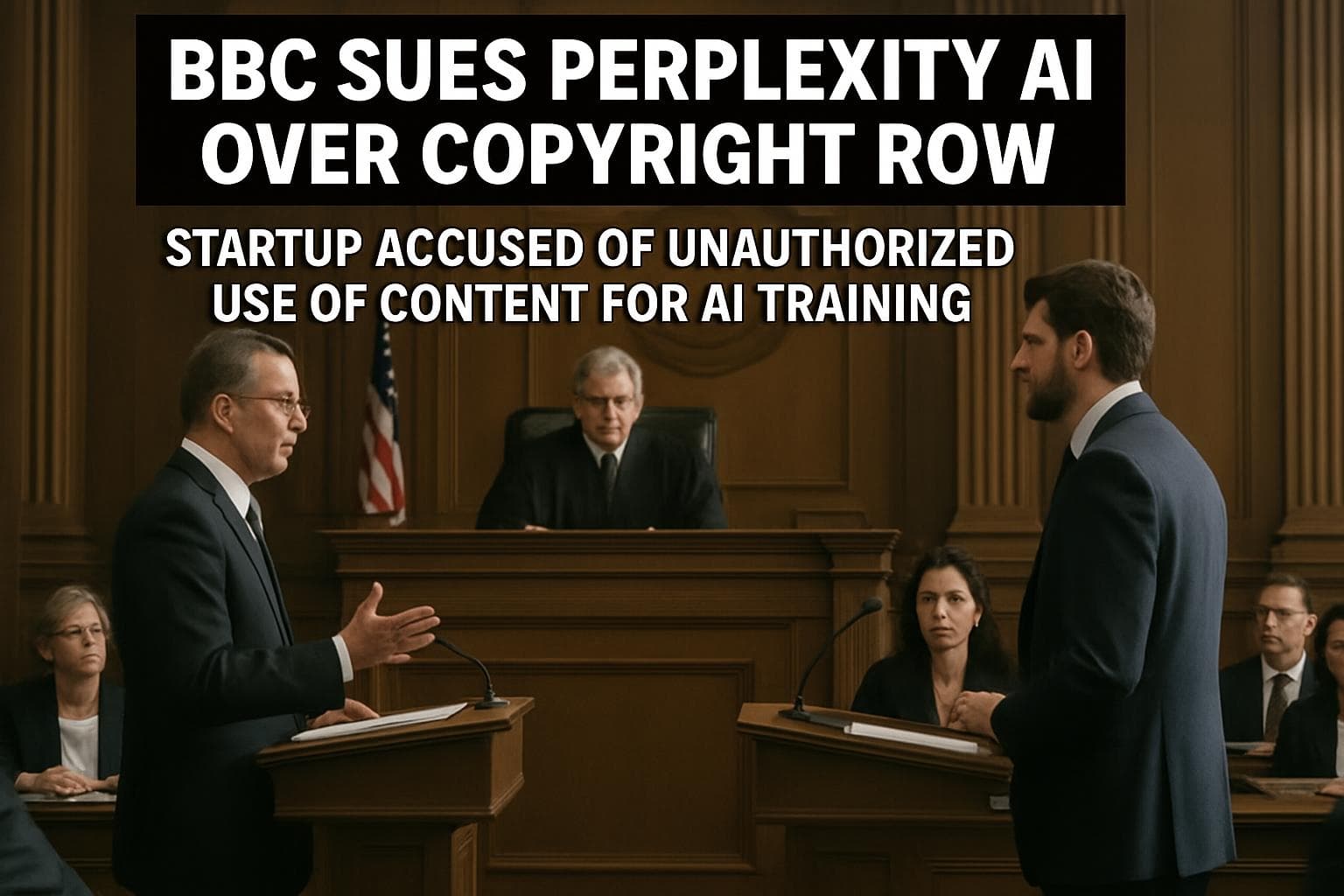
The BBC has initiated legal proceedings against Perplexity AI, a San Francisco-based startup, accusing it of unauthorized use of its content to train artificial intelligence models. This marks the first instance of the BBC, a leading global news organization, taking such action against an AI company.
Legal Demands and Industry Concerns
In a formal letter addressed to Perplexity's CEO, Aravind Srinivas, the BBC demanded the immediate cessation of content use, deletion of existing materials, and a proposal for financial compensation. The broadcaster claims that Perplexity's actions constitute copyright infringement under UK law and breach the BBC's terms of use. The BBC's concerns are echoed by the Professional Publishers Association, which represents over 300 media brands, warning that AI platforms are failing to uphold UK copyright law, thus threatening the £4.4 billion publishing industry.
Perplexity AI's Response
Perplexity AI has refuted the BBC's allegations, labeling them as "manipulative and opportunistic." The company argues that the BBC misunderstands the technology and intellectual property law, asserting that it does not build or train foundational models but rather provides an interface for users to select among existing models. Despite these claims, the BBC insists that Perplexity's tool competes directly with its services, bypassing the need for users to access BBC platforms.
Broader Implications for AI and Media
The BBC's legal action comes amid growing scrutiny of AI technologies and their use of copyrighted content. The rise of AI chatbots and content generators has sparked debates over intellectual property rights, with media companies advocating for an opt-in regime that requires AI firms to seek permission before using copyrighted materials. This case follows similar legal actions by other media giants, including Rupert Murdoch's Dow Jones, which recently sued Perplexity for alleged illegal copying.
WHAT THIS MIGHT MEAN
The outcome of the BBC's legal action against Perplexity AI could set a precedent for how media companies protect their content in the digital age. If successful, it may encourage other organizations to pursue similar actions, potentially leading to stricter regulations on AI content scraping. Conversely, a ruling in favor of Perplexity could embolden AI firms to continue using existing content without explicit permission, further complicating the landscape of intellectual property rights. As the debate continues, the media industry is likely to push for clearer legal frameworks to safeguard their intellectual property against unauthorized use by AI technologies.
Related Articles
UK Government to Reform Asylum Seeker Support and Employment Policies

UK Faces Dilemmas Amid Iran Conflict and China Spying Allegations

UK Reinforces Military Presence in Cyprus Amid Middle East Tensions

UK-Iran Tensions: Starmer Defends Cautious Approach Amid Trump Criticism

Persistent Safety Concerns in Nottingham Maternity Services Amidst Calls for Systemic Reform

Diplomatic Tensions Rise as Trump Criticizes Starmer's Iran Policy
BBC Takes Legal Stand Against AI Firm Over Content Use
In This Article
 Ethan Brooks| Published
 HIGHLIGHTS
- The BBC is pursuing legal action against Perplexity AI for allegedly using its content without permission, marking the first such action by the broadcaster against an AI firm.
- The BBC demands Perplexity cease using its content, delete existing copies, and propose financial compensation.
- Perplexity AI has dismissed the BBC's claims as "manipulative and opportunistic," arguing a misunderstanding of technology and intellectual property law.
- The case highlights broader concerns in the media industry about AI companies scraping content, threatening the UK's £4.4 billion publishing sector.
- The BBC's move follows similar actions by other media giants, emphasizing the need for stronger intellectual property protections.
The BBC has initiated legal proceedings against Perplexity AI, a San Francisco-based startup, accusing it of unauthorized use of its content to train artificial intelligence models. This marks the first instance of the BBC, a leading global news organization, taking such action against an AI company.
Legal Demands and Industry Concerns
In a formal letter addressed to Perplexity's CEO, Aravind Srinivas, the BBC demanded the immediate cessation of content use, deletion of existing materials, and a proposal for financial compensation. The broadcaster claims that Perplexity's actions constitute copyright infringement under UK law and breach the BBC's terms of use. The BBC's concerns are echoed by the Professional Publishers Association, which represents over 300 media brands, warning that AI platforms are failing to uphold UK copyright law, thus threatening the £4.4 billion publishing industry.
Perplexity AI's Response
Perplexity AI has refuted the BBC's allegations, labeling them as "manipulative and opportunistic." The company argues that the BBC misunderstands the technology and intellectual property law, asserting that it does not build or train foundational models but rather provides an interface for users to select among existing models. Despite these claims, the BBC insists that Perplexity's tool competes directly with its services, bypassing the need for users to access BBC platforms.
Broader Implications for AI and Media
The BBC's legal action comes amid growing scrutiny of AI technologies and their use of copyrighted content. The rise of AI chatbots and content generators has sparked debates over intellectual property rights, with media companies advocating for an opt-in regime that requires AI firms to seek permission before using copyrighted materials. This case follows similar legal actions by other media giants, including Rupert Murdoch's Dow Jones, which recently sued Perplexity for alleged illegal copying.
WHAT THIS MIGHT MEAN
The outcome of the BBC's legal action against Perplexity AI could set a precedent for how media companies protect their content in the digital age. If successful, it may encourage other organizations to pursue similar actions, potentially leading to stricter regulations on AI content scraping. Conversely, a ruling in favor of Perplexity could embolden AI firms to continue using existing content without explicit permission, further complicating the landscape of intellectual property rights. As the debate continues, the media industry is likely to push for clearer legal frameworks to safeguard their intellectual property against unauthorized use by AI technologies.
Related Articles
UK Government to Reform Asylum Seeker Support and Employment Policies
UK Faces Dilemmas Amid Iran Conflict and China Spying Allegations
UK Reinforces Military Presence in Cyprus Amid Middle East Tensions
UK-Iran Tensions: Starmer Defends Cautious Approach Amid Trump Criticism
Persistent Safety Concerns in Nottingham Maternity Services Amidst Calls for Systemic Reform
Diplomatic Tensions Rise as Trump Criticizes Starmer's Iran Policy