
Big Butterfly Count 2025: Public Participation Key to Tracking Butterfly and Moth Populations

In This Article
HIGHLIGHTS
- The Big Butterfly Count 2025 runs from July 18 to August 10, encouraging public participation to assess butterfly and moth populations.
- Last year's count revealed a "butterfly emergency" with historically low numbers, prompting conservationists to urge action.
- This summer's favorable weather has led to an "outstanding" butterfly season, with increased sightings and early emergences.
- Experts warn that despite current improvements, long-term declines in butterfly populations remain a concern.
- The survey aims to track biodiversity and the effects of climate change on insect populations across the UK.
As the Big Butterfly Count 2025 kicks off, conservationists are calling on the public to help assess the state of butterfly and moth populations across the UK. Running from July 18 to August 10, this annual event invites volunteers to spend 15 minutes in a local green space, counting the butterflies and day-flying moths they observe. Participants can log their findings on the Butterfly Conservation charity’s website or through its app.
The initiative comes in response to last year's alarming results, which saw the lowest butterfly numbers recorded, prompting the declaration of a "butterfly emergency." Simon Saville from Butterfly Conservation emphasized the importance of butterflies as indicators of broader ecological health, stating, "If you don't see butterflies, then you should be worried."
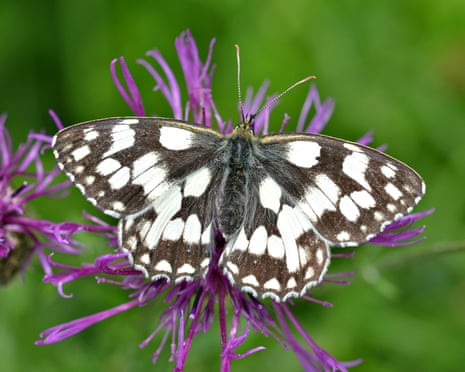
This year, however, offers a glimmer of hope. Favorable weather conditions have led to an "outstanding" season for butterflies, with early emergences and increased sightings reported. Notably, species such as peacocks, gatekeepers, and marbled whites have thrived, and butterflies have been spotted farther north than ever before due to global heating.
Despite these positive signs, experts caution against complacency. Dr. Richard Fox of Butterfly Conservation warns of "shifting baseline syndrome," where people may perceive a moderately good summer as abundant due to long-term declines. "A better summer for butterflies does not redress the 50 years of decline," he noted, highlighting the ongoing challenges posed by climate change and habitat loss.
The Big Butterfly Count serves as a crucial tool for tracking biodiversity and understanding the impacts of climate change on insect populations. With over 2,500 species of moths also playing vital roles in pollination and food chains, the survey underscores the interconnectedness of ecosystems and the need for continued conservation efforts.
WHAT THIS MIGHT MEAN
Looking ahead, the results of the Big Butterfly Count 2025 will provide valuable data on the current state of butterfly and moth populations, informing conservation strategies. Should the positive trends observed this summer continue, it could signal a partial recovery for these vital pollinators. However, experts stress that long-term solutions are needed to address the root causes of population declines, such as habitat destruction and climate change.
Policymakers may need to consider enhanced conservation measures and habitat restoration projects to support these species. Additionally, public awareness and engagement remain crucial in fostering a collective effort to protect biodiversity. As the climate continues to change, ongoing monitoring and adaptive management will be essential to ensure the resilience of butterfly and moth populations in the UK.
Images from the Web
Related Articles

UK Government Eases Deer Culling to Protect Woodlands and Farmland

Canada and Australia Forge Strategic Partnership Amid Global Uncertainty

UK Government to Reform Asylum Seeker Support and Employment Policies

Middle East Conflict Drives UK Energy Prices to New Highs

UK Faces Dilemmas Amid Iran Conflict and China Spying Allegations

UK Reinforces Military Presence in Cyprus Amid Middle East Tensions
Big Butterfly Count 2025: Public Participation Key to Tracking Butterfly and Moth Populations
In This Article
 Leila Hassan| Published
 HIGHLIGHTS
- The Big Butterfly Count 2025 runs from July 18 to August 10, encouraging public participation to assess butterfly and moth populations.
- Last year's count revealed a "butterfly emergency" with historically low numbers, prompting conservationists to urge action.
- This summer's favorable weather has led to an "outstanding" butterfly season, with increased sightings and early emergences.
- Experts warn that despite current improvements, long-term declines in butterfly populations remain a concern.
- The survey aims to track biodiversity and the effects of climate change on insect populations across the UK.
As the Big Butterfly Count 2025 kicks off, conservationists are calling on the public to help assess the state of butterfly and moth populations across the UK. Running from July 18 to August 10, this annual event invites volunteers to spend 15 minutes in a local green space, counting the butterflies and day-flying moths they observe. Participants can log their findings on the Butterfly Conservation charity’s website or through its app.
The initiative comes in response to last year's alarming results, which saw the lowest butterfly numbers recorded, prompting the declaration of a "butterfly emergency." Simon Saville from Butterfly Conservation emphasized the importance of butterflies as indicators of broader ecological health, stating, "If you don't see butterflies, then you should be worried."
This year, however, offers a glimmer of hope. Favorable weather conditions have led to an "outstanding" season for butterflies, with early emergences and increased sightings reported. Notably, species such as peacocks, gatekeepers, and marbled whites have thrived, and butterflies have been spotted farther north than ever before due to global heating.
Despite these positive signs, experts caution against complacency. Dr. Richard Fox of Butterfly Conservation warns of "shifting baseline syndrome," where people may perceive a moderately good summer as abundant due to long-term declines. "A better summer for butterflies does not redress the 50 years of decline," he noted, highlighting the ongoing challenges posed by climate change and habitat loss.
The Big Butterfly Count serves as a crucial tool for tracking biodiversity and understanding the impacts of climate change on insect populations. With over 2,500 species of moths also playing vital roles in pollination and food chains, the survey underscores the interconnectedness of ecosystems and the need for continued conservation efforts.
WHAT THIS MIGHT MEAN
Looking ahead, the results of the Big Butterfly Count 2025 will provide valuable data on the current state of butterfly and moth populations, informing conservation strategies. Should the positive trends observed this summer continue, it could signal a partial recovery for these vital pollinators. However, experts stress that long-term solutions are needed to address the root causes of population declines, such as habitat destruction and climate change.
Policymakers may need to consider enhanced conservation measures and habitat restoration projects to support these species. Additionally, public awareness and engagement remain crucial in fostering a collective effort to protect biodiversity. As the climate continues to change, ongoing monitoring and adaptive management will be essential to ensure the resilience of butterfly and moth populations in the UK.
Images from the Web
Related Articles
UK Government Eases Deer Culling to Protect Woodlands and Farmland
Canada and Australia Forge Strategic Partnership Amid Global Uncertainty
UK Government to Reform Asylum Seeker Support and Employment Policies
Middle East Conflict Drives UK Energy Prices to New Highs
UK Faces Dilemmas Amid Iran Conflict and China Spying Allegations
UK Reinforces Military Presence in Cyprus Amid Middle East Tensions