
Bondi Beach Terror Attack Sparks National Mourning and Calls for Stricter Gun Laws

In This Article
HIGHLIGHTS
- A father and son, Sajid and Naveed Akram, allegedly carried out a terror attack at Bondi Beach, killing 15 and injuring 27, targeting a Hanukkah event.
- The attack is being treated as a terrorist incident, with the gunmen reportedly pledging allegiance to the Islamic State.
- Naveed Akram was previously investigated by Australian intelligence in 2019 but was not deemed a threat at the time.
- The incident has sparked discussions on tightening gun laws in Australia, with Prime Minister Anthony Albanese promising stricter regulations.
- Ahmed al-Ahmed, hailed as a hero, disarmed one of the attackers, and his actions have been widely praised by Australian leaders.
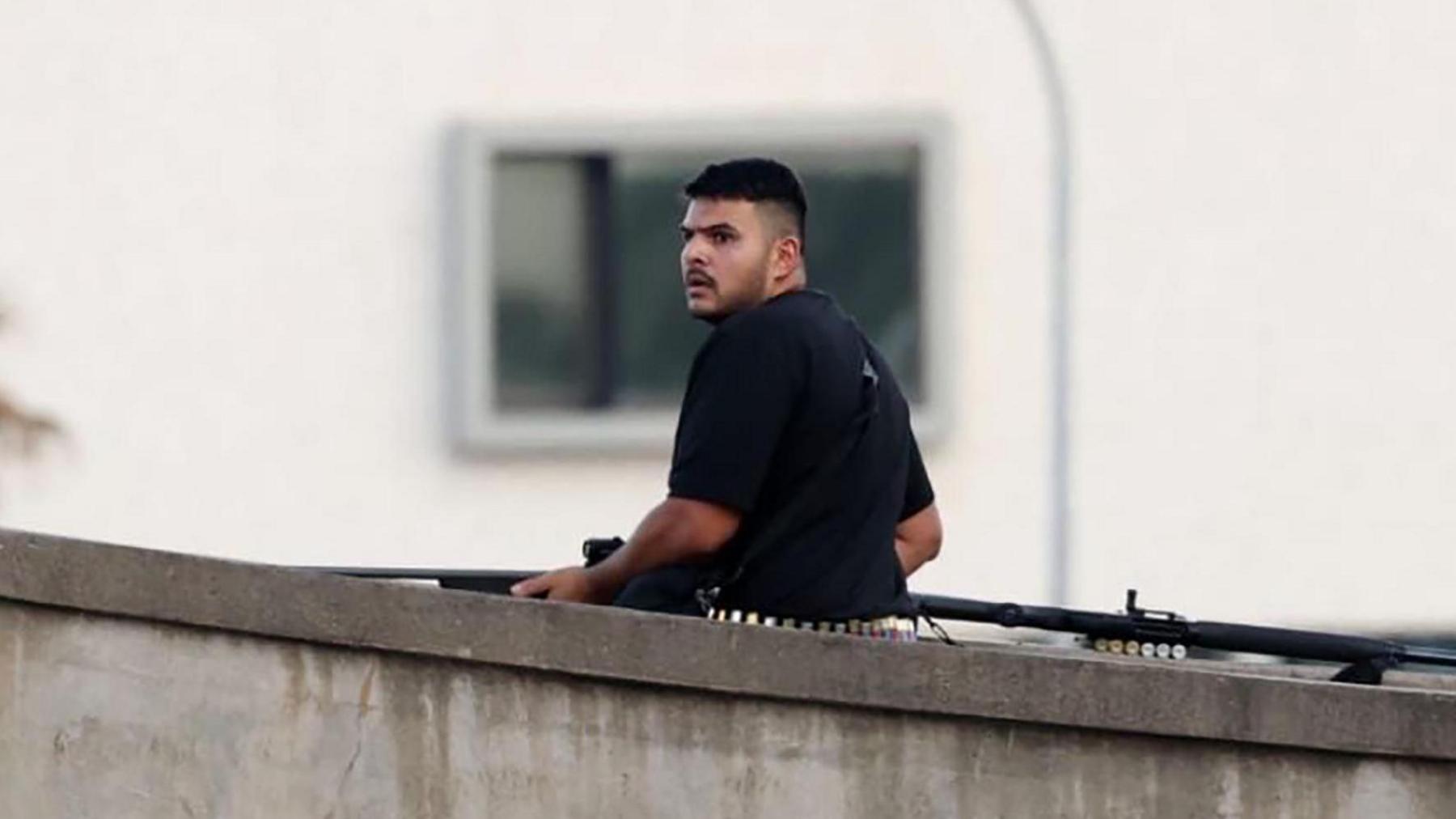
In a devastating attack at Sydney's Bondi Beach, a father and son duo, Sajid and Naveed Akram, opened fire on a Hanukkah celebration, killing 15 people and injuring 27 others. The attack, which took place on Sunday, is being treated as a terrorist incident, with authorities confirming the gunmen's allegiance to the Islamic State. Among the victims were a 10-year-old girl, a Holocaust survivor, and two rabbis, marking the deadliest mass shooting in Australia since the Port Arthur massacre in 1996.
Background and Investigation
Naveed Akram, 24, who is currently in hospital under police guard, was previously investigated by the Australian Security Intelligence Organisation (ASIO) in 2019 for potential extremist links. However, he was not considered a threat at the time. His father, Sajid Akram, 50, was killed in a shootout with police at the scene. The pair reportedly used legally obtained firearms, and improvised explosive devices were found in their vehicle.
National Response and Gun Law Reforms
The attack has prompted a national outcry, with Prime Minister Anthony Albanese convening an urgent meeting to discuss tightening gun laws. The proposed reforms include limiting the number of firearms an individual can own and restricting gun licenses to Australian citizens. Albanese emphasized the need to eradicate antisemitism and extremist ideologies, which he described as a "perversion of Islam."
Heroic Acts Amidst Tragedy
Amidst the chaos, Ahmed al-Ahmed emerged as a national hero. The 44-year-old Syrian-born shopkeeper risked his life to disarm one of the attackers, saving countless lives. Prime Minister Albanese and other leaders have praised his bravery, with Albanese calling him "the best of our country." Al-Ahmed, who is recovering from gunshot wounds, expressed gratitude for the support he has received.
International and Community Reactions
The attack has also sparked international reactions, with Israeli Prime Minister Benjamin Netanyahu criticizing Australia's stance on recognizing a Palestinian state, suggesting it could fuel antisemitism. Meanwhile, Jewish communities in Australia and abroad are grappling with heightened fears and security concerns.
WHAT THIS MIGHT MEAN
The Bondi Beach attack is likely to have significant implications for Australia's national security policies. The investigation into the attackers' motivations and connections could lead to a reassessment of intelligence protocols, particularly concerning individuals with potential extremist ties. The proposed gun law reforms, if implemented, could set a precedent for other nations grappling with similar issues of gun violence and terrorism.
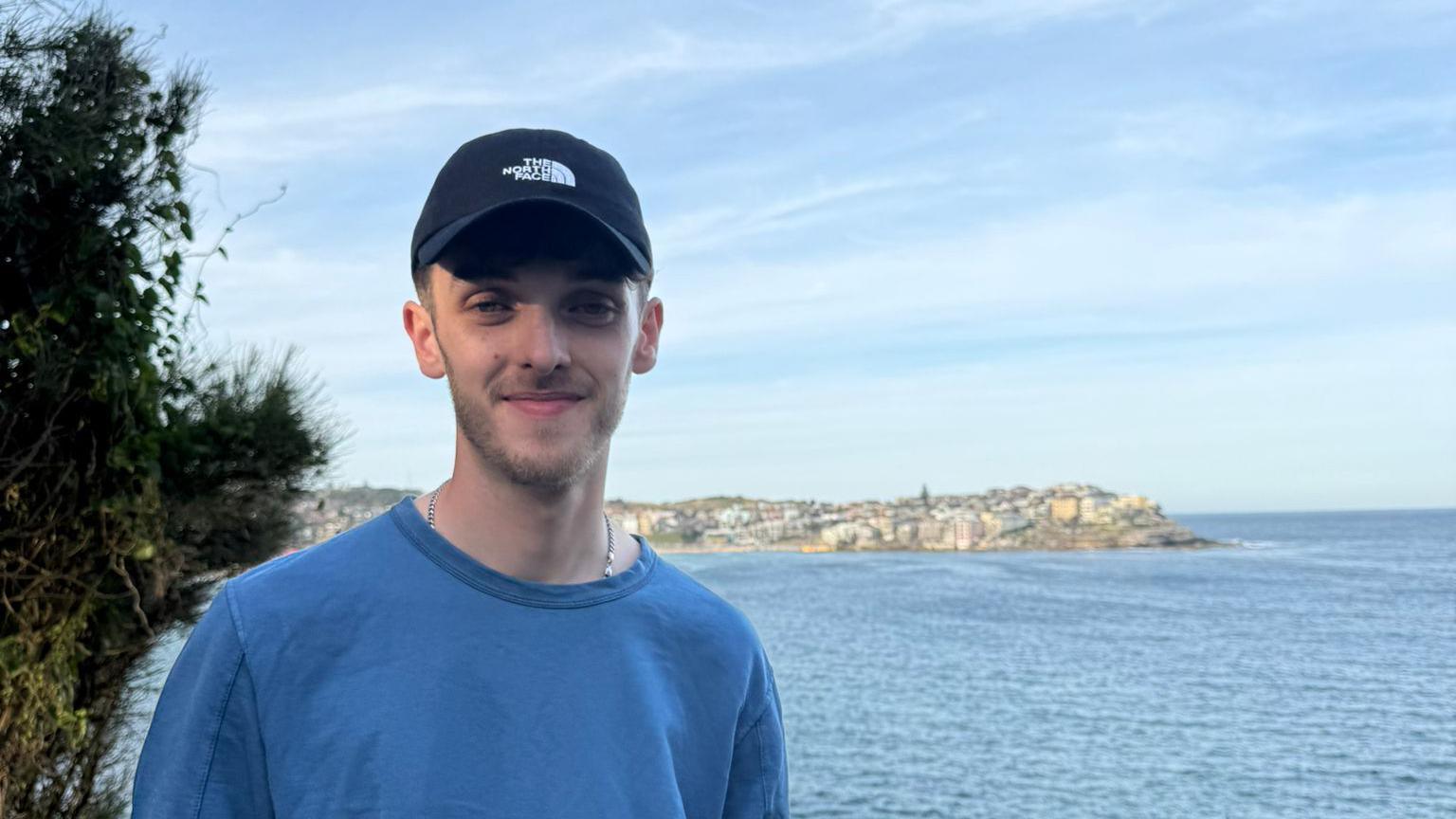
Politically, the incident may influence Australia's foreign policy, especially regarding its stance on Middle Eastern conflicts and relations with Israel. Domestically, it could lead to increased scrutiny of social media platforms and their role in spreading misinformation, as seen in the case of the wrongly identified Naveed Akram.
As the nation mourns, the focus will remain on healing and preventing future tragedies, with community leaders and policymakers working together to address the root causes of extremism and ensure the safety of all Australians.
Images from the Web

Related Articles
Canada Calls for De-escalation Amid US-Israel Strikes on Iran
Prince Andrew's Arrest Raises Questions About Royal Succession and Monarchy's Future
Canada and Australia Forge Strategic Partnership Amid Global Uncertainty

Middle East Conflict Drives UK Energy Prices to New Highs

UK Faces Dilemmas Amid Iran Conflict and China Spying Allegations

US and Israel Intensify Military Campaign as Iran's Capabilities Dwindle
Bondi Beach Terror Attack Sparks National Mourning and Calls for Stricter Gun Laws
In This Article
 Sofia Romano| Published
 HIGHLIGHTS
- A father and son, Sajid and Naveed Akram, allegedly carried out a terror attack at Bondi Beach, killing 15 and injuring 27, targeting a Hanukkah event.
- The attack is being treated as a terrorist incident, with the gunmen reportedly pledging allegiance to the Islamic State.
- Naveed Akram was previously investigated by Australian intelligence in 2019 but was not deemed a threat at the time.
- The incident has sparked discussions on tightening gun laws in Australia, with Prime Minister Anthony Albanese promising stricter regulations.
- Ahmed al-Ahmed, hailed as a hero, disarmed one of the attackers, and his actions have been widely praised by Australian leaders.
In a devastating attack at Sydney's Bondi Beach, a father and son duo, Sajid and Naveed Akram, opened fire on a Hanukkah celebration, killing 15 people and injuring 27 others. The attack, which took place on Sunday, is being treated as a terrorist incident, with authorities confirming the gunmen's allegiance to the Islamic State. Among the victims were a 10-year-old girl, a Holocaust survivor, and two rabbis, marking the deadliest mass shooting in Australia since the Port Arthur massacre in 1996.
Background and Investigation
Naveed Akram, 24, who is currently in hospital under police guard, was previously investigated by the Australian Security Intelligence Organisation (ASIO) in 2019 for potential extremist links. However, he was not considered a threat at the time. His father, Sajid Akram, 50, was killed in a shootout with police at the scene. The pair reportedly used legally obtained firearms, and improvised explosive devices were found in their vehicle.
National Response and Gun Law Reforms
The attack has prompted a national outcry, with Prime Minister Anthony Albanese convening an urgent meeting to discuss tightening gun laws. The proposed reforms include limiting the number of firearms an individual can own and restricting gun licenses to Australian citizens. Albanese emphasized the need to eradicate antisemitism and extremist ideologies, which he described as a "perversion of Islam."
Heroic Acts Amidst Tragedy
Amidst the chaos, Ahmed al-Ahmed emerged as a national hero. The 44-year-old Syrian-born shopkeeper risked his life to disarm one of the attackers, saving countless lives. Prime Minister Albanese and other leaders have praised his bravery, with Albanese calling him "the best of our country." Al-Ahmed, who is recovering from gunshot wounds, expressed gratitude for the support he has received.
International and Community Reactions
The attack has also sparked international reactions, with Israeli Prime Minister Benjamin Netanyahu criticizing Australia's stance on recognizing a Palestinian state, suggesting it could fuel antisemitism. Meanwhile, Jewish communities in Australia and abroad are grappling with heightened fears and security concerns.
WHAT THIS MIGHT MEAN
The Bondi Beach attack is likely to have significant implications for Australia's national security policies. The investigation into the attackers' motivations and connections could lead to a reassessment of intelligence protocols, particularly concerning individuals with potential extremist ties. The proposed gun law reforms, if implemented, could set a precedent for other nations grappling with similar issues of gun violence and terrorism.
Politically, the incident may influence Australia's foreign policy, especially regarding its stance on Middle Eastern conflicts and relations with Israel. Domestically, it could lead to increased scrutiny of social media platforms and their role in spreading misinformation, as seen in the case of the wrongly identified Naveed Akram.
As the nation mourns, the focus will remain on healing and preventing future tragedies, with community leaders and policymakers working together to address the root causes of extremism and ensure the safety of all Australians.
Images from the Web
Related Articles
Canada Calls for De-escalation Amid US-Israel Strikes on Iran
Prince Andrew's Arrest Raises Questions About Royal Succession and Monarchy's Future
Canada and Australia Forge Strategic Partnership Amid Global Uncertainty
Middle East Conflict Drives UK Energy Prices to New Highs
UK Faces Dilemmas Amid Iran Conflict and China Spying Allegations
US and Israel Intensify Military Campaign as Iran's Capabilities Dwindle