
BP Appoints Meg O'Neill as CEO Amid Strategic Shift to Fossil Fuels
In This Article
HIGHLIGHTS
- BP has appointed Meg O'Neill as its new CEO, marking the first time a woman will lead a major global oil firm.
- O'Neill's appointment follows the unexpected departure of Murray Auchincloss, who served less than two years as CEO.
- BP's strategic shift focuses on increasing oil and gas production, reducing its renewable energy investments.
- O'Neill previously led Woodside Energy, where she oversaw significant mergers and criticized young climate activists.
- BP's leadership change occurs amid pressure from investors to improve financial performance and shareholder value.
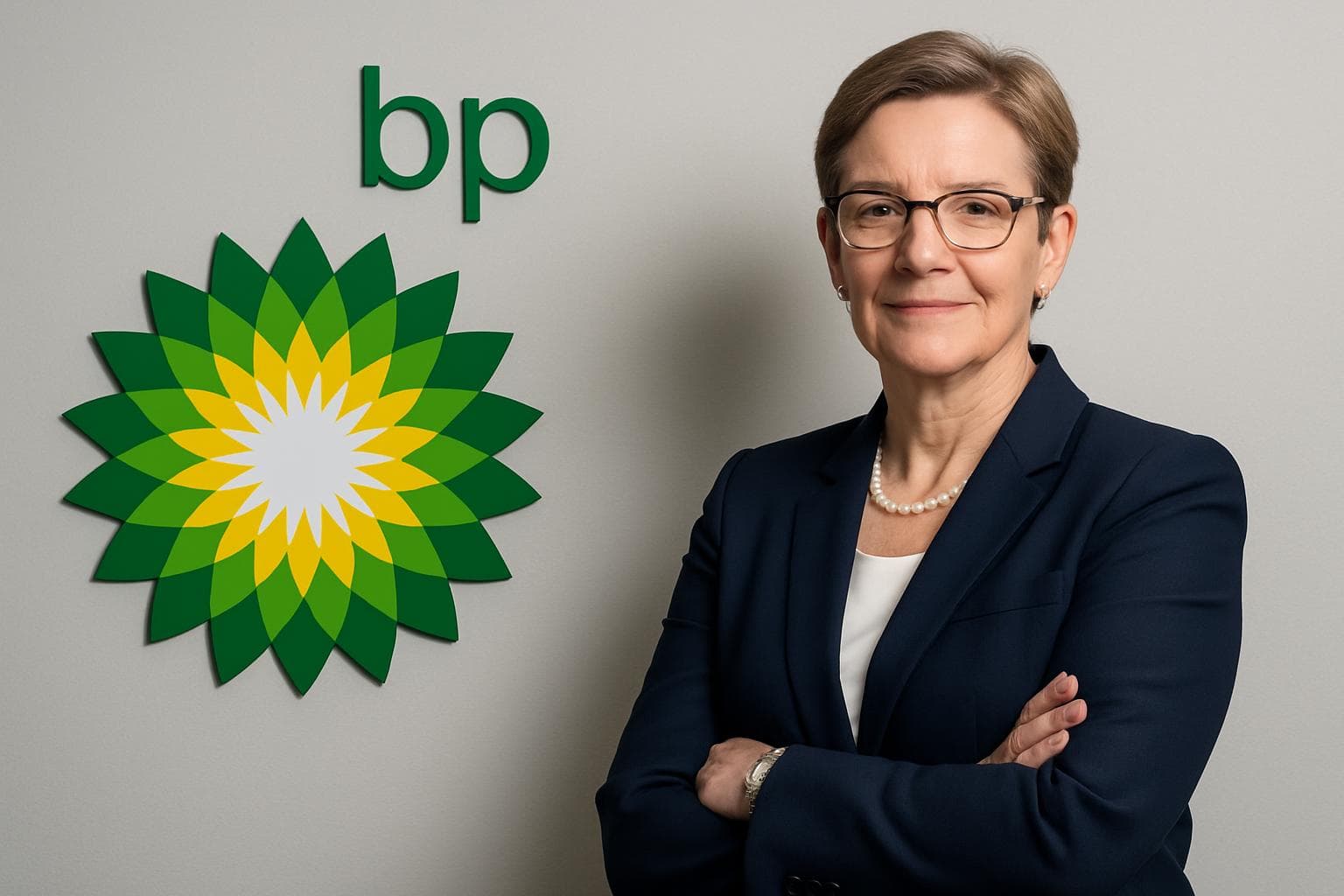
In a significant leadership transition, BP has named Meg O'Neill as its new chief executive officer, making her the first woman to lead a major global oil company. O'Neill, who previously headed Australia's Woodside Energy, will assume her new role on April 1, 2025. This appointment comes as BP pivots its strategy to focus more on oil and gas production, scaling back its renewable energy investments.
Leadership Transition at BP
The announcement follows the sudden departure of Murray Auchincloss, who steps down less than two years after taking over from Bernard Looney. Auchincloss will remain in an advisory role until December 2026. His exit comes shortly after Albert Manifold was appointed as the new chair of BP's board, signaling a strategic refocus on the company's core oil and gas businesses.
O'Neill's Vision for BP
O'Neill brings a wealth of experience from her tenure at Woodside Energy, where she led the company through a merger with BHP Petroleum, creating a top 10 global independent oil and gas producer. Her leadership style has been marked by a pragmatic approach to energy production, often criticizing what she perceives as the ideological stance of young climate activists against fossil fuels.
Strategic Shift in Energy Focus
BP's decision to appoint O'Neill aligns with its recent strategic shift. The company announced earlier this year that it would reduce its renewable energy investments, a move influenced by investor pressure to enhance profitability and share performance. This shift mirrors similar strategies by industry rivals like Shell and Equinor, who have also scaled back green energy plans.
Investor and Market Reactions
The leadership change and strategic pivot have been met with approval from key investors, including Elliott Investment Management, which has been vocal about the need for BP to improve its financial performance. The company's shares and earnings have lagged behind competitors, prompting this renewed focus on traditional energy sources.
WHAT THIS MIGHT MEAN
The appointment of Meg O'Neill as BP's CEO could herald a new era for the company, with potential implications for its market position and environmental strategy. As BP doubles down on fossil fuels, it may face increased scrutiny from environmental groups and climate activists. However, the strategic shift could also lead to improved financial outcomes, satisfying investor demands for higher returns. The energy industry's broader transition dynamics will likely influence BP's future, as global pressures for sustainable practices continue to grow.
Related Articles

BP Faces Profit Decline and Strategic Shift Amidst Oil Price Drop

Canada and Australia Forge Strategic Partnership Amid Global Uncertainty

Canada Calls for De-escalation Amid US-Israel Strikes on Iran

Trump's New Tariff Strategy Sparks Global Trade Uncertainty

Trump Raises Import Tariffs to 15% After Supreme Court Setback

Anna Murdoch-Mann: Influential Figure in Media and Philanthropy Dies at 81
BP Appoints Meg O'Neill as CEO Amid Strategic Shift to Fossil Fuels
In This Article
 Leila Hassan| Published
 HIGHLIGHTS
- BP has appointed Meg O'Neill as its new CEO, marking the first time a woman will lead a major global oil firm.
- O'Neill's appointment follows the unexpected departure of Murray Auchincloss, who served less than two years as CEO.
- BP's strategic shift focuses on increasing oil and gas production, reducing its renewable energy investments.
- O'Neill previously led Woodside Energy, where she oversaw significant mergers and criticized young climate activists.
- BP's leadership change occurs amid pressure from investors to improve financial performance and shareholder value.
In a significant leadership transition, BP has named Meg O'Neill as its new chief executive officer, making her the first woman to lead a major global oil company. O'Neill, who previously headed Australia's Woodside Energy, will assume her new role on April 1, 2025. This appointment comes as BP pivots its strategy to focus more on oil and gas production, scaling back its renewable energy investments.
Leadership Transition at BP
The announcement follows the sudden departure of Murray Auchincloss, who steps down less than two years after taking over from Bernard Looney. Auchincloss will remain in an advisory role until December 2026. His exit comes shortly after Albert Manifold was appointed as the new chair of BP's board, signaling a strategic refocus on the company's core oil and gas businesses.
O'Neill's Vision for BP
O'Neill brings a wealth of experience from her tenure at Woodside Energy, where she led the company through a merger with BHP Petroleum, creating a top 10 global independent oil and gas producer. Her leadership style has been marked by a pragmatic approach to energy production, often criticizing what she perceives as the ideological stance of young climate activists against fossil fuels.
Strategic Shift in Energy Focus
BP's decision to appoint O'Neill aligns with its recent strategic shift. The company announced earlier this year that it would reduce its renewable energy investments, a move influenced by investor pressure to enhance profitability and share performance. This shift mirrors similar strategies by industry rivals like Shell and Equinor, who have also scaled back green energy plans.
Investor and Market Reactions
The leadership change and strategic pivot have been met with approval from key investors, including Elliott Investment Management, which has been vocal about the need for BP to improve its financial performance. The company's shares and earnings have lagged behind competitors, prompting this renewed focus on traditional energy sources.
WHAT THIS MIGHT MEAN
The appointment of Meg O'Neill as BP's CEO could herald a new era for the company, with potential implications for its market position and environmental strategy. As BP doubles down on fossil fuels, it may face increased scrutiny from environmental groups and climate activists. However, the strategic shift could also lead to improved financial outcomes, satisfying investor demands for higher returns. The energy industry's broader transition dynamics will likely influence BP's future, as global pressures for sustainable practices continue to grow.
Related Articles
BP Faces Profit Decline and Strategic Shift Amidst Oil Price Drop
Canada and Australia Forge Strategic Partnership Amid Global Uncertainty
Canada Calls for De-escalation Amid US-Israel Strikes on Iran
Trump's New Tariff Strategy Sparks Global Trade Uncertainty
Trump Raises Import Tariffs to 15% After Supreme Court Setback
Anna Murdoch-Mann: Influential Figure in Media and Philanthropy Dies at 81