
British Grandmother Returns Home After 12 Years on Indonesian Death Row
In This Article
HIGHLIGHTS
- Lindsay Sandiford, a British grandmother, was repatriated from Indonesia after 12 years on death row for drug trafficking.
- Sandiford and Shahab Shahabadi, another British national, were returned to the UK on humanitarian grounds due to severe health issues.
- The repatriation follows a bilateral agreement between the UK and Indonesia, highlighting ongoing diplomatic relations.
- Indonesia has some of the world's strictest drug laws but has recently repatriated several high-profile detainees.
- Upon their return, Sandiford and Shahabadi will undergo health assessments and be subject to UK legal procedures.
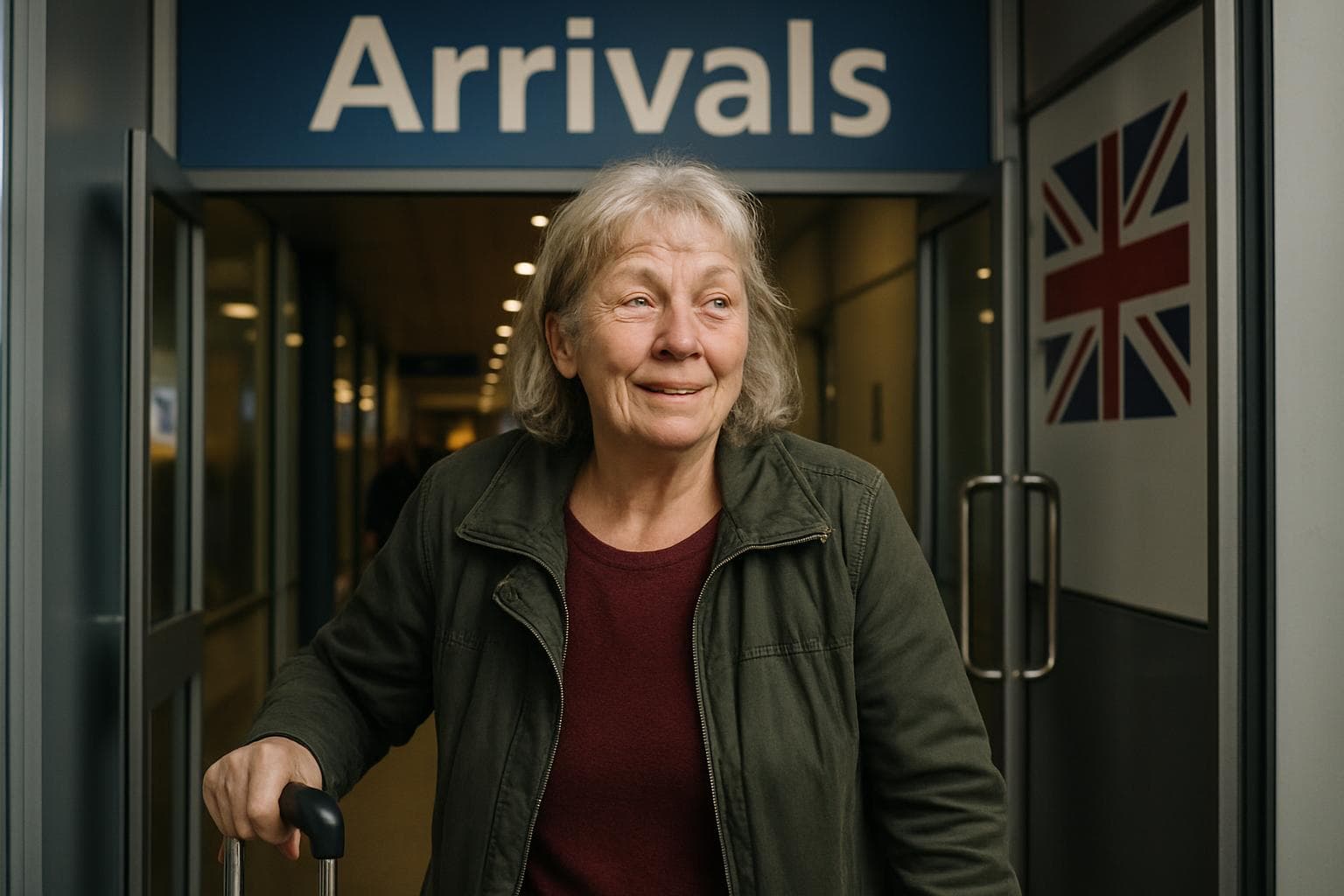
Lindsay Sandiford, a British grandmother who spent over a decade on death row in Indonesia for drug trafficking, has returned to the UK. Her repatriation, alongside fellow British national Shahab Shahabadi, marks a significant development in UK-Indonesia diplomatic relations.
A Long Wait for Freedom
Sandiford, 69, was sentenced to death in 2013 after being caught with nearly 5kg of cocaine upon her arrival in Bali from Thailand in 2012. The drugs, valued at approximately £1.6 million, were hidden in a false suitcase bottom. Despite admitting to the crime, Sandiford claimed she was coerced by a drug syndicate threatening her son's life. Shahabadi, 36, was serving a life sentence for drug offenses following his 2014 arrest.
Humanitarian Grounds for Repatriation
The repatriation was facilitated by a bilateral agreement between the UK and Indonesia, underscoring the humanitarian aspect of the decision. Both Sandiford and Shahabadi were reported to be suffering from severe health issues, with Sandiford described as "seriously ill" and Shahabadi facing various illnesses, including mental health challenges. "When they first arrive in the UK, the priority will be about their health," stated Matthew Downing, the UK's Deputy Ambassador to Indonesia.
Indonesia's Stringent Drug Laws
Indonesia is known for its harsh drug laws, with nearly 600 inmates currently on death row, including around 90 foreigners. However, the country has recently repatriated several high-profile detainees, including the remaining members of the infamous "Bali Nine" drug ring. This shift may indicate a change in approach under President Prabowo Subianto's administration.
WHAT THIS MIGHT MEAN
The repatriation of Lindsay Sandiford and Shahab Shahabadi could signal a new phase in UK-Indonesia relations, potentially paving the way for further diplomatic negotiations regarding prisoners. Their return on humanitarian grounds highlights the importance of health considerations in international legal agreements. As they undergo health assessments and legal procedures in the UK, their cases may set precedents for future repatriations. The broader implications could influence how countries with strict drug laws handle foreign nationals, balancing legal enforcement with humanitarian concerns.
Related Articles

Police Federation Chief Arrested Amid Fraud Investigation

US Supreme Court Ruling Sparks Trade Uncertainty in Asia and Beyond

Canada and Australia Forge Strategic Partnership Amid Global Uncertainty
UK Government to Reform Asylum Seeker Support and Employment Policies

Middle East Conflict Drives UK Energy Prices to New Highs

UK Faces Dilemmas Amid Iran Conflict and China Spying Allegations
British Grandmother Returns Home After 12 Years on Indonesian Death Row
In This Article
 Sofia Romano| Published
 HIGHLIGHTS
- Lindsay Sandiford, a British grandmother, was repatriated from Indonesia after 12 years on death row for drug trafficking.
- Sandiford and Shahab Shahabadi, another British national, were returned to the UK on humanitarian grounds due to severe health issues.
- The repatriation follows a bilateral agreement between the UK and Indonesia, highlighting ongoing diplomatic relations.
- Indonesia has some of the world's strictest drug laws but has recently repatriated several high-profile detainees.
- Upon their return, Sandiford and Shahabadi will undergo health assessments and be subject to UK legal procedures.
Lindsay Sandiford, a British grandmother who spent over a decade on death row in Indonesia for drug trafficking, has returned to the UK. Her repatriation, alongside fellow British national Shahab Shahabadi, marks a significant development in UK-Indonesia diplomatic relations.
A Long Wait for Freedom
Sandiford, 69, was sentenced to death in 2013 after being caught with nearly 5kg of cocaine upon her arrival in Bali from Thailand in 2012. The drugs, valued at approximately £1.6 million, were hidden in a false suitcase bottom. Despite admitting to the crime, Sandiford claimed she was coerced by a drug syndicate threatening her son's life. Shahabadi, 36, was serving a life sentence for drug offenses following his 2014 arrest.
Humanitarian Grounds for Repatriation
The repatriation was facilitated by a bilateral agreement between the UK and Indonesia, underscoring the humanitarian aspect of the decision. Both Sandiford and Shahabadi were reported to be suffering from severe health issues, with Sandiford described as "seriously ill" and Shahabadi facing various illnesses, including mental health challenges. "When they first arrive in the UK, the priority will be about their health," stated Matthew Downing, the UK's Deputy Ambassador to Indonesia.
Indonesia's Stringent Drug Laws
Indonesia is known for its harsh drug laws, with nearly 600 inmates currently on death row, including around 90 foreigners. However, the country has recently repatriated several high-profile detainees, including the remaining members of the infamous "Bali Nine" drug ring. This shift may indicate a change in approach under President Prabowo Subianto's administration.
WHAT THIS MIGHT MEAN
The repatriation of Lindsay Sandiford and Shahab Shahabadi could signal a new phase in UK-Indonesia relations, potentially paving the way for further diplomatic negotiations regarding prisoners. Their return on humanitarian grounds highlights the importance of health considerations in international legal agreements. As they undergo health assessments and legal procedures in the UK, their cases may set precedents for future repatriations. The broader implications could influence how countries with strict drug laws handle foreign nationals, balancing legal enforcement with humanitarian concerns.
Related Articles
Police Federation Chief Arrested Amid Fraud Investigation
US Supreme Court Ruling Sparks Trade Uncertainty in Asia and Beyond
Canada and Australia Forge Strategic Partnership Amid Global Uncertainty
UK Government to Reform Asylum Seeker Support and Employment Policies
Middle East Conflict Drives UK Energy Prices to New Highs
UK Faces Dilemmas Amid Iran Conflict and China Spying Allegations