
British Man Convicted of Espionage for Attempting to Aid Russian Intelligence

In This Article
HIGHLIGHTS
- Howard Phillips, 65, from Essex, was found guilty of attempting to spy for Russia, believing he was aiding Russian agents.
- Phillips offered personal information about former UK Defence Secretary Grant Shapps, including his home address.
- The undercover agents, whom Phillips thought were Russian, were actually British intelligence officers.
- Phillips was arrested in May 2024 and convicted under the National Security Act; sentencing is pending.
- Security Minister Dan Jarvis praised UK law enforcement for their role in the conviction.
In a case that underscores the persistent threats to national security, Howard Phillips, a 65-year-old man from Harlow, Essex, has been convicted of attempting to spy for Russia. Phillips, who harbored dreams of emulating fictional spy James Bond, was found guilty at Winchester Crown Court of assisting a foreign intelligence service, a violation under the National Security Act.
Espionage Plot Uncovered
The court heard that Phillips sought to provide personal information about former Defence Secretary Grant Shapps to individuals he believed were Russian intelligence agents. In reality, these individuals, known to him as Sasha and Dima, were undercover British intelligence officers. Phillips had met Shapps at a synagogue, where Shapps served as the local MP for Welwyn Hatfield.
Details of the Espionage Attempt
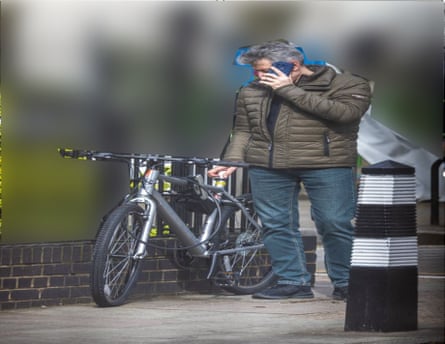
Phillips, who was struggling financially and seeking employment with the UK Border Force, communicated with the supposed Russian agents via WhatsApp. He offered them a USB stick containing sensitive information, including Shapps's home address and the location of his private plane. The USB was left in a bicycle seat shaft near St Pancras and Euston stations in London.
Legal Proceedings and Reactions
Following his arrest in May 2024, Phillips was charged under the National Security Act. He remained silent as the jury delivered a unanimous guilty verdict after four hours of deliberation. Mrs. Justice Cheema-Grubb has remanded him in custody, with sentencing scheduled for the autumn. Reacting to the verdict, Security Minister Dan Jarvis commended the UK's law enforcement agencies for their diligence in safeguarding national security.
Implications for National Security
Grant Shapps expressed concern over the breach, emphasizing the dangers posed by individuals within the community aiding foreign adversaries. He stated, "Aiding a foreign adversary undermines our national security and endangers those who serve, as well as the wider public."
WHAT THIS MIGHT MEAN
The conviction of Howard Phillips serves as a stark reminder of the ongoing espionage threats faced by the UK. As the nation grapples with these security challenges, the case highlights the importance of robust intelligence operations and vigilant law enforcement. Moving forward, the sentencing of Phillips will likely serve as a deterrent to others who might consider similar actions. Experts suggest that this case could prompt a review of security protocols, particularly concerning individuals seeking employment in sensitive government positions. The UK government may also strengthen its counterintelligence measures to prevent future breaches and protect national security interests.
Images from the Web




Related Articles

Police Federation Chief Arrested Amid Fraud Investigation

Canada and Australia Forge Strategic Partnership Amid Global Uncertainty

UK Government to Reform Asylum Seeker Support and Employment Policies

Russian LNG Tanker Sinks in Mediterranean Amid Accusations of Ukrainian Drone Attack

Middle East Conflict Drives UK Energy Prices to New Highs

UK Faces Dilemmas Amid Iran Conflict and China Spying Allegations
British Man Convicted of Espionage for Attempting to Aid Russian Intelligence
In This Article
 Sofia Romano| Published
 HIGHLIGHTS
- Howard Phillips, 65, from Essex, was found guilty of attempting to spy for Russia, believing he was aiding Russian agents.
- Phillips offered personal information about former UK Defence Secretary Grant Shapps, including his home address.
- The undercover agents, whom Phillips thought were Russian, were actually British intelligence officers.
- Phillips was arrested in May 2024 and convicted under the National Security Act; sentencing is pending.
- Security Minister Dan Jarvis praised UK law enforcement for their role in the conviction.
In a case that underscores the persistent threats to national security, Howard Phillips, a 65-year-old man from Harlow, Essex, has been convicted of attempting to spy for Russia. Phillips, who harbored dreams of emulating fictional spy James Bond, was found guilty at Winchester Crown Court of assisting a foreign intelligence service, a violation under the National Security Act.
Espionage Plot Uncovered
The court heard that Phillips sought to provide personal information about former Defence Secretary Grant Shapps to individuals he believed were Russian intelligence agents. In reality, these individuals, known to him as Sasha and Dima, were undercover British intelligence officers. Phillips had met Shapps at a synagogue, where Shapps served as the local MP for Welwyn Hatfield.
Details of the Espionage Attempt
Phillips, who was struggling financially and seeking employment with the UK Border Force, communicated with the supposed Russian agents via WhatsApp. He offered them a USB stick containing sensitive information, including Shapps's home address and the location of his private plane. The USB was left in a bicycle seat shaft near St Pancras and Euston stations in London.
Legal Proceedings and Reactions
Following his arrest in May 2024, Phillips was charged under the National Security Act. He remained silent as the jury delivered a unanimous guilty verdict after four hours of deliberation. Mrs. Justice Cheema-Grubb has remanded him in custody, with sentencing scheduled for the autumn. Reacting to the verdict, Security Minister Dan Jarvis commended the UK's law enforcement agencies for their diligence in safeguarding national security.
Implications for National Security
Grant Shapps expressed concern over the breach, emphasizing the dangers posed by individuals within the community aiding foreign adversaries. He stated, "Aiding a foreign adversary undermines our national security and endangers those who serve, as well as the wider public."
WHAT THIS MIGHT MEAN
The conviction of Howard Phillips serves as a stark reminder of the ongoing espionage threats faced by the UK. As the nation grapples with these security challenges, the case highlights the importance of robust intelligence operations and vigilant law enforcement. Moving forward, the sentencing of Phillips will likely serve as a deterrent to others who might consider similar actions. Experts suggest that this case could prompt a review of security protocols, particularly concerning individuals seeking employment in sensitive government positions. The UK government may also strengthen its counterintelligence measures to prevent future breaches and protect national security interests.
Images from the Web
Related Articles
Police Federation Chief Arrested Amid Fraud Investigation
Canada and Australia Forge Strategic Partnership Amid Global Uncertainty
UK Government to Reform Asylum Seeker Support and Employment Policies
Russian LNG Tanker Sinks in Mediterranean Amid Accusations of Ukrainian Drone Attack
Middle East Conflict Drives UK Energy Prices to New Highs
UK Faces Dilemmas Amid Iran Conflict and China Spying Allegations