
British Man Sentenced for Attempted Espionage Involving Former Defence Secretary
In This Article
HIGHLIGHTS
- Howard Phillips, 66, from Essex, was sentenced to seven years for attempting to spy for Russia by passing personal details of former Defence Secretary Grant Shapps.
- Phillips was found guilty under the National Security Act after handing over sensitive information to undercover officers he believed were Russian agents.
- The court heard Phillips was motivated by financial gain and had fantasized about espionage, likening himself to James Bond.
- The security services intercepted Phillips before he could provide material assistance, averting potential damage.
- Grant Shapps expressed shock and concern for his family's safety, emphasizing the breach of trust and risk posed by Phillips's actions.
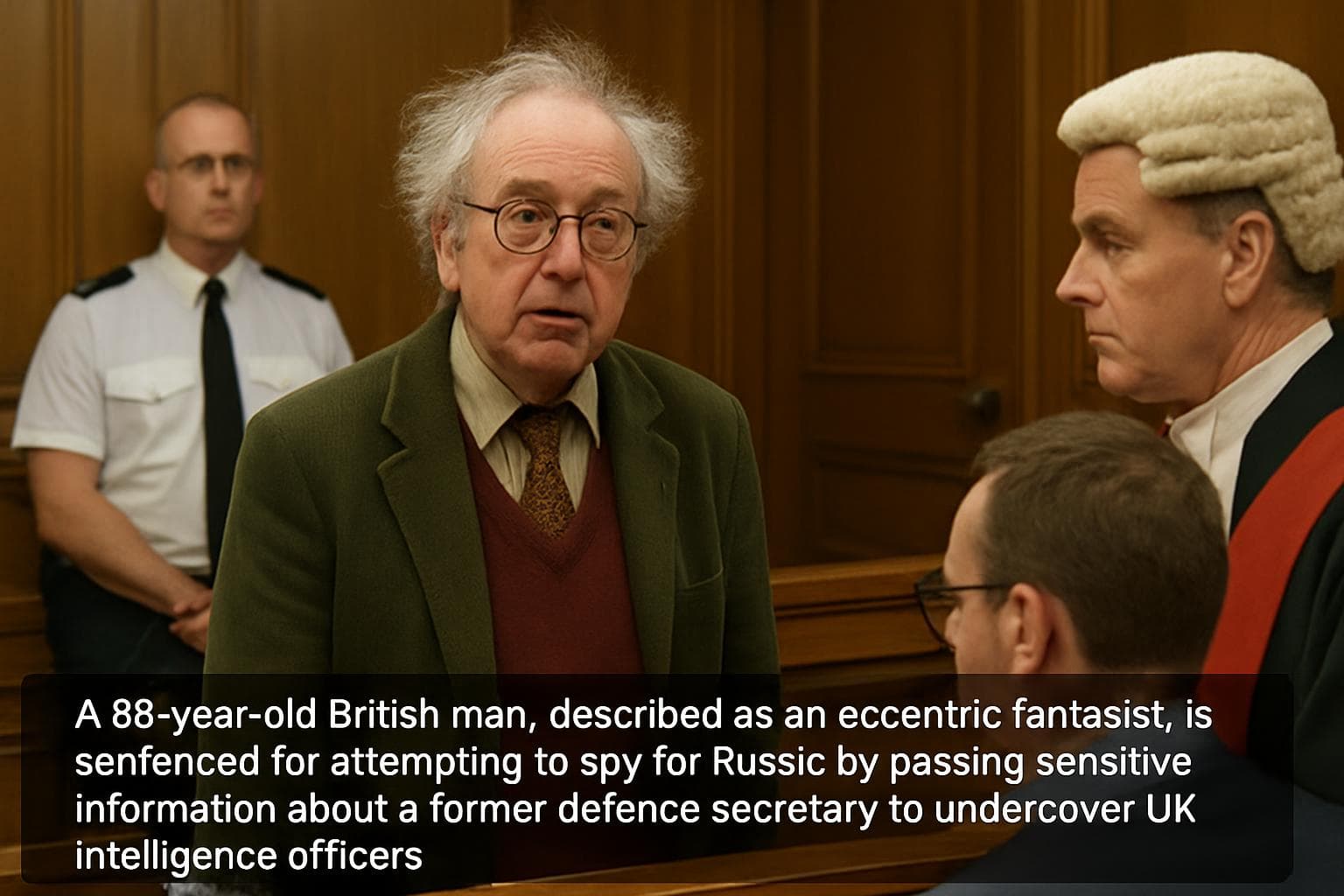
A British man has been sentenced to seven years in prison after being found guilty of attempting to spy for Russia by passing on sensitive information about former Defence Secretary Grant Shapps. Howard Phillips, 66, from Harlow, Essex, was convicted under the National Security Act at Winchester Crown Court.
Espionage Attempt and Arrest
Phillips, described as a "lost soul" and "eccentric fantasist," was caught in a sting operation by British intelligence. He believed he was assisting Russian agents when he handed over a USB stick containing personal details of Shapps, including his home address and the location of his private plane. The individuals he met, however, were undercover officers from the UK security services.
Motivation and Fantasies
During the trial, it was revealed that Phillips was motivated by financial gain rather than ideology. His ex-wife testified that he was infatuated with espionage, often dreaming of being like James Bond. Phillips had been struggling financially and was in the process of applying for a job with the UK Border Force when he was approached by the undercover officers.
Court Proceedings and Sentencing
Mrs Justice Cheema-Grubb, presiding over the case, emphasized the gravity of Phillips's actions, stating, "You were prepared to betray your country for money." She noted that the security services' intervention prevented any material assistance from being provided to a foreign intelligence service. Phillips's defense argued that there was an "element of fantasy" in his actions, portraying him as a desperate man not thinking clearly.
Impact on Grant Shapps
In a victim impact statement, Grant Shapps expressed his shock and concern for his family's safety, highlighting the serious risks posed by Phillips's reckless behavior. "He chose to take whatever information he had and attempted to sell it to a foreign intelligence service, thereby, wantonly, putting myself, my family, and ultimately the country at risk," Shapps stated.
WHAT THIS MIGHT MEAN
The sentencing of Howard Phillips underscores the ongoing challenges faced by national security agencies in safeguarding sensitive information from internal threats. This case highlights the importance of vigilance and the effectiveness of intelligence operations in preventing potential espionage. Moving forward, there may be increased scrutiny on individuals applying for sensitive positions within government agencies, as well as a reassessment of security protocols to prevent similar breaches.
Politically, this incident could lead to heightened tensions between the UK and Russia, as it involves an attempt to compromise a high-ranking government official. The UK government may consider reinforcing its counterintelligence measures and collaborating more closely with international allies to address espionage threats.
Images from the Web


Related Articles

Police Federation Chief Arrested Amid Fraud Investigation

Canada and Australia Forge Strategic Partnership Amid Global Uncertainty
UK Government to Reform Asylum Seeker Support and Employment Policies

Russian LNG Tanker Sinks in Mediterranean Amid Accusations of Ukrainian Drone Attack

Middle East Conflict Drives UK Energy Prices to New Highs

UK Faces Dilemmas Amid Iran Conflict and China Spying Allegations
British Man Sentenced for Attempted Espionage Involving Former Defence Secretary
In This Article
 Sofia Romano| Published
 HIGHLIGHTS
- Howard Phillips, 66, from Essex, was sentenced to seven years for attempting to spy for Russia by passing personal details of former Defence Secretary Grant Shapps.
- Phillips was found guilty under the National Security Act after handing over sensitive information to undercover officers he believed were Russian agents.
- The court heard Phillips was motivated by financial gain and had fantasized about espionage, likening himself to James Bond.
- The security services intercepted Phillips before he could provide material assistance, averting potential damage.
- Grant Shapps expressed shock and concern for his family's safety, emphasizing the breach of trust and risk posed by Phillips's actions.
A British man has been sentenced to seven years in prison after being found guilty of attempting to spy for Russia by passing on sensitive information about former Defence Secretary Grant Shapps. Howard Phillips, 66, from Harlow, Essex, was convicted under the National Security Act at Winchester Crown Court.
Espionage Attempt and Arrest
Phillips, described as a "lost soul" and "eccentric fantasist," was caught in a sting operation by British intelligence. He believed he was assisting Russian agents when he handed over a USB stick containing personal details of Shapps, including his home address and the location of his private plane. The individuals he met, however, were undercover officers from the UK security services.
Motivation and Fantasies
During the trial, it was revealed that Phillips was motivated by financial gain rather than ideology. His ex-wife testified that he was infatuated with espionage, often dreaming of being like James Bond. Phillips had been struggling financially and was in the process of applying for a job with the UK Border Force when he was approached by the undercover officers.
Court Proceedings and Sentencing
Mrs Justice Cheema-Grubb, presiding over the case, emphasized the gravity of Phillips's actions, stating, "You were prepared to betray your country for money." She noted that the security services' intervention prevented any material assistance from being provided to a foreign intelligence service. Phillips's defense argued that there was an "element of fantasy" in his actions, portraying him as a desperate man not thinking clearly.
Impact on Grant Shapps
In a victim impact statement, Grant Shapps expressed his shock and concern for his family's safety, highlighting the serious risks posed by Phillips's reckless behavior. "He chose to take whatever information he had and attempted to sell it to a foreign intelligence service, thereby, wantonly, putting myself, my family, and ultimately the country at risk," Shapps stated.
WHAT THIS MIGHT MEAN
The sentencing of Howard Phillips underscores the ongoing challenges faced by national security agencies in safeguarding sensitive information from internal threats. This case highlights the importance of vigilance and the effectiveness of intelligence operations in preventing potential espionage. Moving forward, there may be increased scrutiny on individuals applying for sensitive positions within government agencies, as well as a reassessment of security protocols to prevent similar breaches.
Politically, this incident could lead to heightened tensions between the UK and Russia, as it involves an attempt to compromise a high-ranking government official. The UK government may consider reinforcing its counterintelligence measures and collaborating more closely with international allies to address espionage threats.
Images from the Web
Related Articles
Police Federation Chief Arrested Amid Fraud Investigation
Canada and Australia Forge Strategic Partnership Amid Global Uncertainty
UK Government to Reform Asylum Seeker Support and Employment Policies
Russian LNG Tanker Sinks in Mediterranean Amid Accusations of Ukrainian Drone Attack
Middle East Conflict Drives UK Energy Prices to New Highs
UK Faces Dilemmas Amid Iran Conflict and China Spying Allegations