
Canada Faces Escalating Trade Tensions with US and China

In This Article
HIGHLIGHTS
- Canada faces escalating trade tensions with the US and China, impacting its economy and political landscape.
- The US imposed 25% tariffs on Canadian goods, prompting Canada to respond with similar levies on $30bn worth of US imports.
- China retaliated against Canada's tariffs on its products by imposing new duties on $2.6bn of Canadian agricultural goods.
- Incoming Prime Minister Mark Carney is tasked with navigating these complex trade disputes, which include potential further tariffs on electric vehicles and other goods.
- The Canadian government maintains that "all options remain on the table" as it seeks to resolve these trade conflicts.
Canada is grappling with heightened trade tensions as both the United States and China impose significant tariffs on Canadian goods. This development presents a formidable challenge for incoming Prime Minister Mark Carney, who has vowed to address these economic threats head-on.
US-Canada Trade Dispute
The trade dispute between Canada and the United States intensified last week when the US implemented 25% tariffs on a range of Canadian goods. Although some exemptions were granted under the North American free trade pact, the move has been criticized by outgoing Prime Minister Justin Trudeau as a "very dumb thing to do." In response, Canada announced its own 25% tariffs on $30bn worth of US imports, including products like peanut butter, wine, and motorcycles. The Canadian government has also signaled the possibility of further tariffs on electric vehicles and other goods if the US does not retract its measures.
China's Retaliatory Tariffs
Adding to Canada's trade woes, China has introduced new tariffs on over $2.6bn worth of Canadian agricultural and food products. This action is in retaliation for Canada's tariffs on Chinese electric vehicles and steel and aluminum products, which were imposed last October. The Chinese commerce ministry has condemned Canada's measures as protectionist and discriminatory, stating they violate World Trade Organization rules. The new tariffs include a 100% duty on $1bn of Canadian rapeseed oil and a 25% duty on $1.6bn of aquatic products and pork.
Navigating Complex Trade Challenges
As Mark Carney prepares to take office, he faces the daunting task of managing these complex trade disputes. The Canadian government has made it clear that "all options remain on the table" as it seeks to protect its economic interests and resolve these conflicts. With $2.5bn worth of goods and services crossing the US-Canada border daily, the stakes are high for maintaining stable trade relations.
WHAT THIS MIGHT MEAN
The ongoing trade tensions between Canada, the US, and China could have significant economic and political implications. If unresolved, these disputes may lead to increased costs for consumers and businesses, potentially affecting economic growth. Experts suggest that diplomatic negotiations will be crucial in finding a resolution, as prolonged trade wars could strain international relations and disrupt global supply chains. Mark Carney's leadership will be pivotal in navigating these challenges and ensuring Canada's economic stability in the face of protectionist measures.
Related Articles
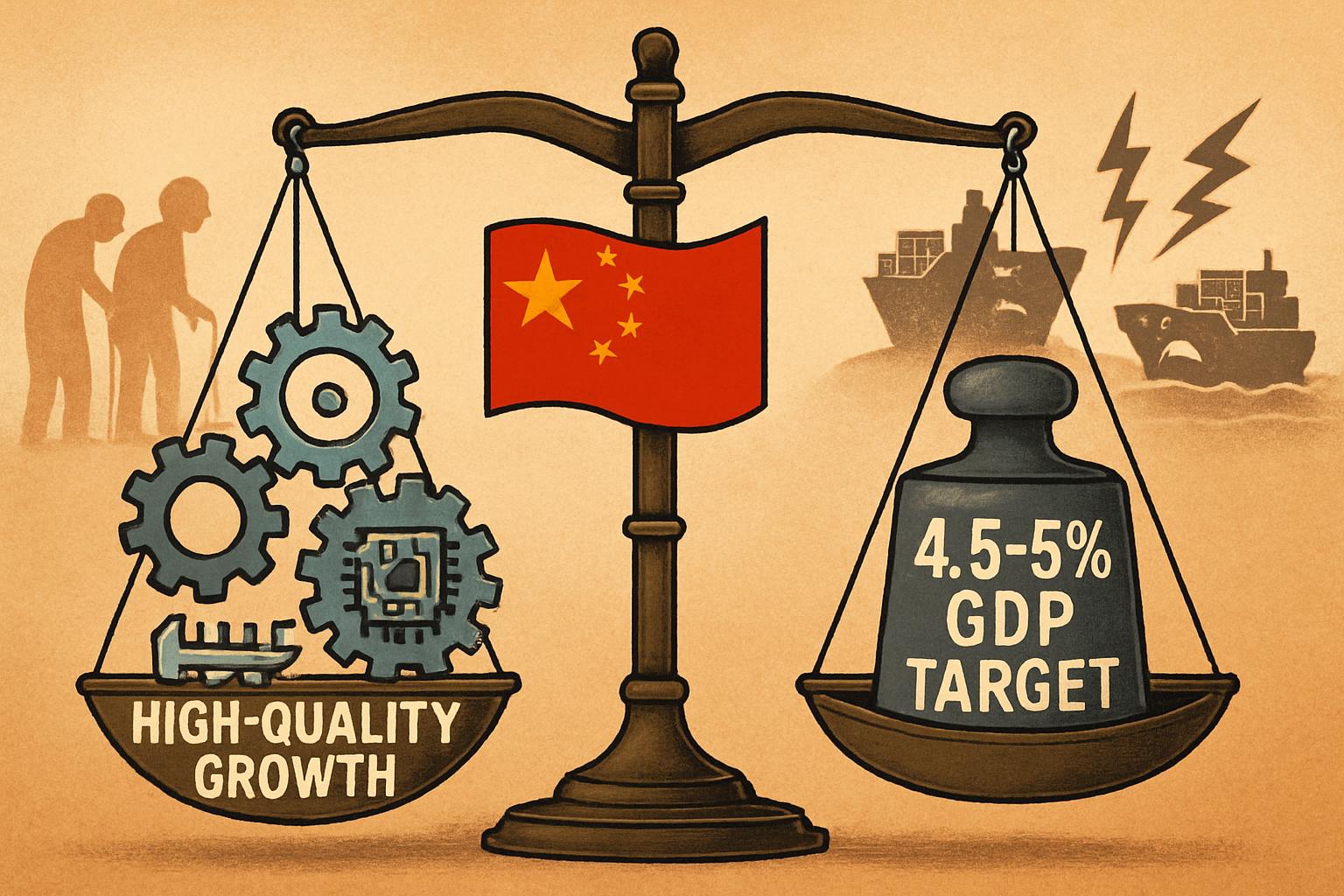
China Sets Lowest GDP Growth Target in Decades Amid Economic Challenges
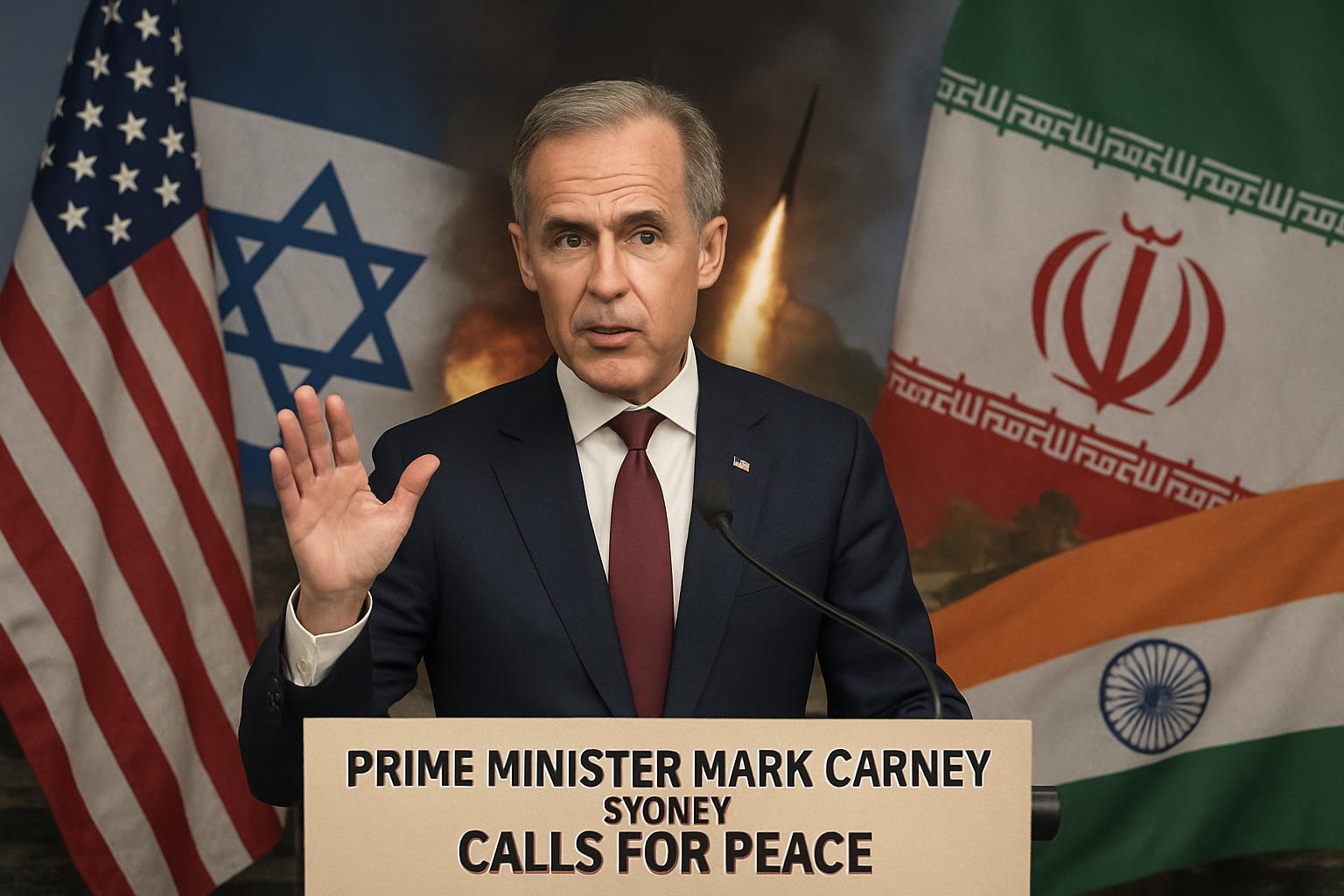
Canada Calls for De-escalation Amid US-Israel Strikes on Iran
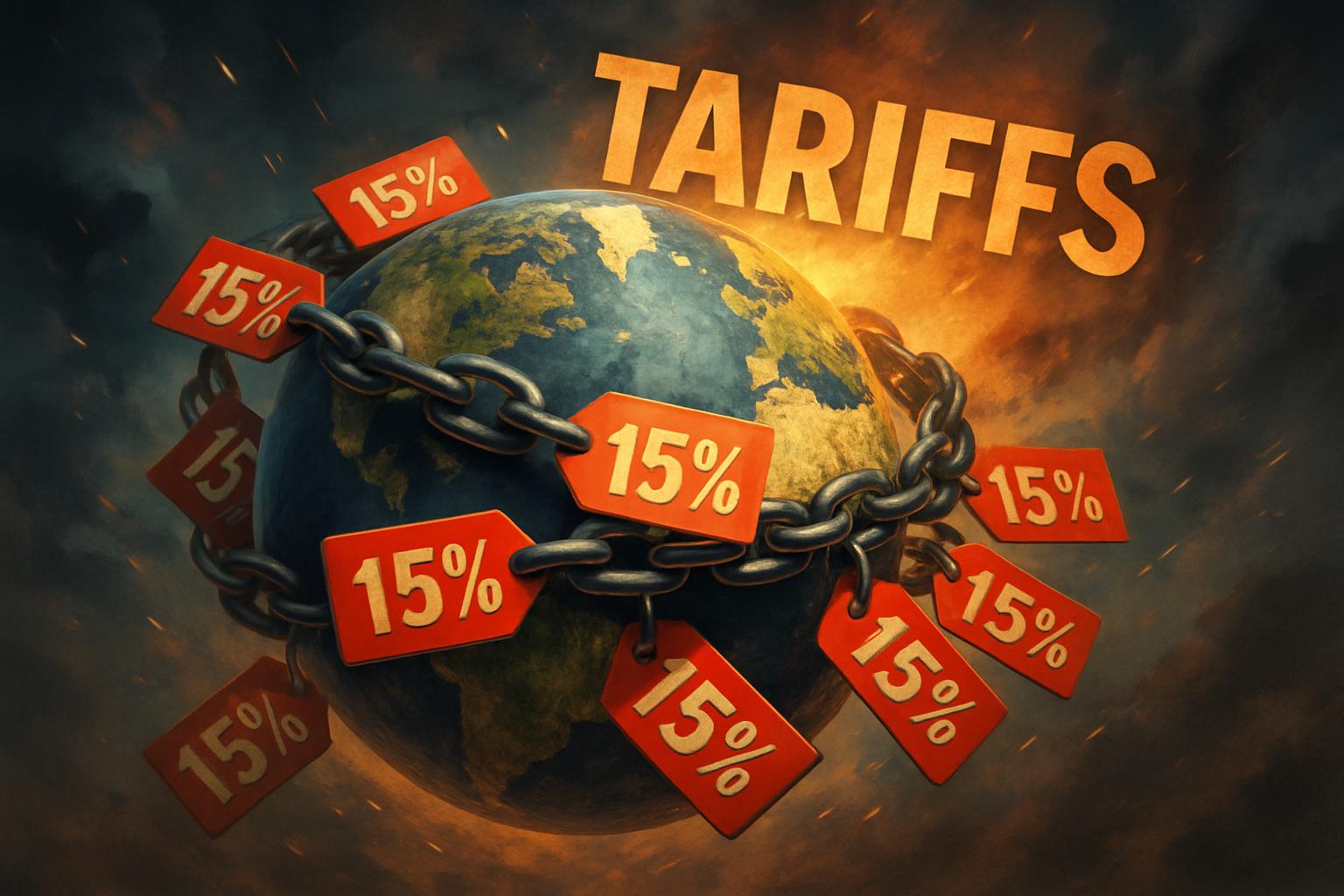
Trump's New Tariff Strategy Sparks Global Trade Uncertainty
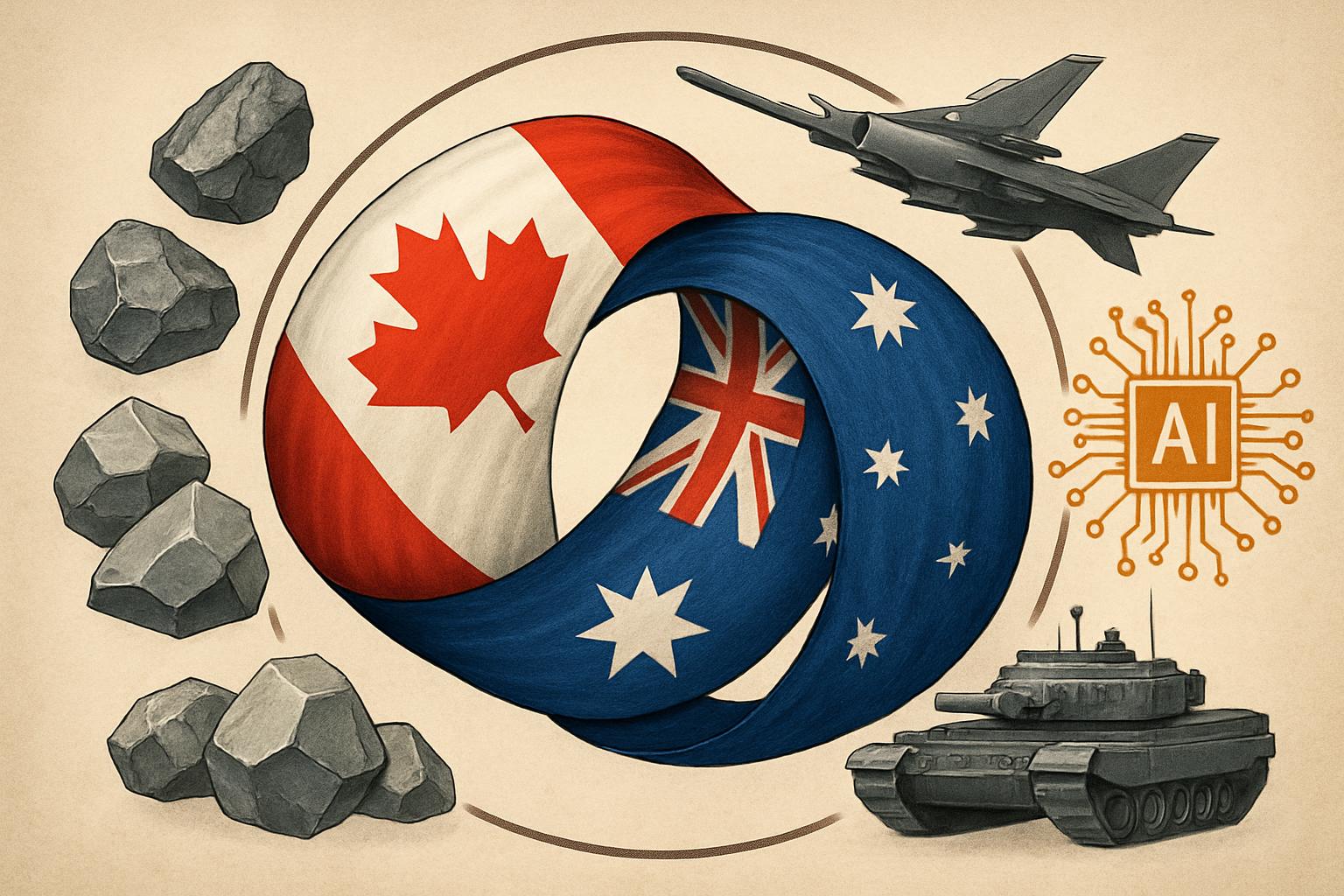
Canada and Australia Forge Strategic Partnership Amid Global Uncertainty

UK Faces Dilemmas Amid Iran Conflict and China Spying Allegations

Cuba Faces Widespread Blackout Amid Deepening Fuel Crisis
Canada Faces Escalating Trade Tensions with US and China
In This Article
 Daniel Rivera| Published
 HIGHLIGHTS
- Canada faces escalating trade tensions with the US and China, impacting its economy and political landscape.
- The US imposed 25% tariffs on Canadian goods, prompting Canada to respond with similar levies on $30bn worth of US imports.
- China retaliated against Canada's tariffs on its products by imposing new duties on $2.6bn of Canadian agricultural goods.
- Incoming Prime Minister Mark Carney is tasked with navigating these complex trade disputes, which include potential further tariffs on electric vehicles and other goods.
- The Canadian government maintains that "all options remain on the table" as it seeks to resolve these trade conflicts.
Canada is grappling with heightened trade tensions as both the United States and China impose significant tariffs on Canadian goods. This development presents a formidable challenge for incoming Prime Minister Mark Carney, who has vowed to address these economic threats head-on.
US-Canada Trade Dispute
The trade dispute between Canada and the United States intensified last week when the US implemented 25% tariffs on a range of Canadian goods. Although some exemptions were granted under the North American free trade pact, the move has been criticized by outgoing Prime Minister Justin Trudeau as a "very dumb thing to do." In response, Canada announced its own 25% tariffs on $30bn worth of US imports, including products like peanut butter, wine, and motorcycles. The Canadian government has also signaled the possibility of further tariffs on electric vehicles and other goods if the US does not retract its measures.
China's Retaliatory Tariffs
Adding to Canada's trade woes, China has introduced new tariffs on over $2.6bn worth of Canadian agricultural and food products. This action is in retaliation for Canada's tariffs on Chinese electric vehicles and steel and aluminum products, which were imposed last October. The Chinese commerce ministry has condemned Canada's measures as protectionist and discriminatory, stating they violate World Trade Organization rules. The new tariffs include a 100% duty on $1bn of Canadian rapeseed oil and a 25% duty on $1.6bn of aquatic products and pork.
Navigating Complex Trade Challenges
As Mark Carney prepares to take office, he faces the daunting task of managing these complex trade disputes. The Canadian government has made it clear that "all options remain on the table" as it seeks to protect its economic interests and resolve these conflicts. With $2.5bn worth of goods and services crossing the US-Canada border daily, the stakes are high for maintaining stable trade relations.
WHAT THIS MIGHT MEAN
The ongoing trade tensions between Canada, the US, and China could have significant economic and political implications. If unresolved, these disputes may lead to increased costs for consumers and businesses, potentially affecting economic growth. Experts suggest that diplomatic negotiations will be crucial in finding a resolution, as prolonged trade wars could strain international relations and disrupt global supply chains. Mark Carney's leadership will be pivotal in navigating these challenges and ensuring Canada's economic stability in the face of protectionist measures.
Related Articles
China Sets Lowest GDP Growth Target in Decades Amid Economic Challenges
Canada Calls for De-escalation Amid US-Israel Strikes on Iran
Trump's New Tariff Strategy Sparks Global Trade Uncertainty
Canada and Australia Forge Strategic Partnership Amid Global Uncertainty
UK Faces Dilemmas Amid Iran Conflict and China Spying Allegations
Cuba Faces Widespread Blackout Amid Deepening Fuel Crisis