
CDC Panel Weighs Delaying Hepatitis B Vaccine for Newborns Amid Controversy
In This Article
HIGHLIGHTS
- The CDC's Advisory Committee on Immunization Practices (ACIP) is considering delaying hepatitis B vaccinations for newborns, a move that could reverse decades of public health progress.
- Robert F Kennedy Jr, a prominent anti-vaccine activist, has influenced the panel's composition, raising concerns about potential changes to longstanding vaccine recommendations.
- Experts warn that delaying the hepatitis B vaccine could lead to increased cases of liver disease and cancer, as the vaccine has significantly reduced infections since its introduction.
- The ACIP's decision-making process has been contentious, with some members demanding evidence of harm from the vaccine, despite its proven safety and efficacy.
- Public health officials express concern that changes to the vaccine schedule could exacerbate vaccine hesitancy and confusion among parents.
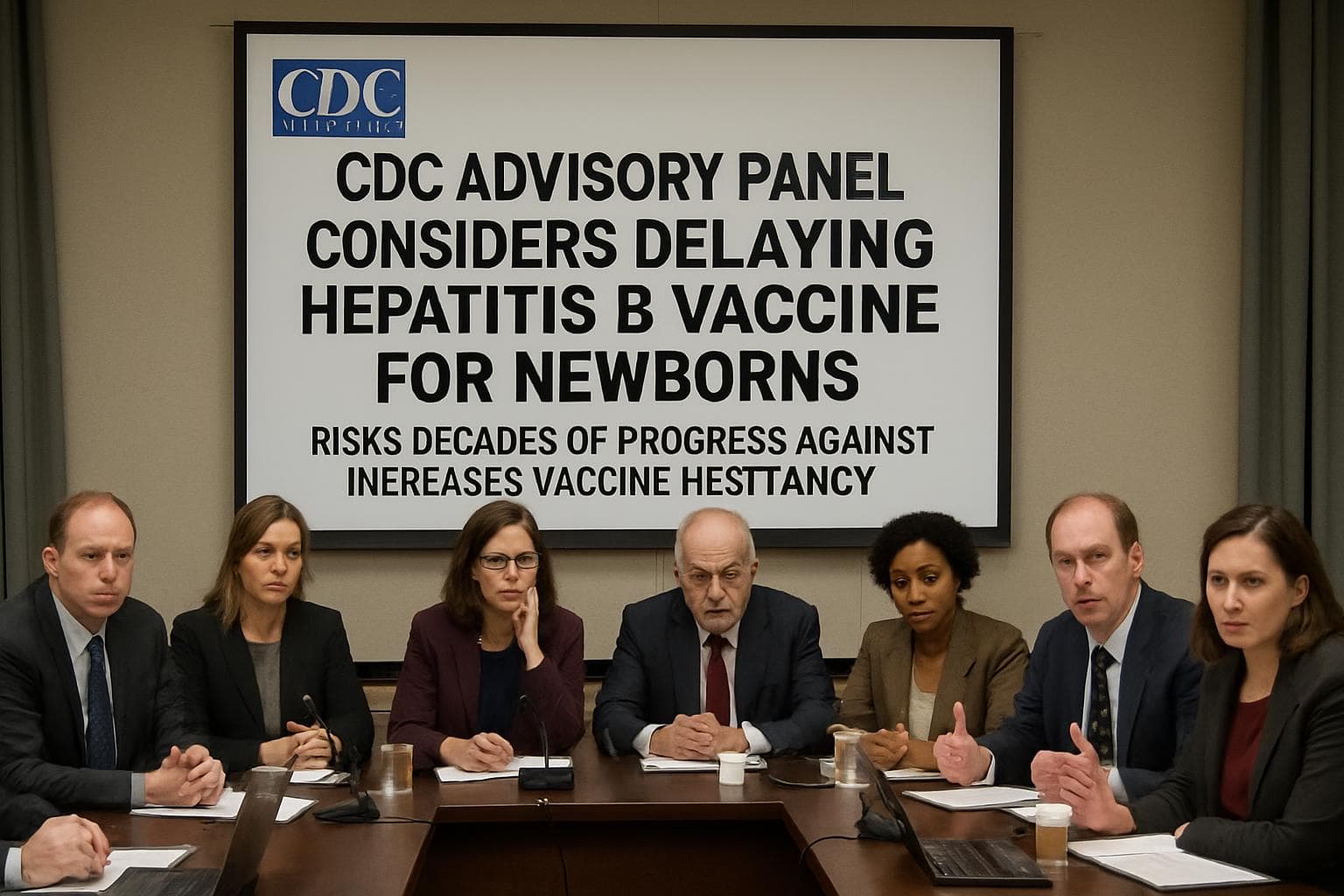
The U.S. Centers for Disease Control and Prevention's (CDC) Advisory Committee on Immunization Practices (ACIP) is embroiled in a heated debate over a proposal to delay hepatitis B vaccinations for newborns. This potential shift in public health policy has sparked alarm among experts who fear it could reverse decades of progress in combating the virus.
Background and Current Developments
The hepatitis B vaccine, administered at birth since 1991, has played a crucial role in reducing childhood infections by 95% and preventing an estimated 90,000 deaths. However, the ACIP, now influenced by Robert F Kennedy Jr, a known anti-vaccine activist, is reconsidering this schedule. Kennedy, who recently reshuffled the committee with vaccine skeptics, has long advocated for delaying the shot.
During a tense meeting, the panel decided to postpone a vote on the matter to allow more time for deliberation. The meeting, described as confrontational, saw some members questioning the vaccine's safety despite its long-standing track record. Claudia Hawkins, director at Northwestern University's Feinberg School of Medicine, emphasized that even a short delay in vaccination could lead to hundreds of additional deaths from liver disease and cancer.
Implications of Delaying the Vaccine
Experts warn that altering the hepatitis B vaccination schedule could have severe consequences. The vaccine has been instrumental in nearly eliminating transmission from birth parents and dramatically reducing childhood cases. A study published in 2023 highlighted a 99% decline in acute hepatitis B cases among children and young adults since the vaccine's introduction.
Public health officials are concerned that the ongoing discussions, even without immediate changes, could fuel vaccine hesitancy. Debra Houry, former chief medical officer of the CDC, noted that parents might question the entire vaccine schedule, leading to confusion and potentially lower vaccination rates.
Leadership Changes and Broader Vaccine Policy
The ACIP's leadership has seen significant changes, with Dr. Kirk Milhoan, a critic of Covid-19 vaccines, now at the helm. This shift follows the dismissal of the previous chair, Dr. Martin Kulldorff, who moved to the U.S. Department of Health and Human Services. The committee's recent decisions, including recommending thimerosal-free flu vaccines and altering the measles, mumps, rubella, and chickenpox vaccine schedule, reflect its new direction.
WHAT THIS MIGHT MEAN
The potential delay in hepatitis B vaccinations for newborns could have far-reaching implications for public health in the United States. If the ACIP decides to alter the current schedule, it may lead to an increase in hepatitis B cases, reversing the significant progress made over the past three decades. This decision could also exacerbate vaccine hesitancy, as parents may become more skeptical of the vaccine schedule.
Experts warn that any changes to the vaccination policy should be based on robust scientific evidence. Without new data indicating harm from the vaccine, the current discussions could undermine public trust in vaccines. As the ACIP continues its deliberations, the outcome will likely influence broader public health strategies and the future of childhood immunization programs in the U.S.
Images from the Web


Related Articles
RFK Jr's Vaccine Panel Shake-Up Sparks Controversy and Political Tensions
CDC Panel Alters Hepatitis B Vaccine Guidelines for Newborns Amid Controversy

Tatiana Schlossberg, JFK's Granddaughter and Climate Journalist, Dies at 35
RFK Jr's Leadership at CDC Sparks Controversy and Resignations
Measles Outbreak in South Carolina Threatens US Elimination Status Amid Rising Vaccine Hesitancy
New US Dietary Guidelines Advocate for Whole Foods and Protein
CDC Panel Weighs Delaying Hepatitis B Vaccine for Newborns Amid Controversy
In This Article
 Alex Carter| Published
 HIGHLIGHTS
- The CDC's Advisory Committee on Immunization Practices (ACIP) is considering delaying hepatitis B vaccinations for newborns, a move that could reverse decades of public health progress.
- Robert F Kennedy Jr, a prominent anti-vaccine activist, has influenced the panel's composition, raising concerns about potential changes to longstanding vaccine recommendations.
- Experts warn that delaying the hepatitis B vaccine could lead to increased cases of liver disease and cancer, as the vaccine has significantly reduced infections since its introduction.
- The ACIP's decision-making process has been contentious, with some members demanding evidence of harm from the vaccine, despite its proven safety and efficacy.
- Public health officials express concern that changes to the vaccine schedule could exacerbate vaccine hesitancy and confusion among parents.
The U.S. Centers for Disease Control and Prevention's (CDC) Advisory Committee on Immunization Practices (ACIP) is embroiled in a heated debate over a proposal to delay hepatitis B vaccinations for newborns. This potential shift in public health policy has sparked alarm among experts who fear it could reverse decades of progress in combating the virus.
Background and Current Developments
The hepatitis B vaccine, administered at birth since 1991, has played a crucial role in reducing childhood infections by 95% and preventing an estimated 90,000 deaths. However, the ACIP, now influenced by Robert F Kennedy Jr, a known anti-vaccine activist, is reconsidering this schedule. Kennedy, who recently reshuffled the committee with vaccine skeptics, has long advocated for delaying the shot.
During a tense meeting, the panel decided to postpone a vote on the matter to allow more time for deliberation. The meeting, described as confrontational, saw some members questioning the vaccine's safety despite its long-standing track record. Claudia Hawkins, director at Northwestern University's Feinberg School of Medicine, emphasized that even a short delay in vaccination could lead to hundreds of additional deaths from liver disease and cancer.
Implications of Delaying the Vaccine
Experts warn that altering the hepatitis B vaccination schedule could have severe consequences. The vaccine has been instrumental in nearly eliminating transmission from birth parents and dramatically reducing childhood cases. A study published in 2023 highlighted a 99% decline in acute hepatitis B cases among children and young adults since the vaccine's introduction.
Public health officials are concerned that the ongoing discussions, even without immediate changes, could fuel vaccine hesitancy. Debra Houry, former chief medical officer of the CDC, noted that parents might question the entire vaccine schedule, leading to confusion and potentially lower vaccination rates.
Leadership Changes and Broader Vaccine Policy
The ACIP's leadership has seen significant changes, with Dr. Kirk Milhoan, a critic of Covid-19 vaccines, now at the helm. This shift follows the dismissal of the previous chair, Dr. Martin Kulldorff, who moved to the U.S. Department of Health and Human Services. The committee's recent decisions, including recommending thimerosal-free flu vaccines and altering the measles, mumps, rubella, and chickenpox vaccine schedule, reflect its new direction.
WHAT THIS MIGHT MEAN
The potential delay in hepatitis B vaccinations for newborns could have far-reaching implications for public health in the United States. If the ACIP decides to alter the current schedule, it may lead to an increase in hepatitis B cases, reversing the significant progress made over the past three decades. This decision could also exacerbate vaccine hesitancy, as parents may become more skeptical of the vaccine schedule.
Experts warn that any changes to the vaccination policy should be based on robust scientific evidence. Without new data indicating harm from the vaccine, the current discussions could undermine public trust in vaccines. As the ACIP continues its deliberations, the outcome will likely influence broader public health strategies and the future of childhood immunization programs in the U.S.
Images from the Web
Related Articles
RFK Jr's Vaccine Panel Shake-Up Sparks Controversy and Political Tensions
CDC Panel Alters Hepatitis B Vaccine Guidelines for Newborns Amid Controversy
Tatiana Schlossberg, JFK's Granddaughter and Climate Journalist, Dies at 35
RFK Jr's Leadership at CDC Sparks Controversy and Resignations
Measles Outbreak in South Carolina Threatens US Elimination Status Amid Rising Vaccine Hesitancy
New US Dietary Guidelines Advocate for Whole Foods and Protein