
RFK Jr's Vaccine Panel Shake-Up Sparks Controversy and Political Tensions
In This Article
HIGHLIGHTS
- RFK Jr's overhaul of the CDC's vaccine advisory committee has sparked controversy, with all 17 previous members replaced by new appointees.
- The new panel, led by Dr. Martin Kulldorff, plans to review long-standing childhood immunization schedules, raising concerns among public health experts.
- Dr. Michael Ross withdrew from the panel due to a conflict of interest, highlighting transparency issues in the appointment process.
- RFK Jr faced intense scrutiny in a House hearing over his vaccine policies and alleged healthcare fraud, deepening political divides.
- The panel's decisions could significantly impact vaccine recommendations and public trust in the CDC's guidance.
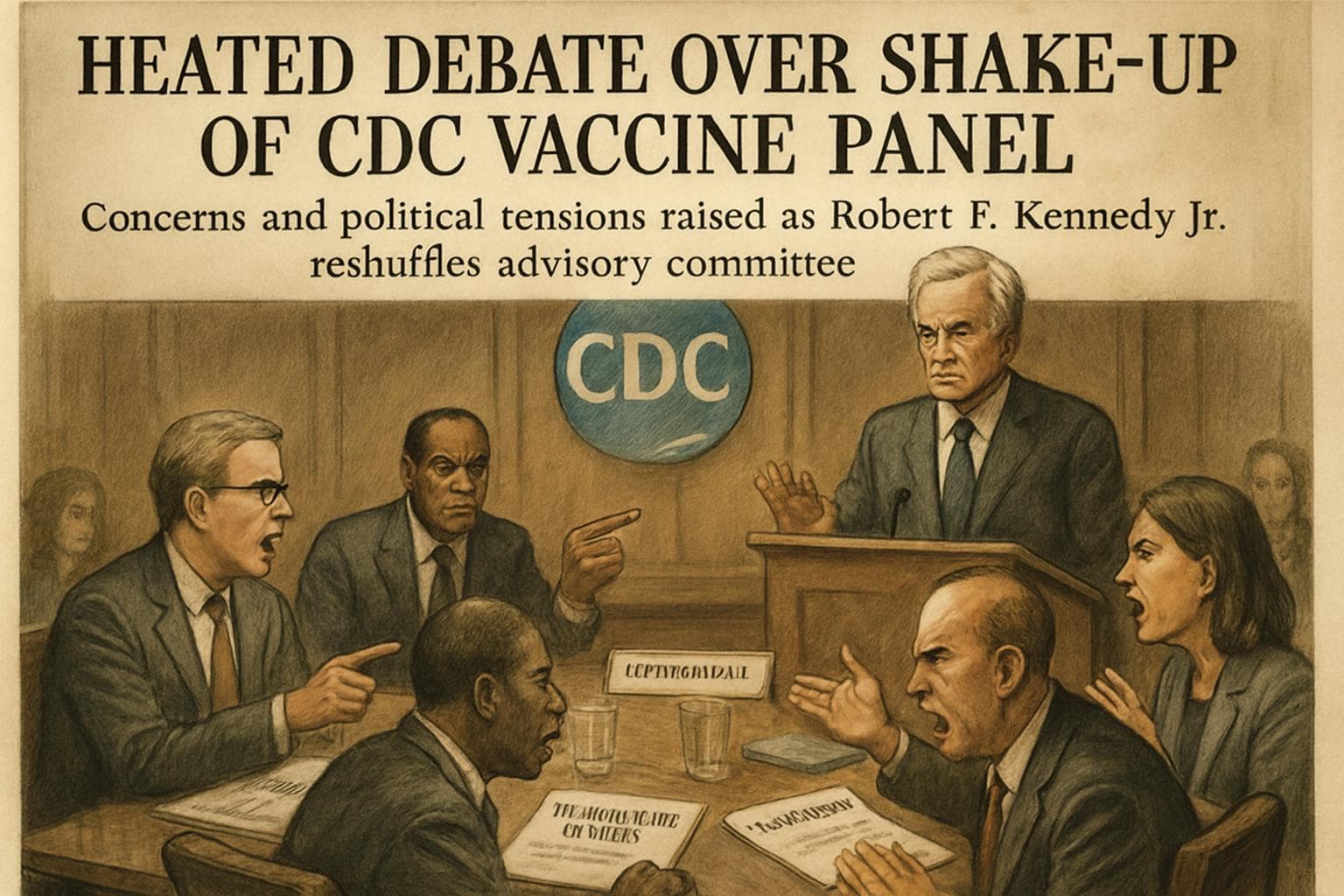
The recent overhaul of the CDC's vaccine advisory committee by US Health Secretary Robert F Kennedy Jr has ignited a firestorm of debate and concern within the public health community. The newly appointed panel, led by Dr. Martin Kulldorff, convened for the first time amid widespread skepticism about its members' qualifications and intentions.
Controversial Appointments and Withdrawals
On June 9, Kennedy dismissed all 17 members of the Advisory Committee on Immunization Practices (ACIP), citing conflicts of interest as the reason for their removal. He then appointed eight new members, including Dr. Michael Ross, who later withdrew due to a conflict of interest related to his financial holdings in private healthcare companies. This move has raised questions about the transparency and ethics of the appointment process.
Reevaluation of Vaccine Policies
The new panel has announced plans to scrutinize long-standing childhood immunization schedules and vaccines approved over seven years ago. This decision has alarmed public health experts, who argue that it undermines the established vaccine approval process. Dr. Kulldorff, who was dismissed from Harvard University for refusing a COVID-19 vaccine, defended the panel's approach, stating that critical scientific inquiry should not be stifled by labels of being pro- or anti-vaccine.
Political Fallout and Public Trust
The shake-up has not only caused ripples within the scientific community but also led to a contentious House hearing where Kennedy was grilled over his vaccine policies and alleged healthcare fraud. Accusations of dishonesty and conflicts of interest flew as lawmakers questioned Kennedy's ability to lead the nation's health agencies effectively. Representative Kim Schrier accused Kennedy of lying to Congress about his intentions to overhaul the vaccine panel, further straining his relationship with lawmakers.
Implications for Public Health
The ACIP's recommendations are crucial as they guide the CDC's vaccine policies, which in turn influence insurance coverage and vaccine availability. The current turmoil has prompted concerns about the potential erosion of public trust in these recommendations. Experts warn that if the situation persists, it could lead to a significant disruption in the nation's vaccine distribution and approval systems.
WHAT THIS MIGHT MEAN
The ongoing controversy surrounding RFK Jr's vaccine panel could have far-reaching implications for public health policy in the United States. If the new panel's reviews lead to changes in established immunization schedules, it may result in increased vaccine hesitancy and a decline in vaccination rates. This could potentially reverse decades of progress in controlling vaccine-preventable diseases.
Politically, Kennedy's actions have deepened divisions within Congress, with both Democrats and some Republicans expressing concerns over his leadership. The outcome of this situation may influence future legislative actions aimed at safeguarding the integrity of public health institutions.
As the panel continues its work, the scientific community and policymakers will be closely watching to see if Kennedy's approach will lead to meaningful reforms or further chaos in the nation's vaccine policy infrastructure.
Related Articles
DHS Spokesperson Tricia McLaughlin to Depart Amidst Immigration Policy Controversy
US Homeland Security Shutdown Sparks Concerns Over Travel Delays and Immigration Reforms
Gail Slater's Resignation Sparks Concerns Over US Antitrust Enforcement
Epstein Survivors Demand Full Disclosure of Files Amid DOJ Scrutiny
Trump Seeks $1 Billion in Damages from Harvard Amid Antisemitism Allegations
US Government Shutdown Standoff Delays Key Jobs Report
RFK Jr's Vaccine Panel Shake-Up Sparks Controversy and Political Tensions
In This Article
 Ethan Brooks| Published
 HIGHLIGHTS
- RFK Jr's overhaul of the CDC's vaccine advisory committee has sparked controversy, with all 17 previous members replaced by new appointees.
- The new panel, led by Dr. Martin Kulldorff, plans to review long-standing childhood immunization schedules, raising concerns among public health experts.
- Dr. Michael Ross withdrew from the panel due to a conflict of interest, highlighting transparency issues in the appointment process.
- RFK Jr faced intense scrutiny in a House hearing over his vaccine policies and alleged healthcare fraud, deepening political divides.
- The panel's decisions could significantly impact vaccine recommendations and public trust in the CDC's guidance.
The recent overhaul of the CDC's vaccine advisory committee by US Health Secretary Robert F Kennedy Jr has ignited a firestorm of debate and concern within the public health community. The newly appointed panel, led by Dr. Martin Kulldorff, convened for the first time amid widespread skepticism about its members' qualifications and intentions.
Controversial Appointments and Withdrawals
On June 9, Kennedy dismissed all 17 members of the Advisory Committee on Immunization Practices (ACIP), citing conflicts of interest as the reason for their removal. He then appointed eight new members, including Dr. Michael Ross, who later withdrew due to a conflict of interest related to his financial holdings in private healthcare companies. This move has raised questions about the transparency and ethics of the appointment process.
Reevaluation of Vaccine Policies
The new panel has announced plans to scrutinize long-standing childhood immunization schedules and vaccines approved over seven years ago. This decision has alarmed public health experts, who argue that it undermines the established vaccine approval process. Dr. Kulldorff, who was dismissed from Harvard University for refusing a COVID-19 vaccine, defended the panel's approach, stating that critical scientific inquiry should not be stifled by labels of being pro- or anti-vaccine.
Political Fallout and Public Trust
The shake-up has not only caused ripples within the scientific community but also led to a contentious House hearing where Kennedy was grilled over his vaccine policies and alleged healthcare fraud. Accusations of dishonesty and conflicts of interest flew as lawmakers questioned Kennedy's ability to lead the nation's health agencies effectively. Representative Kim Schrier accused Kennedy of lying to Congress about his intentions to overhaul the vaccine panel, further straining his relationship with lawmakers.
Implications for Public Health
The ACIP's recommendations are crucial as they guide the CDC's vaccine policies, which in turn influence insurance coverage and vaccine availability. The current turmoil has prompted concerns about the potential erosion of public trust in these recommendations. Experts warn that if the situation persists, it could lead to a significant disruption in the nation's vaccine distribution and approval systems.
WHAT THIS MIGHT MEAN
The ongoing controversy surrounding RFK Jr's vaccine panel could have far-reaching implications for public health policy in the United States. If the new panel's reviews lead to changes in established immunization schedules, it may result in increased vaccine hesitancy and a decline in vaccination rates. This could potentially reverse decades of progress in controlling vaccine-preventable diseases.
Politically, Kennedy's actions have deepened divisions within Congress, with both Democrats and some Republicans expressing concerns over his leadership. The outcome of this situation may influence future legislative actions aimed at safeguarding the integrity of public health institutions.
As the panel continues its work, the scientific community and policymakers will be closely watching to see if Kennedy's approach will lead to meaningful reforms or further chaos in the nation's vaccine policy infrastructure.
Related Articles
DHS Spokesperson Tricia McLaughlin to Depart Amidst Immigration Policy Controversy
US Homeland Security Shutdown Sparks Concerns Over Travel Delays and Immigration Reforms
Gail Slater's Resignation Sparks Concerns Over US Antitrust Enforcement
Epstein Survivors Demand Full Disclosure of Files Amid DOJ Scrutiny
Trump Seeks $1 Billion in Damages from Harvard Amid Antisemitism Allegations
US Government Shutdown Standoff Delays Key Jobs Report