
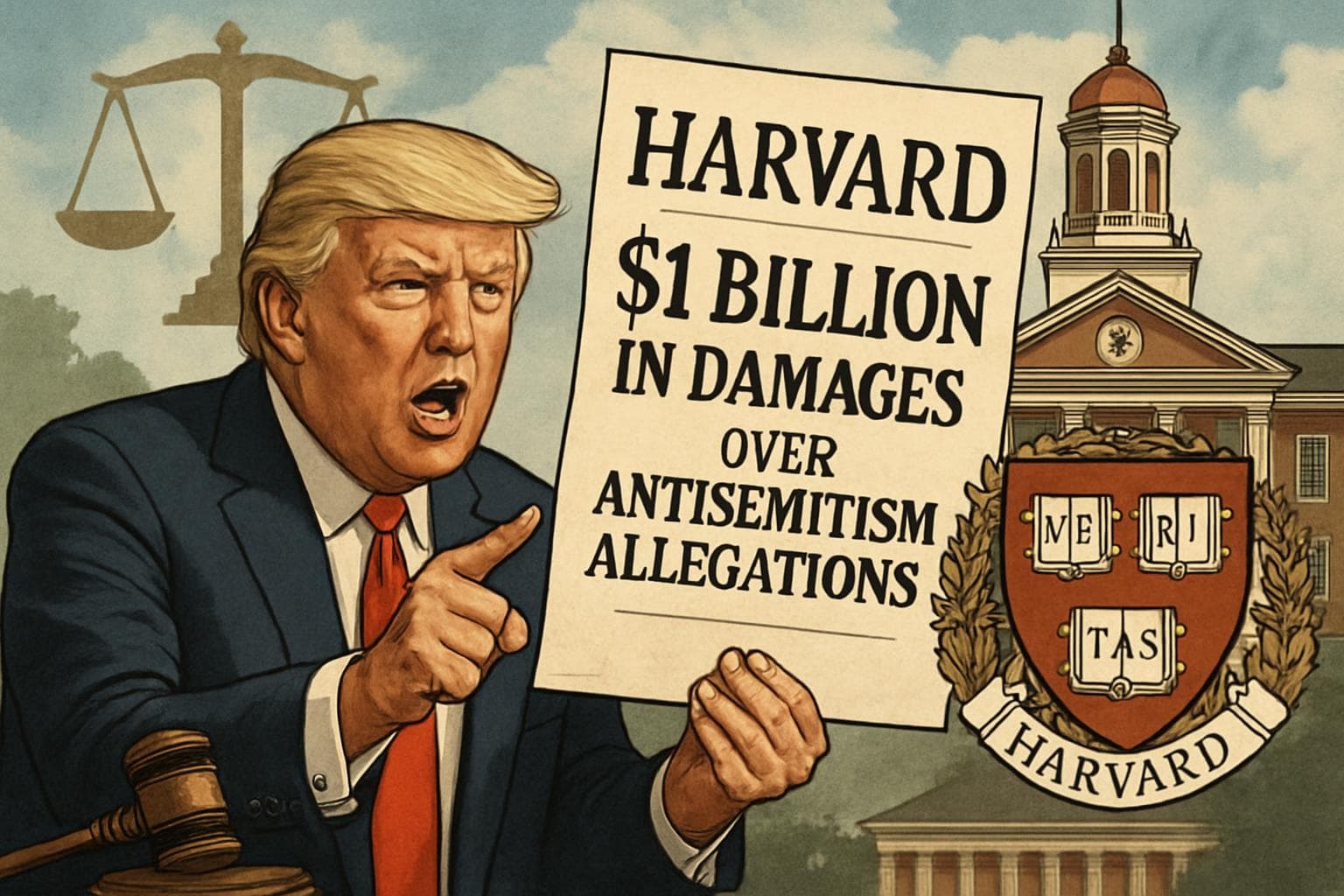
Trump Seeks $1 Billion in Damages from Harvard Amid Antisemitism Allegations
In This Article
HIGHLIGHTS
- Donald Trump is seeking $1 billion in damages from Harvard University, escalating a long-standing dispute over alleged antisemitism.
- Trump accused Harvard of failing to address antisemitism and criticized its president, Alan Garber, for poor management.
- The Trump administration previously attempted to revoke $2.2 billion in research grants, which a federal court overturned.
- Harvard has denied the accusations and emphasized its commitment to combating antisemitism and upholding academic freedom.
- Trump has also threatened other Ivy League universities with funding cuts unless they align with his administration's policies.
In a dramatic escalation of tensions between Donald Trump and Harvard University, the former president announced his administration's intention to seek $1 billion in damages from the Ivy League institution. This move marks the latest chapter in a protracted conflict over allegations of antisemitism on campus, which Trump claims Harvard has inadequately addressed.
Allegations and Accusations
Trump took to his social media platform, Truth Social, late Monday to accuse Harvard of being "strongly antisemitic" and criticized its president, Alan Garber, for failing to rectify the situation. The administration's demand for damages follows a report by the New York Times indicating that Trump had previously dropped a $200 million settlement demand. Trump accused Harvard of disseminating "nonsense" to the media and declared his administration's intent to sever future ties with the university.
Legal and Financial Battles
The dispute with Harvard is part of a broader campaign by Trump against what he perceives as "radical left" ideologies in American higher education. Last year, the Trump administration attempted to revoke $2.2 billion in federal research grants to Harvard, a decision later overturned by a federal court. The court ruled that the administration's actions violated the university's free speech rights. Despite this setback, Trump has continued to challenge Harvard's funding eligibility and has threatened to revoke its tax-exempt status.
Harvard's Response and Commitment
Harvard has consistently denied the allegations of antisemitism and emphasized its dedication to combating hate. In a statement last April, President Garber, himself Jewish, underscored the university's commitment to addressing antisemitism with "understanding, intention, and vigilance." He asserted that Harvard would not compromise its independence or constitutional rights in the face of political pressure.
Broader Implications for Higher Education
Trump's actions have not been limited to Harvard. Other Ivy League institutions, including Columbia, Penn, and Brown, have faced similar threats from the administration. These universities opted to negotiate settlements to preserve their funding rather than engage in protracted legal battles.
WHAT THIS MIGHT MEAN
The ongoing legal and political skirmish between Trump and Harvard could have significant implications for academic freedom and federal funding policies. Should Trump's administration succeed in its $1 billion damages claim, it may set a precedent for increased governmental intervention in university affairs. Legal experts suggest that such a development could embolden future administrations to impose ideological conformity on educational institutions. Meanwhile, Harvard's steadfast defense of its autonomy may inspire other universities to resist political pressures, reinforcing the importance of academic independence in the face of external challenges.
Related Articles

Greenland Politely Declines Trump's Hospital Ship Offer Amid Healthcare Debate
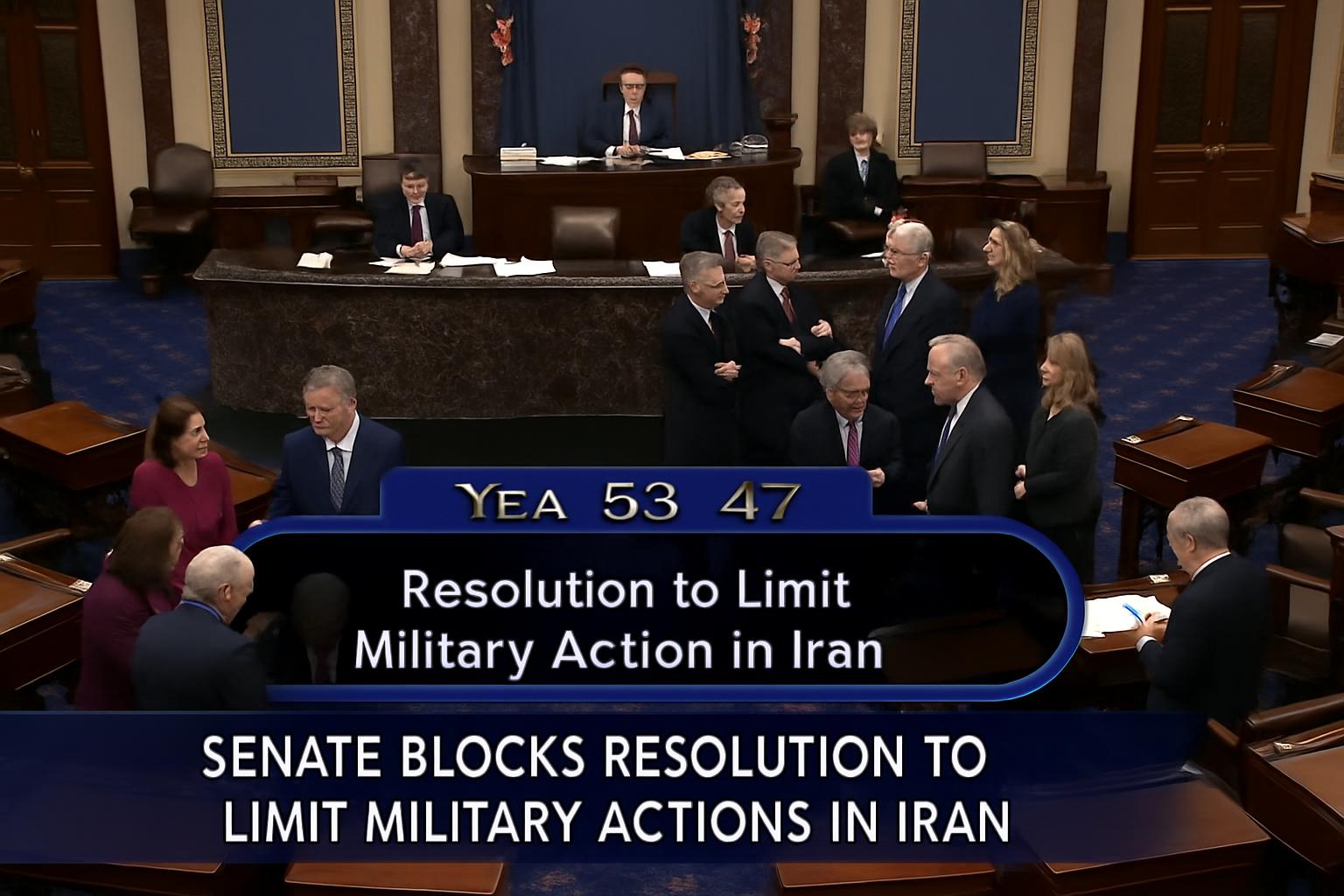
Senate Blocks Resolution to Limit Trump's Military Actions in Iran
Spain's Sánchez Stands Firm Against Trump's Trade Threat Over Iran Stance

US-Iran Tensions Escalate Amid Renewed Nuclear Talks and Protests
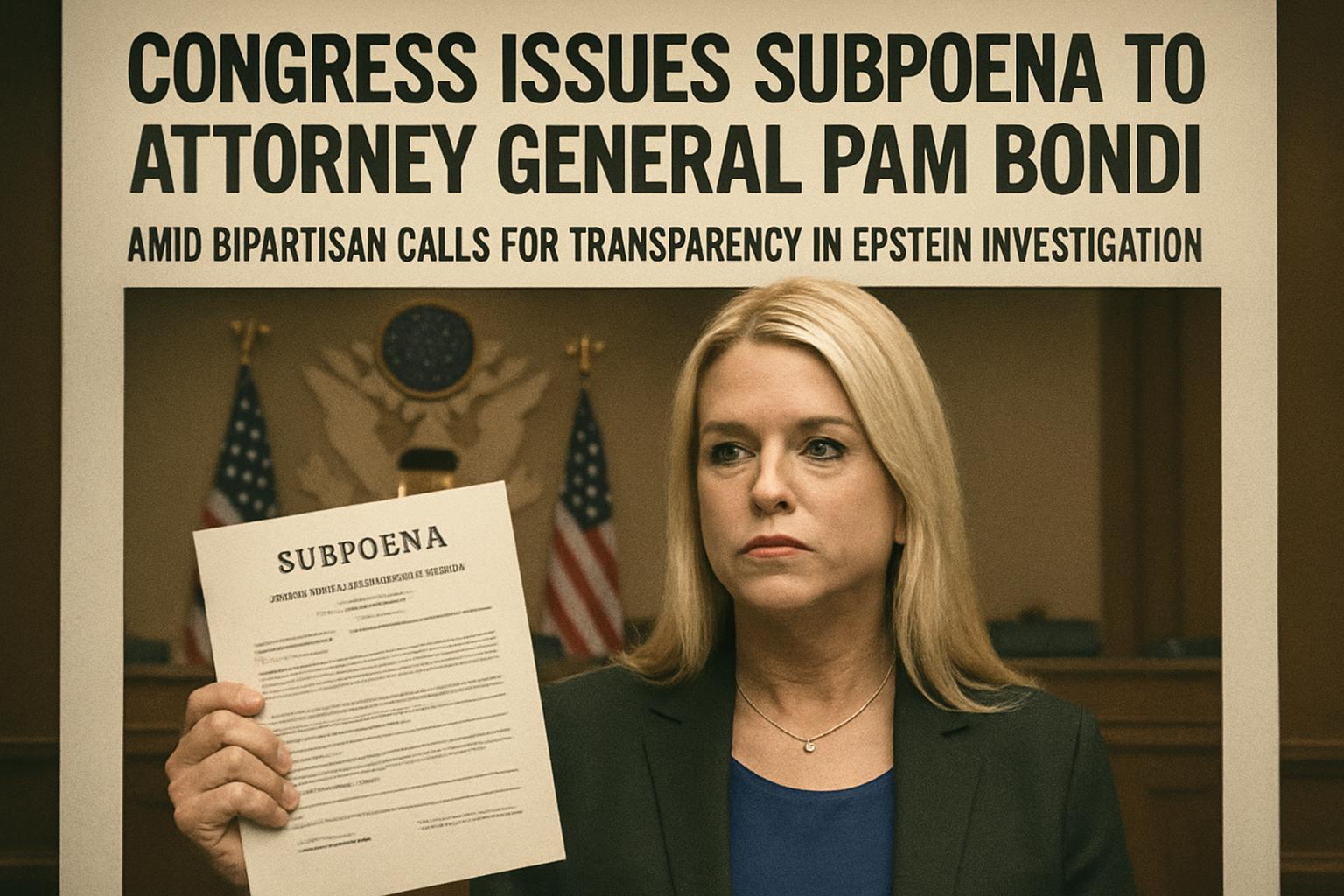
Congress Subpoenas Attorney General Bondi in Epstein Investigation

UK-Iran Tensions: Starmer Defends Cautious Approach Amid Trump Criticism
Trump Seeks $1 Billion in Damages from Harvard Amid Antisemitism Allegations
In This Article
 Ethan Brooks| Published
 HIGHLIGHTS
- Donald Trump is seeking $1 billion in damages from Harvard University, escalating a long-standing dispute over alleged antisemitism.
- Trump accused Harvard of failing to address antisemitism and criticized its president, Alan Garber, for poor management.
- The Trump administration previously attempted to revoke $2.2 billion in research grants, which a federal court overturned.
- Harvard has denied the accusations and emphasized its commitment to combating antisemitism and upholding academic freedom.
- Trump has also threatened other Ivy League universities with funding cuts unless they align with his administration's policies.
In a dramatic escalation of tensions between Donald Trump and Harvard University, the former president announced his administration's intention to seek $1 billion in damages from the Ivy League institution. This move marks the latest chapter in a protracted conflict over allegations of antisemitism on campus, which Trump claims Harvard has inadequately addressed.
Allegations and Accusations
Trump took to his social media platform, Truth Social, late Monday to accuse Harvard of being "strongly antisemitic" and criticized its president, Alan Garber, for failing to rectify the situation. The administration's demand for damages follows a report by the New York Times indicating that Trump had previously dropped a $200 million settlement demand. Trump accused Harvard of disseminating "nonsense" to the media and declared his administration's intent to sever future ties with the university.
Legal and Financial Battles
The dispute with Harvard is part of a broader campaign by Trump against what he perceives as "radical left" ideologies in American higher education. Last year, the Trump administration attempted to revoke $2.2 billion in federal research grants to Harvard, a decision later overturned by a federal court. The court ruled that the administration's actions violated the university's free speech rights. Despite this setback, Trump has continued to challenge Harvard's funding eligibility and has threatened to revoke its tax-exempt status.
Harvard's Response and Commitment
Harvard has consistently denied the allegations of antisemitism and emphasized its dedication to combating hate. In a statement last April, President Garber, himself Jewish, underscored the university's commitment to addressing antisemitism with "understanding, intention, and vigilance." He asserted that Harvard would not compromise its independence or constitutional rights in the face of political pressure.
Broader Implications for Higher Education
Trump's actions have not been limited to Harvard. Other Ivy League institutions, including Columbia, Penn, and Brown, have faced similar threats from the administration. These universities opted to negotiate settlements to preserve their funding rather than engage in protracted legal battles.
WHAT THIS MIGHT MEAN
The ongoing legal and political skirmish between Trump and Harvard could have significant implications for academic freedom and federal funding policies. Should Trump's administration succeed in its $1 billion damages claim, it may set a precedent for increased governmental intervention in university affairs. Legal experts suggest that such a development could embolden future administrations to impose ideological conformity on educational institutions. Meanwhile, Harvard's steadfast defense of its autonomy may inspire other universities to resist political pressures, reinforcing the importance of academic independence in the face of external challenges.
Related Articles
Greenland Politely Declines Trump's Hospital Ship Offer Amid Healthcare Debate
Senate Blocks Resolution to Limit Trump's Military Actions in Iran
Spain's Sánchez Stands Firm Against Trump's Trade Threat Over Iran Stance
US-Iran Tensions Escalate Amid Renewed Nuclear Talks and Protests
Congress Subpoenas Attorney General Bondi in Epstein Investigation
UK-Iran Tensions: Starmer Defends Cautious Approach Amid Trump Criticism