
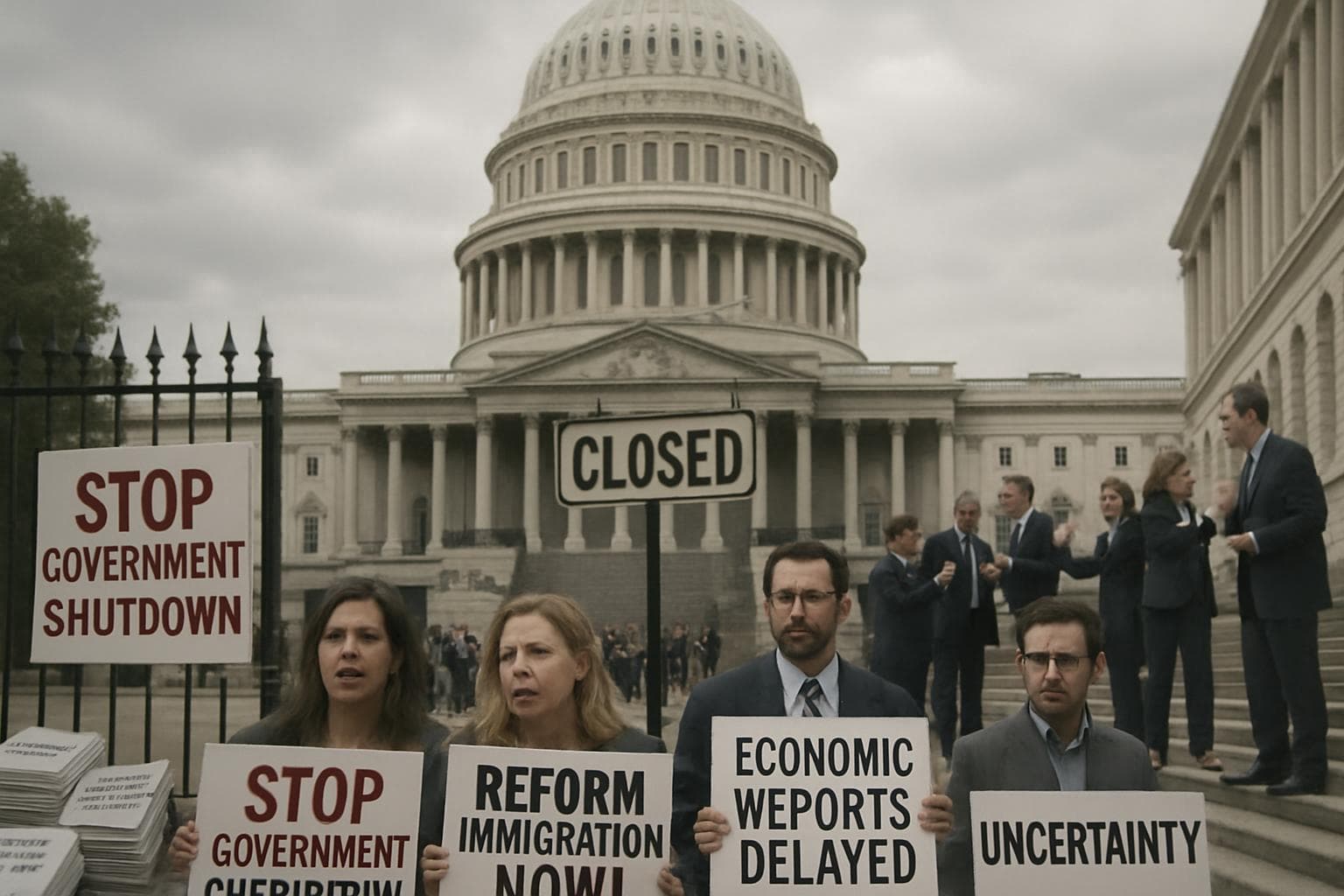
US Government Shutdown Standoff Delays Key Jobs Report
In This Article
HIGHLIGHTS
- The US government is experiencing a partial shutdown due to a funding standoff, now in its third day.
- Senate Democrats demand immigration reforms, including ICE restrictions, as part of any funding agreement.
- The Senate passed a package funding several federal agencies but only a temporary measure for the Department of Homeland Security (DHS).
- The shutdown has delayed the Bureau of Labor Statistics' January 2026 jobs report, crucial for economic insights.
- House Republicans claim they have enough votes to pass the funding measures by Tuesday, despite Democratic opposition.
The United States is grappling with a partial government shutdown, now entering its third day, as a funding impasse continues in Congress. The deadlock stems from disagreements over immigration reforms, particularly concerning the Department of Homeland Security (DHS) and Immigration and Customs Enforcement (ICE) operations.
Senate Approves Partial Funding
Last Thursday, the Senate approved a package of five spending bills to fund various federal agencies, including defense and health departments, through the end of the 2026 fiscal year. However, a sixth bill for the DHS was only granted a two-week extension, allowing more time to negotiate long-term budgetary disputes. The package now awaits approval from the House of Representatives before reaching President Donald Trump for signature.
Immigration Reforms at the Forefront
Democrats are pushing for significant changes to immigration enforcement, such as mandating body cameras for ICE agents. California Representative Ro Khanna has voiced strong opposition to the DHS stopgap funding, citing concerns over ICE's operations. Meanwhile, Republican leaders, including House Speaker Mike Johnson, express confidence in passing the necessary bills soon, despite a narrow majority and potential weather-related voting delays.
Economic Impact: Jobs Report Delayed
The shutdown has already impacted government services, notably delaying the Bureau of Labor Statistics' January 2026 jobs report. Originally set for release on February 6, the report's postponement adds uncertainty to an already sluggish job market, which saw only 584,000 jobs added in 2025. The delay hinders economic analysis crucial for policymakers and investors.
Public and Political Reactions
Public protests have erupted in Minneapolis against the Trump administration's immigration policies, reflecting widespread discontent. President Trump has urged Congress to expedite the funding process, emphasizing the need to avoid prolonged disruptions.
WHAT THIS MIGHT MEAN
As the shutdown persists, the political and economic ramifications could intensify. If the House fails to pass the funding measures, federal operations may face further disruptions, affecting services and delaying critical economic data. The ongoing standoff highlights deep divisions over immigration policy, with potential long-term implications for ICE operations and DHS funding. Experts suggest that a resolution may require significant concessions from both parties, particularly on immigration reforms, to prevent further governmental and economic instability.
Related Articles
Senate Blocks Resolution to Limit Trump's Military Actions in Iran
Congress Subpoenas Attorney General Bondi in Epstein Investigation

Spain's Sánchez Stands Firm Against Trump's Trade Threat Over Iran Stance

Iran Postpones Khamenei Funeral Amid Escalating US-Israeli Strikes
Trump's New Tariff Strategy Sparks Global Trade Uncertainty
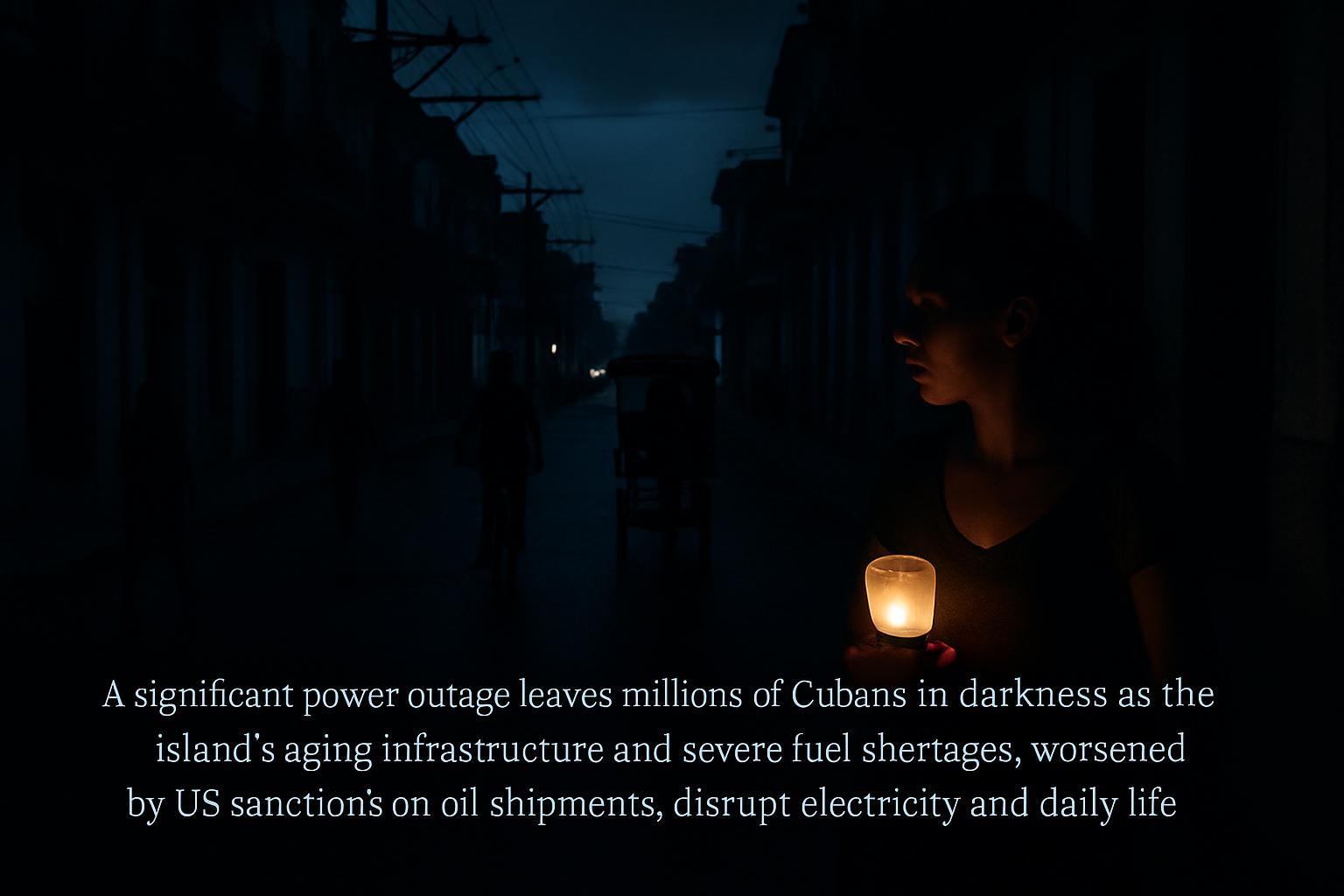
Cuba Faces Widespread Blackout Amid Deepening Fuel Crisis
US Government Shutdown Standoff Delays Key Jobs Report
In This Article
 Ethan Brooks| Published
 HIGHLIGHTS
- The US government is experiencing a partial shutdown due to a funding standoff, now in its third day.
- Senate Democrats demand immigration reforms, including ICE restrictions, as part of any funding agreement.
- The Senate passed a package funding several federal agencies but only a temporary measure for the Department of Homeland Security (DHS).
- The shutdown has delayed the Bureau of Labor Statistics' January 2026 jobs report, crucial for economic insights.
- House Republicans claim they have enough votes to pass the funding measures by Tuesday, despite Democratic opposition.
The United States is grappling with a partial government shutdown, now entering its third day, as a funding impasse continues in Congress. The deadlock stems from disagreements over immigration reforms, particularly concerning the Department of Homeland Security (DHS) and Immigration and Customs Enforcement (ICE) operations.
Senate Approves Partial Funding
Last Thursday, the Senate approved a package of five spending bills to fund various federal agencies, including defense and health departments, through the end of the 2026 fiscal year. However, a sixth bill for the DHS was only granted a two-week extension, allowing more time to negotiate long-term budgetary disputes. The package now awaits approval from the House of Representatives before reaching President Donald Trump for signature.
Immigration Reforms at the Forefront
Democrats are pushing for significant changes to immigration enforcement, such as mandating body cameras for ICE agents. California Representative Ro Khanna has voiced strong opposition to the DHS stopgap funding, citing concerns over ICE's operations. Meanwhile, Republican leaders, including House Speaker Mike Johnson, express confidence in passing the necessary bills soon, despite a narrow majority and potential weather-related voting delays.
Economic Impact: Jobs Report Delayed
The shutdown has already impacted government services, notably delaying the Bureau of Labor Statistics' January 2026 jobs report. Originally set for release on February 6, the report's postponement adds uncertainty to an already sluggish job market, which saw only 584,000 jobs added in 2025. The delay hinders economic analysis crucial for policymakers and investors.
Public and Political Reactions
Public protests have erupted in Minneapolis against the Trump administration's immigration policies, reflecting widespread discontent. President Trump has urged Congress to expedite the funding process, emphasizing the need to avoid prolonged disruptions.
WHAT THIS MIGHT MEAN
As the shutdown persists, the political and economic ramifications could intensify. If the House fails to pass the funding measures, federal operations may face further disruptions, affecting services and delaying critical economic data. The ongoing standoff highlights deep divisions over immigration policy, with potential long-term implications for ICE operations and DHS funding. Experts suggest that a resolution may require significant concessions from both parties, particularly on immigration reforms, to prevent further governmental and economic instability.
Related Articles
Senate Blocks Resolution to Limit Trump's Military Actions in Iran
Congress Subpoenas Attorney General Bondi in Epstein Investigation
Spain's Sánchez Stands Firm Against Trump's Trade Threat Over Iran Stance
Iran Postpones Khamenei Funeral Amid Escalating US-Israeli Strikes
Trump's New Tariff Strategy Sparks Global Trade Uncertainty
Cuba Faces Widespread Blackout Amid Deepening Fuel Crisis