
Gail Slater's Resignation Sparks Concerns Over US Antitrust Enforcement
In This Article
HIGHLIGHTS
- Gail Slater, head of the US DOJ's antitrust division, resigned amid tensions with Trump officials, sparking concerns about antitrust enforcement.
- Slater's departure follows disagreements with Attorney General Pam Bondi over the division's direction and management.
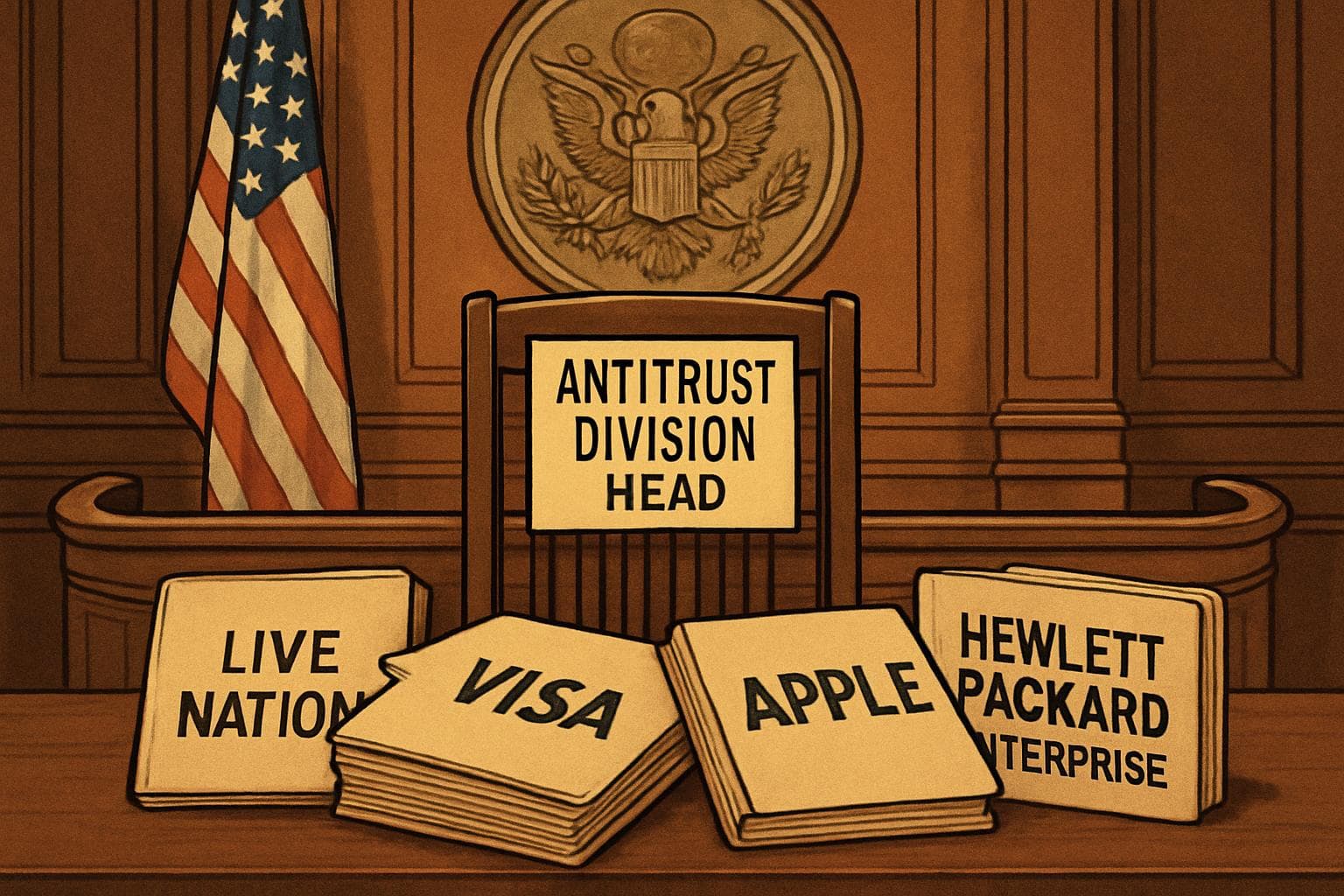
- The resignation raises questions about ongoing antitrust cases against major firms like Live Nation, Visa, and Apple.
- Slater opposed a $14bn merger between Hewlett Packard Enterprise and Juniper Networks, citing potential market concentration.
- Former DOJ officials and lawmakers have expressed alarm over perceived political interference in antitrust decisions.
Gail Slater, the head of the US Department of Justice's antitrust division, has resigned, igniting debates over the Trump administration's commitment to antitrust enforcement. Slater, who was appointed by President Donald Trump, announced her departure on social media, citing "great sadness and abiding hope" as she left her role.
Leadership Turmoil and Political Tensions
Slater's resignation follows a series of leadership changes within the antitrust division, raising concerns about the future of high-profile cases against companies such as Live Nation, Visa, and Apple. Her departure is the latest in a string of exits that have highlighted tensions between antitrust officials and senior Trump administration figures. Attorney General Pam Bondi, who reportedly had irreconcilable differences with Slater, expressed gratitude for her service but did not comment on the circumstances of her resignation.
Controversial Merger Decisions
A significant point of contention was Slater's opposition to the $14 billion merger between Hewlett Packard Enterprise and Juniper Networks. Slater argued that the merger could create a duopoly in the cloud-computing and wireless-networking sectors. Despite her concerns, the DOJ ultimately dropped the lawsuit challenging the merger, opting instead for a settlement. This decision has fueled accusations of political interference, with some alleging that senior officials overruled antitrust leaders under the influence of lobbyists.
Implications for Antitrust Enforcement
Slater's resignation has prompted calls for an investigation into the DOJ's handling of antitrust cases. Senator Elizabeth Warren described the situation as "corruption," urging Congress to hold the Trump administration accountable. Former DOJ officials have also voiced concerns about the administration's approach to corporate mergers, suggesting that it may undermine efforts to protect consumers and promote competition.
WHAT THIS MIGHT MEAN
The resignation of Gail Slater could have significant implications for the future of antitrust enforcement in the United States. With ongoing cases against major corporations, the leadership vacuum may lead to delays or changes in strategy. The appointment of a new head for the antitrust division will be crucial in determining the direction of future enforcement actions.
Politically, the situation may intensify scrutiny of the Trump administration's handling of antitrust issues, potentially leading to congressional inquiries. If allegations of political interference are substantiated, it could result in legislative efforts to strengthen the independence of the DOJ's antitrust division.
Experts suggest that the outcome of this leadership change will be closely watched by both industry stakeholders and consumer advocates, as it may set a precedent for how antitrust laws are enforced in the coming years.
Related Articles
Congress Subpoenas Attorney General Bondi in Epstein Investigation
Senate Blocks Resolution to Limit Trump's Military Actions in Iran

Spain's Sánchez Stands Firm Against Trump's Trade Threat Over Iran Stance

US-Iran Tensions Escalate Amid Renewed Nuclear Talks and Protests

Greenland Politely Declines Trump's Hospital Ship Offer Amid Healthcare Debate

UK-Iran Tensions: Starmer Defends Cautious Approach Amid Trump Criticism
Gail Slater's Resignation Sparks Concerns Over US Antitrust Enforcement
In This Article
 Ethan Brooks| Published
 HIGHLIGHTS
- Gail Slater, head of the US DOJ's antitrust division, resigned amid tensions with Trump officials, sparking concerns about antitrust enforcement.
- Slater's departure follows disagreements with Attorney General Pam Bondi over the division's direction and management.
- The resignation raises questions about ongoing antitrust cases against major firms like Live Nation, Visa, and Apple.
- Slater opposed a $14bn merger between Hewlett Packard Enterprise and Juniper Networks, citing potential market concentration.
- Former DOJ officials and lawmakers have expressed alarm over perceived political interference in antitrust decisions.
Gail Slater, the head of the US Department of Justice's antitrust division, has resigned, igniting debates over the Trump administration's commitment to antitrust enforcement. Slater, who was appointed by President Donald Trump, announced her departure on social media, citing "great sadness and abiding hope" as she left her role.
Leadership Turmoil and Political Tensions
Slater's resignation follows a series of leadership changes within the antitrust division, raising concerns about the future of high-profile cases against companies such as Live Nation, Visa, and Apple. Her departure is the latest in a string of exits that have highlighted tensions between antitrust officials and senior Trump administration figures. Attorney General Pam Bondi, who reportedly had irreconcilable differences with Slater, expressed gratitude for her service but did not comment on the circumstances of her resignation.
Controversial Merger Decisions
A significant point of contention was Slater's opposition to the $14 billion merger between Hewlett Packard Enterprise and Juniper Networks. Slater argued that the merger could create a duopoly in the cloud-computing and wireless-networking sectors. Despite her concerns, the DOJ ultimately dropped the lawsuit challenging the merger, opting instead for a settlement. This decision has fueled accusations of political interference, with some alleging that senior officials overruled antitrust leaders under the influence of lobbyists.
Implications for Antitrust Enforcement
Slater's resignation has prompted calls for an investigation into the DOJ's handling of antitrust cases. Senator Elizabeth Warren described the situation as "corruption," urging Congress to hold the Trump administration accountable. Former DOJ officials have also voiced concerns about the administration's approach to corporate mergers, suggesting that it may undermine efforts to protect consumers and promote competition.
WHAT THIS MIGHT MEAN
The resignation of Gail Slater could have significant implications for the future of antitrust enforcement in the United States. With ongoing cases against major corporations, the leadership vacuum may lead to delays or changes in strategy. The appointment of a new head for the antitrust division will be crucial in determining the direction of future enforcement actions.
Politically, the situation may intensify scrutiny of the Trump administration's handling of antitrust issues, potentially leading to congressional inquiries. If allegations of political interference are substantiated, it could result in legislative efforts to strengthen the independence of the DOJ's antitrust division.
Experts suggest that the outcome of this leadership change will be closely watched by both industry stakeholders and consumer advocates, as it may set a precedent for how antitrust laws are enforced in the coming years.
Related Articles
Congress Subpoenas Attorney General Bondi in Epstein Investigation
Senate Blocks Resolution to Limit Trump's Military Actions in Iran
Spain's Sánchez Stands Firm Against Trump's Trade Threat Over Iran Stance
US-Iran Tensions Escalate Amid Renewed Nuclear Talks and Protests
Greenland Politely Declines Trump's Hospital Ship Offer Amid Healthcare Debate
UK-Iran Tensions: Starmer Defends Cautious Approach Amid Trump Criticism