
New US Dietary Guidelines Advocate for Whole Foods and Protein
In This Article
HIGHLIGHTS
- The new US dietary guidelines emphasize increased protein intake and reduced consumption of processed foods and added sugars.
- Released by Health Secretary Robert F Kennedy Jr, the guidelines suggest three servings of full-fat dairy daily and loosen alcohol restrictions.
- The guidelines are part of Kennedy's "Make America Healthy Again" agenda, focusing on whole foods and minimal processing.
- Experts have mixed reactions, with some praising the focus on reducing processed foods, while others criticize the endorsement of red meat and full-fat dairy.
- The guidelines introduce a new food pyramid, prioritizing meats and vegetables, and suggest using oils like olive oil over seed oils.
In a significant shift in nutritional policy, the US government has unveiled new dietary guidelines that prioritize whole foods and increased protein intake while advising against processed foods and added sugars. Announced by Health Secretary Robert F Kennedy Jr at a White House briefing, these guidelines are part of the "Make America Healthy Again" initiative, aiming to combat chronic diseases through dietary changes.
Emphasis on Protein and Whole Foods
The updated guidelines, released jointly by the Department of Agriculture and the Department of Health and Human Services, recommend Americans consume more protein and full-fat dairy products. This marks a departure from previous advice that favored low-fat dairy to limit saturated fat intake. "My message is clear: eat real food," Kennedy stated, underscoring the focus on minimally processed foods.
Changes in Alcohol and Fat Consumption
The guidelines also revise alcohol consumption advice, suggesting Americans drink less for better health without specifying daily limits. Additionally, while olive oil is recommended for its essential fatty acids, beef tallow is also suggested as an alternative, reflecting Kennedy's personal preferences.
Mixed Reactions from Experts
The new dietary recommendations have sparked diverse reactions from health experts. The American Medical Association welcomed the focus on reducing processed foods, which are linked to chronic illnesses like heart disease and diabetes. However, some nutritionists, including former NYU professor Marion Nestle, criticized the emphasis on protein and full-fat dairy, arguing it mirrors outdated dietary habits.
A New Visual Framework
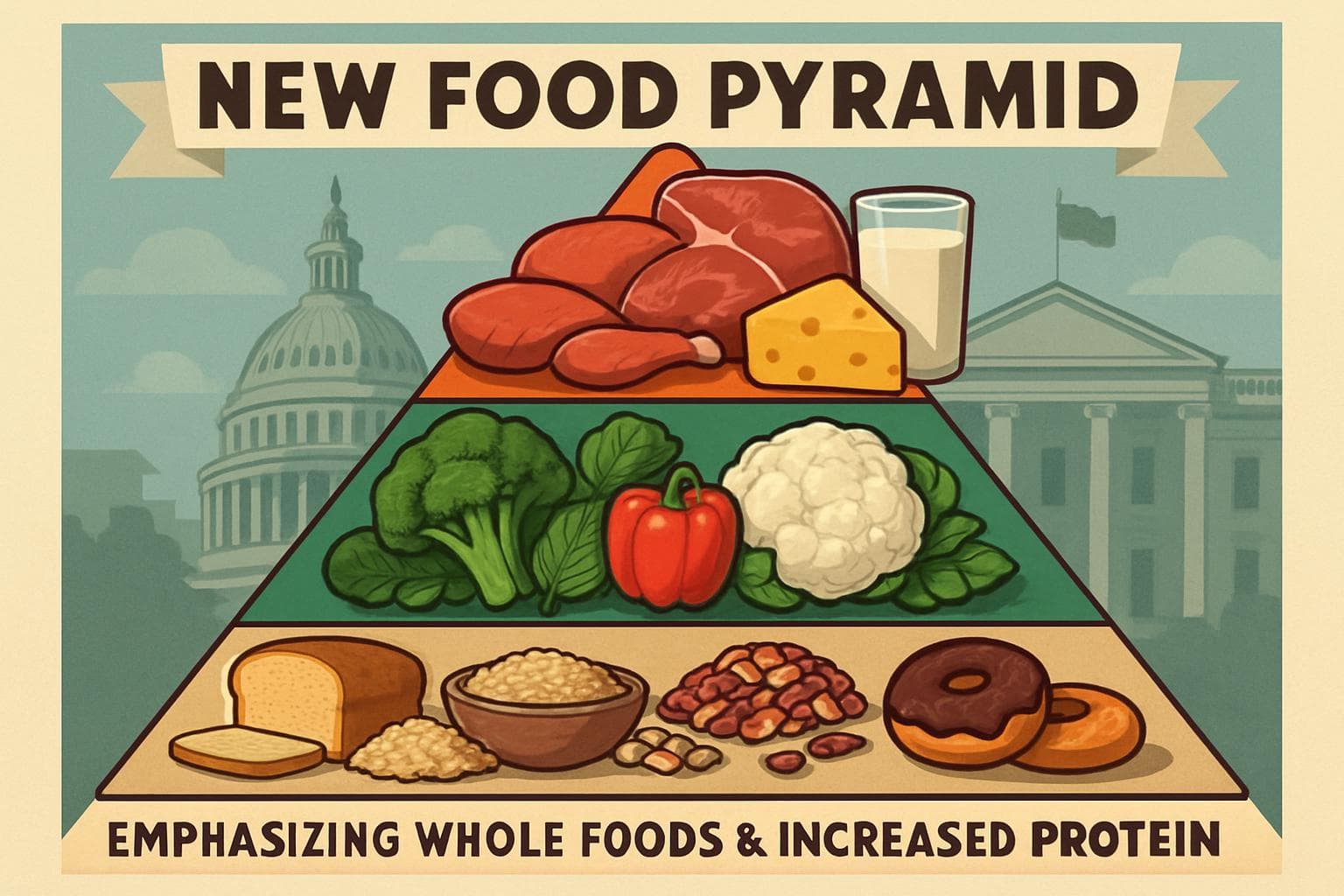
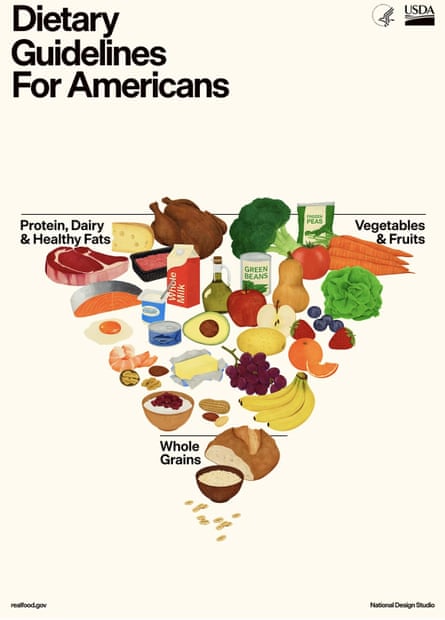
Accompanying the guidelines is a revised food pyramid that places meats and vegetables at the top, reversing the traditional model. This visual change aims to simplify dietary choices and align with the administration's health goals.
WHAT THIS MIGHT MEAN
The release of these new dietary guidelines could have far-reaching implications for public health and nutrition policy in the United States. By promoting whole foods and reducing processed food intake, the guidelines may help curb the rising rates of obesity and related chronic diseases. However, the endorsement of full-fat dairy and red meat could spark debates among nutritionists and health advocates, potentially influencing future revisions. As these guidelines form the basis for federal nutrition programs, including school meals, their impact on dietary habits could be significant, shaping the nation's health landscape for years to come.
Images from the Web
Related Articles

Tech Giants Pledge to Cover AI Data Center Energy Costs Amid Rising Electricity Concerns

Spain's Sánchez Stands Firm Against Trump's Trade Threat Over Iran Stance

Trump Criticizes Supreme Court After Tariff Ruling, Imposes New Global Tariff

US Supreme Court Ruling on Tariffs Sparks Uncertainty for UK and Global Trade

Trump's Tariff Strategy Faces Supreme Court Setback, Sparks New Trade Policy

US-Iran Tensions Escalate Amid Military Buildup and Diplomatic Talks
New US Dietary Guidelines Advocate for Whole Foods and Protein
In This Article
 Aya Nakamura| Published
 HIGHLIGHTS
- The new US dietary guidelines emphasize increased protein intake and reduced consumption of processed foods and added sugars.
- Released by Health Secretary Robert F Kennedy Jr, the guidelines suggest three servings of full-fat dairy daily and loosen alcohol restrictions.
- The guidelines are part of Kennedy's "Make America Healthy Again" agenda, focusing on whole foods and minimal processing.
- Experts have mixed reactions, with some praising the focus on reducing processed foods, while others criticize the endorsement of red meat and full-fat dairy.
- The guidelines introduce a new food pyramid, prioritizing meats and vegetables, and suggest using oils like olive oil over seed oils.
In a significant shift in nutritional policy, the US government has unveiled new dietary guidelines that prioritize whole foods and increased protein intake while advising against processed foods and added sugars. Announced by Health Secretary Robert F Kennedy Jr at a White House briefing, these guidelines are part of the "Make America Healthy Again" initiative, aiming to combat chronic diseases through dietary changes.
Emphasis on Protein and Whole Foods
The updated guidelines, released jointly by the Department of Agriculture and the Department of Health and Human Services, recommend Americans consume more protein and full-fat dairy products. This marks a departure from previous advice that favored low-fat dairy to limit saturated fat intake. "My message is clear: eat real food," Kennedy stated, underscoring the focus on minimally processed foods.
Changes in Alcohol and Fat Consumption
The guidelines also revise alcohol consumption advice, suggesting Americans drink less for better health without specifying daily limits. Additionally, while olive oil is recommended for its essential fatty acids, beef tallow is also suggested as an alternative, reflecting Kennedy's personal preferences.
Mixed Reactions from Experts
The new dietary recommendations have sparked diverse reactions from health experts. The American Medical Association welcomed the focus on reducing processed foods, which are linked to chronic illnesses like heart disease and diabetes. However, some nutritionists, including former NYU professor Marion Nestle, criticized the emphasis on protein and full-fat dairy, arguing it mirrors outdated dietary habits.
A New Visual Framework
Accompanying the guidelines is a revised food pyramid that places meats and vegetables at the top, reversing the traditional model. This visual change aims to simplify dietary choices and align with the administration's health goals.
WHAT THIS MIGHT MEAN
The release of these new dietary guidelines could have far-reaching implications for public health and nutrition policy in the United States. By promoting whole foods and reducing processed food intake, the guidelines may help curb the rising rates of obesity and related chronic diseases. However, the endorsement of full-fat dairy and red meat could spark debates among nutritionists and health advocates, potentially influencing future revisions. As these guidelines form the basis for federal nutrition programs, including school meals, their impact on dietary habits could be significant, shaping the nation's health landscape for years to come.
Images from the Web
Related Articles
Tech Giants Pledge to Cover AI Data Center Energy Costs Amid Rising Electricity Concerns
Spain's Sánchez Stands Firm Against Trump's Trade Threat Over Iran Stance
Trump Criticizes Supreme Court After Tariff Ruling, Imposes New Global Tariff
US Supreme Court Ruling on Tariffs Sparks Uncertainty for UK and Global Trade
Trump's Tariff Strategy Faces Supreme Court Setback, Sparks New Trade Policy
US-Iran Tensions Escalate Amid Military Buildup and Diplomatic Talks