
Chesterfield Inquest Highlights Lack of Flood Defences in Storm Babet Tragedy
In This Article
HIGHLIGHTS
- Maureen Gilbert, 83, drowned in her Chesterfield home during Storm Babet due to a lack of formal flood defences.
- The River Rother overflowed, affecting 400 homes and leaving thousands without power across the UK.
- Environment Agency's Neil Longden cited funding and planning as barriers to installing flood defences.
- A storage reservoir was the only significant flood mitigation measure since severe flooding in 2007.
- The inquest into Gilbert's death is ongoing, with Derbyshire police handling local investigations.
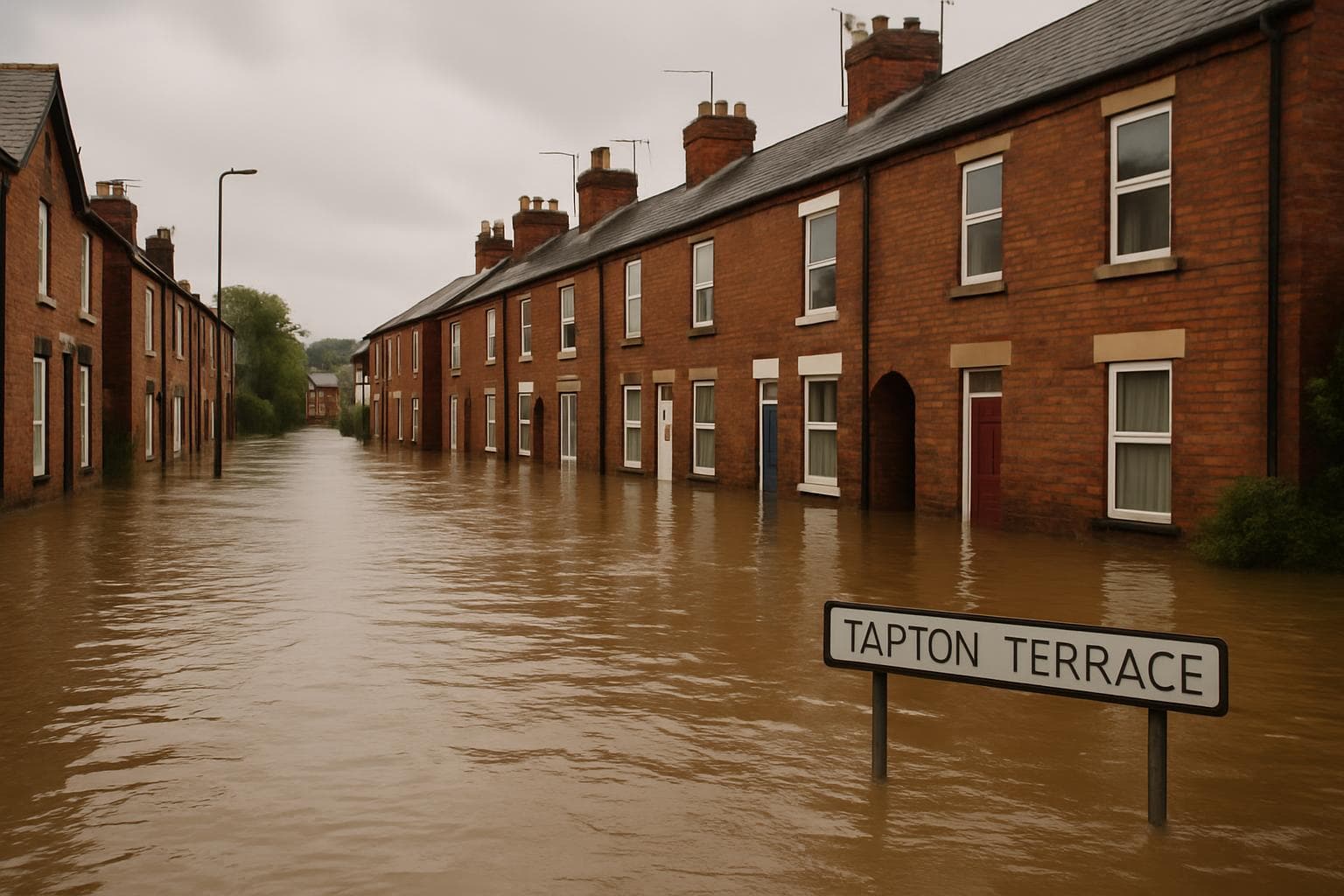
An inquest into the tragic death of Maureen Gilbert, an 83-year-old woman who drowned in her Chesterfield home during Storm Babet, has revealed the absence of formal flood defences in the area. Gilbert was discovered by her son on October 21, 2023, floating in floodwaters that had engulfed her residence on Tapton Terrace after the River Rother burst its banks.
The inquest, held at Chesterfield Coroner's Court, heard from Neil Longden, the Environment Agency's operations manager for Yorkshire. Longden explained that Tapton Terrace is particularly vulnerable to flooding due to its low-lying position and convergence of multiple water sources. Despite these risks, the street lacked formal flood defences. "You can build something, but someone has to pay for it," Longden stated, highlighting funding and planning challenges as significant barriers.
Storm Babet, described by Longden as "one of the most significant storms" he had encountered, resulted in the evacuation of approximately 400 homes in Chesterfield and left thousands without power across the UK. The storm's intensity was unprecedented, with rainfall levels overwhelming existing infrastructure.
In 2018, a storage reservoir was installed downstream of the River Rother to mitigate peak flows during heavy rainfall. However, Longden noted this was the only significant flood prevention measure implemented since severe flooding in 2007. Paul Gilbert, Maureen's son, recounted his efforts to protect his mother's home with makeshift defences, a practice he had maintained since the 2007 floods. "Everybody on the street did as much as they could," he said, reflecting on the community's resilience.
The inquest continues, with Derbyshire police managing local investigations following a referral to the Independent Office for Police Conduct. The proceedings aim to uncover further details surrounding the circumstances of Gilbert's death and the broader implications for flood risk management in the UK.
WHAT THIS MIGHT MEAN
As the inquest progresses, it may prompt a reevaluation of flood risk management strategies across the UK, particularly in vulnerable areas like Chesterfield. The lack of formal flood defences, despite known risks, underscores the need for comprehensive funding and planning solutions. Experts suggest that increased investment in flood infrastructure could mitigate future tragedies. Additionally, the outcome of the inquest could influence policy changes, potentially leading to more stringent requirements for flood defence installations in high-risk zones. The case also highlights the importance of community preparedness and the role of local authorities in safeguarding residents against severe weather events.
Images from the Web
Related Articles

Saharan Dust to Illuminate UK Skies with Vivid Sunrises and Sunsets

Canada and Australia Forge Strategic Partnership Amid Global Uncertainty

UK Government to Reform Asylum Seeker Support and Employment Policies

Middle East Conflict Drives UK Energy Prices to New Highs

UK Faces Dilemmas Amid Iran Conflict and China Spying Allegations

UK Reinforces Military Presence in Cyprus Amid Middle East Tensions
Chesterfield Inquest Highlights Lack of Flood Defences in Storm Babet Tragedy
In This Article
 Leila Hassan| Published
 HIGHLIGHTS
- Maureen Gilbert, 83, drowned in her Chesterfield home during Storm Babet due to a lack of formal flood defences.
- The River Rother overflowed, affecting 400 homes and leaving thousands without power across the UK.
- Environment Agency's Neil Longden cited funding and planning as barriers to installing flood defences.
- A storage reservoir was the only significant flood mitigation measure since severe flooding in 2007.
- The inquest into Gilbert's death is ongoing, with Derbyshire police handling local investigations.
An inquest into the tragic death of Maureen Gilbert, an 83-year-old woman who drowned in her Chesterfield home during Storm Babet, has revealed the absence of formal flood defences in the area. Gilbert was discovered by her son on October 21, 2023, floating in floodwaters that had engulfed her residence on Tapton Terrace after the River Rother burst its banks.
The inquest, held at Chesterfield Coroner's Court, heard from Neil Longden, the Environment Agency's operations manager for Yorkshire. Longden explained that Tapton Terrace is particularly vulnerable to flooding due to its low-lying position and convergence of multiple water sources. Despite these risks, the street lacked formal flood defences. "You can build something, but someone has to pay for it," Longden stated, highlighting funding and planning challenges as significant barriers.
Storm Babet, described by Longden as "one of the most significant storms" he had encountered, resulted in the evacuation of approximately 400 homes in Chesterfield and left thousands without power across the UK. The storm's intensity was unprecedented, with rainfall levels overwhelming existing infrastructure.
In 2018, a storage reservoir was installed downstream of the River Rother to mitigate peak flows during heavy rainfall. However, Longden noted this was the only significant flood prevention measure implemented since severe flooding in 2007. Paul Gilbert, Maureen's son, recounted his efforts to protect his mother's home with makeshift defences, a practice he had maintained since the 2007 floods. "Everybody on the street did as much as they could," he said, reflecting on the community's resilience.
The inquest continues, with Derbyshire police managing local investigations following a referral to the Independent Office for Police Conduct. The proceedings aim to uncover further details surrounding the circumstances of Gilbert's death and the broader implications for flood risk management in the UK.
WHAT THIS MIGHT MEAN
As the inquest progresses, it may prompt a reevaluation of flood risk management strategies across the UK, particularly in vulnerable areas like Chesterfield. The lack of formal flood defences, despite known risks, underscores the need for comprehensive funding and planning solutions. Experts suggest that increased investment in flood infrastructure could mitigate future tragedies. Additionally, the outcome of the inquest could influence policy changes, potentially leading to more stringent requirements for flood defence installations in high-risk zones. The case also highlights the importance of community preparedness and the role of local authorities in safeguarding residents against severe weather events.
Images from the Web
Related Articles
Saharan Dust to Illuminate UK Skies with Vivid Sunrises and Sunsets
Canada and Australia Forge Strategic Partnership Amid Global Uncertainty
UK Government to Reform Asylum Seeker Support and Employment Policies
Middle East Conflict Drives UK Energy Prices to New Highs
UK Faces Dilemmas Amid Iran Conflict and China Spying Allegations
UK Reinforces Military Presence in Cyprus Amid Middle East Tensions