
Chile Declares State of Catastrophe as Wildfires Devastate Regions
In This Article
HIGHLIGHTS
- Chilean President Gabriel Boric declared a state of catastrophe in the Biobío and Ñuble regions due to deadly wildfires.
- At least 18 people have died, and over 50,000 have been evacuated as fires ravage 8,500 hectares of land.
- Strong winds and a severe heatwave, with temperatures reaching 38°C, are exacerbating the wildfires.
- Local officials criticized the federal response, citing delays in military assistance and emergency resources.
- The fires have destroyed approximately 250 homes, with the city of Penco being one of the hardest hit areas.
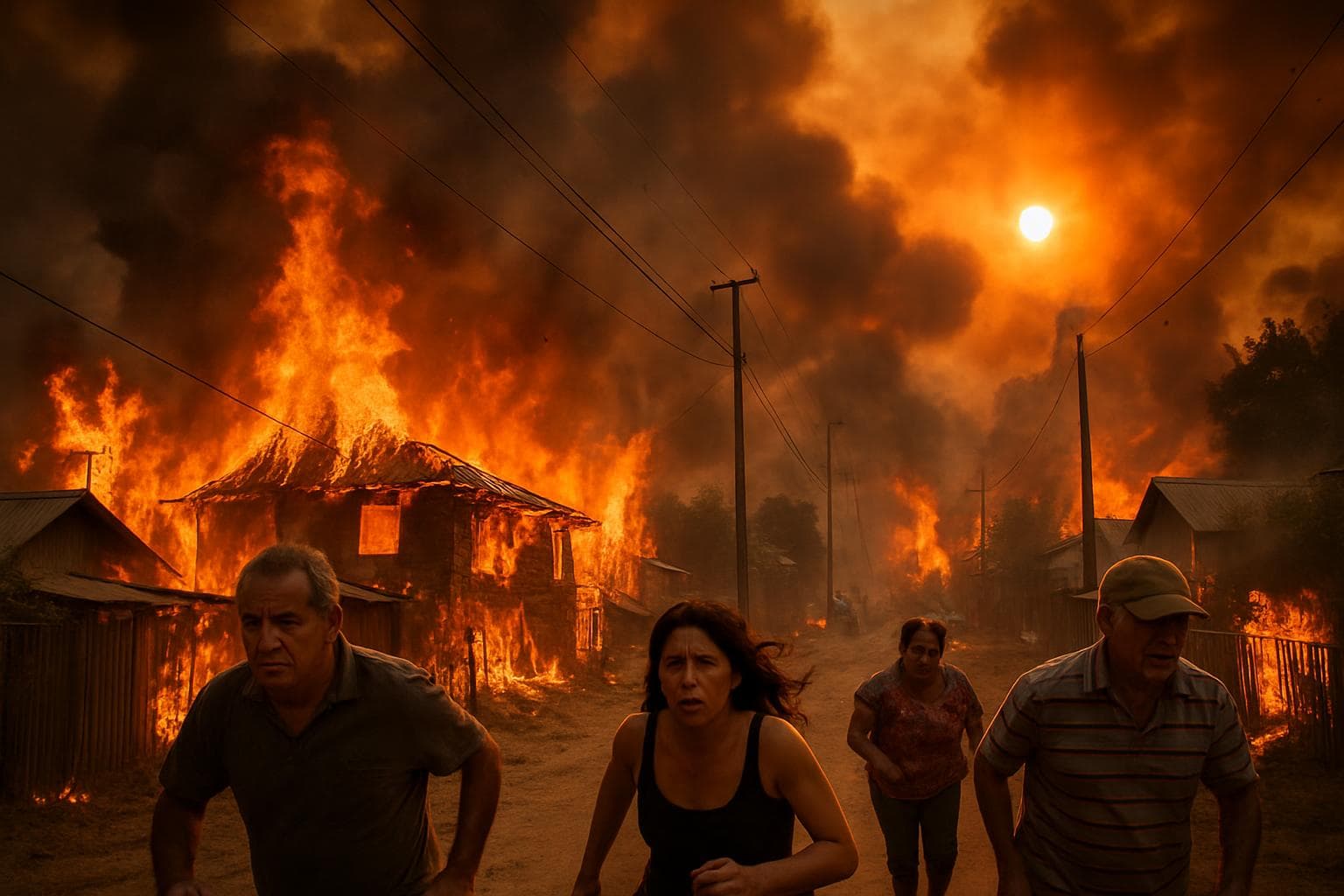
In response to devastating wildfires that have claimed at least 18 lives, Chilean President Gabriel Boric has declared a state of catastrophe in the Biobío and Ñuble regions. The fires, fueled by strong winds and a severe heatwave, have forced the evacuation of over 50,000 residents and scorched 8,500 hectares of land.
Raging Fires and Evacuations
The wildfires, which have been raging across central and southern Chile, have destroyed approximately 250 homes, particularly affecting the coastal city of Penco. Residents have been caught off guard, with many trapped in their homes as the flames spread rapidly. "We had to leave with the shirts on our back," said Matias Cid, a student from Penco, highlighting the urgency of the situation.
Government Response and Criticism
The state of catastrophe declaration allows for military involvement in firefighting efforts. However, local officials, including Penco's mayor Rodrigo Vera, have criticized the federal response, citing delays in the arrival of military and emergency resources. "A community is burning and there is no [government] presence," Vera lamented.
Impact of Heatwave and Drought
The fires have been exacerbated by a heatwave, with temperatures soaring to 38°C, and a long-term drought affecting much of Chile. These conditions have made firefighting efforts challenging, as emergency workers struggle against the elements to contain the blazes.
Human Stories Amidst Destruction
The human toll of the disaster is evident, with charred bodies found in homes and along roads. Residents like Juan Lagos, who fled with his family in the dark, recount the chaos and destruction. "There is nothing left standing," said Alejandro Arredondo, surveying the aftermath in Lirquén.
WHAT THIS MIGHT MEAN
As Chile grapples with these catastrophic wildfires, the immediate focus will be on containing the blazes and providing relief to affected communities. The government's response, particularly the speed and effectiveness of military involvement, will be scrutinized in the coming days. Long-term, this disaster underscores the urgent need for Chile to address climate change impacts, such as heatwaves and droughts, which are likely to increase the frequency and severity of such wildfires. Experts suggest that improved forest management and emergency preparedness could mitigate future risks, but these measures require significant investment and political will.
Related Articles

Global Outcry as US Captures Venezuelan President Maduro Amid Legal Controversy
Tragic Snowstorm in Chilean Patagonia Claims Lives of Five Tourists
Chile's Presidential Election Heads to Run-off Amid Crime and Immigration Concerns
Rescue Efforts Intensify After Chile Mine Collapse Traps Miners

Chile's Rightward Shift: José Antonio Kast's Election Victory and Its Implications

José Antonio Kast Elected Chile's President Amid Security and Immigration Concerns
Chile Declares State of Catastrophe as Wildfires Devastate Regions
In This Article
HIGHLIGHTS
- Chilean President Gabriel Boric declared a state of catastrophe in the Biobío and Ñuble regions due to deadly wildfires.
- At least 18 people have died, and over 50,000 have been evacuated as fires ravage 8,500 hectares of land.
- Strong winds and a severe heatwave, with temperatures reaching 38°C, are exacerbating the wildfires.
- Local officials criticized the federal response, citing delays in military assistance and emergency resources.
- The fires have destroyed approximately 250 homes, with the city of Penco being one of the hardest hit areas.
In response to devastating wildfires that have claimed at least 18 lives, Chilean President Gabriel Boric has declared a state of catastrophe in the Biobío and Ñuble regions. The fires, fueled by strong winds and a severe heatwave, have forced the evacuation of over 50,000 residents and scorched 8,500 hectares of land.
Raging Fires and Evacuations
The wildfires, which have been raging across central and southern Chile, have destroyed approximately 250 homes, particularly affecting the coastal city of Penco. Residents have been caught off guard, with many trapped in their homes as the flames spread rapidly. "We had to leave with the shirts on our back," said Matias Cid, a student from Penco, highlighting the urgency of the situation.
Government Response and Criticism
The state of catastrophe declaration allows for military involvement in firefighting efforts. However, local officials, including Penco's mayor Rodrigo Vera, have criticized the federal response, citing delays in the arrival of military and emergency resources. "A community is burning and there is no [government] presence," Vera lamented.
Impact of Heatwave and Drought
The fires have been exacerbated by a heatwave, with temperatures soaring to 38°C, and a long-term drought affecting much of Chile. These conditions have made firefighting efforts challenging, as emergency workers struggle against the elements to contain the blazes.
Human Stories Amidst Destruction
The human toll of the disaster is evident, with charred bodies found in homes and along roads. Residents like Juan Lagos, who fled with his family in the dark, recount the chaos and destruction. "There is nothing left standing," said Alejandro Arredondo, surveying the aftermath in Lirquén.
WHAT THIS MIGHT MEAN
As Chile grapples with these catastrophic wildfires, the immediate focus will be on containing the blazes and providing relief to affected communities. The government's response, particularly the speed and effectiveness of military involvement, will be scrutinized in the coming days. Long-term, this disaster underscores the urgent need for Chile to address climate change impacts, such as heatwaves and droughts, which are likely to increase the frequency and severity of such wildfires. Experts suggest that improved forest management and emergency preparedness could mitigate future risks, but these measures require significant investment and political will.
Related Articles
Global Outcry as US Captures Venezuelan President Maduro Amid Legal Controversy
Tragic Snowstorm in Chilean Patagonia Claims Lives of Five Tourists
Chile's Presidential Election Heads to Run-off Amid Crime and Immigration Concerns
Rescue Efforts Intensify After Chile Mine Collapse Traps Miners
Chile's Rightward Shift: José Antonio Kast's Election Victory and Its Implications
José Antonio Kast Elected Chile's President Amid Security and Immigration Concerns