
Global Outcry as US Captures Venezuelan President Maduro Amid Legal Controversy

In This Article
HIGHLIGHTS
- The US launched a military operation in Venezuela, capturing President Nicolás Maduro and his wife, Cilia Flores, on drug charges.
- Global leaders, including those from China, Russia, and Brazil, condemned the US action as a violation of international law.
- The UN Secretary-General expressed concern over the breach of the UN Charter, emphasizing respect for international law.
- Legal experts argue the US operation likely violated Article 2(4) of the UN Charter, which prohibits the use of force against sovereign nations.
- US officials claim the intervention was necessary to counter a "narco terrorist organization" led by Maduro.
In a dramatic escalation of tensions, the United States conducted a military operation in Venezuela, capturing President Nicolás Maduro and his wife, Cilia Flores, on Saturday. The couple faces drug-related charges in New York, but the legality of the US intervention has sparked widespread international condemnation.
International Reactions
Leaders worldwide have voiced strong opposition to the US actions, citing violations of international law. China's foreign ministry condemned the operation as "hegemonic behavior," while Russia labeled it an "act of armed aggression." Brazil's President Luiz Inácio Lula da Silva criticized the US for crossing an "unacceptable line," likening the intervention to historical US interference in Latin America.
Legal Concerns and UN Response
The UN Secretary-General António Guterres expressed deep concern over the breach of the UN Charter, which mandates respect for the sovereignty of nations. Legal experts, including Geoffrey Robertson KC, argue that the US operation contravenes Article 2(4) of the Charter, which prohibits military force against sovereign states. Elvira Domínguez-Redondo, a professor of international law, described the action as a "crime of aggression."
US Justification and Future Implications
The US administration, led by President Donald Trump, defended the operation as a necessary measure against a "narco terrorist organization" allegedly led by Maduro. However, experts like Susan Breau argue that the US lacks a valid self-defense claim, as there is no evidence of an imminent threat from Venezuela.
Regional and Political Impact
The operation has intensified debates over US foreign policy in Latin America. Colombian President Gustavo Petro and Chile's President Gabriel Boric have called for peaceful resolutions to the crisis. Meanwhile, UK Prime Minister Keir Starmer refrained from condemning the US action, emphasizing the need to establish all facts before making a judgment.
WHAT THIS MIGHT MEAN
The US intervention in Venezuela could have significant legal and political repercussions. If the UN Security Council convenes, it may lead to a formal investigation into the legality of the US actions. This could strain US relations with key international partners and further polarize global opinions on military interventions.
Politically, the operation may embolden opposition movements within Venezuela, potentially destabilizing the region further. The US's justification of self-defense may face scrutiny, influencing future international law interpretations regarding military interventions.
As the situation unfolds, the global community will closely monitor the US's next steps, particularly its handling of Venezuela's oil industry and its broader policy in Latin America.
Related Articles
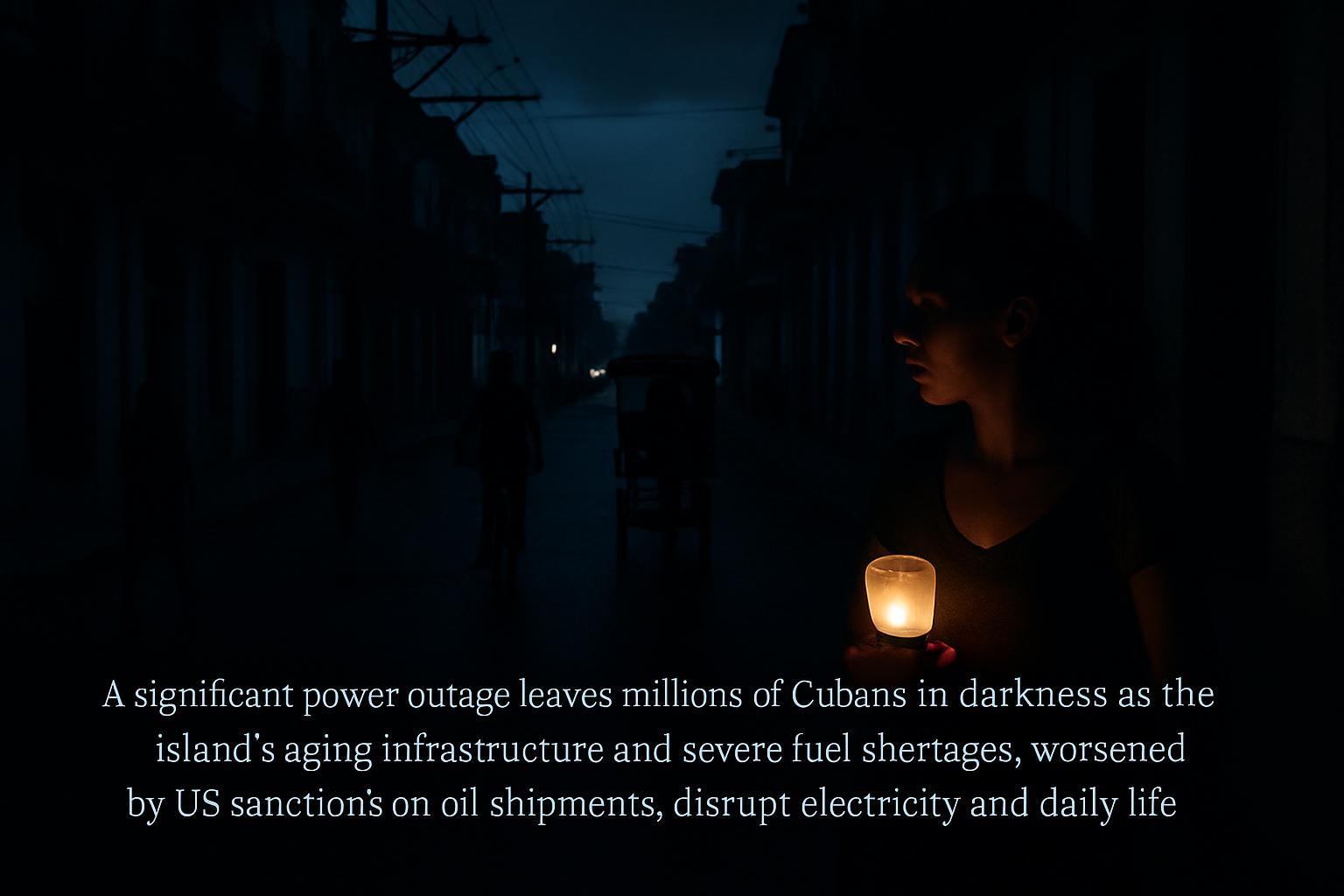
Cuba Faces Widespread Blackout Amid Deepening Fuel Crisis

UK Faces Dilemmas Amid Iran Conflict and China Spying Allegations
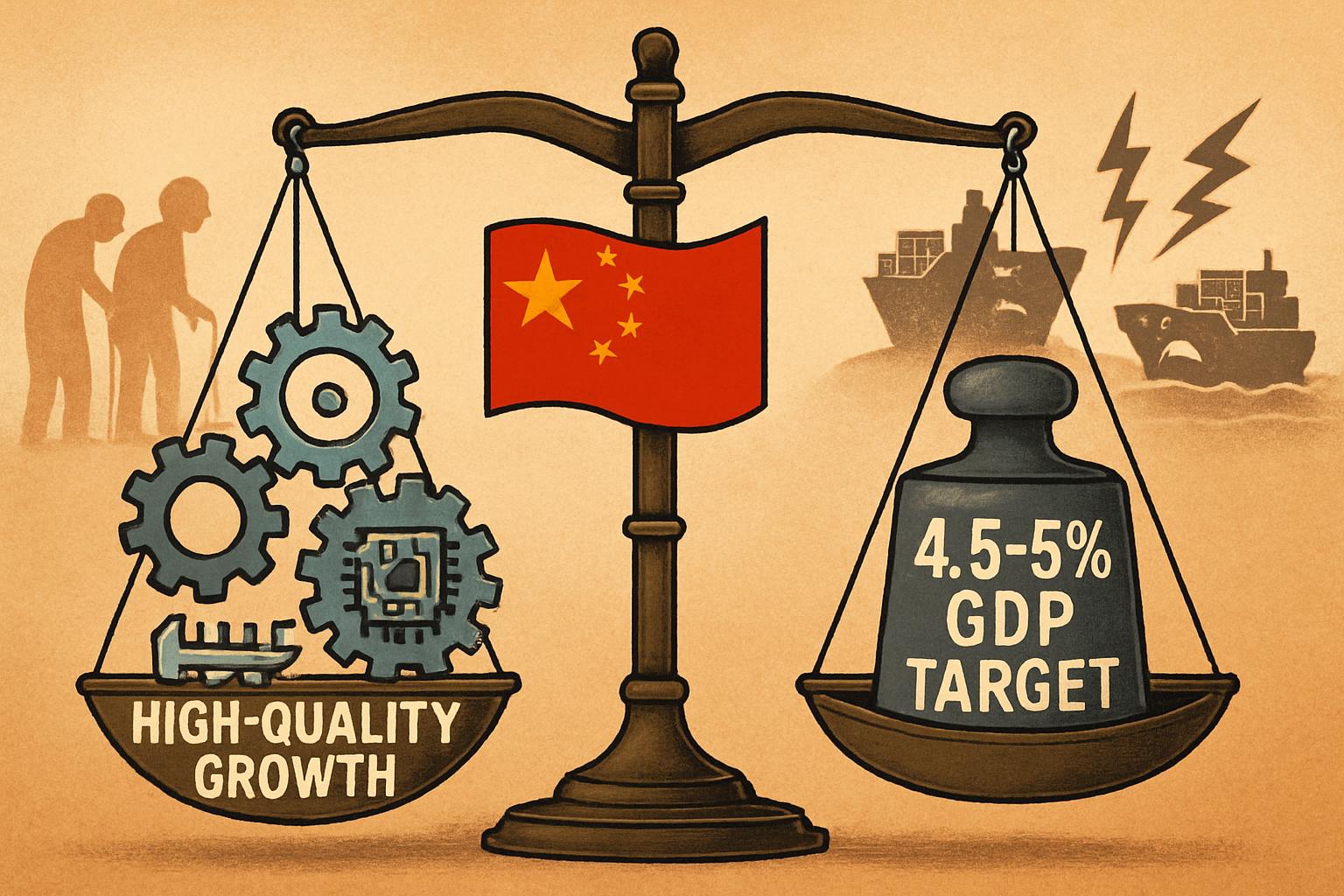
China Sets Lowest GDP Growth Target in Decades Amid Economic Challenges

Labour MP's Husband Arrested in UK-China Espionage Probe

UK-Iran Tensions: Starmer Defends Cautious Approach Amid Trump Criticism
Spain's Sánchez Stands Firm Against Trump's Trade Threat Over Iran Stance
Global Outcry as US Captures Venezuelan President Maduro Amid Legal Controversy
In This Article
HIGHLIGHTS
- The US launched a military operation in Venezuela, capturing President Nicolás Maduro and his wife, Cilia Flores, on drug charges.
- Global leaders, including those from China, Russia, and Brazil, condemned the US action as a violation of international law.
- The UN Secretary-General expressed concern over the breach of the UN Charter, emphasizing respect for international law.
- Legal experts argue the US operation likely violated Article 2(4) of the UN Charter, which prohibits the use of force against sovereign nations.
- US officials claim the intervention was necessary to counter a "narco terrorist organization" led by Maduro.
In a dramatic escalation of tensions, the United States conducted a military operation in Venezuela, capturing President Nicolás Maduro and his wife, Cilia Flores, on Saturday. The couple faces drug-related charges in New York, but the legality of the US intervention has sparked widespread international condemnation.
International Reactions
Leaders worldwide have voiced strong opposition to the US actions, citing violations of international law. China's foreign ministry condemned the operation as "hegemonic behavior," while Russia labeled it an "act of armed aggression." Brazil's President Luiz Inácio Lula da Silva criticized the US for crossing an "unacceptable line," likening the intervention to historical US interference in Latin America.
Legal Concerns and UN Response
The UN Secretary-General António Guterres expressed deep concern over the breach of the UN Charter, which mandates respect for the sovereignty of nations. Legal experts, including Geoffrey Robertson KC, argue that the US operation contravenes Article 2(4) of the Charter, which prohibits military force against sovereign states. Elvira Domínguez-Redondo, a professor of international law, described the action as a "crime of aggression."
US Justification and Future Implications
The US administration, led by President Donald Trump, defended the operation as a necessary measure against a "narco terrorist organization" allegedly led by Maduro. However, experts like Susan Breau argue that the US lacks a valid self-defense claim, as there is no evidence of an imminent threat from Venezuela.
Regional and Political Impact
The operation has intensified debates over US foreign policy in Latin America. Colombian President Gustavo Petro and Chile's President Gabriel Boric have called for peaceful resolutions to the crisis. Meanwhile, UK Prime Minister Keir Starmer refrained from condemning the US action, emphasizing the need to establish all facts before making a judgment.
WHAT THIS MIGHT MEAN
The US intervention in Venezuela could have significant legal and political repercussions. If the UN Security Council convenes, it may lead to a formal investigation into the legality of the US actions. This could strain US relations with key international partners and further polarize global opinions on military interventions.
Politically, the operation may embolden opposition movements within Venezuela, potentially destabilizing the region further. The US's justification of self-defense may face scrutiny, influencing future international law interpretations regarding military interventions.
As the situation unfolds, the global community will closely monitor the US's next steps, particularly its handling of Venezuela's oil industry and its broader policy in Latin America.
Related Articles
Cuba Faces Widespread Blackout Amid Deepening Fuel Crisis
UK Faces Dilemmas Amid Iran Conflict and China Spying Allegations
China Sets Lowest GDP Growth Target in Decades Amid Economic Challenges
Labour MP's Husband Arrested in UK-China Espionage Probe
UK-Iran Tensions: Starmer Defends Cautious Approach Amid Trump Criticism
Spain's Sánchez Stands Firm Against Trump's Trade Threat Over Iran Stance