
Willie Colón: The Salsa Legend Who Transformed Latin Music Passes Away at 75
In This Article
HIGHLIGHTS
- Willie Colón, a pioneering salsa musician, passed away at 75, leaving a legacy of over 30 million albums sold and multiple Grammy nominations.
- Colón's music, which blended jazz, rock, and traditional Latin rhythms, was instrumental in popularizing salsa music globally.
- Born in the Bronx to Puerto Rican parents, Colón's career began at 15 with Fania Records, releasing his first album, "El Malo," in 1967.
- His work, including hits like "Pedro Navaja," was known for its cultural and political themes, resonating with Latin communities worldwide.
- Colón's contributions to music earned him numerous accolades, including a lifetime achievement award from the Latin Academy of Recording Arts and Sciences.
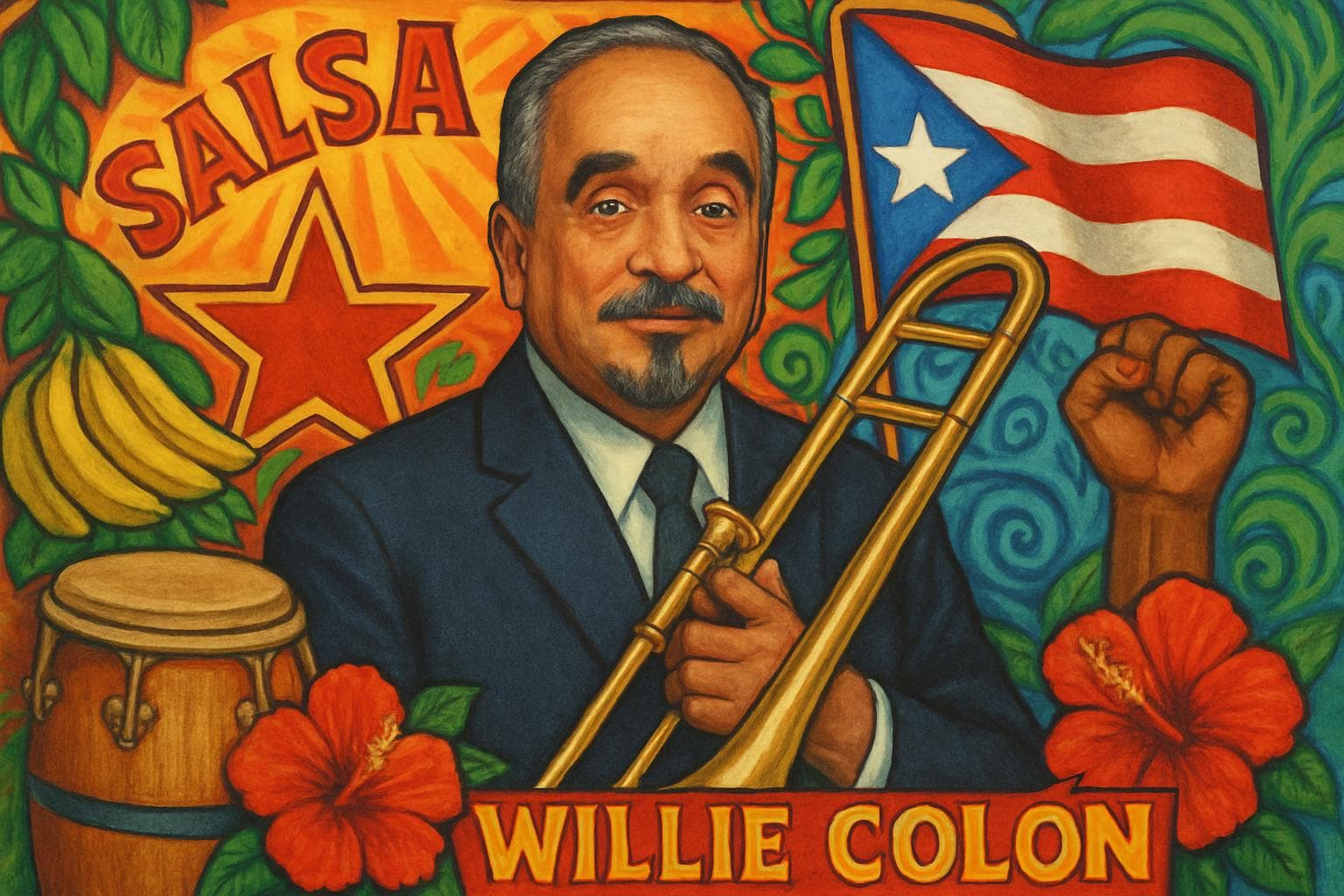
Willie Colón, the iconic trombonist and composer who played a pivotal role in shaping salsa music, has died at the age of 75. His family announced his passing on Saturday, stating that he died peacefully surrounded by loved ones. While the cause of death was not disclosed, the impact of his musical legacy is undeniable.
A Musical Pioneer
Born in the Bronx to Puerto Rican parents, Colón's journey into music began at a young age. By 15, he had signed with Fania Records, a label that would become synonymous with the salsa movement. His debut album, "El Malo," released in 1967, sold over 300,000 copies and marked the beginning of a prolific career. Colón's music was a fusion of jazz, rock, and traditional Latin rhythms, drawing from the rich cultural tapestries of Cuba, Puerto Rico, Brazil, and Africa.
Cultural and Political Influence
Colón's work was not just about music; it was a reflection of identity, pride, and resistance. His songs often explored the complexities of Puerto Rican life in the United States, resonating deeply with Latin communities. Hits like "Pedro Navaja" from the album "Siembra," recorded with Rubén Blades, became anthems of cultural expression and remain some of the best-selling salsa records to date.
A Lasting Legacy
Throughout his career, Colón received numerous accolades, including a lifetime achievement award from the Latin Academy of Recording Arts and Sciences. Billboard magazine recognized him as one of the most influential Latin artists of all time. His contributions to music were celebrated by peers and fans alike, with his trombone often described as "the voice of the people."
Tributes and Remembrances
Tributes poured in from across the music industry, with Fania Records and Colón's long-time manager, Pietro Carlos, highlighting his role in expanding and politicizing salsa music. Bruce McIntosh of Craft Recordings hailed him as a visionary who helped forge a new genre of Latin music.
WHAT THIS MIGHT MEAN
The passing of Willie Colón marks the end of an era for salsa music, but his influence will undoubtedly continue to inspire future generations of musicians. As the Latin music scene evolves, Colón's pioneering work serves as a foundation for artists seeking to blend cultural heritage with contemporary sounds. His music, rich with themes of identity and resistance, remains relevant in today's socio-political climate, offering a timeless soundtrack for those navigating the complexities of cultural identity. As tributes continue to pour in, the music world reflects on how Colón's legacy will shape the future of Latin music.
Related Articles
Cuba Faces Widespread Blackout Amid Deepening Fuel Crisis
St Francis of Assisi's Bones Draw Global Pilgrims to Italy
Bad Bunny's Super Bowl Performance: A Celebration of Puerto Rican Culture and Latino Unity

Bad Bunny's Super Bowl Show: A Celebration of Puerto Rican Culture and Unity

Trump Pressures Cuba Amid Venezuelan Oil Sanctions

US Seizure of Maduro Sparks Protests and International Tensions Across Latin America
Willie Colón: The Salsa Legend Who Transformed Latin Music Passes Away at 75
In This Article
HIGHLIGHTS
- Willie Colón, a pioneering salsa musician, passed away at 75, leaving a legacy of over 30 million albums sold and multiple Grammy nominations.
- Colón's music, which blended jazz, rock, and traditional Latin rhythms, was instrumental in popularizing salsa music globally.
- Born in the Bronx to Puerto Rican parents, Colón's career began at 15 with Fania Records, releasing his first album, "El Malo," in 1967.
- His work, including hits like "Pedro Navaja," was known for its cultural and political themes, resonating with Latin communities worldwide.
- Colón's contributions to music earned him numerous accolades, including a lifetime achievement award from the Latin Academy of Recording Arts and Sciences.
Willie Colón, the iconic trombonist and composer who played a pivotal role in shaping salsa music, has died at the age of 75. His family announced his passing on Saturday, stating that he died peacefully surrounded by loved ones. While the cause of death was not disclosed, the impact of his musical legacy is undeniable.
A Musical Pioneer
Born in the Bronx to Puerto Rican parents, Colón's journey into music began at a young age. By 15, he had signed with Fania Records, a label that would become synonymous with the salsa movement. His debut album, "El Malo," released in 1967, sold over 300,000 copies and marked the beginning of a prolific career. Colón's music was a fusion of jazz, rock, and traditional Latin rhythms, drawing from the rich cultural tapestries of Cuba, Puerto Rico, Brazil, and Africa.
Cultural and Political Influence
Colón's work was not just about music; it was a reflection of identity, pride, and resistance. His songs often explored the complexities of Puerto Rican life in the United States, resonating deeply with Latin communities. Hits like "Pedro Navaja" from the album "Siembra," recorded with Rubén Blades, became anthems of cultural expression and remain some of the best-selling salsa records to date.
A Lasting Legacy
Throughout his career, Colón received numerous accolades, including a lifetime achievement award from the Latin Academy of Recording Arts and Sciences. Billboard magazine recognized him as one of the most influential Latin artists of all time. His contributions to music were celebrated by peers and fans alike, with his trombone often described as "the voice of the people."
Tributes and Remembrances
Tributes poured in from across the music industry, with Fania Records and Colón's long-time manager, Pietro Carlos, highlighting his role in expanding and politicizing salsa music. Bruce McIntosh of Craft Recordings hailed him as a visionary who helped forge a new genre of Latin music.
WHAT THIS MIGHT MEAN
The passing of Willie Colón marks the end of an era for salsa music, but his influence will undoubtedly continue to inspire future generations of musicians. As the Latin music scene evolves, Colón's pioneering work serves as a foundation for artists seeking to blend cultural heritage with contemporary sounds. His music, rich with themes of identity and resistance, remains relevant in today's socio-political climate, offering a timeless soundtrack for those navigating the complexities of cultural identity. As tributes continue to pour in, the music world reflects on how Colón's legacy will shape the future of Latin music.
Related Articles
Cuba Faces Widespread Blackout Amid Deepening Fuel Crisis
St Francis of Assisi's Bones Draw Global Pilgrims to Italy
Bad Bunny's Super Bowl Performance: A Celebration of Puerto Rican Culture and Latino Unity
Bad Bunny's Super Bowl Show: A Celebration of Puerto Rican Culture and Unity
Trump Pressures Cuba Amid Venezuelan Oil Sanctions
US Seizure of Maduro Sparks Protests and International Tensions Across Latin America