
US Faces Global Backlash Over Military Intervention in Venezuela
In This Article
HIGHLIGHTS
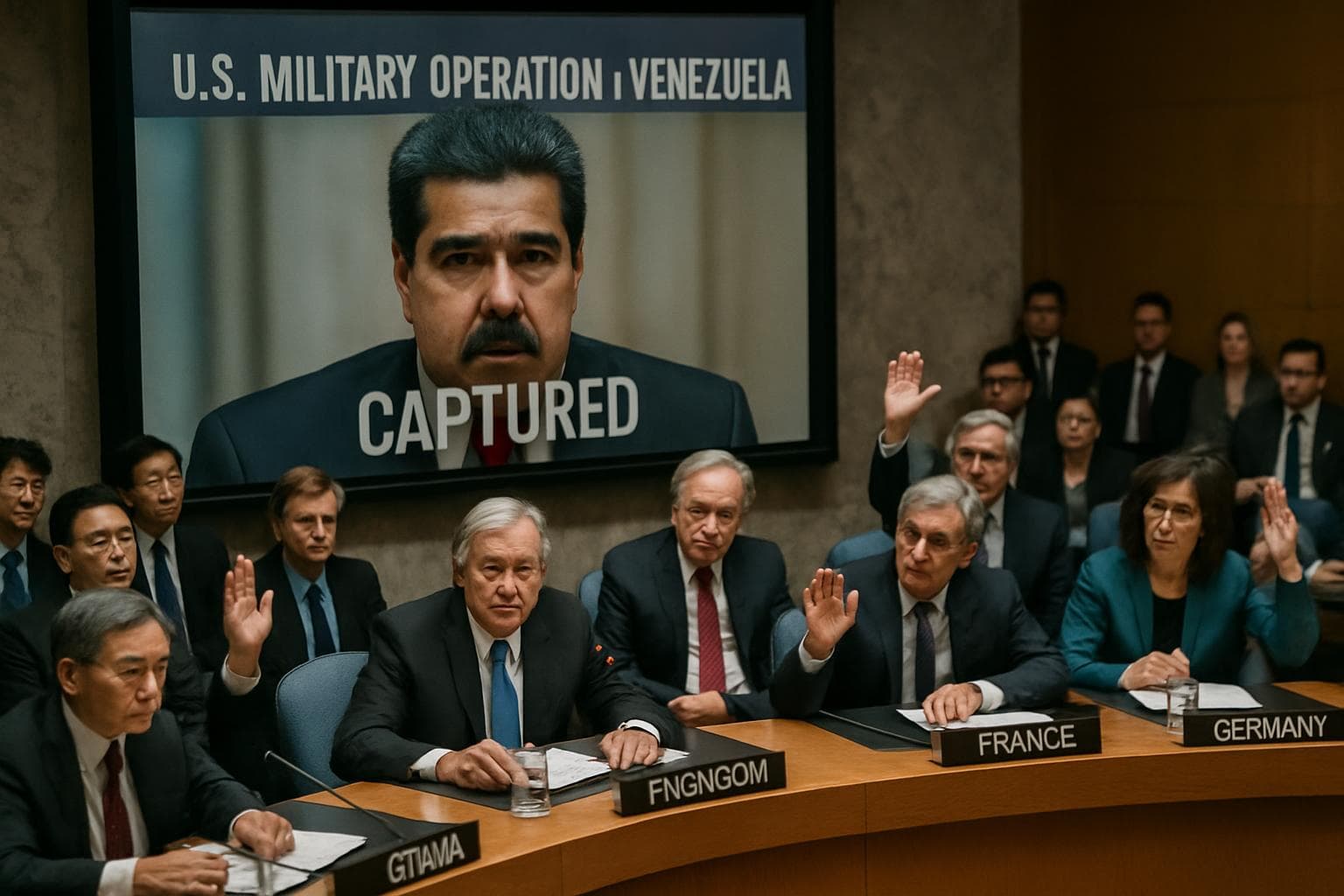
- The US faced widespread international criticism at a UN Security Council meeting for its military intervention in Venezuela, which included the capture of Nicolás Maduro.
- Countries such as Brazil, China, Russia, and Colombia condemned the US action as a violation of international law and Venezuela's sovereignty.
- The US defended its actions as a legitimate law enforcement operation against Maduro, who faces charges of narco-terrorism and weapons trafficking.
- UN Secretary-General António Guterres expressed deep concern over the potential for increased instability in Venezuela and the region.
- The incident has sparked a debate over the principles of sovereignty and non-intervention, with calls for a democratic transition in Venezuela.
The United States has come under intense scrutiny following its military intervention in Venezuela, which resulted in the capture of the country's leader, Nicolás Maduro. During an emergency meeting of the United Nations Security Council, both allies and adversaries of the US voiced strong opposition to the operation, labeling it a breach of international law and a violation of Venezuela's sovereignty.
International Condemnation
The intervention, which included airstrikes and the apprehension of Maduro and his wife, Cilia Flores, has been denounced by several nations, including Brazil, China, Russia, and Colombia. Brazilian ambassador Sérgio França Danese criticized the US actions as a "serious affront" to Venezuelan sovereignty, warning of the dangerous precedent it sets for international relations. Similarly, Russia's ambassador, Vasily Nebenzya, condemned the operation as a return to "lawlessness," urging the Security Council to reject such military interventions.
US Defense and Legal Context
The Trump administration defended the intervention as a necessary law enforcement action to address longstanding criminal charges against Maduro, including narco-terrorism and weapons trafficking. US Ambassador to the UN, Mike Waltz, argued that the operation was not an act of war but a legitimate effort to bring an "illegitimate" leader to justice.
Concerns Over Regional Stability
UN Secretary-General António Guterres expressed concern over the potential for increased instability in Venezuela and the broader region. He emphasized the importance of respecting international law and called for inclusive dialogue among Venezuelan political actors to ensure a peaceful transition. Colombia's ambassador, Leonor Zalabata Torres, echoed these sentiments, stressing that democracy cannot be promoted through violence and coercion.
Debate Over Sovereignty and Intervention
The incident has reignited debates over the principles of sovereignty and non-intervention. While some countries, like the UK, have remained relatively neutral, others have called for the immediate release of Maduro and Flores. China's representative, Fu Cong, accused the US of acting as a "supreme judge" in international affairs, undermining the principles of sovereignty and non-intervention.
WHAT THIS MIGHT MEAN
The US intervention in Venezuela could have significant implications for international relations and the future of US-Venezuela relations. If the US continues to pursue military interventions under the guise of law enforcement, it may face increased isolation and criticism from the international community. The situation also raises questions about the role of the UN in mediating conflicts and upholding international law. As the region grapples with potential instability, the call for a democratic transition in Venezuela may gain momentum, but achieving this will require careful diplomacy and respect for the country's sovereignty.
Related Articles
Cuba Faces Widespread Blackout Amid Deepening Fuel Crisis
El Mencho's Death Sparks Violent Unrest Across Mexico
China Sets Lowest GDP Growth Target in Decades Amid Economic Challenges

UK Faces Dilemmas Amid Iran Conflict and China Spying Allegations
St Francis of Assisi's Bones Draw Global Pilgrims to Italy

Tech Giants Pledge to Cover AI Data Center Energy Costs Amid Rising Electricity Concerns
US Faces Global Backlash Over Military Intervention in Venezuela
In This Article
HIGHLIGHTS
- The US faced widespread international criticism at a UN Security Council meeting for its military intervention in Venezuela, which included the capture of Nicolás Maduro.
- Countries such as Brazil, China, Russia, and Colombia condemned the US action as a violation of international law and Venezuela's sovereignty.
- The US defended its actions as a legitimate law enforcement operation against Maduro, who faces charges of narco-terrorism and weapons trafficking.
- UN Secretary-General António Guterres expressed deep concern over the potential for increased instability in Venezuela and the region.
- The incident has sparked a debate over the principles of sovereignty and non-intervention, with calls for a democratic transition in Venezuela.
The United States has come under intense scrutiny following its military intervention in Venezuela, which resulted in the capture of the country's leader, Nicolás Maduro. During an emergency meeting of the United Nations Security Council, both allies and adversaries of the US voiced strong opposition to the operation, labeling it a breach of international law and a violation of Venezuela's sovereignty.
International Condemnation
The intervention, which included airstrikes and the apprehension of Maduro and his wife, Cilia Flores, has been denounced by several nations, including Brazil, China, Russia, and Colombia. Brazilian ambassador Sérgio França Danese criticized the US actions as a "serious affront" to Venezuelan sovereignty, warning of the dangerous precedent it sets for international relations. Similarly, Russia's ambassador, Vasily Nebenzya, condemned the operation as a return to "lawlessness," urging the Security Council to reject such military interventions.
US Defense and Legal Context
The Trump administration defended the intervention as a necessary law enforcement action to address longstanding criminal charges against Maduro, including narco-terrorism and weapons trafficking. US Ambassador to the UN, Mike Waltz, argued that the operation was not an act of war but a legitimate effort to bring an "illegitimate" leader to justice.
Concerns Over Regional Stability
UN Secretary-General António Guterres expressed concern over the potential for increased instability in Venezuela and the broader region. He emphasized the importance of respecting international law and called for inclusive dialogue among Venezuelan political actors to ensure a peaceful transition. Colombia's ambassador, Leonor Zalabata Torres, echoed these sentiments, stressing that democracy cannot be promoted through violence and coercion.
Debate Over Sovereignty and Intervention
The incident has reignited debates over the principles of sovereignty and non-intervention. While some countries, like the UK, have remained relatively neutral, others have called for the immediate release of Maduro and Flores. China's representative, Fu Cong, accused the US of acting as a "supreme judge" in international affairs, undermining the principles of sovereignty and non-intervention.
WHAT THIS MIGHT MEAN
The US intervention in Venezuela could have significant implications for international relations and the future of US-Venezuela relations. If the US continues to pursue military interventions under the guise of law enforcement, it may face increased isolation and criticism from the international community. The situation also raises questions about the role of the UN in mediating conflicts and upholding international law. As the region grapples with potential instability, the call for a democratic transition in Venezuela may gain momentum, but achieving this will require careful diplomacy and respect for the country's sovereignty.
Related Articles
Cuba Faces Widespread Blackout Amid Deepening Fuel Crisis
El Mencho's Death Sparks Violent Unrest Across Mexico
China Sets Lowest GDP Growth Target in Decades Amid Economic Challenges
UK Faces Dilemmas Amid Iran Conflict and China Spying Allegations
St Francis of Assisi's Bones Draw Global Pilgrims to Italy
Tech Giants Pledge to Cover AI Data Center Energy Costs Amid Rising Electricity Concerns