
China Arrests Six in Gansu Province Lead Poisoning Scandal Affecting Over 230 Children
In This Article
HIGHLIGHTS
- Over 230 children in Tianshui city, Gansu province, suffered lead poisoning due to food contaminated with industrial-grade lead paint.
- Six individuals, including the kindergarten's principal, have been arrested, and nearly 30 others face disciplinary investigations.
- The Gansu Provincial Centre for Disease Control and Prevention and Tianshui No. 2 People's Hospital were criticized for mishandling the case.
- The Chinese government has introduced new national guidelines for food safety in schools following the incident.
- Affected families are being offered free medical treatment and legal assistance.
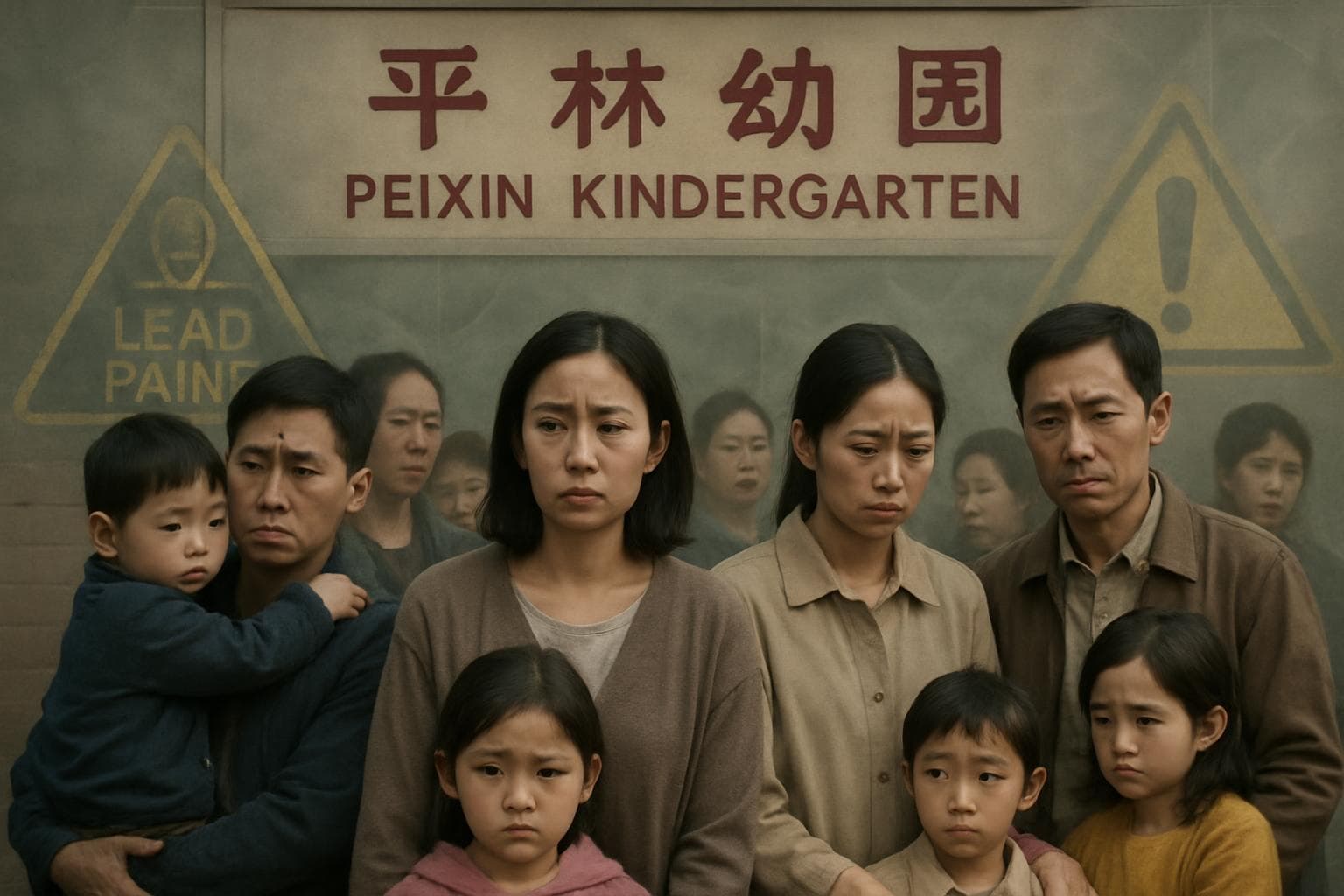
In a shocking revelation, Chinese authorities have arrested six individuals and launched disciplinary investigations into nearly 30 others following a lead poisoning incident that affected over 230 children in Tianshui city, Gansu province. The scandal, which has drawn national attention, highlights severe lapses in food safety and oversight at Peixin Kindergarten.
Lead Poisoning Incident Uncovered
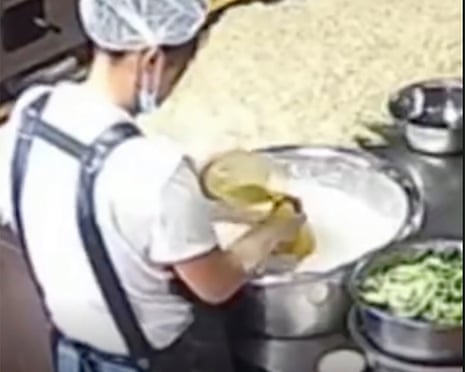
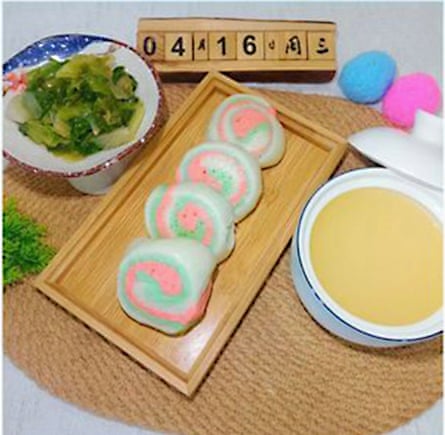
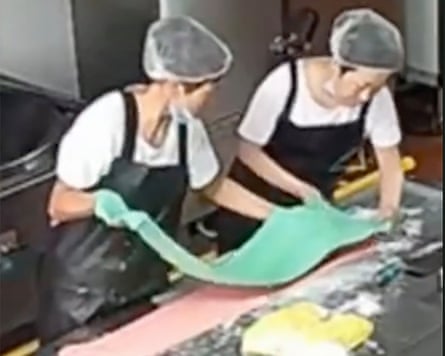
An official investigation revealed that the kindergarten's principal and staff used industrial-grade lead paint to enhance the appearance of food served to children, resulting in lead levels 400,000 times above the legal limit. The incident came to light earlier this month when 235 children were hospitalized with symptoms such as stomach pain and nausea. Subsequent tests confirmed elevated lead levels in 247 individuals, including staff members.
Systemic Failures and Cover-Up Attempts
The Gansu Provincial Centre for Disease Control and Prevention and Tianshui No. 2 People's Hospital faced criticism for their handling of the case. The investigation found that officials tampered with blood test results and neglected proper sampling procedures, leading to discrepancies in reported lead levels. Additionally, local education authorities were accused of ignoring the kindergarten's lack of a proper license and failing to conduct food safety inspections.
Government Response and New Regulations
In response to the scandal, the Chinese government has introduced new national guidelines for food safety in schools. These regulations mandate testing of every new batch of food and require centralized procurement of staples like rice and flour. Authorities in Tianshui have also announced free medical treatment and legal assistance for affected families, while Peixin Kindergarten will temporarily be managed by a state-owned institution.
WHAT THIS MIGHT MEAN
The Gansu province lead poisoning scandal underscores the urgent need for stricter food safety regulations and oversight in China's education system. As the government implements new guidelines, the effectiveness of these measures will be closely monitored. Legal proceedings against those involved could set a precedent for accountability in similar cases. Experts suggest that increased transparency and rigorous enforcement of food safety standards are crucial to preventing future incidents. The incident also raises broader questions about the safety of privately-owned educational institutions in China, potentially prompting further regulatory scrutiny.
Images from the Web
Related Articles

Barnsley Man Jailed for Rigging Homes with 'Home Alone' Booby Traps to Protect Drug Operation
China Sets Lowest GDP Growth Target in Decades Amid Economic Challenges

UK Faces Dilemmas Amid Iran Conflict and China Spying Allegations

Labour MP's Husband Arrested in UK-China Espionage Probe
US Supreme Court Ruling Sparks Trade Uncertainty in Asia and Beyond
Trump's New Tariff Strategy Sparks Global Trade Uncertainty
China Arrests Six in Gansu Province Lead Poisoning Scandal Affecting Over 230 Children
In This Article
 Sofia Romano| Published
 HIGHLIGHTS
- Over 230 children in Tianshui city, Gansu province, suffered lead poisoning due to food contaminated with industrial-grade lead paint.
- Six individuals, including the kindergarten's principal, have been arrested, and nearly 30 others face disciplinary investigations.
- The Gansu Provincial Centre for Disease Control and Prevention and Tianshui No. 2 People's Hospital were criticized for mishandling the case.
- The Chinese government has introduced new national guidelines for food safety in schools following the incident.
- Affected families are being offered free medical treatment and legal assistance.
In a shocking revelation, Chinese authorities have arrested six individuals and launched disciplinary investigations into nearly 30 others following a lead poisoning incident that affected over 230 children in Tianshui city, Gansu province. The scandal, which has drawn national attention, highlights severe lapses in food safety and oversight at Peixin Kindergarten.
Lead Poisoning Incident Uncovered
An official investigation revealed that the kindergarten's principal and staff used industrial-grade lead paint to enhance the appearance of food served to children, resulting in lead levels 400,000 times above the legal limit. The incident came to light earlier this month when 235 children were hospitalized with symptoms such as stomach pain and nausea. Subsequent tests confirmed elevated lead levels in 247 individuals, including staff members.
Systemic Failures and Cover-Up Attempts
The Gansu Provincial Centre for Disease Control and Prevention and Tianshui No. 2 People's Hospital faced criticism for their handling of the case. The investigation found that officials tampered with blood test results and neglected proper sampling procedures, leading to discrepancies in reported lead levels. Additionally, local education authorities were accused of ignoring the kindergarten's lack of a proper license and failing to conduct food safety inspections.
Government Response and New Regulations
In response to the scandal, the Chinese government has introduced new national guidelines for food safety in schools. These regulations mandate testing of every new batch of food and require centralized procurement of staples like rice and flour. Authorities in Tianshui have also announced free medical treatment and legal assistance for affected families, while Peixin Kindergarten will temporarily be managed by a state-owned institution.
WHAT THIS MIGHT MEAN
The Gansu province lead poisoning scandal underscores the urgent need for stricter food safety regulations and oversight in China's education system. As the government implements new guidelines, the effectiveness of these measures will be closely monitored. Legal proceedings against those involved could set a precedent for accountability in similar cases. Experts suggest that increased transparency and rigorous enforcement of food safety standards are crucial to preventing future incidents. The incident also raises broader questions about the safety of privately-owned educational institutions in China, potentially prompting further regulatory scrutiny.
Images from the Web
Related Articles
Barnsley Man Jailed for Rigging Homes with 'Home Alone' Booby Traps to Protect Drug Operation
China Sets Lowest GDP Growth Target in Decades Amid Economic Challenges
UK Faces Dilemmas Amid Iran Conflict and China Spying Allegations
Labour MP's Husband Arrested in UK-China Espionage Probe
US Supreme Court Ruling Sparks Trade Uncertainty in Asia and Beyond
Trump's New Tariff Strategy Sparks Global Trade Uncertainty