
China's Ban on Hidden Car Door Handles Sparks Global Safety Debate
In This Article
HIGHLIGHTS
- China will ban hidden door handles on electric vehicles starting January 1 of the year following the article's publication, citing safety concerns.
- The new regulations require a mechanical release on both the inside and outside of car doors, excluding the boot.
- The move follows fatal incidents involving Xiaomi EVs and scrutiny of Tesla's door handles by US and European regulators.
- The ban is expected to influence global car design due to China's significant role in the automotive industry.
- Vehicles already approved for the Chinese market have a two-year grace period to comply with the new rules.
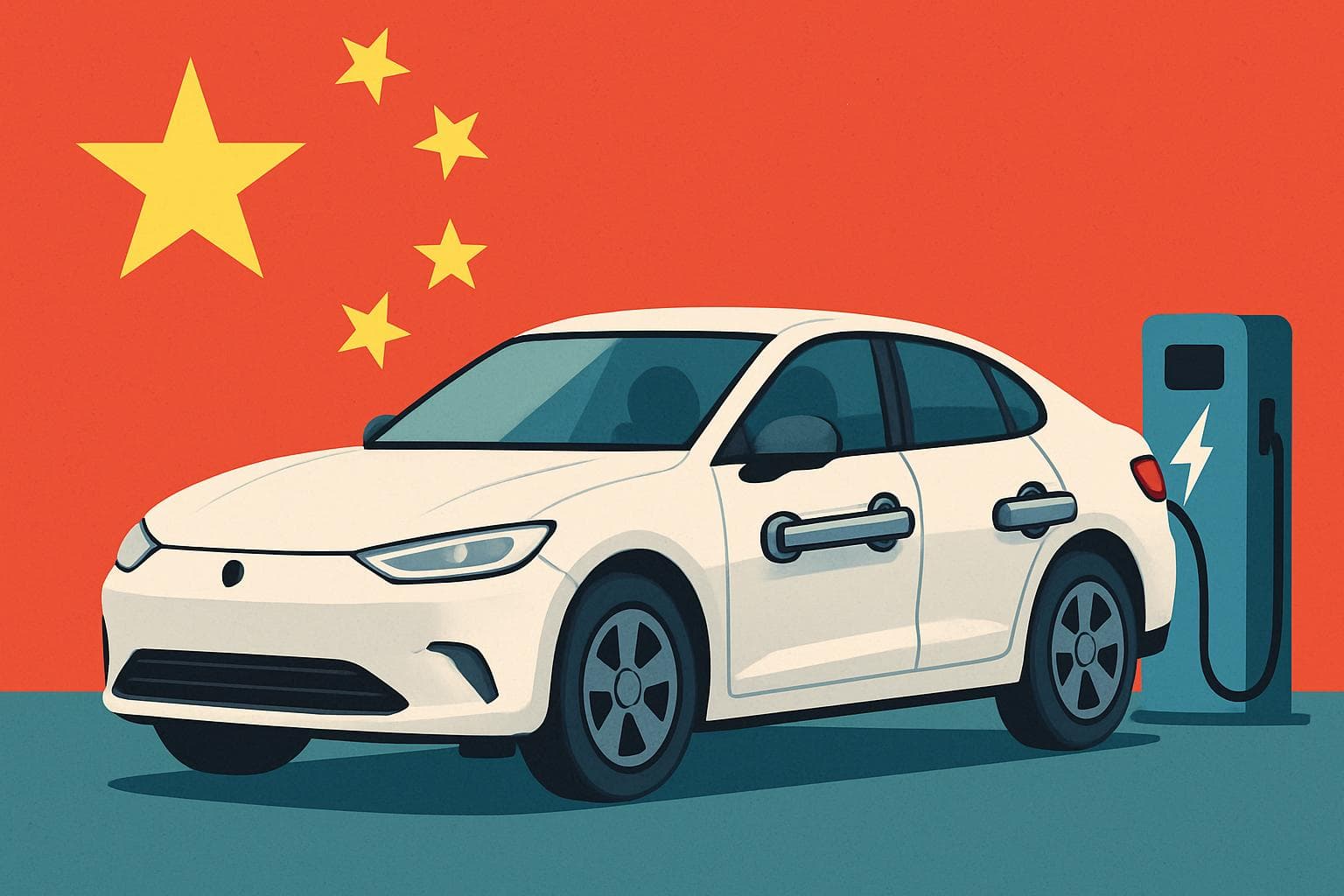
China has announced a groundbreaking decision to ban hidden door handles on electric vehicles (EVs), marking a significant shift in automotive safety regulations. The move, effective from January 1 of the year following the article's publication, positions China as the first nation to prohibit these controversial designs, which gained popularity through Tesla's innovative models.
Safety Concerns Prompt Regulatory Action
The decision by China's Ministry of Industry and Information Technology follows a series of fatal incidents, including two involving Xiaomi EVs, where power failures allegedly prevented doors from being opened. The new regulations mandate that all cars sold in China must feature a mechanical release on both the inside and outside of every door, except the boot. This measure aims to enhance automotive safety by ensuring manual access in emergencies.
Global Implications for Car Manufacturers
The ban is expected to have far-reaching effects on the global car industry, given China's status as the world's largest EV market. Currently, hidden door handles are a common feature in about 60% of the top 100 best-selling new energy vehicles in China, which includes both EVs and hybrids. As a result, manufacturers will need to redesign many models to comply with the new standards. Cars already approved for sale in China will benefit from a two-year grace period to update their designs.
International Scrutiny of Tesla's Design
Tesla, a pioneer of the flush-mounted pop-out door handle, is already under investigation by the US National Highway Traffic Safety Administration (NHTSA) following reports of malfunctioning door handles in its Model Y cars. The NHTSA has received multiple complaints, including instances where owners had to break windows to escape. European regulators are also considering similar safety measures.
Human Stories Behind the Headlines
The human impact of these design flaws is starkly illustrated by a tragic incident in Chengdu, where a Xiaomi electric sedan caught fire after a collision, trapping the driver inside. In the US, a lawsuit against Tesla highlights a case where a Cybertruck's electric doors failed during a fire, resulting in multiple fatalities.
WHAT THIS MIGHT MEAN
The implementation of these new regulations in China could set a precedent for other countries, potentially leading to a global reevaluation of EV safety standards. As manufacturers adapt to these changes, the industry may see a shift towards more traditional mechanical designs, balancing innovation with safety. Experts suggest that this could also accelerate the development of new safety technologies, as companies strive to maintain competitive advantages in the evolving market. The ongoing investigations into Tesla's door handles may further influence regulatory decisions worldwide, emphasizing the need for robust safety features in the rapidly expanding EV sector.
Related Articles

US Supreme Court Ruling Sparks Trade Uncertainty in Asia and Beyond

Japan Seizes Chinese Fishing Vessel Amid Rising Diplomatic Tensions

China Sets Lowest GDP Growth Target in Decades Amid Economic Challenges
Elon Musk Defends Tweets in Twitter Takeover Trial

UK Faces Dilemmas Amid Iran Conflict and China Spying Allegations

Labour MP's Husband Arrested in UK-China Espionage Probe
China's Ban on Hidden Car Door Handles Sparks Global Safety Debate
In This Article
HIGHLIGHTS
- China will ban hidden door handles on electric vehicles starting January 1 of the year following the article's publication, citing safety concerns.
- The new regulations require a mechanical release on both the inside and outside of car doors, excluding the boot.
- The move follows fatal incidents involving Xiaomi EVs and scrutiny of Tesla's door handles by US and European regulators.
- The ban is expected to influence global car design due to China's significant role in the automotive industry.
- Vehicles already approved for the Chinese market have a two-year grace period to comply with the new rules.
China has announced a groundbreaking decision to ban hidden door handles on electric vehicles (EVs), marking a significant shift in automotive safety regulations. The move, effective from January 1 of the year following the article's publication, positions China as the first nation to prohibit these controversial designs, which gained popularity through Tesla's innovative models.
Safety Concerns Prompt Regulatory Action
The decision by China's Ministry of Industry and Information Technology follows a series of fatal incidents, including two involving Xiaomi EVs, where power failures allegedly prevented doors from being opened. The new regulations mandate that all cars sold in China must feature a mechanical release on both the inside and outside of every door, except the boot. This measure aims to enhance automotive safety by ensuring manual access in emergencies.
Global Implications for Car Manufacturers
The ban is expected to have far-reaching effects on the global car industry, given China's status as the world's largest EV market. Currently, hidden door handles are a common feature in about 60% of the top 100 best-selling new energy vehicles in China, which includes both EVs and hybrids. As a result, manufacturers will need to redesign many models to comply with the new standards. Cars already approved for sale in China will benefit from a two-year grace period to update their designs.
International Scrutiny of Tesla's Design
Tesla, a pioneer of the flush-mounted pop-out door handle, is already under investigation by the US National Highway Traffic Safety Administration (NHTSA) following reports of malfunctioning door handles in its Model Y cars. The NHTSA has received multiple complaints, including instances where owners had to break windows to escape. European regulators are also considering similar safety measures.
Human Stories Behind the Headlines
The human impact of these design flaws is starkly illustrated by a tragic incident in Chengdu, where a Xiaomi electric sedan caught fire after a collision, trapping the driver inside. In the US, a lawsuit against Tesla highlights a case where a Cybertruck's electric doors failed during a fire, resulting in multiple fatalities.
WHAT THIS MIGHT MEAN
The implementation of these new regulations in China could set a precedent for other countries, potentially leading to a global reevaluation of EV safety standards. As manufacturers adapt to these changes, the industry may see a shift towards more traditional mechanical designs, balancing innovation with safety. Experts suggest that this could also accelerate the development of new safety technologies, as companies strive to maintain competitive advantages in the evolving market. The ongoing investigations into Tesla's door handles may further influence regulatory decisions worldwide, emphasizing the need for robust safety features in the rapidly expanding EV sector.
Related Articles
US Supreme Court Ruling Sparks Trade Uncertainty in Asia and Beyond
Japan Seizes Chinese Fishing Vessel Amid Rising Diplomatic Tensions
China Sets Lowest GDP Growth Target in Decades Amid Economic Challenges
Elon Musk Defends Tweets in Twitter Takeover Trial
UK Faces Dilemmas Amid Iran Conflict and China Spying Allegations
Labour MP's Husband Arrested in UK-China Espionage Probe