
Clintons to Testify in Epstein Investigation Amid Political Tensions
In This Article
HIGHLIGHTS
- Bill and Hillary Clinton have agreed to testify in the congressional investigation into Jeffrey Epstein, avoiding a contempt of Congress vote.
- The House Oversight Committee, led by Republicans, had moved to hold the Clintons in contempt for initially refusing to testify.
- Bill Clinton's past association with Epstein has resurfaced, though he denies knowledge of Epstein's crimes.
- The Clintons argue the subpoenas are politically motivated, linked to Donald Trump's alleged retribution campaign.
- The Clintons' testimony marks the first time a former U.S. president will testify before a congressional panel since 1983.
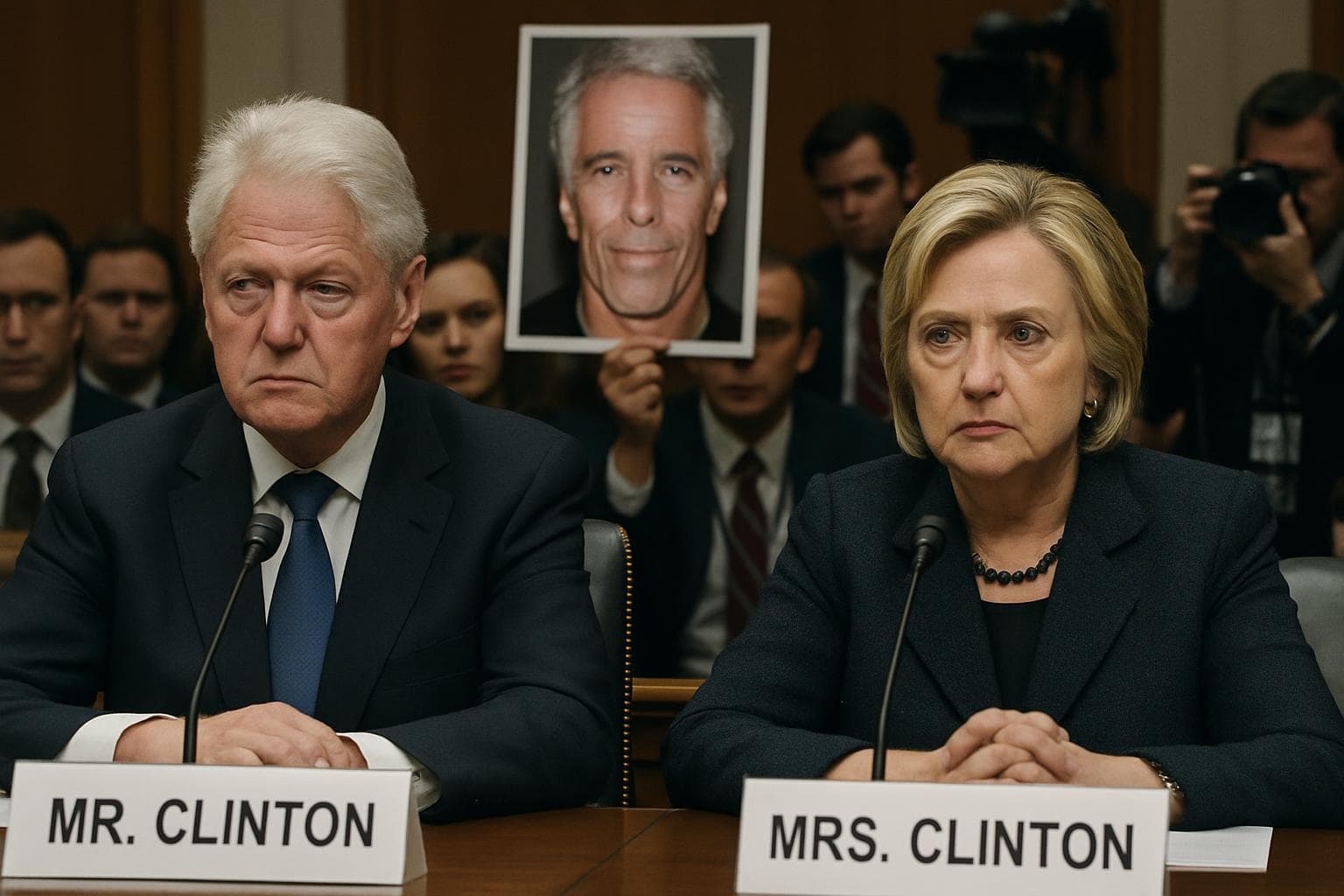
Former U.S. President Bill Clinton and former Secretary of State Hillary Clinton have agreed to testify before the House Oversight Committee as part of the ongoing investigation into the late convicted sex offender Jeffrey Epstein. This decision comes just days before a scheduled vote on whether to hold the Clintons in contempt of Congress for their previous refusal to comply with subpoenas issued by the committee.
Background and Legal Context
The House Oversight Committee, under Republican leadership, had advanced measures to hold the Clintons in contempt, a move supported by several Democrats. The Clintons had initially resisted the subpoenas, labeling them as "invalid" and "unenforceable," and accused the committee's chair, James Comer, of using the investigation as a political tool influenced by former President Donald Trump.
Bill Clinton's connection to Epstein has been a focal point in the investigation. While Clinton acknowledges having known Epstein, he denies any knowledge of his criminal activities. Flight logs show Clinton traveled on Epstein's private jet in the early 2000s, and photos have surfaced depicting him at Epstein's estate. Clinton's spokesperson, Angel Ureña, emphasized that these interactions occurred before Epstein's criminal conduct was publicly known.
Political and Legal Implications
The Clintons' agreement to testify is seen as a significant development, marking the first instance since 1983 that a former U.S. president will appear before a congressional panel. In a statement, Ureña criticized the committee's handling of the investigation, asserting that the Clintons had already provided all relevant information. "They negotiated in good faith," Ureña stated, "but the committee did not."
The Clintons have expressed their intent to set a precedent for transparency, despite their belief that the investigation is politically charged. They have previously submitted sworn statements and offered to participate in interviews related to the Epstein case.
WHAT THIS MIGHT MEAN
The Clintons' testimony could have far-reaching implications for both the investigation and the broader political landscape. If the testimony reveals new information, it may prompt further inquiries into Epstein's connections with high-profile individuals. Conversely, if the Clintons' statements align with their previous declarations, it could reinforce their claims of political targeting.
Legal experts suggest that the outcome of this testimony could influence future congressional investigations, particularly regarding the balance between legislative oversight and political motivations. As the investigation unfolds, it remains to be seen how this high-profile testimony will impact the Clintons' political legacy and the ongoing discourse surrounding Epstein's network.
Images from the Web

Related Articles

Congress Subpoenas Attorney General Bondi in Epstein Investigation

Armed Intruder Fatally Shot at Mar-a-Lago by Secret Service

Tech Giants Pledge to Cover AI Data Center Energy Costs Amid Rising Electricity Concerns

Cuba Faces Widespread Blackout Amid Deepening Fuel Crisis

UK Faces Dilemmas Amid Iran Conflict and China Spying Allegations
Senate Blocks Resolution to Limit Trump's Military Actions in Iran
Clintons to Testify in Epstein Investigation Amid Political Tensions
In This Article
 Sofia Romano| Published
 HIGHLIGHTS
- Bill and Hillary Clinton have agreed to testify in the congressional investigation into Jeffrey Epstein, avoiding a contempt of Congress vote.
- The House Oversight Committee, led by Republicans, had moved to hold the Clintons in contempt for initially refusing to testify.
- Bill Clinton's past association with Epstein has resurfaced, though he denies knowledge of Epstein's crimes.
- The Clintons argue the subpoenas are politically motivated, linked to Donald Trump's alleged retribution campaign.
- The Clintons' testimony marks the first time a former U.S. president will testify before a congressional panel since 1983.
Former U.S. President Bill Clinton and former Secretary of State Hillary Clinton have agreed to testify before the House Oversight Committee as part of the ongoing investigation into the late convicted sex offender Jeffrey Epstein. This decision comes just days before a scheduled vote on whether to hold the Clintons in contempt of Congress for their previous refusal to comply with subpoenas issued by the committee.
Background and Legal Context
The House Oversight Committee, under Republican leadership, had advanced measures to hold the Clintons in contempt, a move supported by several Democrats. The Clintons had initially resisted the subpoenas, labeling them as "invalid" and "unenforceable," and accused the committee's chair, James Comer, of using the investigation as a political tool influenced by former President Donald Trump.
Bill Clinton's connection to Epstein has been a focal point in the investigation. While Clinton acknowledges having known Epstein, he denies any knowledge of his criminal activities. Flight logs show Clinton traveled on Epstein's private jet in the early 2000s, and photos have surfaced depicting him at Epstein's estate. Clinton's spokesperson, Angel Ureña, emphasized that these interactions occurred before Epstein's criminal conduct was publicly known.
Political and Legal Implications
The Clintons' agreement to testify is seen as a significant development, marking the first instance since 1983 that a former U.S. president will appear before a congressional panel. In a statement, Ureña criticized the committee's handling of the investigation, asserting that the Clintons had already provided all relevant information. "They negotiated in good faith," Ureña stated, "but the committee did not."
The Clintons have expressed their intent to set a precedent for transparency, despite their belief that the investigation is politically charged. They have previously submitted sworn statements and offered to participate in interviews related to the Epstein case.
WHAT THIS MIGHT MEAN
The Clintons' testimony could have far-reaching implications for both the investigation and the broader political landscape. If the testimony reveals new information, it may prompt further inquiries into Epstein's connections with high-profile individuals. Conversely, if the Clintons' statements align with their previous declarations, it could reinforce their claims of political targeting.
Legal experts suggest that the outcome of this testimony could influence future congressional investigations, particularly regarding the balance between legislative oversight and political motivations. As the investigation unfolds, it remains to be seen how this high-profile testimony will impact the Clintons' political legacy and the ongoing discourse surrounding Epstein's network.
Images from the Web
Related Articles
Congress Subpoenas Attorney General Bondi in Epstein Investigation
Armed Intruder Fatally Shot at Mar-a-Lago by Secret Service
Tech Giants Pledge to Cover AI Data Center Energy Costs Amid Rising Electricity Concerns
Cuba Faces Widespread Blackout Amid Deepening Fuel Crisis
UK Faces Dilemmas Amid Iran Conflict and China Spying Allegations
Senate Blocks Resolution to Limit Trump's Military Actions in Iran